
Airline Pilot Career Information
Loans Versus Pilot Scholarships: Which Pays?
Compare loans versus pilot scholarships for flight training. See how timing, eligibility, repayment and career goals shape the right funding plan for you.

Compare loans versus pilot scholarships for flight training. See how timing, eligibility, repayment and career goals shape the right funding plan for you.
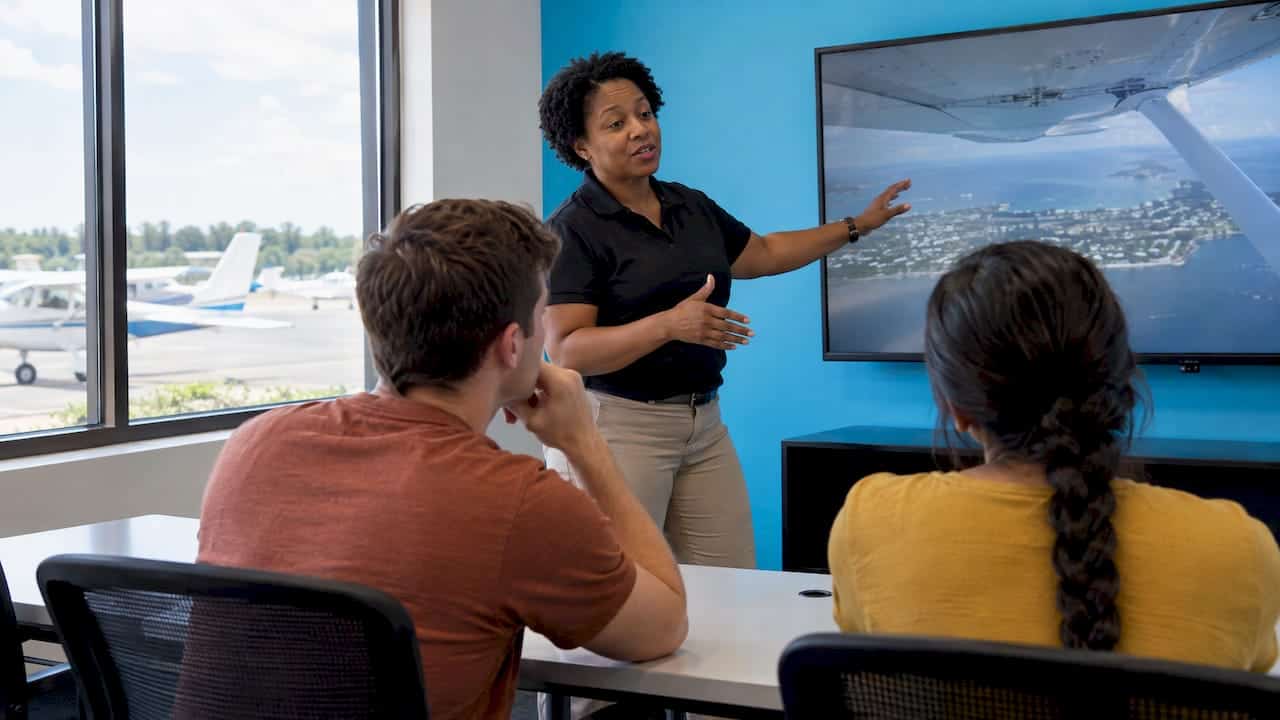
Student to instructor ratio at a flight school: how it is calculated, what the FAA requires, and which questions about scheduling and cost matter more.

A first airline pilot job is usually about a 2½-year path from no flight experience, with reaching 1,500 flight hours a major part of the timeline….
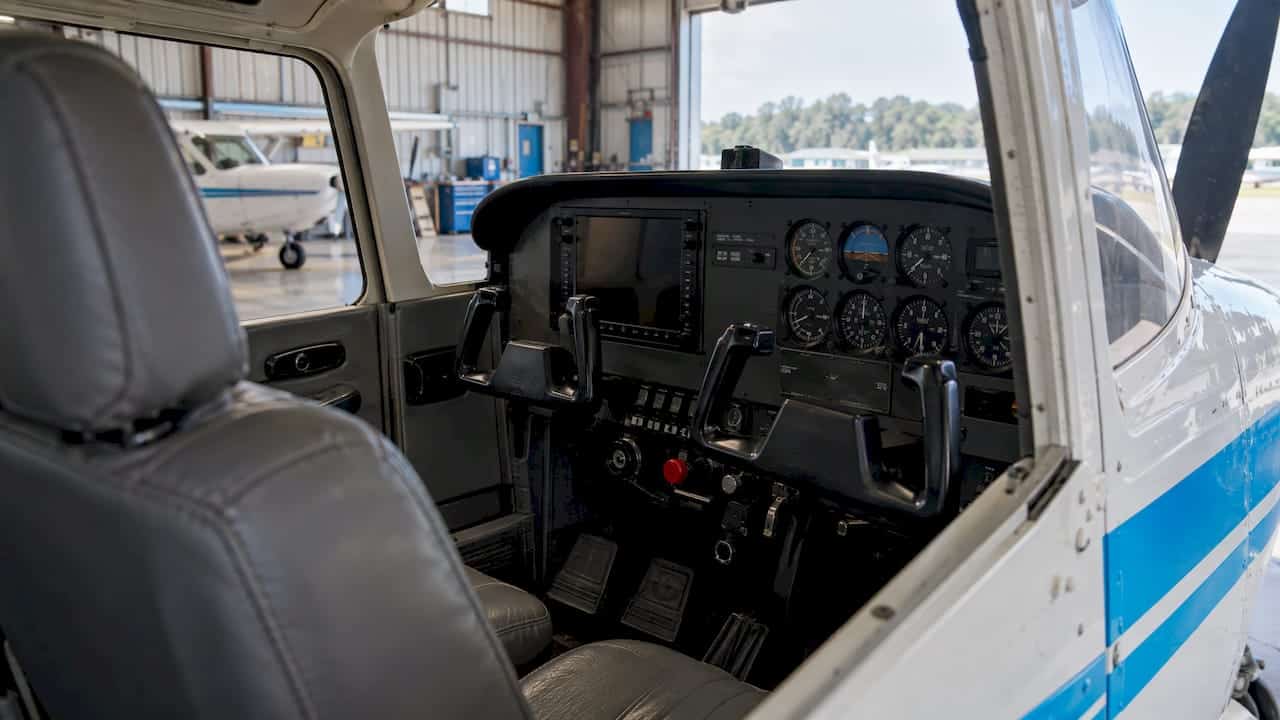
ADS-B Out broadcasts your position and is required in most controlled airspace. ADS-B In receives traffic and weather. Here is how each works and what to equip.
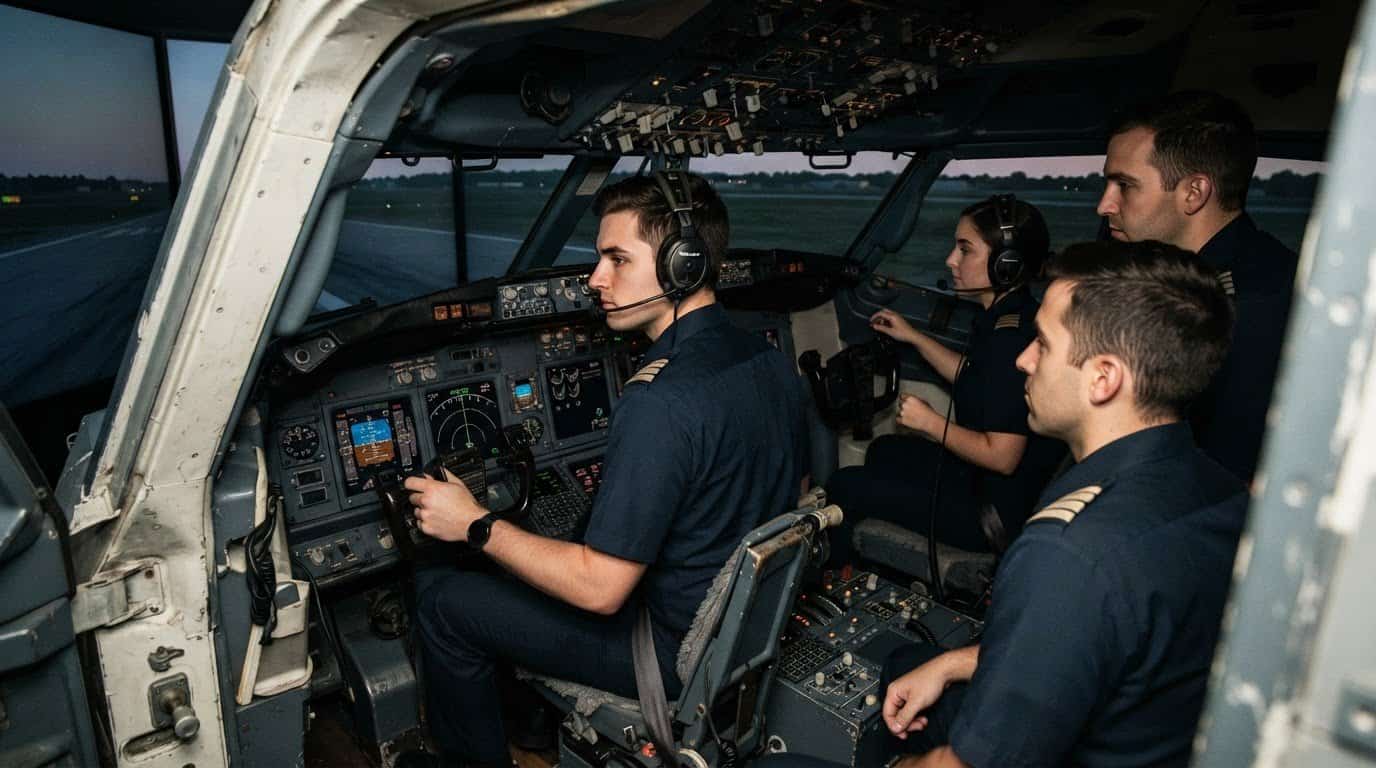
A simulator assessment isn’t won by flying alone. Airline assessments don’t follow one standard duration; the time depends on the assessment profile…

Accelerated training outcomes depend on structured schedules, reliable aircraft, FAA Part 141 oversight, and checkride access that keeps pilots moving.
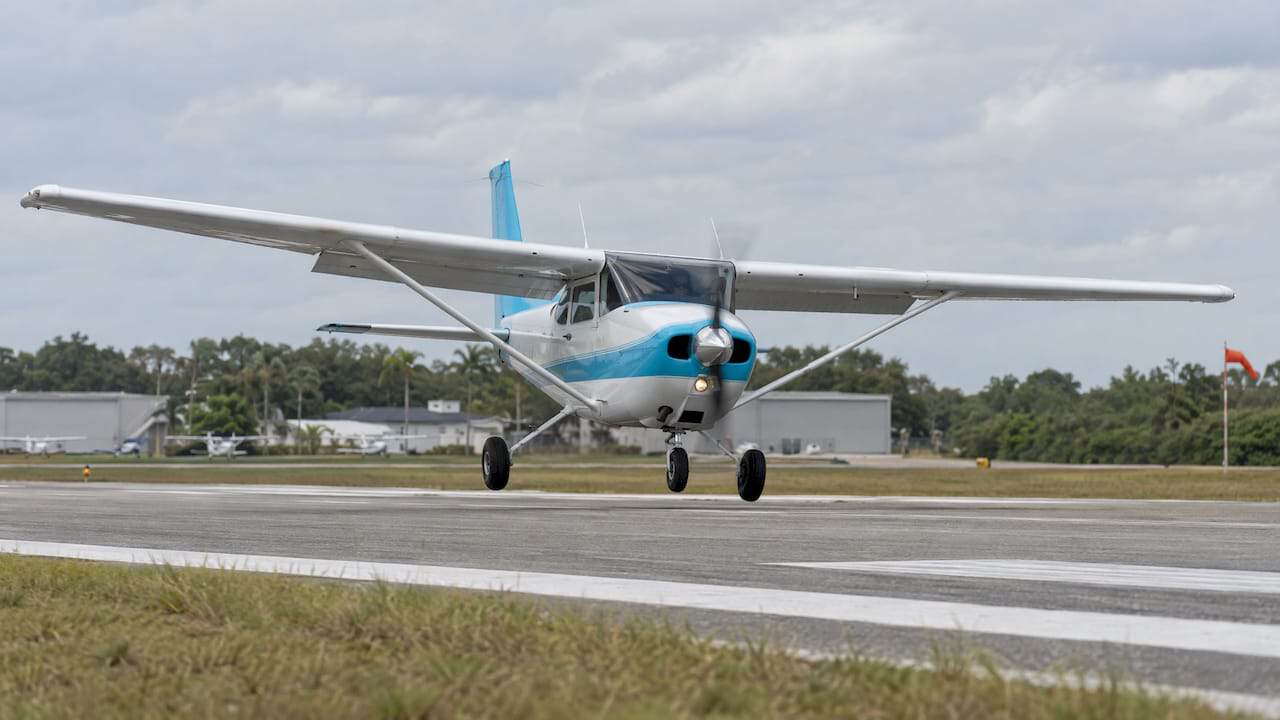
A structured plan for crosswind landing practice: the control inputs, a drill sequence from altitude to the runway, common errors, and when to go around.
U.S. airline pilots must retire by age 65 under Federal Aviation Administration rules. The pilot retirement wave’s impact is already visible in the…

Math for pilot training is arithmetic, ratios and formulas you can learn. See the fuel, wind and weight-and-balance calculations, with worked examples.

Fast training doesn’t remove the flight-hour requirement; it organizes the work around it. In the United States, the Electronic Code of Federal…

Compare airline career options, from airline pilot and flight instructor to dispatch, maintenance, and operations. Choose training that moves you forward.
Can you earn a private pilot certificate in three weeks? Here is what the FAA requires, the hours it takes, the delays that break schedules, and how to plan it.
The strongest answer isn’t a single shortage figure: the future demand for airline pilots remains substantial, but projections vary with the forecast…

What an FAA knowledge test endorsement is, who can sign it, what to bring to the test center, and what changes after a failed attempt or an expired report.
About 16,400 openings for airline and commercial pilots are projected each year, on average, over the coming decade, according to the U.S. Bureau of…

Learn how international pilots enroll in FAA flight training, from school acceptance and TSA steps to the M-1 visa, housing, and a career-ready start.

What an FAA special issuance medical is, who needs one, what records the FAA asks for, and how to plan flight training around it before you pay tuition.
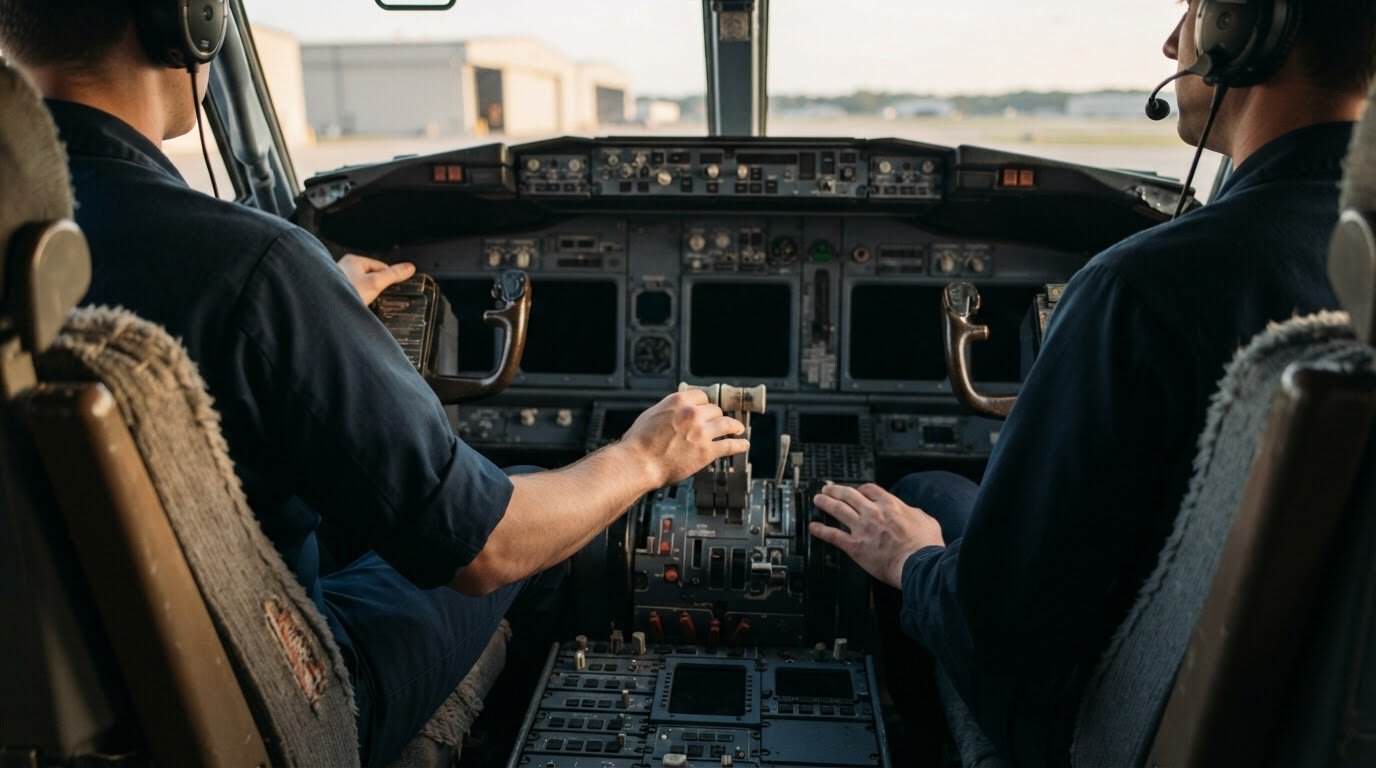
A major airline pilot’s annual pay in the United States can range from $98,680 to $450,000, with senior captains at the upper end. The major airline…

How international students get from SEVP-certified school search to I-20, M-1 visa, TSA vetting and FAA checkride, and what support to expect from a flight school.
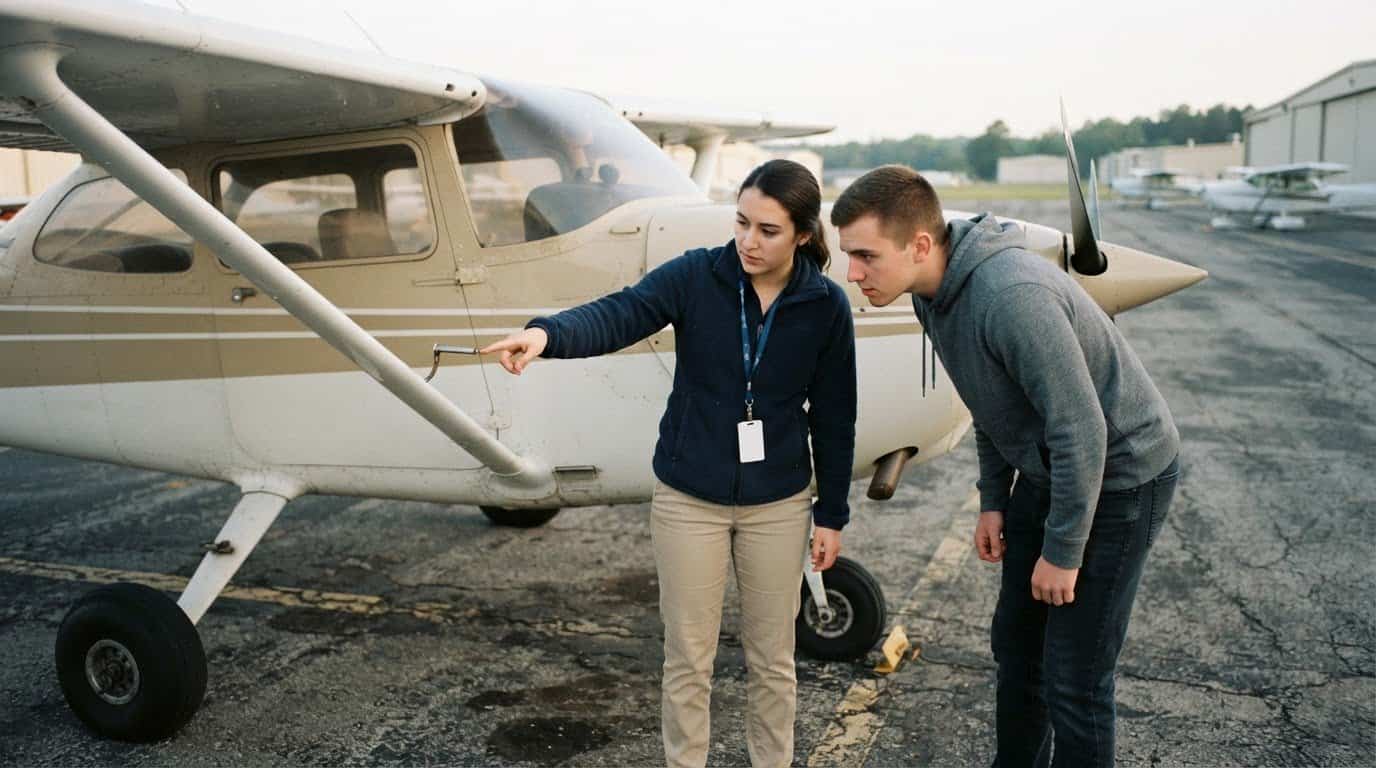
A pilot’s salary alone can’t tell you whether flight training is a sound investment. The pilot training return on investment depends on the full cost…

No FAA rule requires a college degree to fly for an airline. See what the FAA, Delta, United and Frontier actually require, and the fastest path to the cockpit.

Learn how to prepare for first solo flight with focused ground review, smart weather decisions, airport readiness, and the calm needed to fly solo safely.

Common student pilot mistakes include overcontrolling the aircraft, misjudging altitude, making unclear radio calls, rushing checklists, and training…

Tailwheel (taildragger) or tricycle landing gear? Compare ground handling, landings, visibility, the endorsement rule and which suits a career pilot’s training.

A short-sleeve shirt may feel comfortable, but a conservative suit and pressed dress shirt are the safer default for an airline pilot interview. The…

How an accelerated instrument rating works: FAA requirements, a realistic schedule, what drives cost, and how to prepare so a fast-track IFR course ends in a pass.

Compare the best aviation schools for international students by visa support, FAA approval, training speed, aircraft access, and clear airline career pathways.

An airline interview tests more than technical recall. Effective pilot interview preparation connects your aviation background, professional…

How an FAA certificate converts to an EASA licence: the BASA route for PPL holders, the full ATPL route for professionals, exams, medicals, fees and sequencing.

Calm checkride performance starts well before you arrive at the airport. A pilot checkride includes an oral discussion and a flight portion, where…

See how flight training outcomes improve when FAA Part 141 structure, consistent aircraft access, and career-focused milestones keep pilots moving forward.

How accelerated pilot training in Florida works, what shapes the timeline and cost, and what Part 141, checkrides and M-1 visas mean for your plan.

The answer to “Is there a pilot shortage?” in the United States is yes: the country is expected to face a shortfall of 24,000 pilots in 2026. The…

Schedule your FAA medical exam in the right order: MedXPress first, then an AME, then the exam. Covers class choice, costs, documents and rescheduling.

The medical rule is specific, but becoming a CFI involves several requirements. For an aircraft-based CFI practical test, you need at least a…

Schedule your FAA knowledge test: get your FTN, secure the endorsement, book through PSI, find a test center, and know how long your score stays valid.

Learn how in-house FAA checkrides work, who can take them, what FAA examining authority changes, and how a structured Part 141 path keeps training moving.

A failed instrument rating checkride isn’t necessarily a full restart: the retest is limited to the areas you didn’t pass, and you must receive…

Sport pilot or private pilot? Compare passengers, aircraft, medical rules, hours and cost under the 2025 MOSAIC rules, and learn which certificate fits your goals.

Low visibility doesn’t automatically end a flight plan, but it demands a different level of training. In the United States, an instrument rating…

Most students complete private pilot training in about three to six months, though the schedule depends on how often they fly and how quickly they…

Accelerated flight training compresses ratings into weeks or months. See how it works, what it costs, who it suits and how to judge a program before you enroll.

Learn how to obtain CFI certificate through FAA eligibility, CFI training, knowledge tests, endorsements, and the practical checkride for pilot careers.
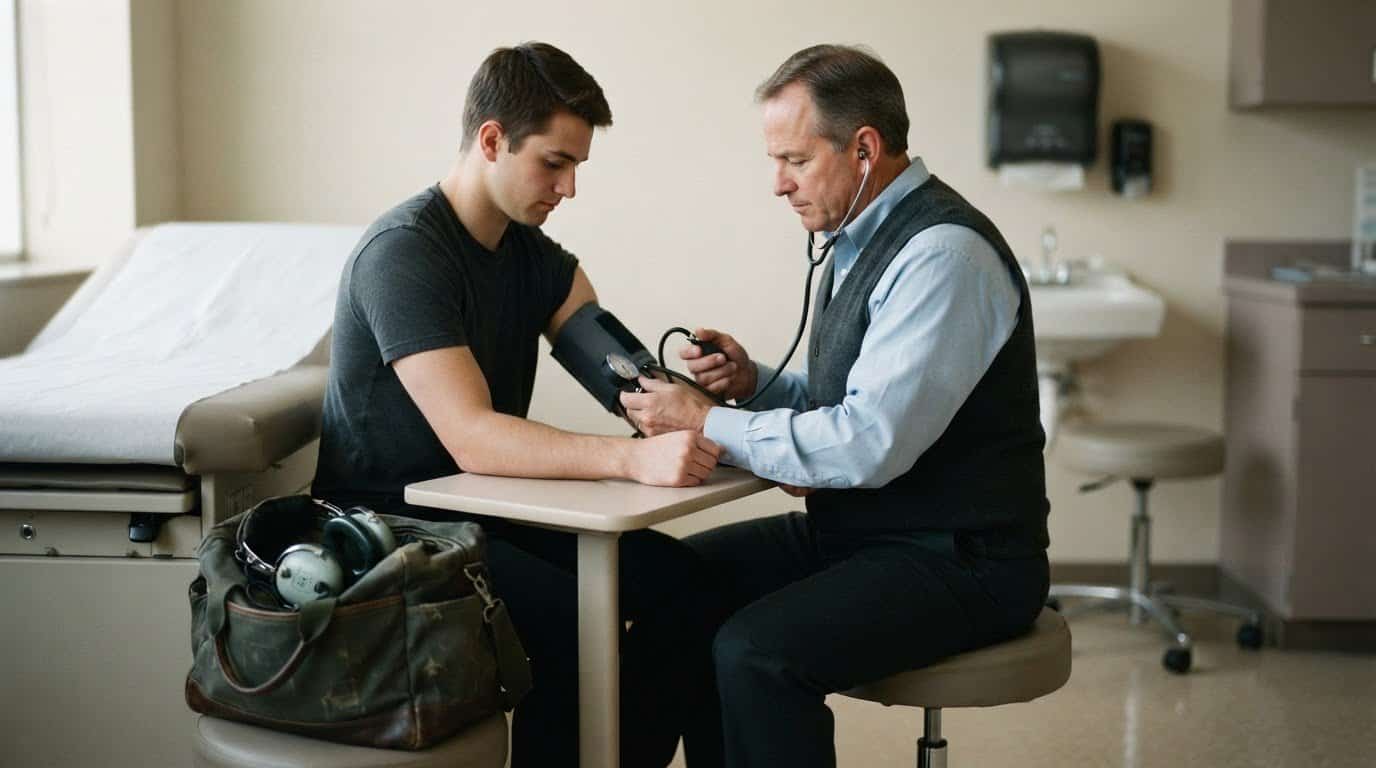
Your FAA medical certificate may be issued at your AME appointment if the required documentation has been reviewed and you meet the medical…

First-class vs second-class FAA medical: who needs each, how long they last, what the exam adds, and which one a student heading to the airlines should get.

Fast-track flight training is an intensive, structured way to progress toward pilot certification through a focused schedule of ground study and…

Pilot licenses define what you can fly and how far your aviation career can go. Learn the FAA path from private pilot to ATP certification in Florida.

Student pilot housing in Florida: what shared and private rooms cost, what is included, how close to live to the airport, and what M-1 students must know.

How an M-1 SEVIS transfer between flight schools works: eligibility, the six-month window, Form I-539, the new I-20, TSA vetting and mistakes to avoid.
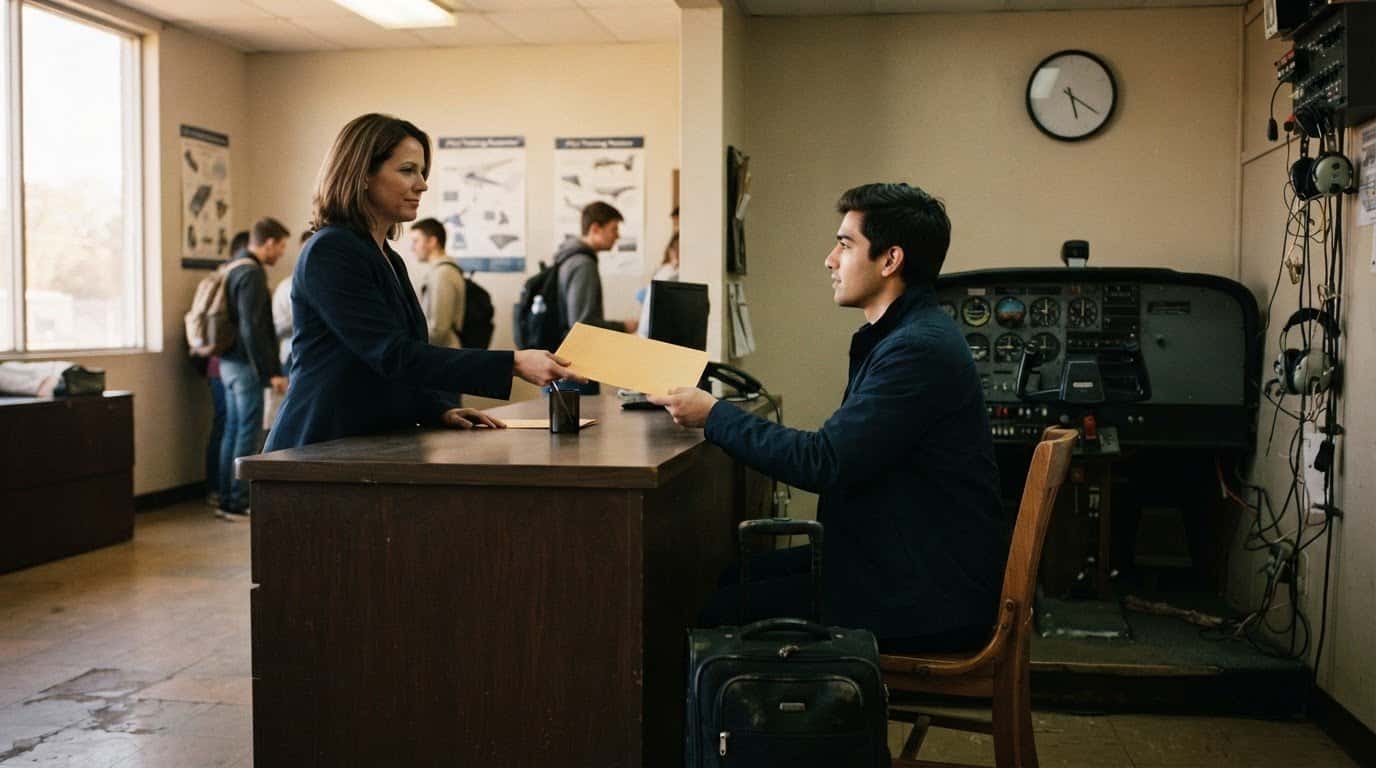
A flight school’s authority to issue your I-20 is a critical starting point for M-1 visa flight training. The program must be an eligible FAA Part…
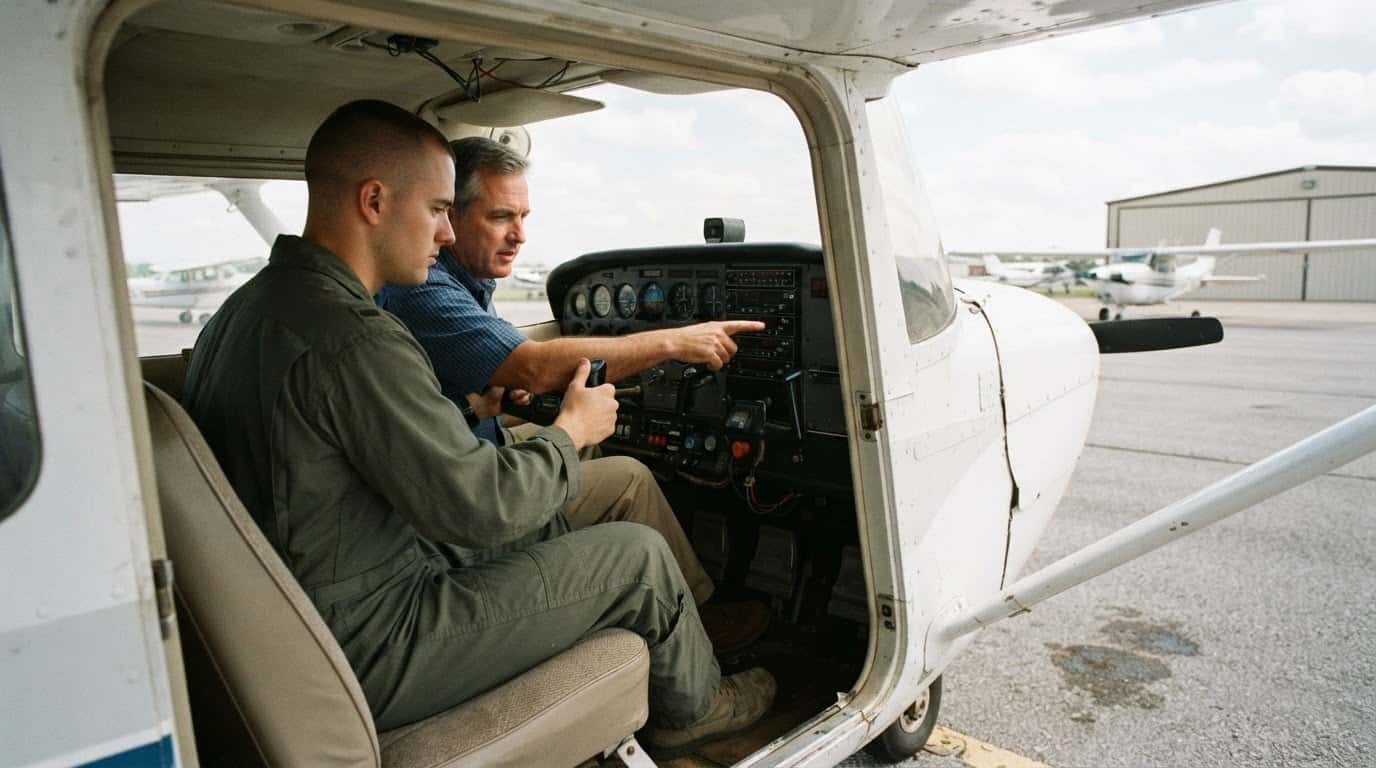
Military-to-civilian pilot transition challenges don’t automatically prevent an airline career, but military experience alone doesn’t mean you can…

Compare accelerated versus traditional flight training, costs, pace, structure, and career timing to choose the best route to your pilot career faster.

Changing to M-1 status for flight training from inside the U.S.: who qualifies, the I-20 and I-539 steps, what to avoid while pending, and what happens if you travel.
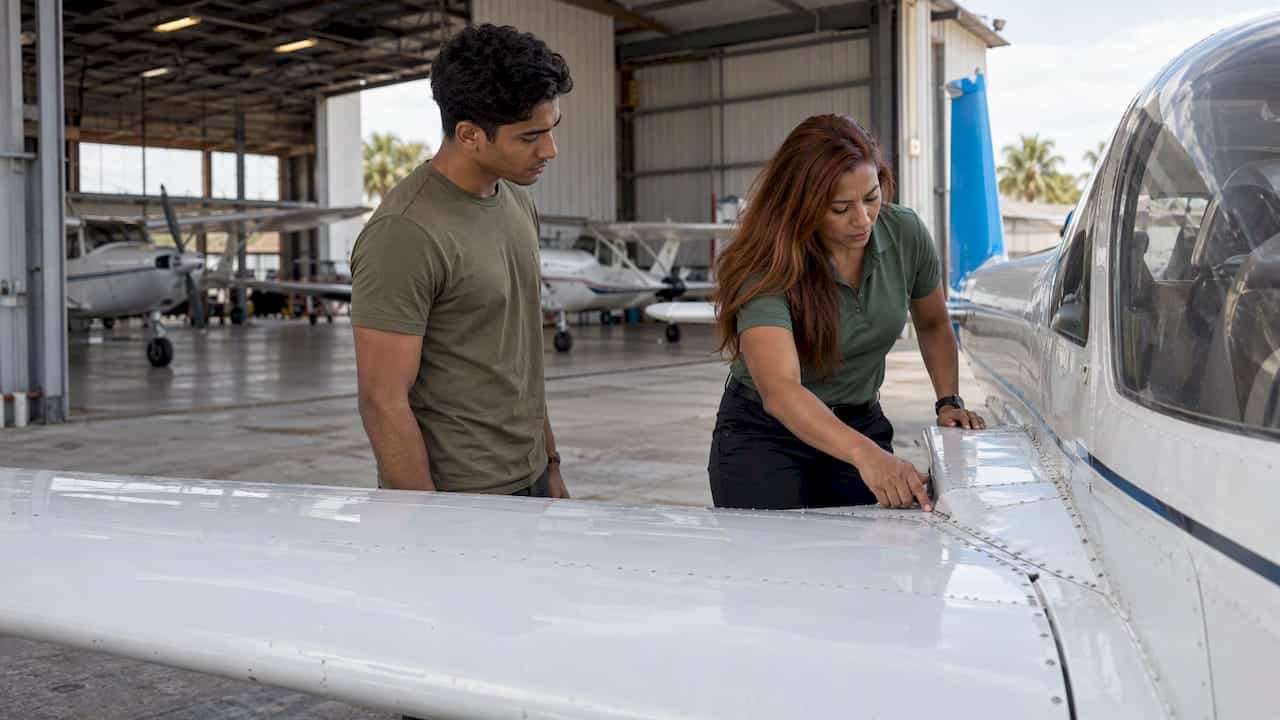
How safe is flight school? See what accident data shows, what Part 141 oversight guarantees, and which safety practices to check before you pay tuition.

Could choosing 141 training change how you learn to fly without guaranteeing a faster license or an airline job? The key distinction is that FAA Part…

A pilot career is easier to discuss with a plan than a promise. Convincing parents about a pilot career starts with a clear training route, a…

Compare airline academy versus college aviation training, costs, timelines, and career outcomes to choose the fastest route toward an airline pilot career.

Can you take EASA ATPL theory exams from the United States? Eligibility, registration through your ATO, pass and resit rules, credit validity and what comes next.

How strong is airline pilot demand in 2026? See the hiring forecasts, what drives them, and how to read them before you commit to flight training.

Speed is an advantage only when your schedule and learning habits can sustain it. The pros and cons of accelerated flight training turn on the same…

Use this EASA license conversion guide to map FAA certificates, exams, medicals, and skill tests into a focused European airline career plan abroad now.

What the FAA requires for night flight training: definitions, student solo endorsements, private and commercial night hours, currency and logging rules.

A day in the life of a student pilot is built around preparation, focused flight instruction, and careful review afterward. A flight lesson may last…

How many hours an instrument rating requires, how long it takes in calendar time, and what speeds up or slows down training under Part 61 and Part 141.

The ATP is the highest level of pilot certificate in the United States, and meeting the airline transport pilot certificate requirements means more…

Learn what medical certificate pilots need for private, commercial, CFI, and airline training, plus when to book an FAA aviation medical exam early, too.
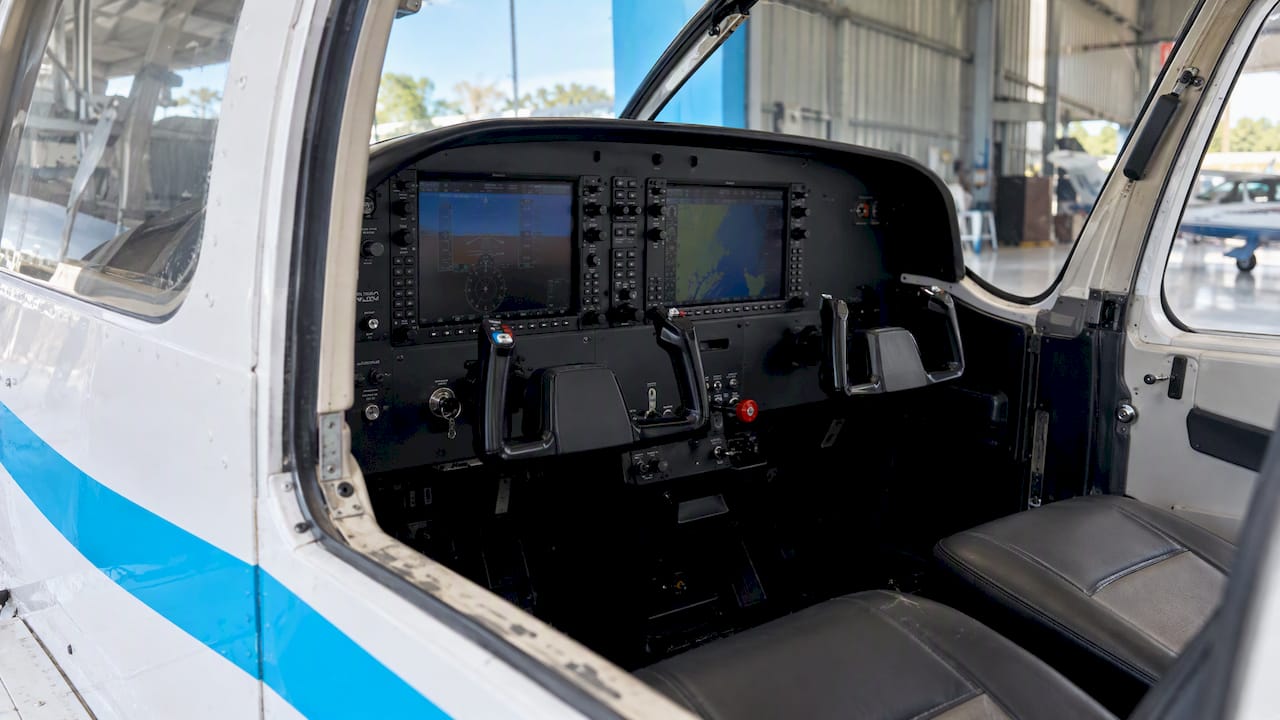
Glass cockpit training benefits for student pilots: better situational awareness, cleaner navigation and smoother transitions, plus the risks and how to train around them.
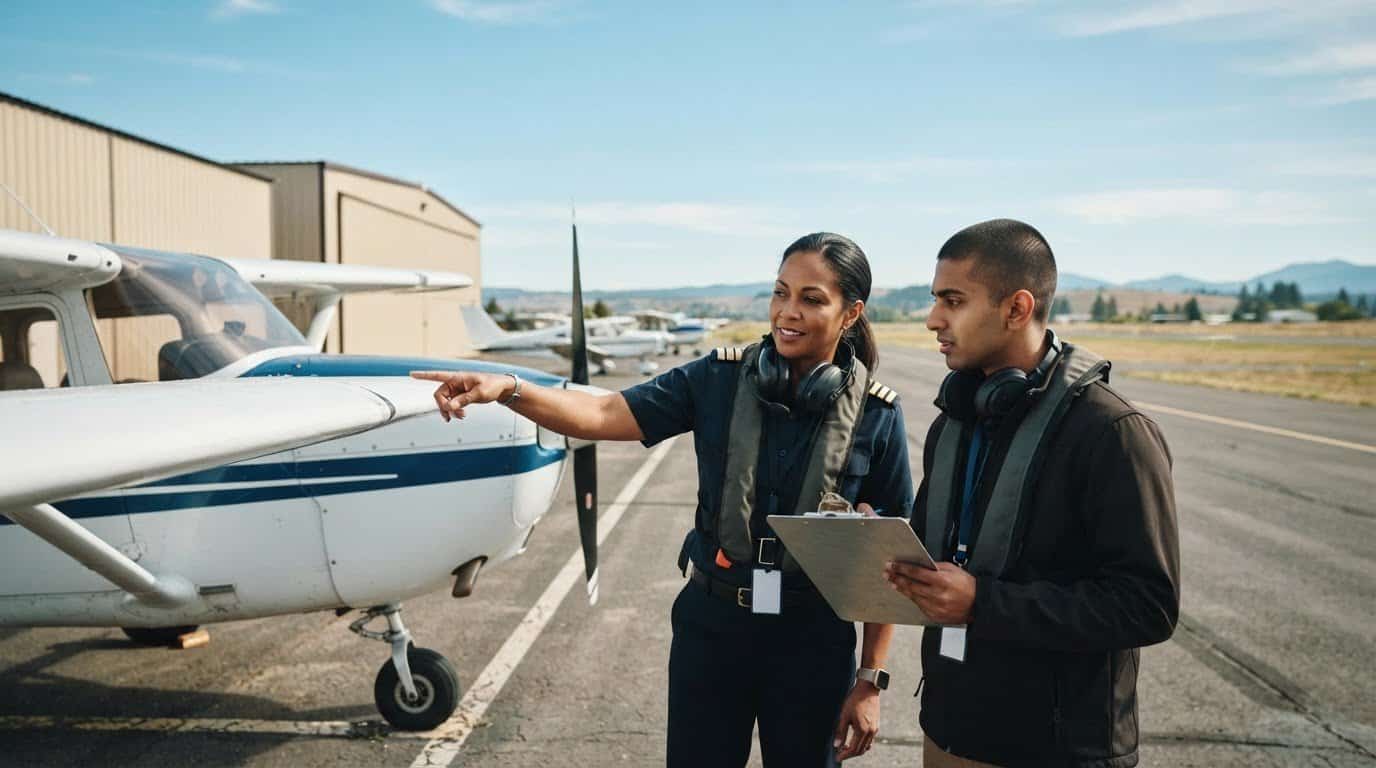
Teaching can be a strategic next step in a pilot career, not a pause in it. In the United States, a certified flight instructor course prepares…

How much simulator time the FAA credits toward your private, instrument and ATP requirements, which devices qualify, and how to log it so a checkride examiner accepts it.

A second career as a pilot is possible, but the training timeline depends on how intensively you study and build flight experience. Full-time…

International student experiences in U.S. flight training: visas, TSA steps, housing, FAA certificates, and the support that keeps career plans moving.

The CFI career path step by step: requirements, hour building, ratings that widen your options, job placement routes and how to move on to the airlines.

The instrument rating requirements set a training floor, not a guaranteed finish date: under Part 61, applicants need 40 hours of actual or simulated…

What U.S. flight instructors earn in 2026: hourly rates, state differences, pay structures, the CFI path to the airlines and how to finance training.

The private pilot checkride is only one part of earning a certificate. In the United States, private pilot license requirements include at least 40…

Commercial pilot outcomes depend on the right training sequence, flight time, checkride access, and a focused plan for reaching airline eligibility fast.

AFSP is now the TSA’s Flight Training Security Program (FTSP). See who must apply, the $140 fee, the 30-day timeline and the steps before flight training.

Yes, you can be a pilot with anxiety: an anxiety diagnosis doesn’t automatically disqualify you from flying. The FAA evaluates each case…
Modular ATPL vs integrated training compared on cost, time and risk, plus how ATPL maps to the FAA’s ATP and what U.S. students should choose.

Some medical conditions prevent immediate BasicMed eligibility, but they don’t automatically end a pilot’s path to flying. The pilot medical…
Training aircraft availability determines your training pace. See what affects scheduling, maintenance, and flight school progress for career pilots.

How a CFI certificate turns into an airline job: the 1,500-hour ATP rule, R-ATP options, realistic hour-building and the pay at the end of the climb.

A major airline is rarely a pilot’s first cockpit job. A typical pilot career timeline includes flight training, building experience to meet the…

How M-1 visa flight training works in the U.S.: Part 141 and SEVP requirements, TSA vetting, work rules, practical training and the steps to enroll.

The lowest monthly payment may not be the right way to choose how to fund flight training. The real test is whether the funding fits your…

Do airlines require degrees? Learn what U.S. carriers actually require, how FAA certificates and flight hours shape your path to an airline cockpit career.
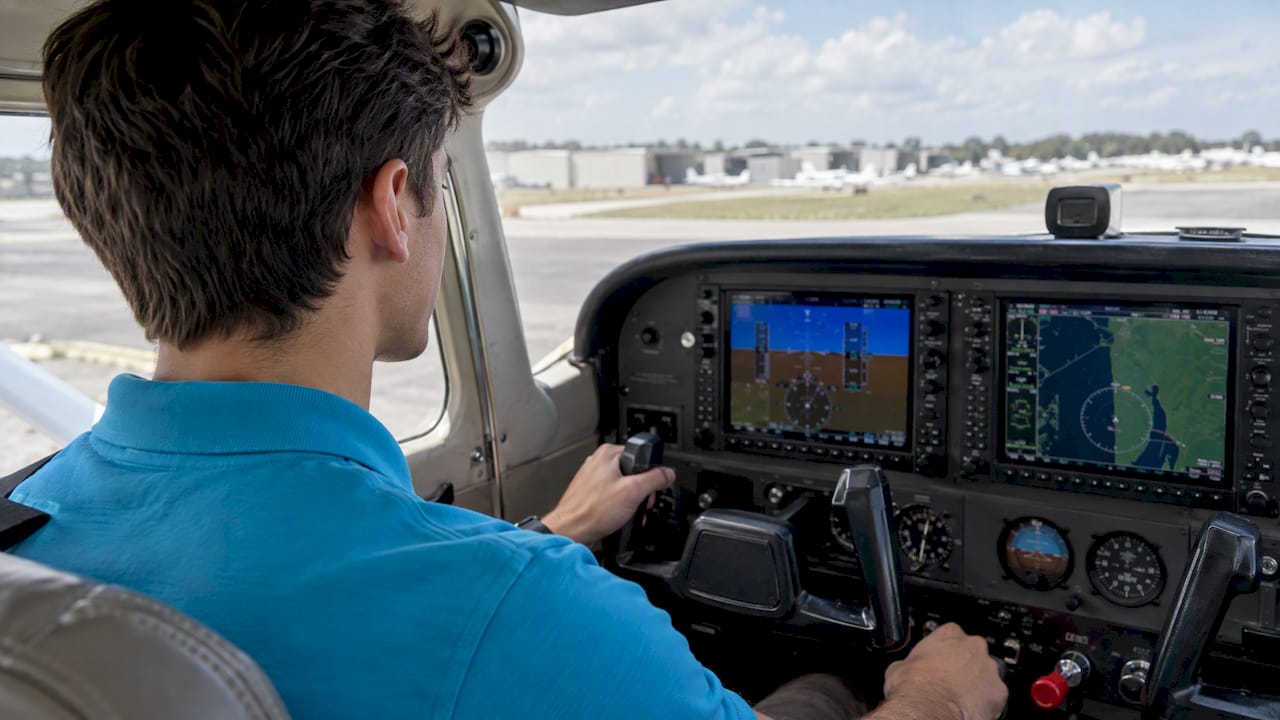
How to move from steam gauges to a glass cockpit safely: scan changes, system logic, simulator credit rules, and a training plan that builds real proficiency.
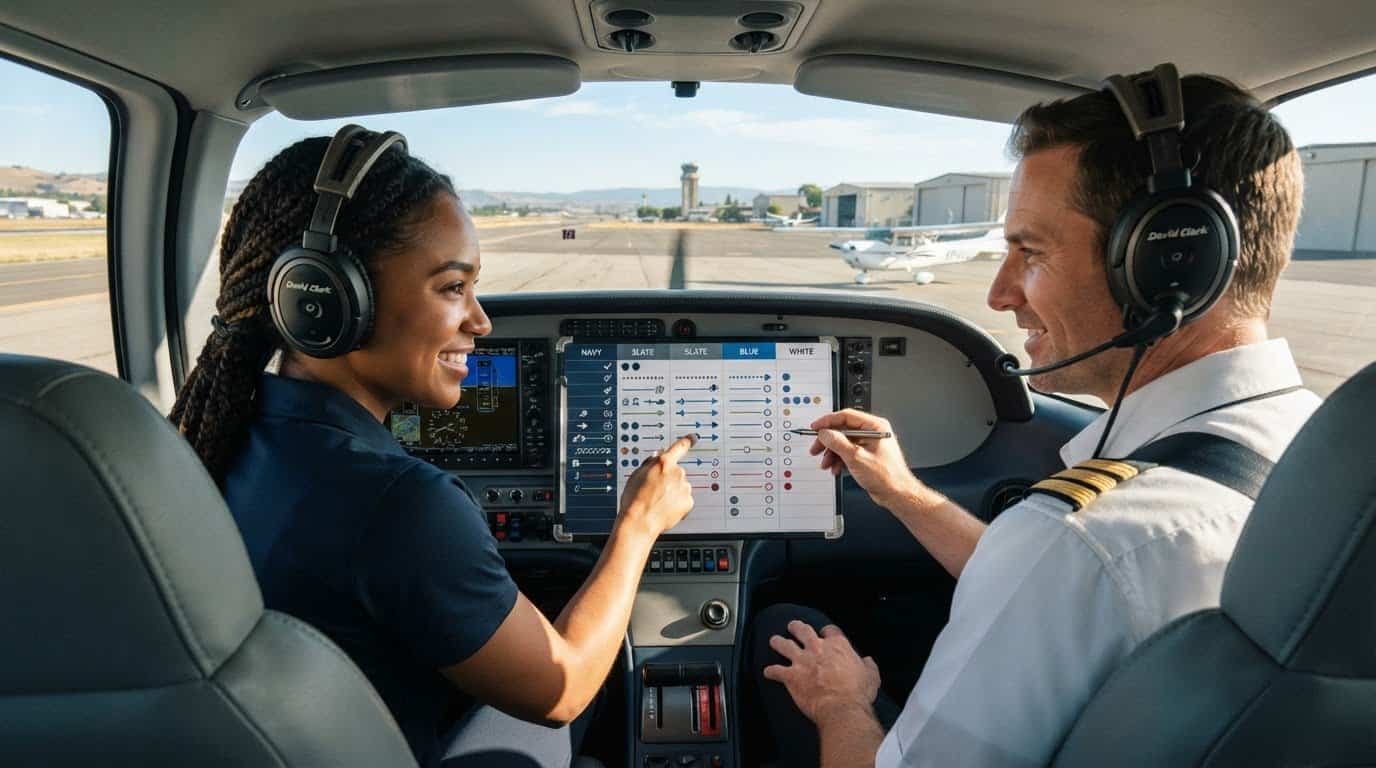
What if a fixed training price makes your budget easier to plan but doesn’t guarantee the same total cost for every student? That distinction matters…
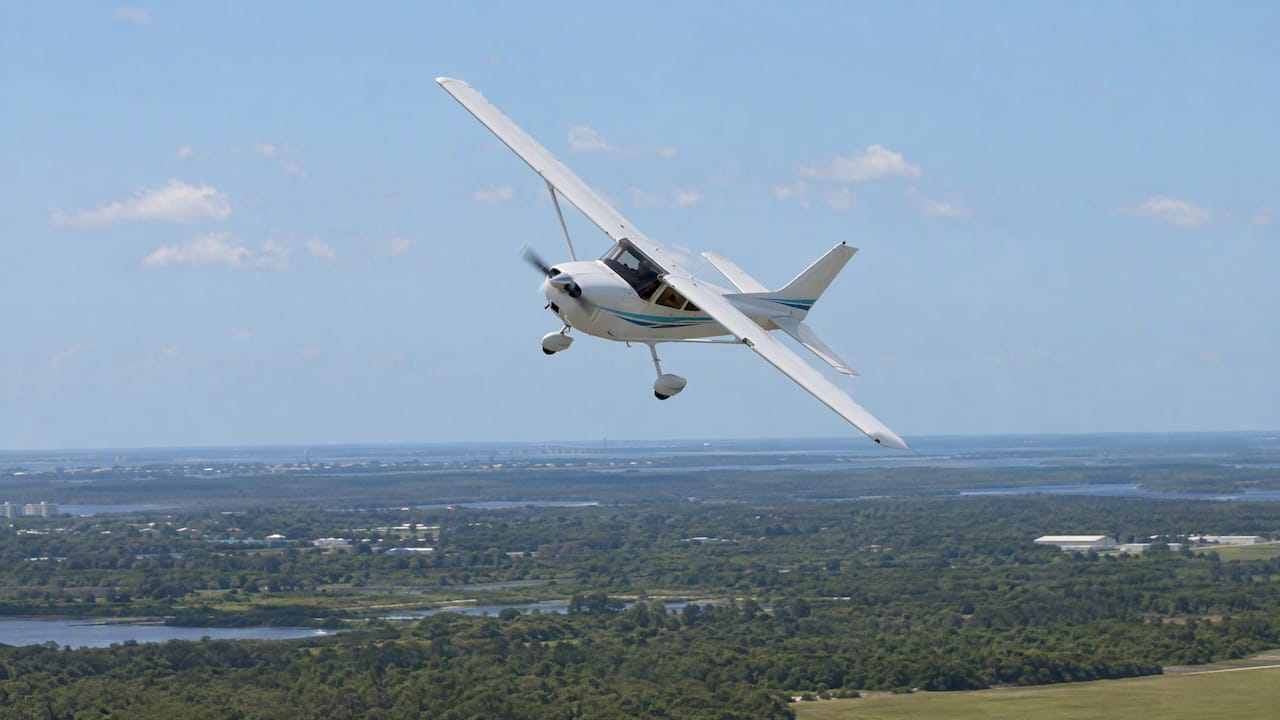
Compare accelerated commercial pilot training, check FAA eligibility, and see when a completed Part 141 course can reduce 250 hours to 190.

A well-planned flight-training goal can still run into problems if your visa file tells a different story. For international students, the m1 visa…

Compare the best FAA approved pilot programs for a fast, career-focused route from zero time to commercial, CFI, multi-engine, and airline training today.

Compare DPE and school examining for Part 141: learn who qualifies, how the 24 month rule works, and why in house checkrides may be easier to schedule.

Are pilots genuinely satisfied with their careers, or does the reality of the job outweigh the appeal? Pilot job satisfaction is more complex than a…

A pilot’s pay doesn’t rise by the same amount each year. It changes at career milestones. The pilot salary progression by year depends on when you…

Plan Florida flight training through hurricane season with afternoon thunderstorms, tropical threats, cancellations, and ways to keep lessons moving.

Airline training builds FAA certificates, flight time, and professional discipline for students moving from a first lesson toward an airline cockpit.

Compare online and classroom ground school for private pilots, with FAA rules, 2024 research, a provider checklist, and an accredited flight school path.

How to save money on flight training starts with planning for the full process, not simply comparing hourly rates. Weather, gaps between lessons,…

Compare single and twin engine aircraft by mission, cost, and capability, then weigh engine out handling, proficiency, and training steps before choosing.

What if managing flight training stress were treated as a flight skill, not a test of whether you belong in the cockpit? Balancing lessons, study,…

Use this international student enrollment guide to plan M-1 visa, TSA approval, housing, FAA training, and your commercial pilot career in Florida today.

Learn the FAA’s 20 hour simulator credit cap, the Part 142 exception for up to 30 hours, and how to verify device approval and log training correctly.

Airline pilot interview questions and answers are best prepared as evidence of how you assess risk, communicate with a crew, and make decisions under…

Learn how to request Florida practice approaches, log the six approaches required for FAA currency, plan around Orlando ATC, and train safely.

The fastest flight-training route may not be the fastest route to the left seat. If you’re asking how long to become an airline captain, plan for two…

Use this FAA Part 141 enrollment guide to compare schools, meet admission requirements, prepare documents, and begin a focused airline pilot training path.

M-1 flight students can open a U.S. bank account with a passport, Form I-20, and address proof. Learn how to apply without an SSN and when M1 Finance fits.

What should you decide first when considering aviation training for veterans: which certificate to pursue, or whether your benefit eligibility,…

What if a higher practice-test score still leaves you unprepared to make sound decisions in the cockpit? Learning how to study for pilot written…

FAA’s 1,500 hour ATP floor vs U.S. carrier hiring: what airlines value and legal routes to build qualifying flight time.

Military experience is a head start, not an automatic civilian credential. The right flight training for military veterans starts with identifying…

Learn how to fund flight training with savings, loans, scholarships, and a clear enrollment plan for career-minded professional pilots with confidence.

Compare five Florida training hubs, Part 141 readiness, simulators, housing, and in house FAA checkride options so you can choose the fastest airline…

Compare Florida Part 141 summer flight training, in-house checkrides, and realistic 8–10 week PPL timelines. See costs (including a $85,900 full PPL→ATP…

A first flight can put you at the controls, but it won’t, by itself, map out your path to becoming a pilot. If you’re searching “flying lessons…

A first officer’s pay isn’t one universal salary. If you’re asking how much do first officers make, 2026 estimates put first-year base pay at roughly…

What is FAA Part 141? Learn how FAA-approved flight schools deliver structured, accelerated pilot training and why it can speed your aviation career now.

Flight school primer: how modern trainer aircraft use simulators, high dispatch reliability, and certification to cut hours and costs.

The most familiar trainer isn’t automatically the best aircraft for flight training. A Cessna 172 may be a common starting point, but the right…

Risk-first travel checklist for M-1 visa students: confirm active SEVIS, a travel-endorsed I-20, and DSO steps to avoid denied reentry before you book.

Could a modest-looking trainer be the first step toward a professional cockpit, without being the whole journey? The Cessna 172 is closely associated…

Use this zero to commercial pilot guide to plan FAA training, build time, earn ratings, and prepare for a professional aviation career in Florida with confidence.

SEVIS first checklist for U.S. M-1 applicants: the five cost categories your I-20 must list, acceptable documents, and flight school funding examples.

What if the cloud you can see is only a small part of the weather decision you need to make? For student pilots, clouds offer useful clues, but they…

Pay the $350 I-901 SEVIS fee at FMJfee.com before your visa interview. Learn exact timing, how to confirm SEVP/FAA Part 141 status, receipt tips, and FTSP…

Learn how to choose a Part 141 academy with the aircraft, approval, pace, checkride access, and career focus needed to move toward an airline cockpit.

Learn how U.S. Part 141 schools earn examining authority, meet the 24 month, 90% pass rule, and prepare students to cut checkride wait times while keeping…

Yes, you can earn an FAA pilot certificate as a foreigner, but choosing the wrong training pathway or starting steps out of order can delay your…

Could an approved flight school still leave your chosen training program outside GI Bill coverage? Yes. Approval can apply to a specific program, not…

A regulation-first checklist for CFI checkrides: follow §61.183 and AC 61-67C, rehearse AFM-specific spin drills, and secure the required logbook endorsement.

Use this FAA medical certificate guide to choose the right class, prepare for your exam, avoid delays, and protect your professional pilot career path.

Airline ops and maintenance: link DOT/FAA and ASPM/BTS data with Monte Carlo models and six concrete fixes to improve dispatch reliability.

An FAA-certified flight school isn’t automatically approved for every GI Bill-funded course. Before using post 9/11 gi bill for flight training,…

Get a spreadsheet ready budget for U.S. student pilots: line-item fees, three worked examples (lean, typical, conservative), and contract safeguards to…

Faster training can compress the calendar, but it can’t erase flight-hour requirements, proficiency standards, or the distinction between career…

Find FAA checkride slots in Florida faster. Learn how to cut weeks of wait, estimate DPE fees, and choose in house testing for predictable scheduling.

Pilot training for future airline pilots: learn the FAA certificate path, accelerated options, costs, and the discipline required to launch a career now.

The lowest-rent option may not be the best fit for an intensive training schedule. When comparing student pilot housing options, look beyond rent:…

Compare accelerated and traditional flight training for career focused U.S. pilots. Get straight answers on time, cost, fatigue, Part 141 vs Part 61, and…

Can you come to the United States for professional flight training, and what needs to be in place before you travel? Pilot training for non-US…

Choose CFI or CFII first with a U.S. career framework. See three instructor paths, a 60–90 day sequencing option, and in house checkride tips.

Plan your commercial pilot training timeline from first lesson to CFI and ATP eligibility. See what speeds progress and what can delay your airline career.

What if the airplane you train in matters less than the discipline you build behind the controls? Cessna 172 flight training gives students a…
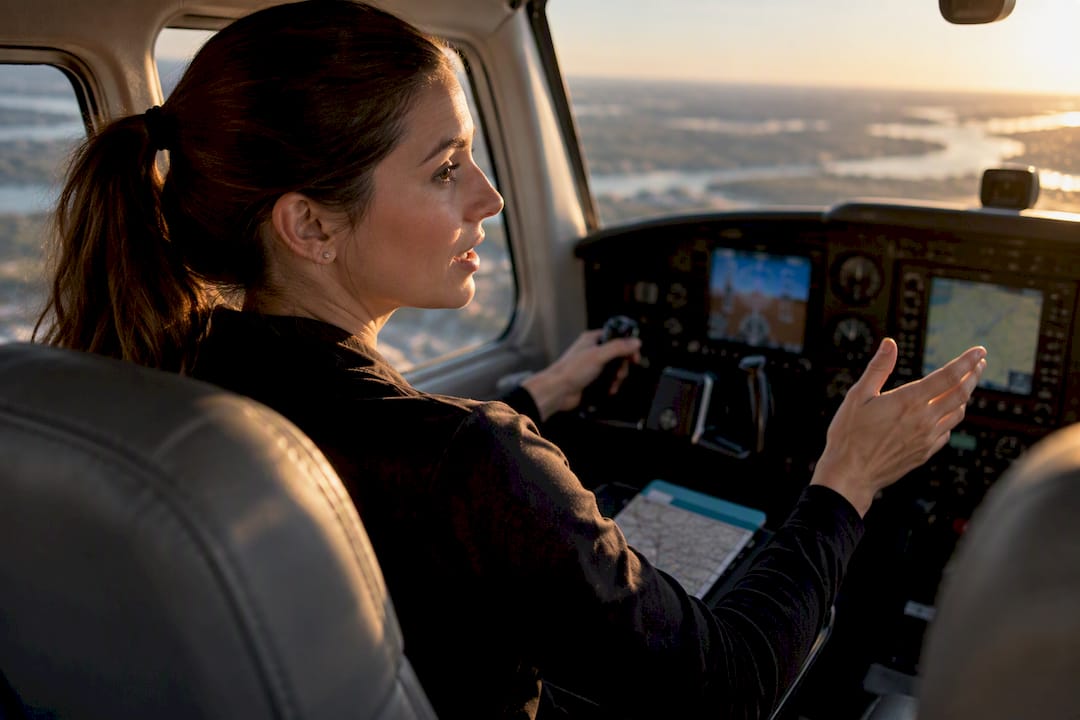
A teach-first 30 day plan tied to FAA-S-ACS-25 and the Aviation Instructor’s Handbook. Build one page lesson plans, rehearse right-seat teaching, and run…

Thirty is not too late to pursue the flight deck. A career change to pilot at 30 is possible under FAA age rules, which set no maximum age for…

Compare self examining versus external checkrides for FAA pilot training, including scheduling, standards, costs, and the right path to career speed today.

Use an 8 week U.S. plan from free desktop trainers to FAA approved ATDs and in air lessons. Verify device LOAs and avoid checkride delays.

Commercial aviation glamour is not an entry-level entitlement; it is an operational privilege earned through unyielding discipline and years of…

See current U.S. checkride waits (typically 3–6 weeks) and steps to shorten them: book 4–6 weeks early, search wider, or test in house.

An unexpected deferral from an Aviation Medical Examiner doesn’t mean your airline career is finished before it starts. While the FAA processed…

Academy checkrides versus DPEs can shape your training timeline. See how in-house FAA examining authority helps career pilots stay on track from day one.
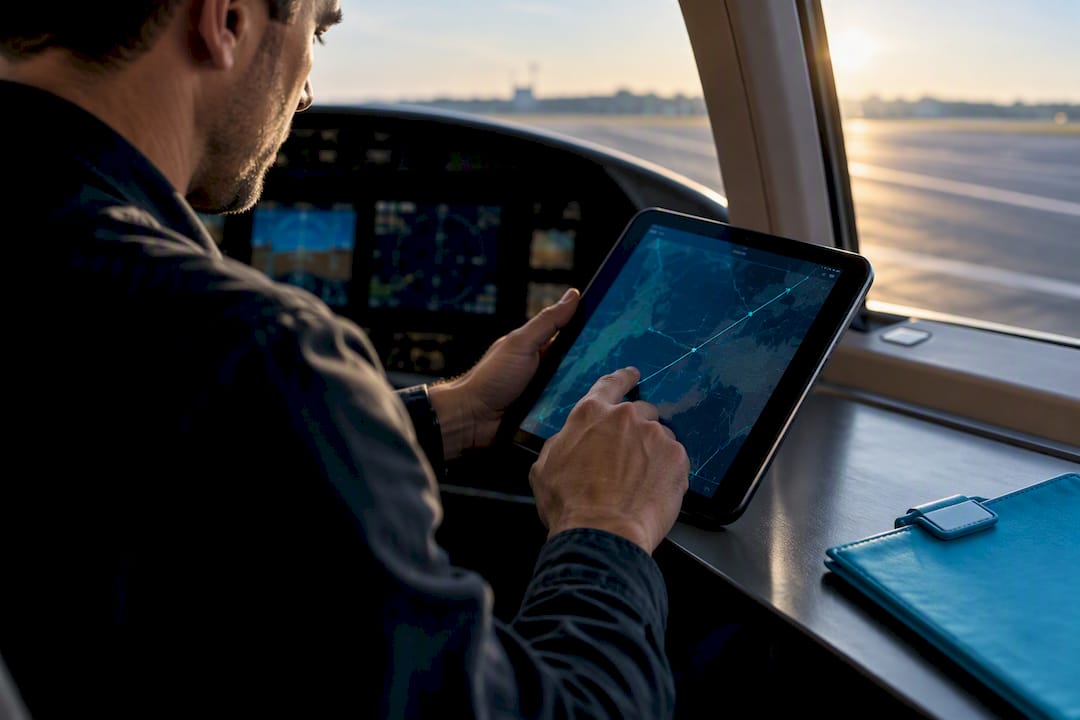
FAA guidance for U.S. instrument applicants: plan and log the required 250 NM IFR cross‑country with three different approaches, ForeFlight and logging tips.

According to data from the Aircraft Owners and Pilots Association, up to 80% of prospective aviators abandon flight training before earning their…
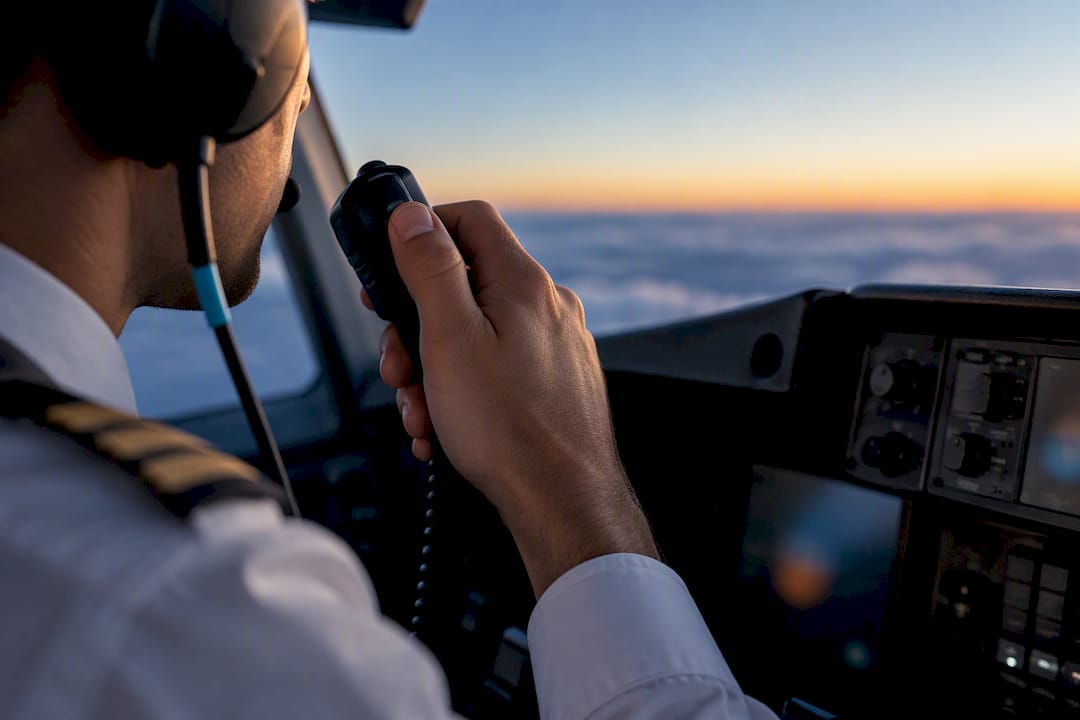
Practical, U.S. aware guide to clearing ICAO English Level 4: focus on the six assessed skills, exam format, reassessment timing, and test-day prep that…

A single calendar day on a Master Seniority List can represent a $500,000 difference in lifetime earnings and determine whether you spend the next…

Pilot financing can turn flight training into a structured career plan. Compare funding options, manage total costs, and choose an FAA-approved school.
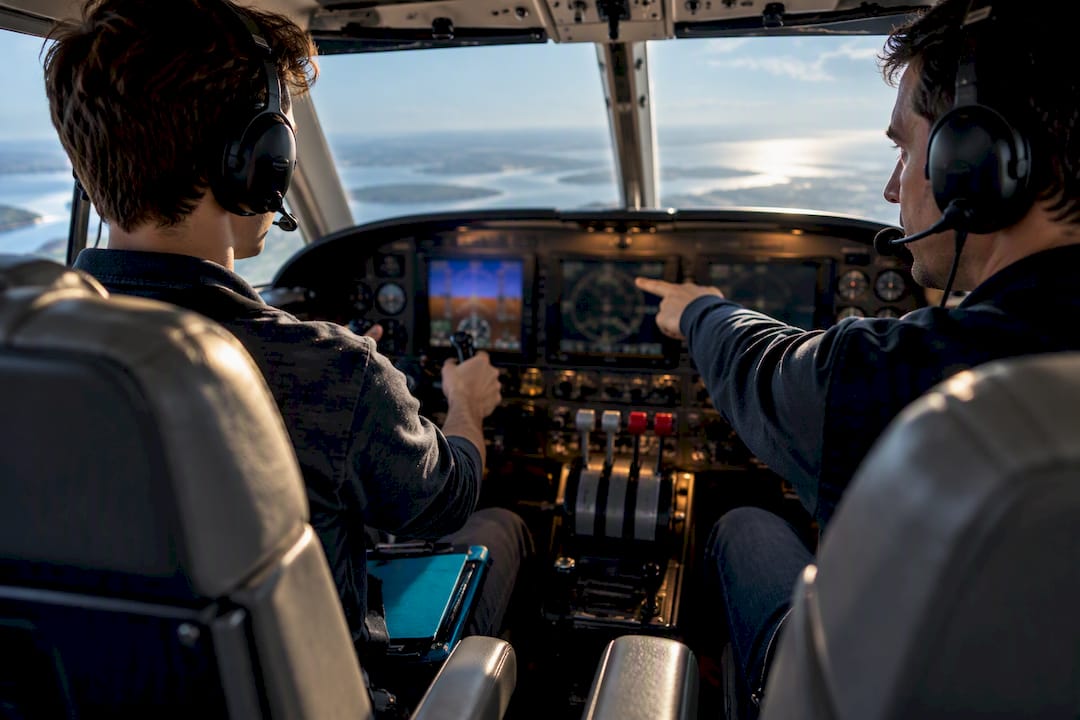
Decide whether to add CFII or MEI next. This U.S.-focused guide maps three instructor archetypes to the best sequence, costs, timelines, and a fast-track…

In 2026, the distance between a regional cockpit and a mainline flight deck isn’t measured in miles, but in the precision of your professional…

Treat checkride anxiety as a retrieval issue. Use timed mock orals, stress inoculation drills, and the 4:6 breathing reset. Rehearse in house.

In the high-stakes arena of commercial aviation, your choice of flight school isn’t just a training decision; it’s a high-impact career move that…

Mission first guide for pilots: pick high or low wing based on fuel, visibility, maintenance, and training. Transition typically takes about 5 to 10 hours.

Learn how to meet commercial pilot eligibility, from age, medical, training, and flight-hour rules to the ratings that start a professional career today.
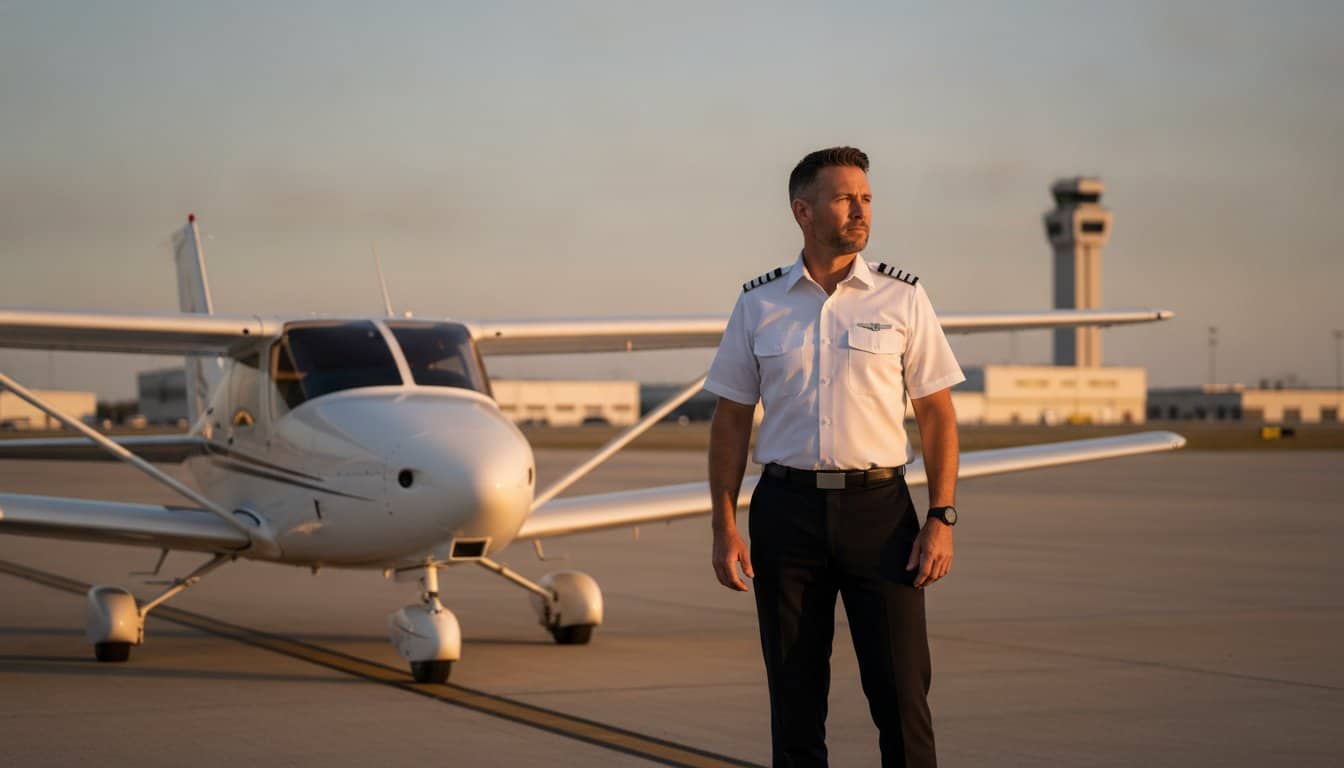
By the time most professionals reach age 40, they mistakenly believe the window for an elite aviation career has closed, yet the reality in 2026 is…
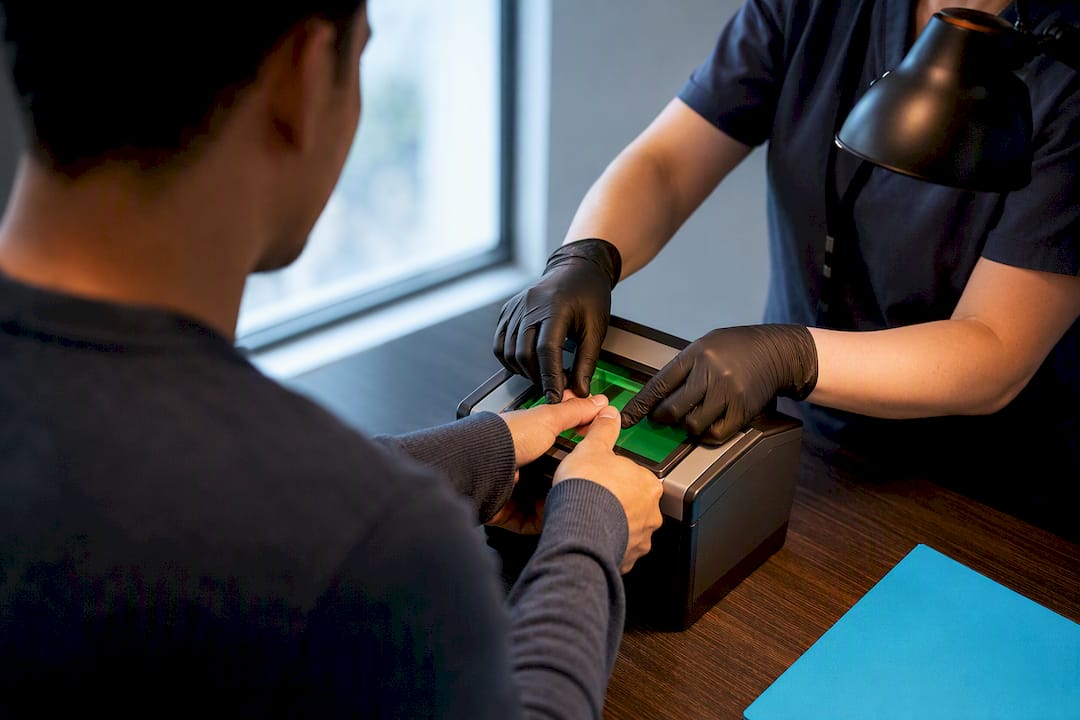
U.S. playbook for international students: start FTSP at least 60 days out, submit two prints, and use flight school support.

The cockpit of a commercial airliner is not a place for the casual enthusiast. It’s a high-stakes environment where only those who master the…

See how international students train pilots in the United States, from M-1 visa planning and TSA clearance to FAA certificates and focused career planning.

Treat your logbook like a legal résumé: log flights the same day, keep paper endorsements plus a synced digital backup, and carry a one-page summary…

Did you know the median airline pilot salary in the United States has reached a record $226,600 as of late 2026? For many aspiring aviators, the path…

In 2026, the aviation industry is projected to hire approximately 8,000 pilots, marking the third-most aggressive recruitment year in U.S. history….

FAA-focused guide for CFI candidates on spin endorsement training: what the rule requires, study and teaching tactics, typical $400–$800 cost, and…

Admission to a premier flight academy isn’t a mere registration process; it’s a high-stakes vetting operation designed to filter for professional…

Pilot visa interview tips for U.S. flight students: verify I-20 and I-901 SEVIS details with your DSO, show full funding, and track TSA AFSP clearance to…

Part 141 schools offer structured, FAA-approved pilot training. See how the right program can move you from first flight to a professional cockpit faster.

In the high-stakes arena of commercial aviation, choosing your training path isn’t a matter of preference; it’s a cold-blooded calculation of career…

Use a printable weighted checklist to score U.S. flight schools on five priorities during discovery visits and verify their FAA records before you commit.

Your GI Bill is a high-value strategic asset, but deploying it into a fragmented flight school without a clear mission plan is a tactical error that…

Answer four budget and timing questions to choose a U.S. cadet program or independent training. Compare costs, type rating risk, and bond terms.

Learn how to choose flight academy training with FAA approval, aircraft access, clear costs, and a fast path from first lesson to airline career goals.

Your remaining military entitlement isn’t a mere benefit; it’s the high-stakes tactical capital required to fund your final ascent into a…

An FAA compliant playbook that uses CFI pay, safety pilot splits, and time blocking to reach airline minimums faster, with an accelerated academy option.

With major U.S. airlines projected to hire over 14,500 new pilots in 2026, the window for a high-velocity career transition has never been more…
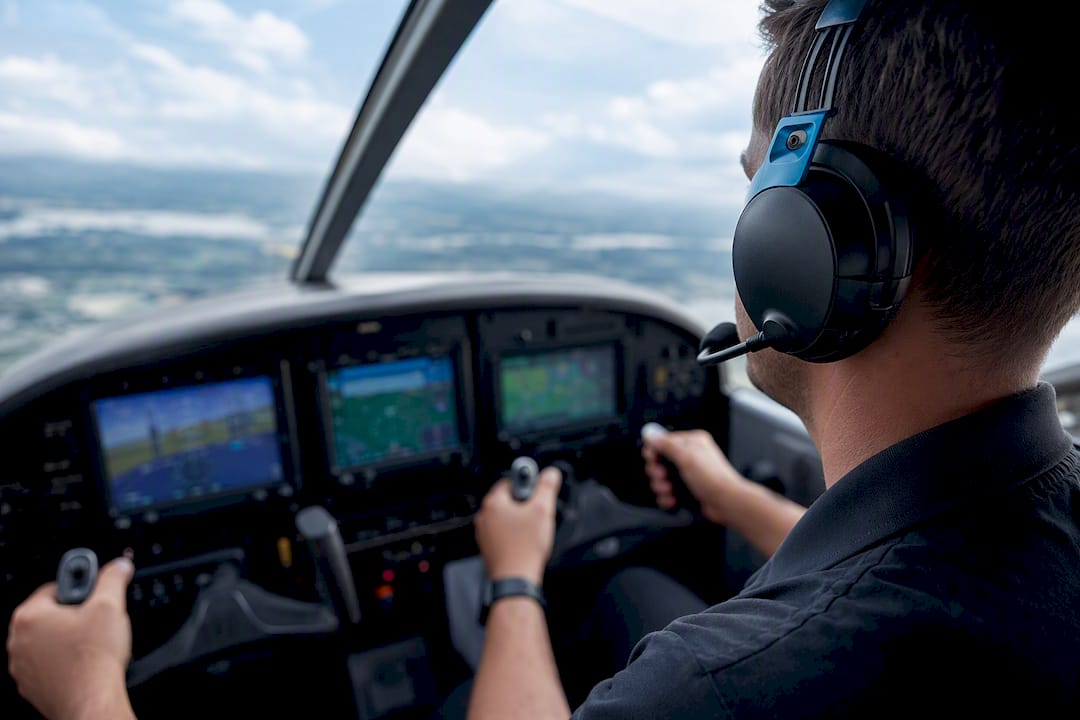
Use an ACS aligned final two weeks plan: daily approach briefings, a 1.5–2 hour mock oral and a full mock flight with your CFII to close skill gaps and…

Train for a commercial pilot career with FAA-approved structure, accelerated timelines, in-house checkrides, and a clear route to airline qualifications.

Why do most veterans exhaust their GI Bill benefits before they ever reach the 1,500-hour mark required for a commercial flight deck? For the…

U.S.-focused M-1 vs F-1 comparison for international flight students. Learn which visa fits your program, work rights, 30 Day entry rule, and M-1 limits.
Using your GI Bill to fund your initial Private Pilot License is the fastest way to exhaust your benefits before you ever reach a commercial cockpit….

Compare pilot career path options, training milestones, time-building routes, and professional flying jobs to plan a focused airline career from Florida.

See FAA first‑attempt benchmarks (75–82%), why a $300–$500 mock in the final seven days boosts first‑time odds, and how an in house workflow can top 90%.
In 2026, your career velocity is determined less by natural talent and more by the structural integrity of your training institution. Selecting a…

Condensed 2–4 week plan for pilots: build 8–10 STAR/TMAAT stories, run focused technical refreshers, and rehearse realistic mock interviews one hour a day.

The M1 visa interview is not an administrative hurdle; it’s your first professional check-ride where you must demonstrate command, intent, and…

Choose a Florida aviation academy built for speed, FAA approval, and a direct path from first flight to commercial and airline pilot training fast, focused.

Choose the right yoke or joystick for training goals with advice for sim and student pilots, and why rudder pedals are the priority upgrade.

The “flight factory” model is no longer the gold standard for aspiring aviators who demand professional precision and financial transparency. While…
With the U.S. pilot shortage projected to peak at 24,000 vacancies in 2026, the aviation industry is desperate for new talent, yet the $150,000 price…

International pilot candidates: secure an M-1 I-20 on time. Confirm SEVP/Part 141 eligibility, avoid SEVIS ID mismatches, and time TSA AFSP clearance.

Learn how to build flight hours with a focused FAA training plan, smart time-building choices, and a clear route from commercial pilot to CFI and the ATP.

What if the greatest risk to your aviation career isn’t a mechanical failure at altitude, but the predatory interest rates of a standard training…
FAA aligned lesson by lesson commercial pilot syllabus for Part 61 and Part 141. Sample schedule, sequencing tips, and checkride prep.

The standard path to a commercial cockpit is intentionally designed as a high-stakes filter, and for many veterans, the most formidable barrier isn’t…

FAA ACS for U.S. checkride candidates: decode AKTR codes, fold K/R/S into lessons, rehearse oral and flight questions.

What if your flight training budget wasn’t a gamble against rising fuel costs and instructor turnover? For many, the central question of whether is a…

Use this pilot academy comparison to assess Part 141 approval, aircraft access, checkride control, training speed, cost, and career-ready credentials.

Plan your FAA path with realistic timelines: 18 to 36 months full time or 3 to 5 years part time, plus the 1,500 hour bottleneck, costs, and financing.

Practitioner led plan to pass all 14 EASA ATPL theory exams. ECQB verified schedules, subject tactics and sitting rules to avoid restarting.

In an industry where 359,151 student pilots are currently vying for a seat in the flight deck, the greatest threat to your professional progression…

The path to a commercial cockpit isn’t measured by how many hours you spend in the air, but by the rigor of the oversight governing every minute of…

Compare airline cadet versus independent training for cost, speed, flexibility, and airline career access before choosing your professional pilot path.

Debunk the 60 day myth and learn what §61.49 actually requires for U.S. checkride retests. Required forms, examiner expectations, and a 5 step prep plan.
Treating professional aviation training as a variable “pay-as-you-go” expense is a strategic failure that often leads to depleted funds before a…

Clear breakdown of FAA §61.109 for U.S. PPL applicants: 150 NM solo rule, 3 hours dual, 5 hours solo, night minima, and a flight endorsement checklist.

Over 53% of current U.S. airline pilots are aged 50 or older, meaning the industry is facing a massive, mandatory retirement wave just as median…

Can M-1 students work in the United States? Learn the limited rules, what counts as authorized training, and how to plan finances before flight school.
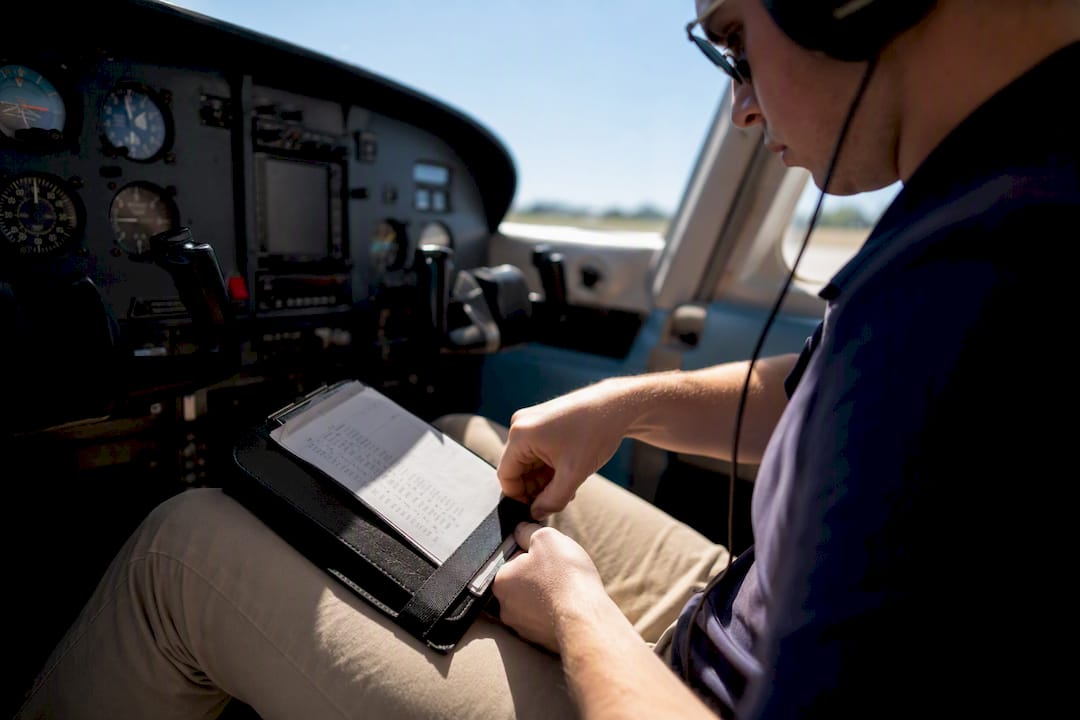
Checklist for U.S. private pilot checkrides that readies you for examiner scrutiny: ACS aligned maneuvers, a kneeboard four part flow, and ±50 feet…

The “fixed cost” estimate provided by a high-volume flight factory is often the most volatile variable in a pilot’s professional development. Many…
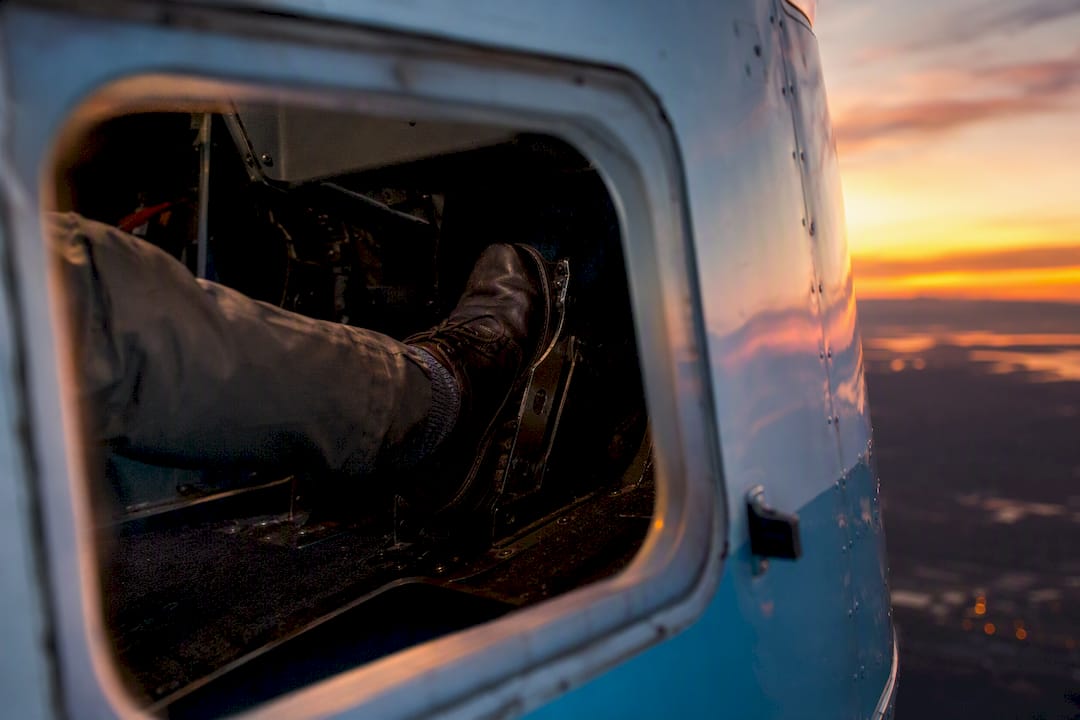
Discover how the multi engine VMC demo underscores the importance of airspeed discipline in maintaining control during critical engine failures.
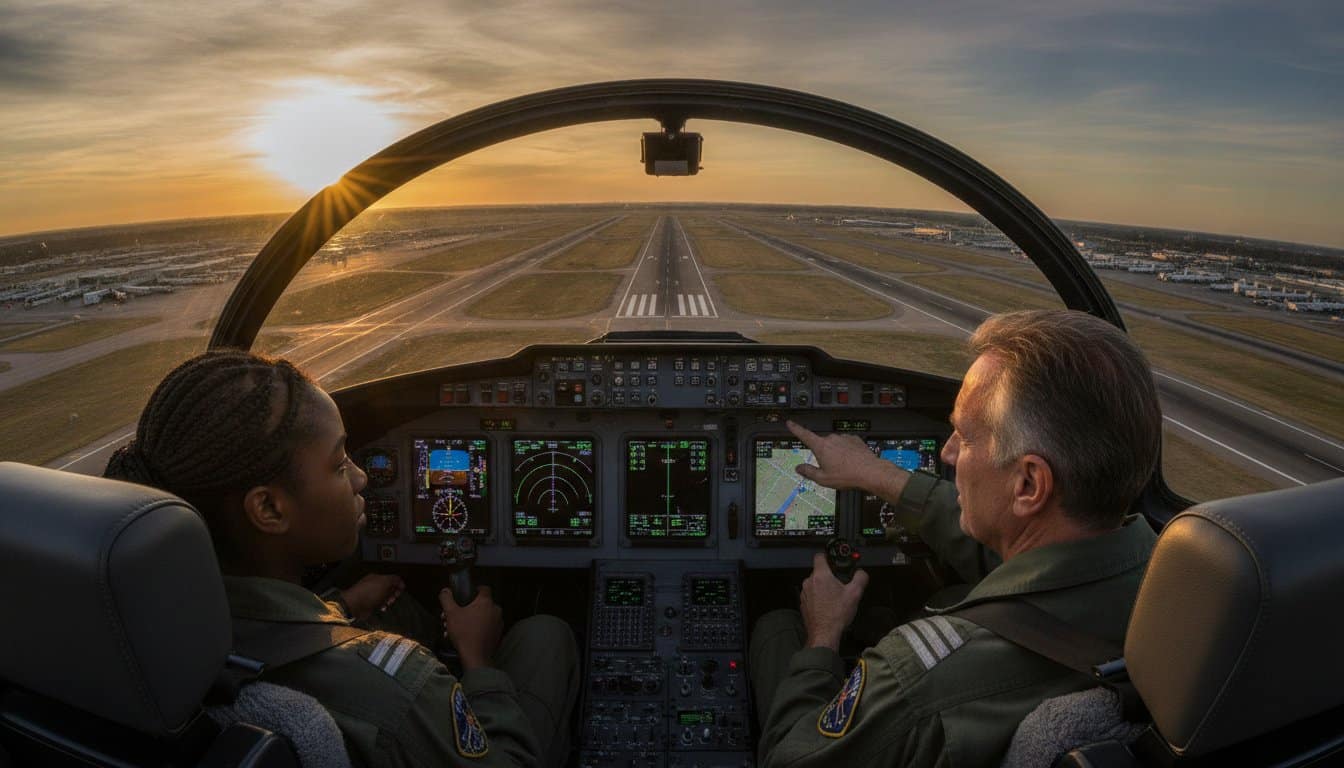
The most expensive mistake an aspiring aviator can make in 2026 isn’t choosing a high-prestige academy; it’s failing to account for the hidden…

Career transition stories show how focused FAA flight training can move determined professionals from old routines toward airline pilot careers faster.
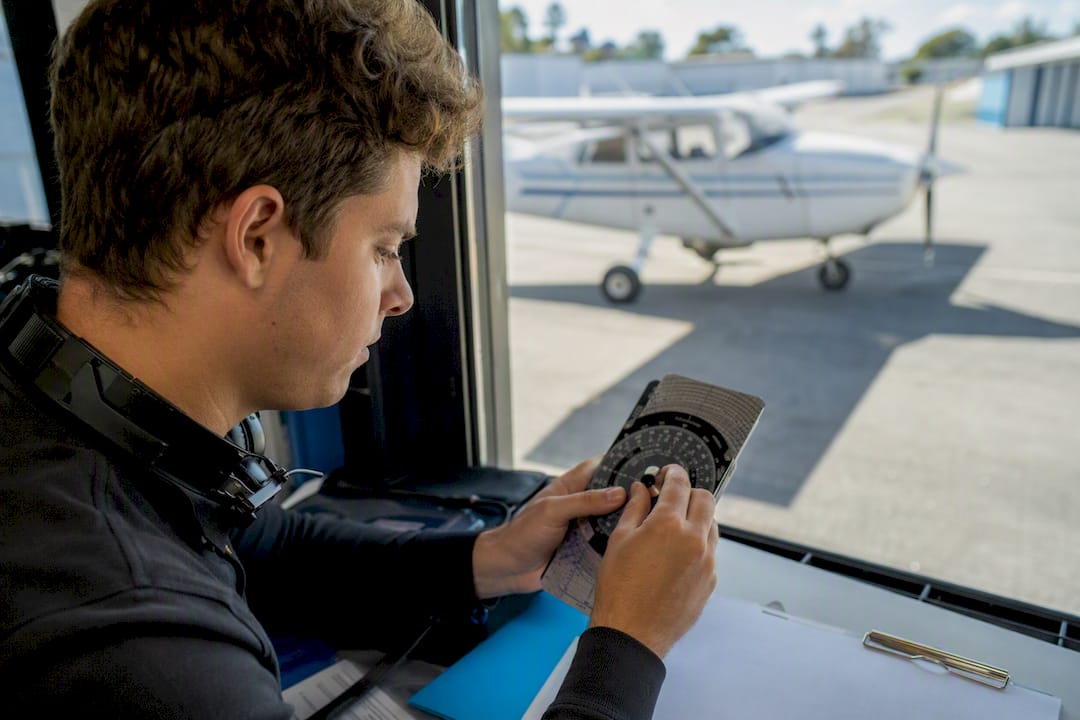
Discover the current checkride pass rate for FAA practical tests and how it impacts your training. Prepare effectively for your test today!

The most expensive mistake an aviator can make in 2026 isn’t a technical error in the cockpit; it’s selecting a training model that prioritizes…
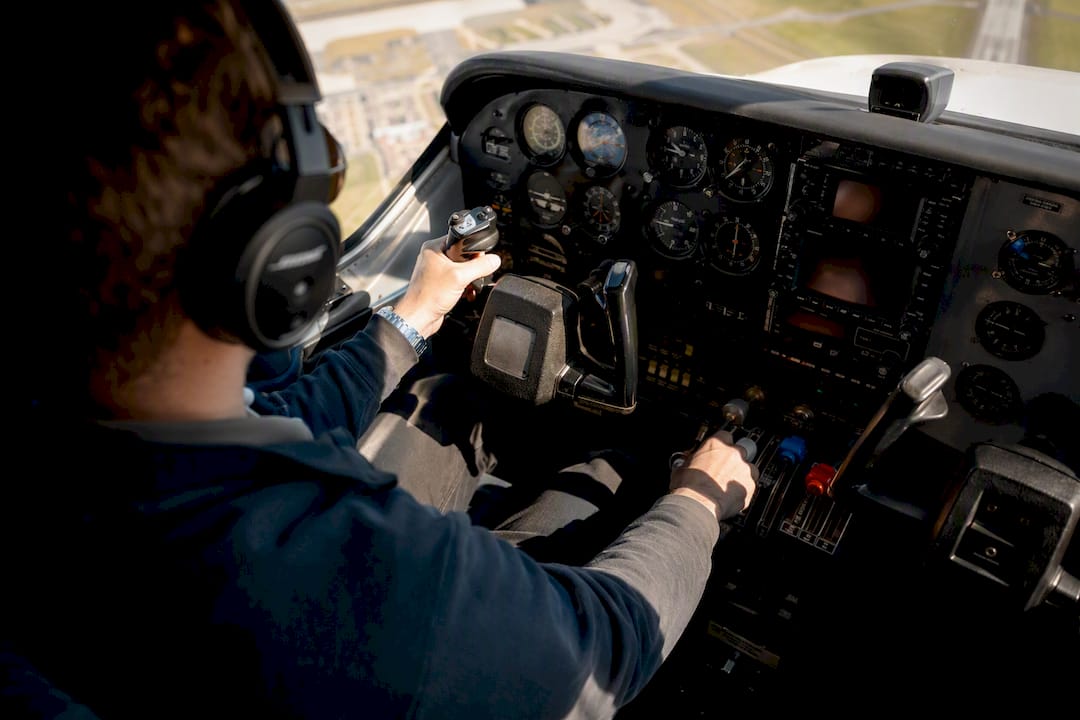
Ace your FAA multi-engine checkride with focused prep strategies. Master key skills, practice diligently, and enter your test with confidence.

Checkride success stories reveal what separates pilots who arrive prepared from pilots who hope for the best. Train with a clear, career-focused plan.

Learn when to log cross-country time under FAA rules to ensure accurate flight records and meet certification requirements effectively.

With the initial CFI practical exam failure rate hitting a four-year high of 26.3 percent in 2025, the margin for error in professional pilot…
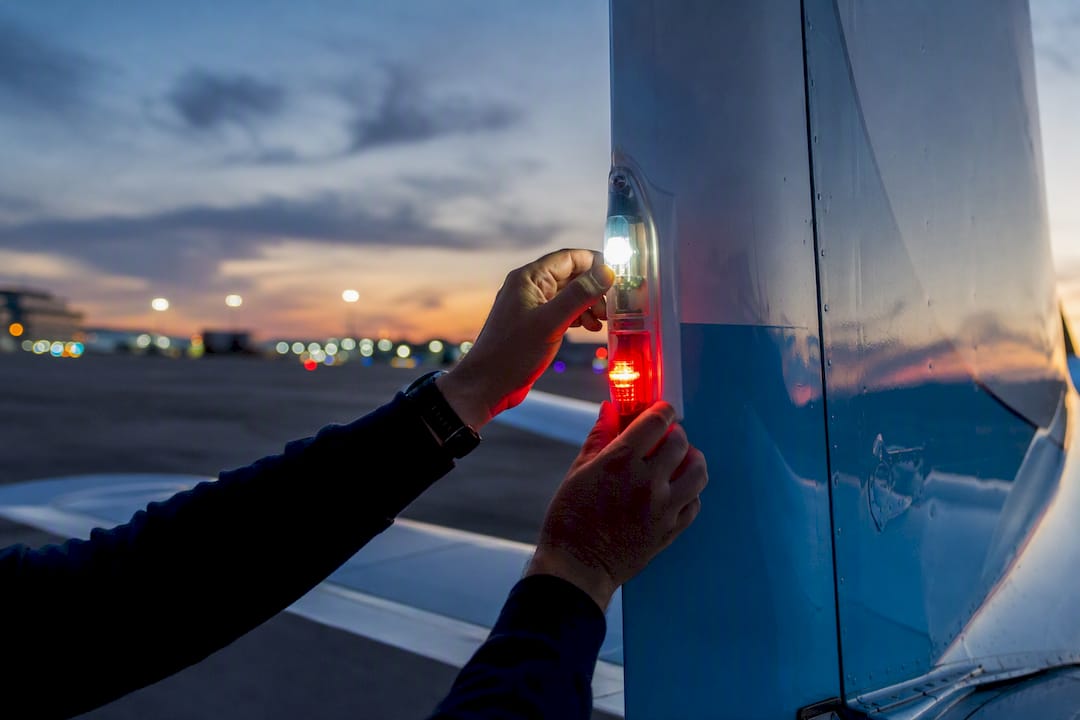
Discover the essential night currency requirements for pilots, ensuring safe passenger flights and compliance with aviation regulations.
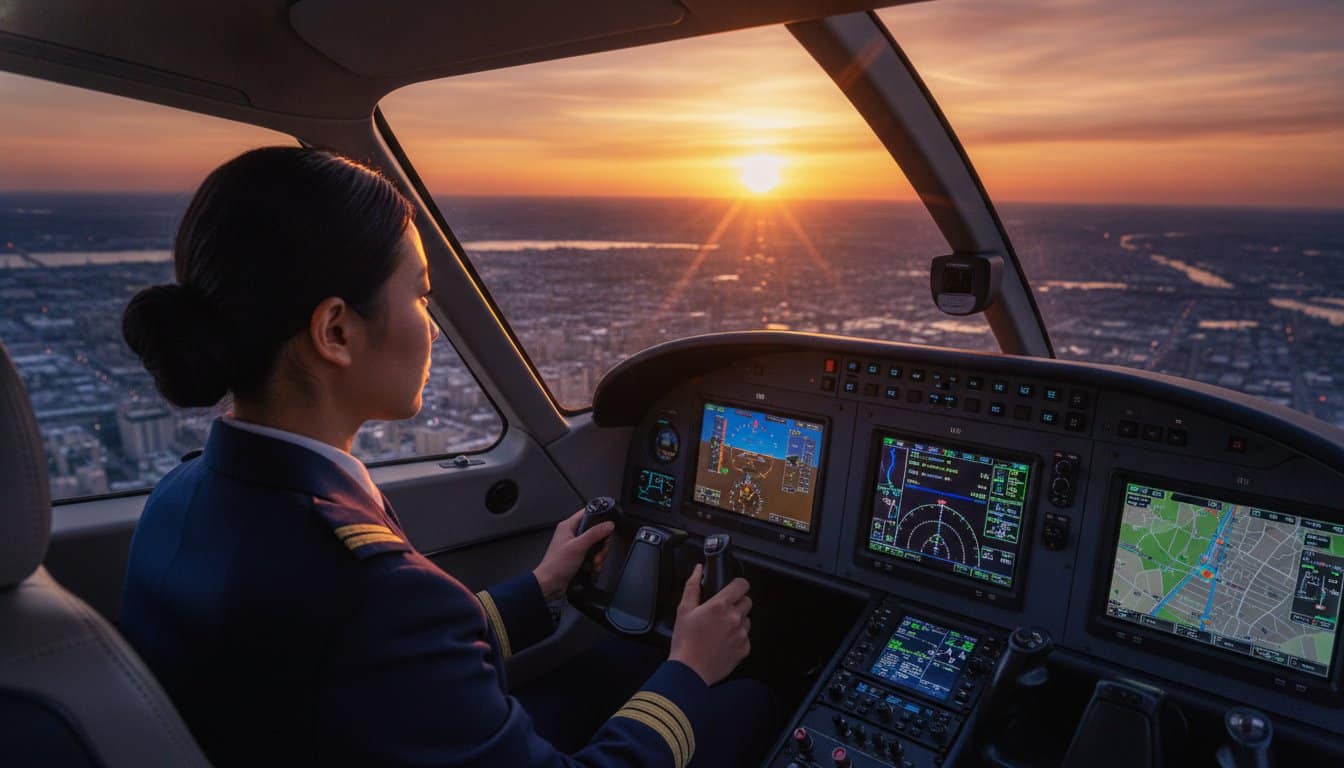
The aviation industry must secure 660,000 new pilots through 2044 to sustain global flight operations, yet the journey to a commercial pilot license…

Find the best time building jobs pilots can use to gain experience, build professional habits, and reach airline minimums with a clear career plan ahead.
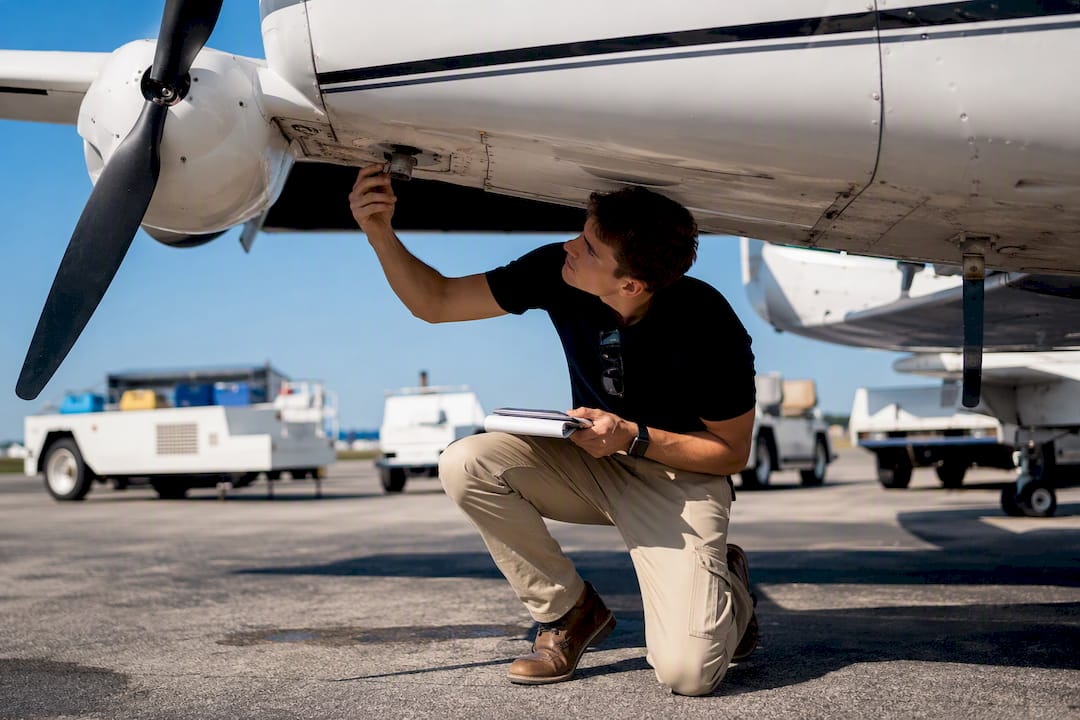
Discover how an accelerated path to a Private Pilot License can reduce your training time from months to just weeks, with key factors to consider.

In the high-stakes 2026 aviation sector, the Multi-Engine Instructor rating isn’t a mere addition to your logbook; it’s the definitive benchmark of…

Discover the differences between IFR hoods and foggles to find the best view-limiting device for your flying needs and eyewear.

Treating the CFI ACS as a mere checklist for your checkride is the fastest way to undermine your professional authority before you even step into the…

Prepare for your FAA test with a mock checkride, a full rehearsal that reveals your readiness and highlights areas for improvement.

FAA checkride scheduling can determine how quickly you earn each pilot certificate. Learn how to plan training, protect momentum, and move toward a career.

The traditional path to becoming a flight instructor is no longer just slow; it’s a liability to your professional timeline. You’ve completed your…

Ensure your IFR currency requirements are met before flying. Learn the steps to maintain compliance and avoid mandatory checks.

TSA flight training approval is required for many international pilot students. Learn who needs it, when to apply, and how to avoid delays in Florida.

The aviation industry is currently navigating its most significant labor crisis in decades, with a projected shortfall of 24,000 pilots hitting its…

Discover the best books to ace your private pilot checkride and knowledge test. Equip yourself with crucial insights and exam tips!

It’s understandable to feel overwhelmed by the complexity of FAA Part 61 versus Part 141 regulations or the daunting 1,500-hour time-building…

Explore how airlines fund pilot training through tuition reimbursement and the details you need to maximize your benefits.

Choose a flight school built for airline careers: FAA Part 141 training, accelerated ratings, in-house checkrides, and a clear path to the cockpit today.

The difference between a hobbyist and a professional aviator is defined by the precision of their career trajectory. Most candidates find themselves…

Discover the key M-1 visa requirements for international students aiming to train as pilots in the U.S. Prepare your journey today!

Flight training financing can turn a pilot career plan into a practical start. Learn how to budget programs, compare options, and train with purpose now.

Seniority is the only real currency in commercial aviation, yet most students waste years on fragmented training that fails to secure a professional…

Build an airline pilot pathway with FAA Part 141 training, ratings, instructor experience, and a focused plan toward ATP airline career requirements.

Discover essential airline pathway programs for U.S. pilots that streamline transitions from training to major airlines. Learn the best options!

By the end of 2026, the aviation industry will face a critical shortfall of 24,000 professional pilots, yet the barrier to entry remains a gauntlet…

Student pilot housing can protect your schedule, budget, and focus. Learn what to compare before relocating for accelerated flight training in Florida.

Learn how to navigate the FAA foreign license verification process easily. Secure your U.S. pilot certificate with our comprehensive guide.

Your military benefits are a tactical asset, yet thousands of service members exhaust their GI Bill on fragmented training that never reaches a…

A pilot career change starts with a clear FAA training plan. Learn the ratings, timelines, costs, and decisions that lead to airline flying with purpose.

Explore the stable landscape of regional airline hiring in 2026, where steady demand and major carrier shifts create new career opportunities.

Your GI Bill is a finite, mission-critical asset that demands a strategic deployment plan rather than a series of administrative gambles. Most…

Compare FAA vs EASA ATPL requirements, timelines, costs, and airline career options to choose the right pilot-training route before you enroll for training.

Discover realistic timelines for pilot training, from initial certification to airline readiness, and understand your path to becoming a pilot.

Most veterans treat their flight training benefits like a standard tuition check, but in 2026, passive enrollment is the fastest route to benefit…

Get the M1 visa for flight school right: understand I-20 enrollment, TSA steps, funding, housing, and the training path to FAA pilot certificates fast.

Crafting an effective pilot resume for airlines is essential. Follow our guide to include key elements and stand out in your job application.
Your military transition is a high-stakes mission where regulatory precision determines your financial survival. While the promise of a commercial…

Understand ATP certification requirements: flight hours, age, ATP-CTP, restricted ATP paths, and the training sequence that puts airline pilots first.

Learn the essential solo endorsement requirements for student pilots to fly safely. Ensure compliance with regulations and prepare effectively.

Master the complex endorsement requirements for U.S. pilots. Get essential training details and tips for securing your logbook endorsement.

Your CFI rating is the tactical extraction point where you transition from paying for flight hours to being paid to fly. For many veterans, the dream…

CFI training after commercial turns a certificate into a professional pathway. Build flight time, sharpen skills, and move toward airline minimums faster.
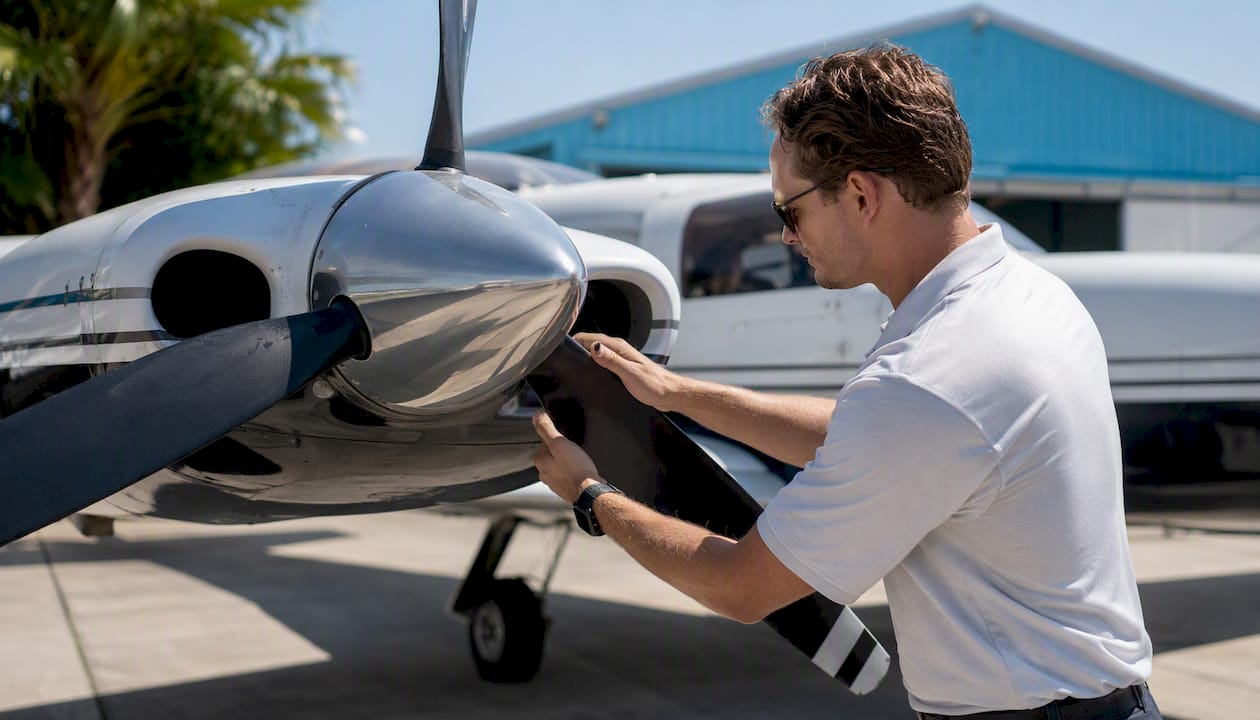
Unlock new flying opportunities with a multi-engine add-on. Learn how to earn your rating quickly and effectively with expert guidance.

With a projected shortage of 24,000 pilots in the US by the end of 2026, the path to the flight deck has never been more lucrative or more demanding….

Multi engine rating training builds the turbine-ready skills airlines expect. See requirements, timelines, and how to choose the right FAA program today.

Ready for your first pilot job? Discover the quickest paths for low-hour pilots and take essential steps to launch your aviation career!

Discover the benefits of pay as you go flight training, an affordable way to pursue your pilot ambitions without large upfront costs.

By 2044, the global aviation industry will require 660,000 new pilots to sustain international flight operations. This massive demand creates an…
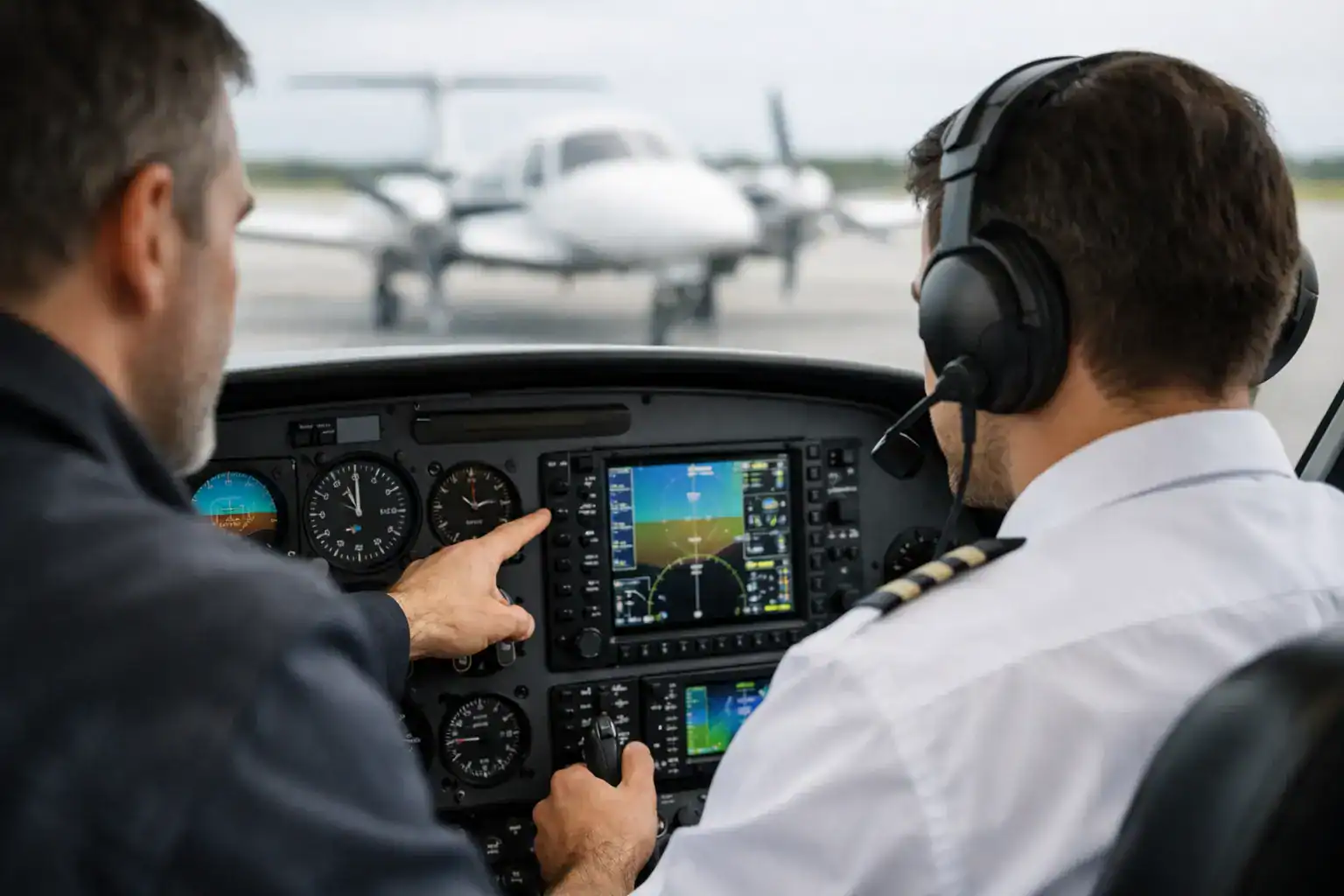
Choose an instrument rating training program built for faster, safer IFR proficiency and a direct path toward commercial and airline pilot training now.

The difference between a standard pilot and an elite aviator isn’t just found in the cockpit; it’s forged in the environment where they rest, study,…

Understand private pilot license cost, what drives it, and how structured FAA Part 141 training can keep your first pilot certificate on track and on budget.

Unlock your path to becoming a pilot with our comprehensive guide on flight training financing. Find the best funding options today!
With the elimination of “duration of status” as of September 15, 2026, the margin for error in your US pilot training mission has effectively…
Learn how to become an airline pilot through FAA training, ratings, flight hours, instructor work, and ATP preparation for a professional aviation career.

ⓘ TL;DR A DUI or Criminal Record does not automatically end a pilot career, the FAA evaluates every applicant individually, not by blanket rules. Concealing a conviction is the real career killer, the FAA treats hidden records as fraud, which carries harsher consequences than the offense itself. Misdemeanor DUIs are

If you intend to command a commercial flight deck, you must recognize that the United States is the premier global authority for professional pilot…

FAA self examining authority lets qualified flight schools manage checkrides in-house, helping career pilots train on a faster, more controlled schedule.

Prepare effectively with our guide on FAA oral exam questions. Access must-have resources and ace your DPE interview with confidence.

ⓘ TL;DR Student pilot life insurance is cheapest before your first solo, once you fly alone, your risk profile changes and rates climb. Underwriters care about your logbook and structure, not just your license. A supervised student profile beats an unstructured hobbyist pilot. Aviation exclusion riders quietly void your coverage

The traditional approach to flight training is a financial trap designed for hobbyists, not for the elite professionals required by the 2026 aviation…

Can you earn a commercial pilot license in 111 hours? Learn how FAA Part 141 training can shorten the route, who qualifies, and what comes next for pilots.

Unlock the skies with your high performance endorsement. Learn the training steps and requirements to pilot powerful aircraft confidently.
The true cost of a professional pilot license isn’t found on a price sheet; it’s hidden in the hours you haven’t flown yet. For most aspiring…

Before your first solo flight, learn why student pilot renters insurance is essential to protect your finances and avoid costly surprises.

Unlock your path to commercial flying with the ATP CTP course. Essential training for aspiring pilots to ace the ATP multiengine test.

See how an accelerated commercial pilot program moves serious students from training to commercial certification faster under FAA Part 141 rules in Florida.

The traditional pay-as-you-go flight training model is a strategic liability that forces the student to assume 100% of the financial risk for every…

ⓘ TL;DR Does a private pilot license expire? No, the certificate itself never expires, but your legal currency to use it absolutely can lapse. Three requirements keep you legal to fly: a flight review every 24 months, a current medical certificate, and 3 takeoffs and landings in the last 90

ⓘ TL;DR An FAA private pilot license address change is a legal requirement under 14 CFR 61.60, not a clerical detail. You have 30 days from your moving date to notify the FAA, missing that window can trigger certificate suspension or revocation. The fastest path is the FAA Airmen Services

ⓘ TL;DR Your FAA private pilot training syllabus shapes your entire training more than the aircraft, the airport, or even the instructor. Part 61 gives flexibility for irregular schedules. Part 141 gives structure and reduced hour minimums, but with less room to adapt. The FAA Industry Training Standards (FITS) syllabus

ⓘ TL;DR Instrument flight rules certification is not a checklist of hours, it is a cognitive rewiring that teaches you to trust gauges over instincts. FAA minimums are the entry fee, not the target. Most checkride failures happen at the gap between qualifying and being truly proficient. Real cost goes
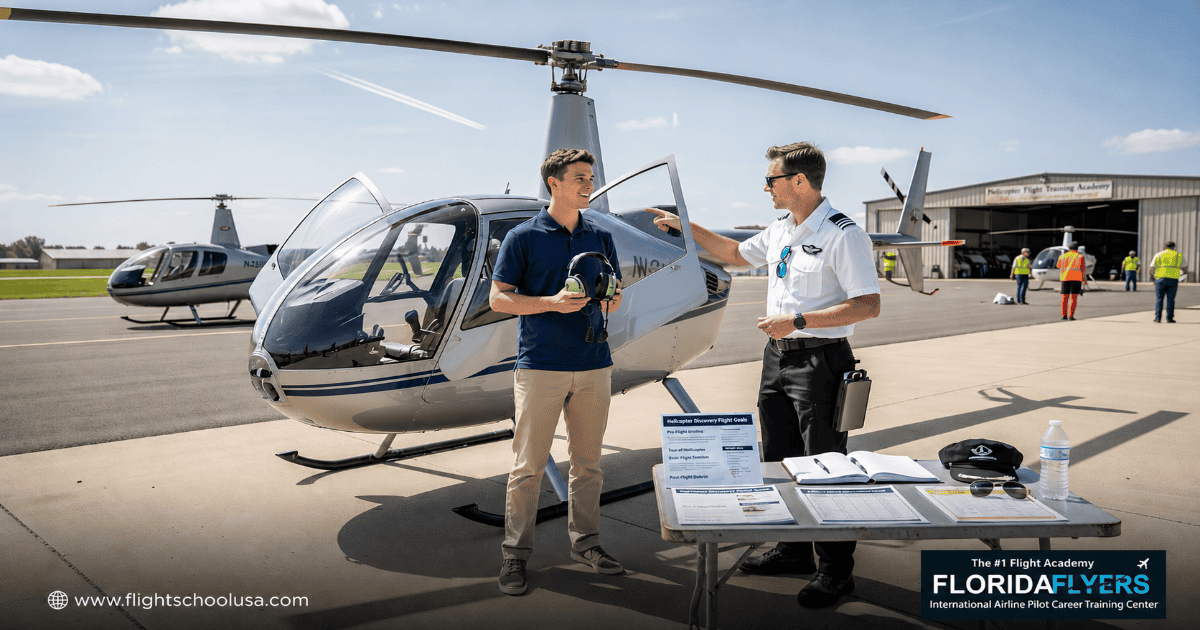
ⓘ TL;DR A helicopter discovery flight near me is not a scenic tour, it is a diagnostic session that tests your real potential as a helicopter pilot. The hover moment is the true test, it reveals whether your brain adapts to constant micro-adjustments or fights them. Pick an FAA-approved school

ⓘ TL;DR A real San Diego discovery flight is a training diagnostic, not a scenic ride, use it to test whether you can actually learn to fly. Expect to pay $200–$400. The best value includes 1 hour of ground instruction plus 1 hour of hands-on flight time. You should take

ⓘ TL;DR The best discovery flight tips treat the experience as a two-way evaluation, you are auditioning the school as much as they are auditioning you. Wear layered clothing, closed-toe shoes, and avoid loose items. Bring a photo ID, sunglasses, water, and a light snack. A quality preflight briefing covers

ⓘ TL;DR A discovery flight Dubai is not a scenic ride, it is a real hands-on flying lesson over one of the most iconic skylines in the world. The best time to fly is October to April for cool weather, clear skies, and unobstructed views of the Palm and Burj

ⓘ TL;DR Discovery flights Atlanta are not scenic rides, they are the most revealing diagnostic tool for evaluating a flight school before you commit. A quality discovery flight tests your comfort in the cockpit, your ability to handle ATC, and the school’s instructional discipline. A school that avoids hard questions

ⓘ TL;DR The cost of aviation medical exam is not a fixed number, every Aviation Medical Examiner sets their own price under FAA rules. Third Class exams typically cost $70–$130, Second Class $80–$150, and First Class $100–$200 depending on the AME and location. Hidden fees like EKGs, blood work, vision

ⓘ TL;DR The flight school refund policy matters more than tuition price, it defines how much money you keep if training does not go as planned. Pro-rated refunds return unused hours. Full refunds only apply within short cancellation windows, and rigid policies keep everything you paid. Red flags include high

ⓘ TL;DR Flying club membership cost is not one number, it is a stack of buy-in, monthly dues, and hourly rates. The buy-in is a capital contribution that makes you a partial owner of the fleet, not just an entry fee. Clubs with higher dues and lower hourly rates reward

ⓘ TL;DR The real discovery flight cost is not a single number, it ranges from $75 to $225 based on aircraft, duration, and instruction quality. A cheap $99 discovery flight often skips ground instruction and post-flight debriefs, giving you a joyride, not a training evaluation. A higher-priced flight typically includes

ⓘ TL;DR Your flight training loan cosigner determines your interest rate, loan amount, and how fast you actually reach a paying cockpit seat. Lenders underwrite the cosigner, not the student. A credit score of 680+ unlocks approval, real rates, and career-friendly loan terms. A weak cosigner can cost tens of

ⓘ TL;DR Your flight instructor quitting mid training is almost never about you, CFI turnover is baked into the industry’s airline pipeline. Every logged hour still counts. A new instructor verifies your proficiency through an evaluation flight, not by repeating your training. Documentation quality decides how smooth the transition is.

ⓘ TL;DR A free flight attendant course teaches vocabulary and theory, not the hands-on skills airlines actually hire for. Free certifications from Alison, Elevify, and Inflight Institute prove initiative, but no airline recognizes them as job-ready credentials. Airlines require accredited in-person training with real evacuation drills, service simulations, and physical

ⓘ TL;DR A commercial pilot is not the same as an airline pilot. The certificate simply removes the ban on being paid to fly. Commercial pilots work in charter, cargo, corporate, aerial tours, agriculture, skydiving, banner towing, and flight instruction, not just airlines. The FAA requires 250 flight hours, a

ⓘ TL;DR Flying club vs flight school is not a budget decision. It is a stage-of-career decision that determines how fast you actually fly. Flight schools give you structure, syllabi, stage checks, and accountability. Essential for zero-to-hero, instrument, multi-engine, and CFI training. Flying clubs give you affordable access, community, and

ⓘ TL;DR ATC does not mean “a person with a radar screen.” It is a layered system of human judgment, procedural discipline, and split-second decisions that spans from the ground to 30,000 feet. The tower alone contains three distinct roles, clearance delivery, ground control, and local control, each with its

ⓘ TL;DR ATC training is not free. The FAA covers tuition, but the real cost is the income you forgo by leaving your current job for a trainee salary. Roughly half of academy trainees do not certify. That failure rate makes the training a real financial gamble, not a guaranteed

ⓘ TL;DR Base pay is the least interesting part of the story. The pay chart is the tip of the iceberg. Real compensation lives in flight pay, allowances, and bonuses. BAH and BAS are tax-free income, not reimbursements. A $1,500 tax-free housing allowance is functionally worth what a civilian earns

ⓘ TL;DR The American Airlines pilot pay scale is a seniority-driven progression ladder, not a flat salary list. Three variables drive earnings: years of service, aircraft type, and seat position. First officer pay is a trajectory, not a number. The pilot’s bidding decisions in year one shape the entire earnings

ⓘ TL;DR An air traffic controller’s job is aircraft separation, not talking on the radio. The radio is the last step of a constant cognitive process. Controllers work across three facility types: towers (visual), TRACONs (radar arrivals/departures), and en route centers (high-altitude cruise). Same job, completely different tools. The calm

ⓘ TL;DR The FAA medical certificate must come first. Discovering a disqualifying condition after spending thousands on lessons is a mistake no one recovers from. The training sequence is non-negotiable: medical → student pilot certificate → dual instruction → cross-country → knowledge test → checkride. Skipping order creates compounding delays.

ⓘ TL;DR The FAA does not require perfect uncorrected vision. The standard is 20/20 corrected in each eye for first and second class, and 20/40 for third class. Glasses and contacts are fully permitted. The medical certificate carries a “must wear corrective lenses” limitation, but it does not restrict your

ⓘ TL;DR Aviation language exists to eliminate ambiguity. Every word, from “wilco” to “mayday,” carries operational weight that everyday speech cannot match. Flight breaks into seven distinct phases: preflight, taxi, takeoff, climb, cruise, descent, and landing. Each has its own vocabulary because each demands different decisions. Slang terms like squawk,

ⓘ TL;DR The PPL Written Test measures judgment, not memory. Students who memorize answers pass the exam but freeze during the oral and the first real cockpit decision. The test is structured as 60 questions drawn from a 600-question bank covering aerodynamics, weather, regulations, navigation, and flight planning. No two

ⓘ TL;DR A single pilot salary number is useless. The same job title spans a regional first officer scraping by and a widebody captain earning over $300,000. The Canadian pilot career moves through four distinct stages: flight instructor, regional first officer, regional captain or major FO, and widebody captain. Each

ⓘ TL;DR The cheapest hourly rate almost always becomes the most expensive total cost. Aircraft downtime and instructor turnover add hours no brochure will mention. Roughly 80% of flight students quit, and the cause is rarely talent. It is financial surprises, scheduling chaos, and checkride pressure at unstructured schools. Instructor

ⓘ TL;DR The real cost of flight training is not tuition. It is the months you lose waiting for an FAA examiner at a school without self-examining authority. A delayed checkride can push you past a regional airline’s hiring window, turning a November finish into a February finish into a

ⓘ TL;DR A discovery flight ($150–$300) is not a joyride. It is a condensed first lesson with a real pre-flight briefing, hands-on controls, and an entry in your pilot logbook that counts toward your license. The full private pilot license costs $8,000–$15,000, not the discovery flight price. Most beginners miss

ⓘ TL;DR The AT-CTI designation is the only filter that matters. A school without it forces graduates into the same hiring queue as applicants with zero aviation background. Enhanced AT-CTI programs use FAA-equivalent simulators and let graduates skip the Academy basics course. Standard programs do not, adding weeks or months

ⓘ TL;DR The Alaska cadet program (Ascend Pilot Academy) is a structured ab-initio pathway that ends with a guaranteed first officer seat at Horizon Air. No applying to airlines after building hours alone. Cadets receive a stipend of up to $27,000 as a signing bonus, not a loan. It does

ⓘ TL;DR The FAA covers academy tuition and pays a salary during training, but the real air traffic controller training cost is the years of lost wages waiting for full certification. Roughly half of academy entrants wash out. Those who fail walk away with zero certification, no salary continuation, and

ⓘ TL;DR Embry-Riddle Aeronautical University has the strongest global name recognition in aviation education and holds AABI accreditation. The top accredited aviation schools in the U.S. include University of Oklahoma, Western Michigan University, Florida Flyers Flight Academy, Purdue University, and Embry-Riddle. The University of Oklahoma currently ranks #1 in major

ⓘ TL;DR BasicMed limitations define a strict operational box: aircraft under 12,500 lbs, below 18,000 ft MSL, under 250 knots, and no more than six passengers on board. Four condition categories disqualify pilots outright: cardiovascular issues, neurological disorders, psychiatric diagnoses, and substance dependence. Each requires a special issuance before BasicMed

ⓘ TL;DR An IFR chart is a real-time navigation tool, not a reference sheet. It shows airways, navaids, fixes, and minimum altitudes under Instrument Flight Rules. Low enroute charts prioritize airways and minimum altitudes over terrain features. Read MEA and MOCA values carefully before every flight. Victor routes rely on

ⓘ TL;DR The instrument approach plate legend is not a backup reference. It is the primary tool that decodes every symbol on the plate during briefing. The legend separates communication frequencies, lighting systems, minimums, and missed approach symbols into logical zones that speed up scan time. Lightning bolt and Maltese

ⓘ TL;DR The runway touchdown zone is the first 3,000 feet beyond the threshold and is the only area designed for safe initial contact and full stopping margin. Aim for the aiming point markers, not the threshold. Touching down beyond them reduces obstacle clearance and stopping distance. The 70-50 rule

ⓘ TL;DR The traffic pattern is a standardized rectangular circuit designed to keep aircraft predictable and separated at both towered and non-towered airports. The five legs, departure, crosswind, downwind, base, and final, each serve a specific positioning and configuration purpose. The standard 45-degree entry to downwind ensures safe merging into

ⓘ TL;DR A runway hold line is a mandatory stop marking made of four yellow lines. Stop before the solid lines unless ATC explicitly clears you to cross. The solid lines face the runway. The dashed lines face the taxiway. Crossing the solid lines without clearance is a runway incursion.

ⓘ TL;DR Victor routes are low-altitude IFR airways built on VOR stations, operating from 1,200 feet AGL up to 18,000 feet MSL. They impose structure on the airspace by defining predictable paths that ATC can separate and protect from terrain. Victor routes rely on ground-based navigation, making them accessible to

ⓘ TL;DR The runway and taxiway serve entirely different purposes. Runways handle high-speed takeoff and landing forces. Taxiways handle slow-speed ground movement between surfaces. White markings belong to runways. Yellow markings belong to taxiways. This color code is universal and non-negotiable at every airport in the world. Blue lights line

ⓘ TL;DR Signage in airport follows a strict FAA color system: Red for mandatory instructions, Black/Yellow for location, and Yellow/Black for direction. Mandatory instruction signs (Red background, White text) mark runway intersections and restricted areas where ATC clearance is required. Location signs tell pilots exactly where they are on the

ⓘ TL;DR The runway numbering system is based on magnetic heading divided by ten and rounded to the nearest whole number. A 092° heading becomes Runway 09. A single runway has two numbers because each end represents reciprocal magnetic headings that differ by 180 degrees, such as 09 and 27.

ⓘ TL;DR Understanding how DME works starts with the pulse timing cycle. The aircraft transmits radio pulse pairs, the ground station replies after a fixed 50-microsecond delay, and the onboard computer converts the round-trip time into nautical miles. The readout shows slant range, not ground distance. The higher you are

ⓘ TL;DR The non movement area covers ramps, aprons, and parking zones where vehicles and aircraft operate without ATC clearance. Runways and taxiways are excluded entirely. The boundary is marked by two yellow lines, one solid and one dashed. Crossing from the dashed side to the solid side without ATC

ⓘ TL;DR A displaced threshold is not a marking detail. It is an operational constraint that directly reduces your landing distance available and changes every performance calculation made during preflight planning. You cannot land on the displaced portion under any circumstances. It is available for takeoff roll in both directions

ⓘ TL;DR Approach charts has four distinct zones: briefing strip, plan view, profile view, and minimums section. Each answers a different question and must be read in sequence, not all at once. Always start with the briefing strip. Frequencies, procedure notes, and missed approach instructions must be set before you

ⓘ TL;DR An airspace class map is not just a reference chart. It is a legal operating document that shows where you can fly, how high you can go, and what rules apply at your exact location. Drone airspace map colors matter immediately. Blue and magenta usually indicate controlled airspace,

ⓘ TL;DR A circling approach is a separate maneuver from the instrument approach, not an extension of it. The rules, risks, and protected airspace change the moment you go visual. Protected airspace is determined by your approach category and Vref, not the aircraft type. Flying faster than your category allows

Most pilots who struggle on the ground do so because nobody taught them how to read an airport diagram before their first solo taxi. This guide fixes that. From runway numbering and taxiway lettering to hotspots, hold short lines, and frequency boxes, every element of an airport diagram is explained

Most pilots learn navigation systems in a classroom and discover they work differently the moment they enter busy airspace. Real operations expose gaps that ground school never covers, from GPS signal loss near military zones to VOR interpretation errors under pressure. This guide covers the navigation systems that actually perform

Driving on an airfield is not like driving anywhere else. One wrong turn without clearance can end your airfield privileges permanently. This guide covers everything you need to operate safely on the AOA, from movement area rules and radio protocols to exam preparation and winter operations, so you are never

As an aspiring pilot, choosing the right training path can feel confusing. Many students struggle to understand the 141 requirements before enrolling. This guide explains the part 141 commercial pilot requirements in simple terms. It also outlines what to expect as you work toward your commercial pilot license. Getting your

Wondering how many commercial pilots in the US are working today? This guide covers current pilot statistics, explains the growing demand for aviators, and reveals what the shortage means for aspiring pilots. Discover why airlines are hiring aggressively and how many new pilots the industry needs. Ever noticed airlines offering

Thinking about becoming a pilot? This guide breaks down aviation certification courses from student pilot to ATP, compares FAA online training with flight schools, explains crucial safety requirements, and reveals what to expect during your training journey in Florida’s year-round flying conditions. Ever watched a plane take off and wondered

Cargo pilots at major freight carriers can earn over $200,000 annually, but what does it take to get there? Discover 2026 salary ranges, career progression timelines, hiring requirements, and how to break into this high-demand field with operators like FedEx, UPS, and Atlas Air. Senior cargo pilots at FedEx and

What does an Emirates Captain actually earn in 2026? From tax-free salaries in Dubai to career advancement and hiring criteria, this complete breakdown reveals the real numbers, benefits, and requirements for U.S. and Indian pilots seeking to join one of aviation’s most elite airlines. What does it really take to

What is Somatogravic Illusion in Aviation? The runway lights disappear beneath you. Three seconds into your night departure over the Gulf, your body violently disagrees with your flight instruments. The attitude indicator shows a textbook 10-degree climb. Your vestibular system screams you’re pitched 35 degrees nose-up, seconds from a stall.

What Is the Average Salary of an Air Pilot? The first paycheck as a regional airline first officer is a shock for most new pilots. After investing $100,000 in flight training, that $4,000 monthly salary feels underwhelming. Understanding this salary progression matters before you start training. It shapes decisions about

What are the requirements to enter aviation school? The aviation industry will tell you there’s unprecedented demand for pilots, with airlines offering six-figure salaries and signing bonuses to new hires. Aviation flight schools are marketing this golden age aggressively. But here’s what they won’t tell you: thousands of graduates complete

How Many Flying Lessons Does It Take to Become a Pilot? Flying lessons in the USA promise a clear path from discovery flights to airline cockpits, yet flight schools avoid discussing timeline and cost realities separating marketing from completion rates. Most schools advertise private pilot training starting around $10,000, omitting

How much does a commercial pilot make in the USA? The debate around commercial pilot jobs USA splits between economists calling it a wage problem and airline executives managing empty cockpits on scheduled routes. Airlines added 18,000 pilot positions in 2024, yet flight schools graduated barely half that number of

Is the Cessna 172 Skyhawk really the best plane to learn in? Cessna 172 Skyhawk training dominates flight schools worldwide, accounting for 80% of new pilot certifications annually. This isn’t sentiment or tradition. Flight schools choose the Cessna 172 Skyhawk because decades of data prove it delivers the optimal balance

What does it really take to learn how to fly? Search “how to fly” online and you’ll find romanticized descriptions about freedom and adventure, but nothing about what happens when you first climb into a cockpit. Flight schools won’t mention that most students freeze during their first stall recovery or

What is the average cost for flight school? Ask any flight school about their total costs and you’ll get a vague range, maybe $80,000 to $150,000, but rarely a straight answer. That’s not an accident. Aviation course fees remain one of the industry’s best kept secrets, with schools cherry picking

How Do I Choose the Right Aviation School? The aviation training industry will happily take your money. Not all aviation schools deliver equal value. Some produce airline-ready pilots while others leave graduates struggling to build hours. Here’s what matters: airlines hire pilots with specific qualifications, experience, and training quality. The

Which FAA Medical Certificate Do You Need? If you’ve looked into flight training, you’ve probably heard horror stories about FAA medicals. The truth? Most of these fears are overblown. The medical exam is straightforward when you know what to expect. Here’s the reality: the aviation industry needs pilots, and the

What Pilot Jobs Are Available in 2025? Pilot jobs exist in nearly every corner of aviation, from regional airlines to corporate jets to remote cargo operations. The demand for qualified pilots continues growing, creating opportunities for newcomers willing to build hours and gain experience strategically. But which pilot jobs actually

What Is a Part 61 Flight School? Part 61 flight school might be the training path you’ve never heard of, but it’s how thousands of pilots earn their pilot licenses every year. The flexibility sounds perfect on paper, but there’s more to this story than just “train whenever you want.”

What Does Pilot School Cost in 2025? You could start flight training next month once you know what pilot school cost actually looks like. Flight training requires a solid investment, but understanding what you’ll pay and why takes away the stress and helps you plan your path forward with confidence.

What Are PPL Pilots and Why Choose Private Pilot Training? You could be a licensed PPL pilot in six months if you start your training the right way. The Private Pilot License opens doors to incredible freedom, but the path from beginner to certified pilot involves specific requirements, costs, and

Complete EMB 175 performance guide: cruise speed, takeoff/landing specs, climb rates, weather capabilities, and handling characteristics. Technical analysis for pilots covering operational efficiency, cockpit design, and training requirements for regional jet operations. The Embraer 175 delivers exceptional performance characteristics that make it ideal for regional airline operations. This guide provides

How much does it cost to get trained as a pilot? Every career needs training, and being a pilot is no different. Pilots don’t just appear in the cockpit—they go through serious flight training to learn how to fly safely. If you’re thinking about becoming a pilot, understanding flight training

What is the Average Pay for a Commercial pilot No one works for nothing. Compensation is a key motivator in any career, and aviation is no exception. So, what is the commercial pilot salary in the USA? This question is central for anyone considering a career in aviation. The commercial

How to Become a Pilot at the Top Flight Schools in America Pilots don’t just fall from the sky. It’s not a metaphor. It’s a fact most passengers don’t think about until they’re buckling into seat 12A, wondering who’s flying the 737 toward Denver. Right now, airlines urgently need qualified

ⓘ TL;DR Securing entry-level commercial pilot jobs with 250 to 500 flight hours requires targeting specific time-building roles rather than applying directly to major airlines. Flight instruction (CFI) offers the fastest pathway to compound dual-given and cross-country hours while earning a steady income. Aerial survey, pipeline patrol, and banner towing

How to Become a PPL Pilot You do not become a PPL pilot by accident. It does not happen because you love planes or because you have flown as a passenger a hundred times. It happens because you made a decision to learn, to train, and to earn the certificate

ⓘ TL;DR Learning how to get your FAA license requires climbing a tiered ladder of pilot certificates and ratings rather than earning a single qualification. Secure your student pilot certificate and FAA medical clearance early to prevent administrative delays before your first flight lesson. Choosing an FAA Part 141 approved

How Much Should it Cost to Get a PPL? You want to be a pilot. So here is the question nobody answers straight: What is the real PPL cost? Not the vague “it depends” or the glossy brochure numbers. The real figure. The one that covers everything from your first

What is the best Cessna for Flight Training? Before any pilot touches the controls of a commercial jet, they start with something smaller. Something simpler. Something that will not forgive bad habits but will teach you how to avoid them. That is the Cessna 172S. It is not the fastest

What Does an Air traffic Controller Do? Air traffic controllers keep the skies safe. Every plane that takes off, lands, or crosses a major air route depends on their judgment and focus. It is one of the most demanding jobs in aviation and one of the best paid. If you
ⓘ TL;DR Understanding pilot job pay requires looking past blended averages to examine the seven distinct seniority and aircraft tiers across the aviation industry. Airline pilots earn contracted hourly flight rates determined by their seat, aircraft weight, and longevity on the carrier seniority list rather than a fixed annual salary.

How Long Does Flight School Take? Flight schools are where pilots are made, but not all of them are worth your money. Some charge $40,000 for a Private Pilot License. Others charge $80,000 for the same certification. Some offer airline partnerships that fast track you to the cockpit. Others leave

Best Flight Training in Florida USA Flight training Florida USA consistently ranks as one of the best options for aspiring pilots. The state offers year round flying weather, competitive costs, diverse airspace and dozens of certified flight schools, from small local operations to large academy style programs with airline partnerships. Whether

How Long Does it Take to Become a Commercial pilot Every time a commercial pilot pushes the throttle forward, they’re carrying an invisible weight: hundreds of lives, millions in cargo, and the trust of everyone who believes they’ll land safely. It’s one of the few careers where a single decision

How Long Does it Take to Get Aviation License To drive a car, you go to driving school. After training, you earn your driving license. It is the same with flying, only this time the road is the sky. To pilot an airplane, you need an aviation license. But here

How Does Airline Pilot Pay Work Everyone knows pilots earn well. But when you look closer, pilot pay is anything but simple. The gap between ranks is massive. A regional first officer might take home $60,000 a year, while a senior captain flying international routes can clear over $400,000. Same

How Long Does it Take to Become an Aviation Pilot? I know you are wondering, yes, you reading this right now, can you become a pilot after college? Do you need a degree to fly for a living? These are great questions, and the answer begins at a pilot aviation

ⓘ TL;DR Pilot earnings are not a single number. They are a 30-year curve shaped by seniority, aircraft type, and base location, and two pilots at the same airline can differ by hundreds of thousands of dollars. The median salary figure misleads because it averages a $90,000 regional first officer

What is the Average Income of a Pilot The life of a pilot carries pride and adventure. From crisp uniforms to commanding the skies, it is a career many admire. Yet behind that polished image lies one question people always ask: how much do pilots actually earn? Pilot income in

What are the Parameters of Instrument Flight Rules As a layman, when you hear the word instrument, you probably think of music such as guitars, pianos, or violins. But in aviation, instruments mean something entirely different. We are not talking about musical instruments inside an airplane. Instrument flight rules are

What is the Average Pilot Salary in USA Passion fuels careers, yes we know. But here is the thing, financial reward fuels them most. In the United States, many professions offer impressive paychecks, and the pilot career stands among the most rewarding. But what exactly is the pilot salary in

How can I get a Commercial Pilot License You dream of flying for a living, right? Not just watching aircraft glide across the sky but being the one at the controls. Understanding the commercial pilot license requirements is the first step toward that dream. A commercial pilot license is your

What is Required to Become an Airline Pilot To succeed in any field, knowing the how to is the first step. It provides direction, prevents mistakes, and saves time. For anyone pursuing a career in aviation, understanding how to become an airline pilot is what separates clear progress from confusion
How Long do CPL Classes Take Aspiring commercial pilots often ask, “Where can I find a CPL class near me?” The answer is simple; the best place to start your pilot training is closer than you think. Choosing a local flight school not only saves time and travel costs but

What are the Requirements for Flying in the USA The US is home to the best flight schools in the world, the best flying weather, and the most recognized aviation standards set by the Federal Aviation Administration (FAA). To become a pilot in the United States, you must first understand

How Much Does Flight Training Cost to Become a Pilot No matter the career, money plays a crucial role in making it happen. It’s a give-and-take exchange where you invest in knowledge that transforms into a career. In aviation, How Much Does It Cost to Become a Pilot? is one

Where can I Learn to Fly a Plane Flight lessons are the first step to becoming a pilot. While airplanes have autopilot systems, human pilots still play a crucial role in flying safely. No one becomes a pilot out of the blue. You must go through pilot training, and flight

How Much Does a Airplane Mechanic Make Planes fly people and goods across the globe, but like any complex machine, they need regular upkeep. That is where airplane mechanics come in. They ensure planes are safe, efficient, and ready for takeoff. Airplane mechanic salary is a key question for anyone

How to Become a Pilot at the Best Schools Around You Aspiring pilots often ask personalized questions like, “Can I train or find flight schools near me?” The answer is, absolutely! Proximity plays a huge role in how comfortable and effective the learning experience can be. Pilot training close to

Understanding and Using a Flight Hours Calculator Every pilot’s journey is measured not just in destinations but in hours spent in the cockpit. Tracking those hours is more than a habit. It is a requirement for pilot training, licensing, and career advancement. This is where a flight hours calculator becomes

Understanding Pilot Salary in 2025 Everyone wonders about pilot salary. For some, it’s curiosity about how much airline captains really make. For others, especially student pilots, it’s about understanding what kind of financial future a flying career can bring. The truth is, pilot pay is not the same everywhere. It

What are the Steps to Becoming an Airline Pilot How Do You Become an Airline Pilot? It starts with understanding that this is not just a career for people who love airplanes. It is a structured journey that requires flight training, certifications, medical clearances, and thousands of hours in the

What is Self-Examining Authority? The 35 Hours Instrument Rating has become one of the most talked about training options for pilots. For decades, instrument training has been known to drag on for 40 to 50+ hours, often costing more time and money than students expect. Now, a faster path is
The Fastest Path to Your Private Pilot License in the USA Becoming a private pilot is the first milestone for anyone pursuing aviation, but traditional programs often take more than 40 to 60 hours of flight training. That extra time increases both cost and delays certification. The 35 hours private

FAA Approved 111-Hour Program With the global pilot shortage crisis creating staffing bottlenecks for airlines, the aviation industry urgently needs more licensed commercial pilots. For aspiring aviators, this means opportunity — and choosing the shortest CPL program in USA is the fastest way to step into the cockpit and start

How Long Does it take for IACRA to Process? Every pilot’s journey begins with paperwork or at least, it used to. Today, the Federal Aviation Administration (FAA) has moved much of that process online through FAA IACRA (Integrated Airman Certification and Rating Application). This secure, paperless system is the gateway

How Long Does it Take to Become a Pilot in the USA Before a student ever takes the controls of an aircraft, one requirement stands in the way: the FAA Pilot Medical Requirements. This exam isn’t just paperwork, it’s the official green light that says you’re healthy enough to begin

How Long Does it Take to Become a Pilot in the USA Pressure can make you stumble, even at something you’ve done a thousand times. They say pressure feels like sitting on a hot seat, and nowhere is that truer than in aviation. For a student pilot, that pressure begins

ⓘ TL;DR Most lists of top pilot schools in USA are built backward. They rank brands, brochures, and campus life, not airline hiring outcomes. The schools worth your money win on Part 141 structure, checkride pass rates, airline pipelines, and aircraft availability. Everything else is decoration. Self-Examining Authority changes the

How to become a pilot in the USA Becoming a pilot in 2025 isn’t what it was five years ago. The expensive “pay-to-play” programs that left trainees $200K in debt are disappearing. Regional airlines that once paid poorly now offer salaries and signing bonuses that rival tech jobs. That demand

Fastest CPL Training in the USA with Florida Flyers Every year, thousands of individuals enroll in flight schools with one goal in mind — to become commercial pilots. Yet, the average training program for a CPL drags on for 200–250 hours and costs a small fortune along the way. But

How to Fast Track Your Pilot Career with Florida Flyers In the USA, becoming a commercial pilot usually takes years, demands 200–250 flight hours, and comes with significant costs. That’s why the fastest CPL training in the USA is such a breakthrough. At Florida Flyers Flight Academy, students can now

How to become an airline pilot in USA Everyone knows that pilots fly airplanes, carrying passengers and goods safely to their destinations. But how did those pilots get there? How did they acquire the skills to fly such massive aircraft? The answer often starts with an Airline Pilot Program in

How to become a private pilot in Florida? Florida has long been a hotspot for aviation training, attracting students from across the United States and around the world. With sunny skies, modern facilities, and a rich aviation culture, it’s one of the most efficient and affordable places to earn a
How many years is pilot course in USA The flight school cost in USA is one of the biggest questions for anyone dreaming of becoming a pilot. Training is a life-changing investment, but it also comes with a significant price tag that future students must plan for carefully. Unlike traditional
How many years is pilot course in USA An FAA-accredited flight school is the gold standard for pilot training in the United States. The Federal Aviation Administration sets strict guidelines to ensure that schools meet the highest levels of safety, instruction, and professionalism. For anyone serious about a career in
How many years is pilot course in USA The United States is home to FAA-approved flight schools that set the global standard for aviation training, making it the go-to destination for future airline and charter pilots. The pilot course in USA has become the first choice for thousands of aspiring
ⓘ TL;DR Choosing a Commercial Flight School Florida academy compresses training into 12 to 18 months versus four years at a university. Academies offer continuous Part 141 flight blocks, allowing students to earn CFI ratings and start earning money sooner. University aviation programs provide a non-flying degree backup but spread

How Do You Decide Where to Learn to Fly a Plane in USA? Flying is not a YouTube tutorial. You can watch videos all day, but you won’t learn to control an aircraft until you step into a cockpit with an instructor beside you. The reality of becoming a pilot

What to Look for When Choosing a Flight School in USA Selecting the Best Flying Training School USA is one of the most important decisions in your aviation journey. The academy you choose will define your training experience, safety standards, and the opportunities available to you after graduation. A strong

Can I get a scholarship for pilot training in the USA? If money was no object, the path to becoming a pilot would be simple. You would sign up for training tomorrow, and so would thousands of others who share the same dream. But the reality is different. No one

Which visa is required for pilot training in the USA? For international students who dream of becoming pilots, the first question is often about visas. The answer is clear: the required visa is the F1 Visa for pilot school USA. This visa allows you to study full-time at an FAA-approved
Get ATP Certification Training at Florida Flyers Flight Academy The Airline Transport Pilot (ATP) License is the highest level of pilot certification, opening the door to airline and corporate flying careers. Learning how to get an ATP License in USA is a vital step for any commercial pilot who dreams

Learn How to Get a Private Pilot License in USA Every pilot’s journey begins with a first license. For many aspiring pilots, that step is the Private Pilot License (PPL) which serves as the foundation of all advanced training and future flying careers. Learning how to get a Private Pilot

How to Find the Best Flight School in USA for Commercial Pilot Training To find something, you must first know how to search. The same applies to aviation. Every pilot career begins with learning how to find a flight school in USA. As an aspiring pilot, if you don’t search
Become an EASA-Certified Pilot at an ATPL Flight School in the USA Questions like this pop up time and time again: Can I get an EASA ATPL certification from a USA flight school? The answer is yes — and more and more students are choosing this path to build their

Pilot License Types and Requirements: From Hobby Flying to Professional Aviation Careers Becoming a pilot is more than just learning how to fly an airplane—it starts with understanding the Pilot License Types and Requirements set by the FAA. Every aspiring pilot must follow a clear path, beginning with the right

Rising Pilot Demand: Begin Your Training Today As the demand for airline pilots continues to rise, more students are looking for the best flight school in USA to launch their careers. At Florida Flyers Flight Academy, you can begin your journey to the cockpit right here in sunny St. Augustine,

Get Ahead: Complete FAA Knowledge Tests Before ATP Training Getting prepared is always the smartest move. It is the clearest way to stay ahead and approach challenges with confidence, and the same applies to aviation. For future pilots, completing FAA Knowledge Tests before beginning ATP training is one of the

What Is an ATP Certificate? The Airline Transport Pilot (ATP) certificate represents the highest level of certification available from the FAA. For many aviators, it is the final milestone before stepping into the cockpit of an airline career. While a commercial pilot license allows you to be paid for flying,
What Is a Commercial Pilot License USA? The Commercial Pilot License USA (CPL) is the certification that allows pilots to be financially compensated for their flying services. Unlike a Private Pilot License (PPL), which is mainly for recreational flying, the CPL is your gateway to a professional career. A PPL

Steps and Requirements for Becoming an Airline Pilot It is absolutely possible to become an airline pilot, even if you are starting with zero flight experience. This guide walks you through everything required to begin your journey, from meeting the basic requirements to completing the training that leads to a

The journey to becoming a pilot is both exciting and demanding, and along the way you’ll face a variety of evaluations that measure your progress. These types of pilot tests include written knowledge exams, computer-based assessments, oral evaluations, and hands-on practical checkrides. Some may feel more informal, while others are

Money answers all things, and in aviation, this saying couldn’t be more real. Every year, countless aspiring aviators give up their dreams, not because they lack passion or discipline, but because they believe the cost of pilot training in USA is out of reach. The truth is; most walk away

Pilot training in the USA is one of the most recognized pathways in aviation. With world-class flight schools, modern aircraft, and structured programs, the U.S. remains the top destination for aspiring pilots. From the very first lesson in a single-engine trainer to advanced airline qualifications, every step is designed to
For pilots, the ATP Certificate represents the highest level of certification issued by the FAA. Known as the Airline Transport Pilot License, it is the final milestone that allows pilots to fly as captains or first officers for airlines and certain commercial operations. Without it, you cannot legally operate in

Weather changes quickly, visibility drops, and pilots must be prepared to operate safely in clouds or low visibility. That’s where the instrument rating comes in, a certification that takes pilots beyond basic visual flying and into the world of instrument flight rules (IFR). For any pilot aiming to advance their
As a student pilot starting your career, timing is should be one of your first concerns aside from finance. If you want to earn a private pilot license, knowing how long the training takes can help you plan your schedule, budget, and career path. On average, most students in the

How much does it cost to become a commercial pilot in the US? Commercial pilots are the reason passengers can reach other continents and why goods move safely and on time across the world. Behind every flight is years of training, discipline, and investment. But before you ever step into

How much does flight school cost in 2025 in the U.S.? As a flight student the first research should be, “How much does flight school cost in 2025?” It’s no surprise — the financial commitment of flight training can seem daunting. At Florida Flyers Flight Academy, for students starting from
How Much Does it Cost to Become a Pilot in the USA Most people picture the thrill of takeoff. You need to picture the invoice. How Much Does it Cost to Become a Pilot If you’re starting from zero in the Zero Time to Airline program, you’re looking at $105,000.
Forget the long checklists and dry FAA jargon for a second. The FAA Checkride in USA is the day your logbook hours stop being ink on a page and start meaning something real. This is the point where your training either turns into a pilot certificate… or another month of

When you’re working toward your Instrument Rating, there comes a point when the sky disappears. The horizon fades, the world turns gray, and the only thing keeping you safe are six small instruments in front of you. That’s IFR flying — and it demands precision, discipline, and complete trust in
Earning your Multi Engine Rating in 2025 is the next big step after mastering single-engine flying. This FAA endorsement qualifies you to operate aircraft with more than one engine, giving you access to faster planes, greater range, and better job opportunities. In the USA, a multi-engine rating is a career

There’s always a first step to everything — and in aviation, that first step sets the tone for your entire journey. The process might feel slow at first, but it’s what makes everything run smoothly in the long run. For anyone dreaming of becoming a pilot, that first official step

The ATP Certificate is the highest level of pilot certification issued by the FAA — the qualification every professional aviator ultimately works toward. It’s more than just a license; it’s the key that unlocks the left seat of an airline cockpit, high-paying corporate jet positions, and the most respected roles
Aviation has always been a dream career for many, but pilot training is not the same as it was even a few years ago. From modernized aircraft with advanced avionics to faster, more efficient training methods, the path to becoming a pilot has evolved — and so have the opportunities.
Before you can solo an aircraft, you’ll need more than just flight lessons — you’ll need medical clearance from the FAA. That process starts with FAA MedXPress for student pilots, the online system every aspiring pilot must use before meeting an Aviation Medical Examiner (AME). Think of it as the
Before you commit to pilot training, you need to know exactly what you’re stepping into. The cost of flight school in USA isn’t a single line on a receipt — it’s a collection of expenses that follow you from your first flight lesson to your final checkride. Aircraft rental, instructor
Before enrolling in a flight school in the USA, it’s crucial to know exactly what you’re signing up for. Becoming a pilot is not just about a passion for flying — it demands discipline, long hours of study, and an unwavering commitment to training. Beyond the physical and mental effort,

The United States is one of the most sought-after destinations for aviation training USA, attracting aspiring pilots from around the globe. With world-class facilities, highly qualified instructors, and FAA-regulated programs, the country offers a training environment recognized and respected worldwide. Whether your goal is to fly for recreation, build a
Becoming a pilot in the United States starts with meeting the FAA pilot license requirements — the official standards set by the Federal Aviation Administration for anyone who wants to fly legally. Whether your goal is to fly small recreational aircraft or command a commercial airliner, the FAA outlines specific
If you’ve dreamed of becoming a pilot but want a faster, more affordable path to the skies, the sport pilot license USA could be your perfect entry point. Designed for light-sport aircraft, this certification allows you to start flying with fewer training hours, lower costs, and simpler medical requirements compared

Emergencies don’t ask for permission. They show up fast, without warning, and demand immediate action. The difference between panic and precision? Preparation. That’s why emergency procedures flight training isn’t just a box to check—it’s a survival skill every pilot must master. Whether you’re a student in your first solo phase

Even pilots feel fear. And not just new students—seasoned professionals, commercial aviators, and even instructors have moments where their heart races or their hands sweat. The difference? They’ve learned how to manage it. How pilots deal with fear of flying isn’t about being fearless—it’s about staying calm, focused, and trained

Weather delays are frustrating—but they’re a normal part of flight training. As a student or private pilot, losing valuable flight hours to storms, fog, or crosswinds can feel like your progress is on pause. But it doesn’t have to be. Smart pilot training during weather delays is about shifting gears,

If you’ve been wondering how to switch flight instructors, you’re not alone. Not every student-pilot–instructor relationship works out. Maybe your progress has stalled. Maybe you feel rushed, misunderstood, or simply not learning as fast as you should. Whatever the reason, switching CFIs isn’t about being difficult—it’s about staying in control
Flight school in the USA can be intense, time-consuming, and stressful. And let’s be honest—not everyone has the schedule or lifestyle for full-time training or an accelerated course. That’s where weekend flight school USA programs make all the difference. Whether you’re working a demanding job, running a business, or managing
As a pilot living outside the U.S., a new job, family shift, or fresh opportunity might be pulling you toward the States. In moments like these, having a clear pilot relocation guide USA by your side can make all the difference in making the transition smooth—not stressful. You’re not alone—but

When you’re training to become a pilot, it’s easy to get caught up in takeoffs, landings, and cross-country flights. But here’s the thing—none of it counts unless it’s properly logged. Your pilot logbook is more than a record of your time in the sky. It’s your official proof of progress,
Let’s be honest—FAA exams are one of the most intimidating parts of pilot training. They’re packed with charts, acronyms, and technical questions that don’t just test your memory—they test your mindset. But here’s the truth: passing FAA exams isn’t about being a genius. It’s about preparation, focus, and understanding how

Becoming a pilot starts long before you step into the cockpit. It starts with paperwork, interviews, and making the right choices from day one. The pilot school application process can feel overwhelming—especially if it’s your first time navigating flight school requirements. But it doesn’t have to be complicated. When you

Let’s be real—no one wants to talk about failing their checkride. But it happens. A lot more often than people admit. An FAA checkride failure doesn’t make you a bad pilot. It just means something wasn’t up to standard on that day. Sometimes it’s nerves. Sometimes it’s a missed regulation.

To become a pilot, you must go through flight school—and flight school has two parts: theory and practice. The theory happens in the classroom. That’s ground school. Ground school study tips matter because this is where you learn how to think like a pilot before you ever touch the controls.
In the U.S., you can train to become a pilot in almost any state—but not all training environments are created equal. Every region has its own weather patterns, and those patterns directly affect how often you fly, how quickly you progress, and how much your training will cost. That’s exactly
When it comes to flight training, the aircraft, instructors, and curriculum all matter—but none of it works without the weather. Weather determines how often you fly, how fast you progress, and how much you pay. Missed lessons due to poor visibility, strong winds, or snowstorms can stall your momentum and
Florida isn’t just a vacation hotspot—it’s one of the most sought-after regions for flight training in the world. With year-round flying weather, diverse airspace, and dozens of reputable academies, the Sunshine State offers a clear runway to your aviation goals. But here’s the challenge: not every school lives up to
You’ve heard the phrase—look before you leap. Nowhere is that advice more relevant than in pilot training. Every year, countless aspiring pilots start their journey without a clear understanding of the true financial commitment. Midway through, they hit unexpected roadblocks—not because they lack ambition, but because they overlooked the numbers.

Think about it like this—you’re heading on a long road trip, but someone shows you a shortcut that gets you there faster, smoother, and without the usual delays. That’s exactly what accelerated pilot programs are: the fast lane to the cockpit. Instead of spending years grinding through part-time lessons, these

Becoming a pilot in your 30s is more common—and more possible—than ever. Airlines, flight schools, and charter companies need pilots, and age is no longer a deal-breaker. What matters now is commitment, medical fitness, and completing the right training. You don’t need to start young to succeed. Many pilots begin
ⓘ TL;DR The FAA MOSAIC rule is the first serious update to the light-sport aircraft category since 2004, expanding weight limits, speed caps, and certification pathways. Three aircraft groups qualify: light-sport, experimental amateur-built, and production specials. The expanded envelope reshapes the used market overnight. Sport pilot medical requirements stay unchanged,

Tricycle gear may dominate modern training fleets, but tailwheel training is making a serious comeback—for good reason. In a world of glass cockpits and automation, tailwheel aircraft demand real stick-and-rudder flying. They challenge new pilots to develop the raw skills that separate competent flyers from truly skilled aviators. A tailwheel

Flight training isn’t just expensive—it’s high pressure, time consuming, and mentally demanding. One wrong habit or overlooked detail can slow your progress, drain your wallet, or worse—put your safety at risk. That’s why understanding the most common student pilot mistakes isn’t optional. It’s critical. Every year, thousands of student pilots
Flight training isn’t just a hobby—it’s a high-stakes investment in your future. But for most student pilots, it doesn’t happen in a vacuum. You’re likely juggling a full-time job, a college schedule, or other life responsibilities. That’s where the real challenge comes in: balancing flight training with work, school, and

Most student pilots start flight training in powered aircraft. It’s the standard path, the familiar one. But there’s another route—less common, often overlooked, yet deeply valuable: glider training. Flying without an engine forces you to master the fundamentals. No throttle to rely on. No autopilot to save a bad approach.

Your flight instructor is more than just a teacher—they shape how you think, react, and grow as a pilot. From your first taxi to your final checkride, they influence everything: your habits, your mindset, and even how much you enjoy training. That’s why choosing the right flight instructor isn’t something

The best pilot podcasts offer a smart way to stay sharp without adding hours to your study schedule. You don’t need to be glued to textbooks or screens—just plug in while driving, prepping for flights, or running errands. In 2025, more pilots are using podcasts to supplement their pilot training.
In aviation, knowledge isn’t just power—it’s safety, precision, and confidence in the cockpit. For student pilots, pilot training books are essential tools that build a strong foundation in flight theory, maneuvers, and regulations. The more you read, the sharper your skills become—and in 2025, staying current is everything. Whether you’re

As a student pilot, one of your most important milestones is planning and executing a cross-country flight. It’s a significant step in your training, marking the transition from short, local flights to longer, more complex routes. A cross-country flight not only builds your confidence but also tests your skills in
Becoming a pilot is a dream—but it’s also a serious investment. With total training costs ranging from $15,000 to over $80,000 depending on your goals, planning your flight training budget is just as important as learning how to fly. Many student pilots begin their journey excited, only to pause or
You’re ready to learn how to fly—but now you’re faced with one big question: flying club vs flight school—which path should you take? They both offer flight training. They both put you behind the controls of a real airplane. But the experience, cost, flexibility, and long-term outcome? Completely different. In

Pilot ground school USA is the starting point for every aspiring pilot. It’s where you learn the theory behind flying—how aircraft work, how to read weather patterns, how to communicate with ATC, and how to navigate safely through U.S. airspace. Before you ever touch the controls of an airplane solo,
Remember the saying, “The journey of a thousand miles begins with a single step”? Well, no pilot ever just woke up and jumped into a cockpit. There’s a process—and the introductory flight lesson is where it begins. No commitment. No license required. Just you, a certified flight instructor, and the
Before you can fly solo, earn a private pilot license, or step into the cockpit as a commercial pilot, there’s one thing you absolutely must have: a valid FAA medical exam. This is not just a formality—it’s a legal and safety requirement that proves you’re physically and mentally fit to
Accelerated pilot training programs have become an attractive option for aspiring commercial pilots in the United States, driven largely by a significant shortage of qualified pilots. Airlines and flight schools nationwide are seeking quicker ways to train pilots without sacrificing safety or quality. Unlike traditional pilot training, which can last
Flight training can be one of the most expensive parts of transitioning to a civilian career—but if you’ve served in the U.S. military, you may not have to pay out of pocket. Through the GI Bill pilot training program, eligible veterans can use VA education benefits to cover flight school
Flight training isn’t cheap. In 2025, becoming a licensed commercial pilot in the U.S. can cost anywhere from $70,000 to $120,000, depending on your school, certifications, and timeline. Most student pilots simply don’t have that kind of money sitting in the bank. That’s where flight training loans come in. Unlike

Flight training in Florida can cost anywhere from $70,000 to over $100,000—putting it out of reach for many aspiring pilots. But the good news? Dozens of Florida Pilot Scholarships are available specifically for student pilots in the state, designed to reduce the financial burden and help you get airborne faster.
In aviation, safety starts long before takeoff—and it begins with proper pre-flight inspections. Whether you’re flying solo as a student pilot or preparing a commercial aircraft, a complete inspection is not just a recommendation—it’s a legal and safety-critical responsibility under FAA regulations. Pre-flight inspections are designed to catch mechanical issues,
If you’re aiming to fly for a U.S. airline, earning your ATP certificate in USA is mandatory. It’s the highest level of pilot certification issued by the FAA—and the legal benchmark for captains in commercial airline operations. This certificate proves you meet advanced standards in flight time, decision-making, and technical

Flight safety isn’t a checklist item. It’s a mindset. Every time a pilot steps into the cockpit, safety is the invisible co-pilot guiding every decision—from preflight inspection to final touchdown. And in today’s aviation world, where traffic density is rising and weather patterns are less predictable, a strong commitment to
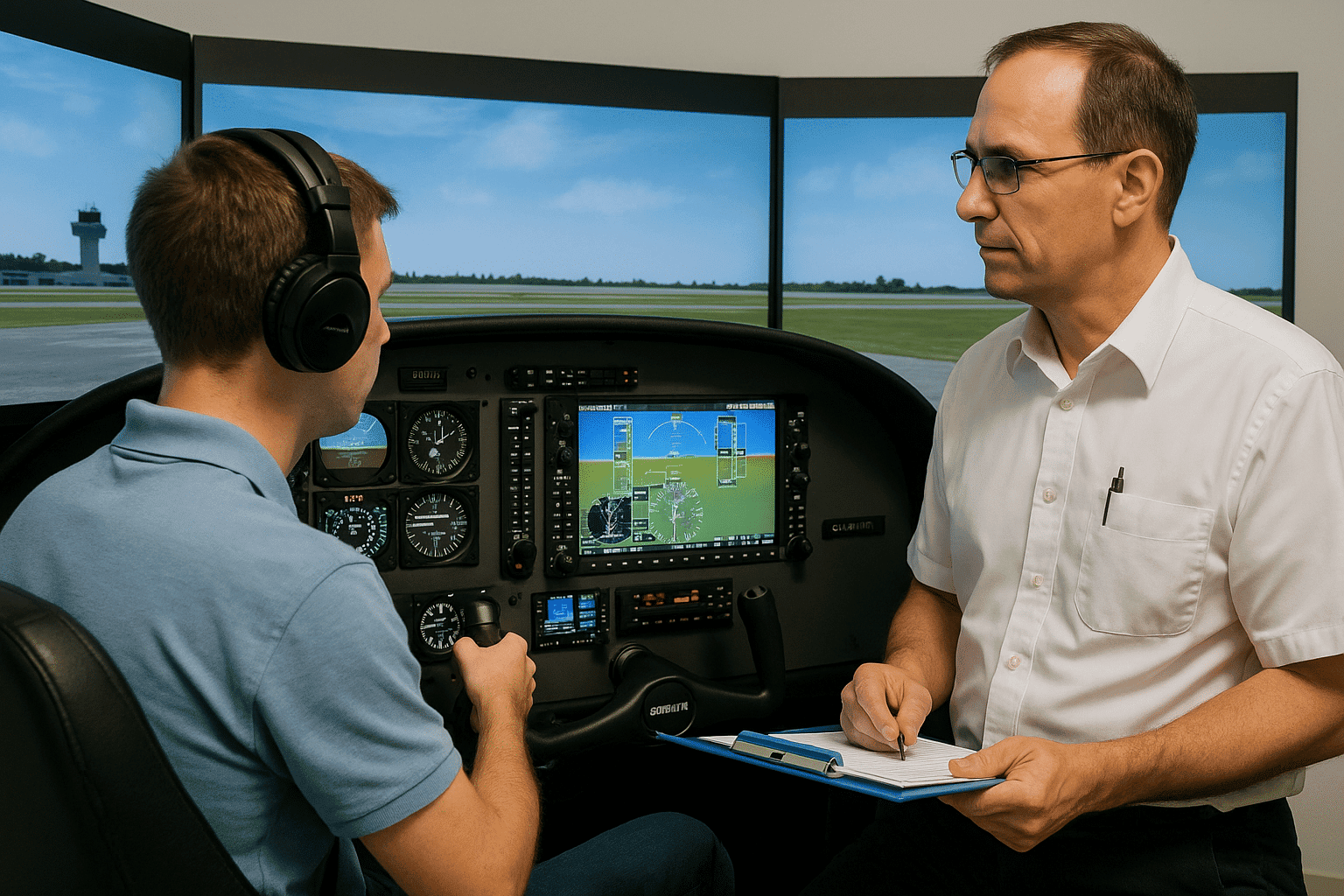
Pilot training trends 2025 are reshaping how new aviators prepare for the cockpit. From adaptive flight simulators to updated FAA requirements, the way students learn to fly is shifting fast. These aren’t small changes—they’re industry-wide shifts that affect your progress, your costs, and your future job prospects. Schools are adopting
When it comes to becoming a pilot, location matters more than most people think. Weather, training costs, airspace complexity, and access to quality instructors all directly impact how fast—and how well—you learn to fly. That’s why many students from around the world choose pilot training in Florida. With year-round flying

When you’re thousands of feet in the air, your physical fitness for aviation isn’t just about looking sharp in uniform—it’s about being mentally alert, physically capable, and medically cleared to make sound decisions in high-stakes environments. Pilots face unique physical and psychological demands: long hours, changing altitudes, irregular sleep, and
Choosing a flight school is one of the most important decisions you’ll make on your journey to becoming a pilot. It’s not just about picking the nearest academy or the one with the lowest tuition — it’s about aligning your aviation goals with the right training environment, instructors, aircraft, and

Flight training doesn’t end when you leave the flight school premises. In fact, some of the most valuable learning happens after hours—at home, on your own time. For those working toward their license, at-home drills for student pilots are an underrated but powerful way to stay sharp between lessons. These
Pilot training scholarships in the USA programs are becoming essential for anyone pursuing a career in aviation. With flight school costs ranging from $70,000 to $100,000, scholarships are no longer optional—they’re a financial lifeline for thousands of future pilots. In 2025, dozens of aviation organizations, flight schools, and airlines are
If you want to fly legally as a private pilot in the United States, you must meet the official Private Pilot License Requirements FAA mandates through the Federal Aviation Administration. These requirements are non-negotiable and apply to every applicant—regardless of where or how they train. In 2025, the FAA maintains
Get a Private Pilot License by successfully completing the FAA checkride, the final step in the certification process. This practical exam, conducted by a Designated Pilot Examiner (DPE), includes two main parts: an oral test and a flight test. During the oral exam, you’ll answer questions related to flight planning,

Every day, thousands of airplanes take off, fly across the globe, and land safely thanks to the critical work of air traffic control (ATC). ATC is the system and team responsible for guiding aircraft through the skies and on airport grounds, ensuring safe distances between planes and efficient flight paths.

Our flight students train with the goal of becoming commercial airline pilots. If your dream is to fly professionally for a major airline, we are committed to guiding you every step of the way. Flight training is just the beginning. When it’s time to advance your career and join a
If you’re serious about a career in aviation, understanding commercial pilot ranks is your first step toward navigating the skies — and your career ladder. These ranks aren’t just titles; they define your role in the cockpit, your responsibilities, and the path to greater authority and higher pay. From the
Students at Florida Flyers Flight Academy dedicate themselves fully to achieving their dream of becoming airline pilots. Along the way, they build valuable relationships that support their careers well beyond flight school. But the big question remains: what airline pilot salary can I expect to earn? How much do pilots

Comprehensive Southwest airline pilot salary guide for 2026: First Officer starting pay from $92/hour, Captain rates up to $317/hour, annual earnings by seniority, detailed hourly pay scales, profit sharing and benefits breakdown, retirement contributions, and complete compensation comparison with Delta, United, and American Airlines pilots. Southwest Airlines pilots are among
If you’re looking to train as a pilot, Florida stands out as one of the best places to start your journey in 2025. With its near-perfect flying weather year-round, numerous FAA-certified flight schools, and strong ties to the aviation industry, Florida offers unique advantages that make it an ideal location
In 2025, the aviation industry is on the rise, and demand for skilled pilots has never been higher. But here’s the reality: your success starts long before you log your first solo hour. It begins with choosing the right flight school. The top flight schools in America aren’t just places
Flying isn’t just a childhood dream anymore — it’s a serious, structured career path. And in 2025, it’s more accessible than most people think. While others chase saturated markets and unstable job roles, smart candidates are quietly choosing aviation — and learning exactly what it takes to become a pilot