
The aviation industry continues to evolve, and so does the demand for structure, safety, and compliance in flight training. At the center of every well-run flight school stands a Chief Flying Instructor—the individual responsible for maintaining training quality, standardizing instruction, and ensuring the entire school operates within FAA regulations.
Whether you’re a Certified Flight Instructor looking to advance your career or a school administrator setting training policies, understanding the role of the Chief Flying Instructor is critical in 2025. This position isn’t just a title—it’s a regulatory and leadership role that directly impacts student success, safety outcomes, and compliance.
In this guide, you’ll learn what a Chief Flying Instructor does, what qualifications are required, how the FAA defines the role, and how to transition from flight instructor to training leader. From checkride readiness to syllabus development, we’ll break down everything you need to know about becoming—or working with—a Chief CFI.
A Chief Flying Instructor (CFI) is a designated authority within an FAA-approved flight school, responsible for supervising flight instruction, standardizing teaching methods, and maintaining regulatory compliance. Under FAA Part 141, a Chief Flying Instructor must meet specific experience and certification requirements and is officially listed in the school’s Training Course Outline (TCO).
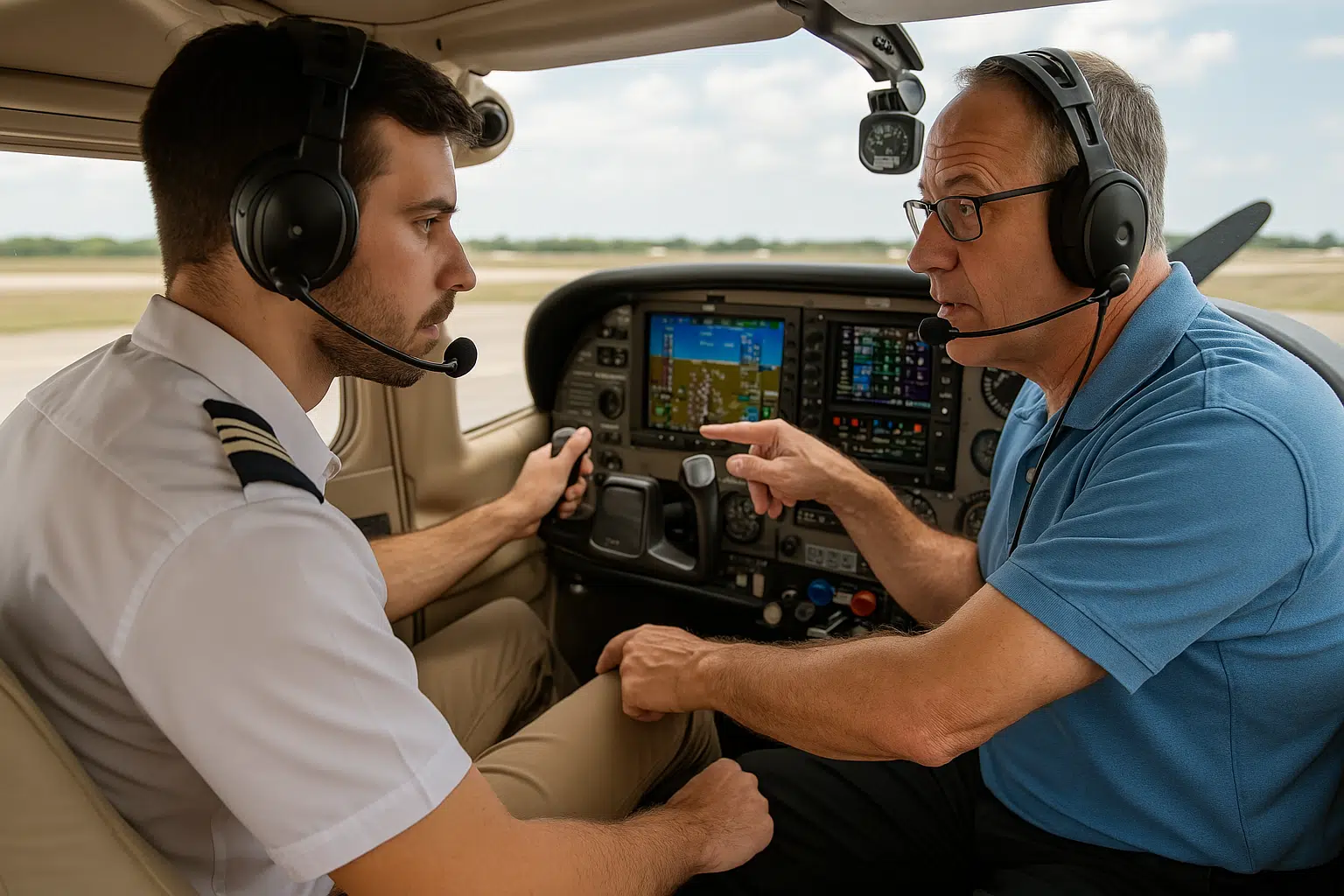
Unlike a standard flight instructor who focuses solely on student instruction, the chief flying instructor oversees the entire instructional program. They evaluate instructor performance, audit lesson plans, and ensure students are progressing according to the FAA-approved syllabus.
This role typically sits near the top of the school’s training hierarchy—above individual CFIs and often reporting directly to the Director of Operations or the school’s owner. In structured environments like Florida Flyers Flight Academy, the Chief Flying Instructor plays a central role in maintaining consistency, safety, and accountability across all training programs.
The responsibilities of a Chief Flying Instructor are wide-ranging and require both instructional expertise and leadership skills. The FAA outlines core duties in its guidance for Part 141 flight schools, and while responsibilities can vary by institution, they generally include:
The Chief Flying Instructor ensures that all flight and ground instruction follows the FAA-approved syllabus. Any curriculum updates, changes in teaching procedures, or implementation of new technology typically pass through their desk.
They conduct regular evaluations of CFIs to ensure consistent instruction across the board. This includes stage checks, instructor reauthorization, and mentorship for new instructors.
Chief CFIs track student progression, address delays in syllabus completion, and handle performance issues. They’re often the final authority on whether a student is checkride-ready.
FAA audits, recordkeeping, endorsements, and standardization meetings all fall under this role. The Chief Flying Instructor acts as the school’s primary liaison with the FAA on training-related matters.
In short, the chief flying instructor ensures that every aspect of the training operation meets FAA expectations—while also guiding instructors and students toward excellence in safety, skill, and professionalism.
To become a Chief Flying Instructor, candidates must meet both FAA regulatory standards and internal school expectations. The qualifications ensure that the instructor not only understands flight training but can lead others and manage a compliance-driven program effectively.
Minimum FAA requirements (typically under Part 141) include:
Beyond certifications and flight time, the role demands proven supervisory experience and instructional leadership. Many Chief CFIs are promoted from within after serving as senior instructors or training managers. They must also demonstrate:
These qualifications ensure that a chief flying instructor can balance the instructional, administrative, and compliance needs of a growing flight school.
Under FAA Part 141, the role of a CFl is defined with clarity and legal authority. The Chief CFI is responsible for maintaining the integrity and quality of all flight training delivered under the school’s approved Training Course Outline (TCO).
Official responsibilities include:
Because this role is tied to regulatory oversight, only flight schools that operate under Part 141 are required to designate a CFl. Their signature is often needed for student endorsements, instructor authorizations, and updates to FAA records.
In essence, the chief flying instructor serves as the FAA’s point of contact inside the flight school—responsible for both upholding the law and ensuring a high standard of education across every stage of the program.
Although the roles of Chief Flying Instructor and Chief Pilot are sometimes confused, they serve very different purposes within a flight school or aviation organization. The Chief Flying Instructor focuses on training. Their domain includes curriculum oversight, student progress, instructor supervision, and ensuring FAA compliance in instructional delivery—particularly under Part 141 operations.
The Chief Pilot, by contrast, is responsible for flight operations. This includes aircraft scheduling, flight crew management, and implementing the company’s standard operating procedures. While the Chief Flying Instructor ensures that students are taught correctly, the Chief Pilot ensures that flights are carried out safely and efficiently within operational guidelines.
In larger schools, these two roles work closely together—particularly when coordinating instructor checkrides or managing safety reviews. But their lines of responsibility remain distinct. The Chief Flying Instructor holds authority over what happens in the training program; the Chief Pilot manages what happens on the ramp and in the air.
The journey to becoming a Chief Flying Instructor typically begins the same way as any other instructor—earning a CFI certificate and logging instructional hours. But beyond the basics, those who rise to the chief role demonstrate a deeper commitment to leadership, curriculum management, and regulatory knowledge.
Most Chief CFIs progress from standard instruction to specialized ratings like the CFII and MEI, which open the door to advanced student endorsements and multi-engine training. But certifications alone aren’t enough. Flight schools look for instructors who actively contribute to standardization meetings, assist with stage checks, and mentor new instructors.
The transition often includes taking on responsibilities like reviewing training logs, conducting mock checkrides, or updating syllabus content. Eventually, a flight school may nominate a senior instructor to serve as Assistant Chief—a stepping stone to the Chief Flying Instructor position.
This path is most visible in structured, FAA-approved environments like Florida Flyers Flight Academy, where advancement is based not just on flight hours, but on leadership, integrity, and a demonstrated ability to elevate the entire training team.
Instruction is at the heart of aviation safety—and that’s where this role has its greatest impact. By overseeing compliance, standardizing curriculum delivery, and guiding instructors, this leadership position ensures a school’s training standards meet both FAA requirements and student expectations.
At schools like Florida Flyers Flight Academy, experienced educators step into this role not just to supervise, but to shape the quality and consistency of pilot training. Their influence is seen in every safe solo, every passed checkride, and every student who progresses confidently through the ranks.
Explore how Florida Flyers ensures top-tier training through expert oversight and structured instruction—from private pilot to professional-level performance.
It includes overseeing instructor activity, reviewing student progress, maintaining training records, and ensuring compliance with FAA standards.
Only FAA Part 141 schools are required to designate someone in this role. Part 61 programs are more flexible and may not have a formal chief.
It usually requires significant experience, advanced ratings, and time spent mentoring other instructors or contributing to curriculum oversight.
FAA Part 141 regulations and advisory circulars detail the required qualifications, duties, and scope of authority for this position.
The former focuses on training and instructional quality, while the latter handles flight operations, scheduling, and crew coordination.
Contact the Florida Flyers Flight Academy Team today at (904) 209-3510 to learn more about how to do the foreign pilot license conversion in 4 steps.


