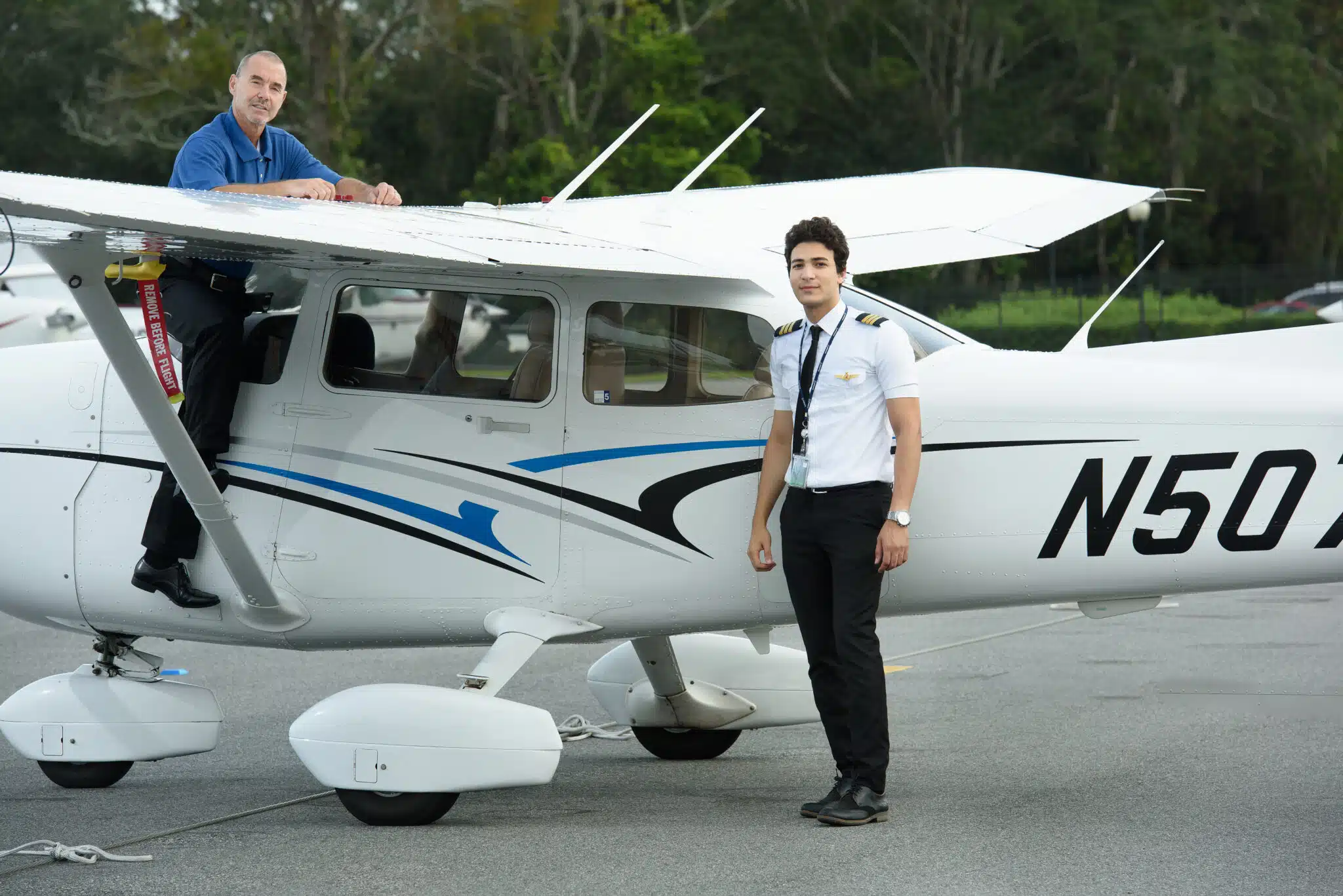
A pilot needs extensive training to become one.
And that training? It requires specific types of aircraft.
Especially if you’re a student pilot or training to become a private pilot.
You’re not going to train with a Boeing 737 just because you dream of flying commercial planes someday.
Why not?
Because you’d be overwhelmed. Completely.
And let’s be real—flight schools can’t afford to buy or maintain jets for training purposes.
Instead, you’ll start small. Planes like the Cessna 172 or Piper PA-28.
They’re simple. Reliable. Built for beginners.
These training aircraft are where every pilot’s journey begins. They’re designed to help you master the basics—without overwhelming you.
But not all training aircraft are the same.
Each type has a specific purpose. From teaching basic flight skills to preparing you for complex systems, every stage of pilot training uses a different kind of aircraft.
In this guide, I’ll break it all down.
You’ll learn about the types of pilot training aircrafts you’ll use at each step of your journey.
And by the end? You’ll know exactly why these planes matter—and which one might help you take off.
Let’s get started.
Overview of Types of Pilot Training Aircrafts
Not all planes are created equal.
Especially when it comes to pilot training.
The types of pilot training aircrafts you’ll encounter are designed to match different stages of your journey. From mastering the basics as a beginner to handling advanced systems later on, each type plays a critical role in turning you into a skilled aviator.
So, what are these categories?
- Single-engine aircraft for beginner training.
- Multi-engine planes for advanced skills.
- Glass cockpit aircraft to prepare you for modern aviation.
- Turboprops and jets for high-performance, professional-level training.
Roles in Training (Stage-by-Stage):
- Beginner Training: Start with single-engine planes, like the Cessna 172. They’re easy to handle and perfect for teaching the basics of flying.
- Private Pilot Certification: Move to versatile aircraft like the Piper PA-28, which is great for cross-country training and building confidence.
- Advanced Training: Transition to multi-engine aircraft, like the Diamond DA42, where you’ll learn emergency procedures and system management.
- Commercial Training: Turboprops and jet trainers come into play for handling speed, power, and complex systems.
Why It Matters:
- You can’t skip steps. Training aircraft are designed to teach you just enough at each stage.
- The right aircraft ensures safety, cost-efficiency, and a smooth learning experience.
- Knowing the types of pilot training aircrafts you’ll encounter helps you understand what lies ahead and plan for it.
Popular Types of Pilot Training Aircrafts
Some training planes are legendary.
And for good reason.
These types of pilot training aircrafts are staples in flight schools worldwide because they’re reliable, safe, and designed to help students succeed.
- Cessna 172: It’s the most widely used training aircraft ever. Simple, forgiving, and available almost everywhere.
- Piper PA-28: A favorite for cross-country training, thanks to its stability and durability.
- Cirrus SR20: Modern and tech-savvy, this plane prepares you for the high-tech systems of today’s commercial aviation.
Why Flight Schools Love Them:
- Reliability: These planes can handle heavy use without constant downtime.
- Safety: Built with beginner-friendly features, like stall warnings and forgiving controls.
- Accessibility: Available worldwide, making it easier for students to train on them.
These planes are the backbone of pilot training—and the reason so many pilots trust them for learning.
Single Engine Types of Pilot Training Aircrafts
Every pilot starts somewhere.
And for most? It’s in a single-engine aircraft.
These types of pilot training aircrafts are perfect for beginners because they’re simple, safe, and affordable. They’re built to teach you how to fly without overwhelming you.
- Cessna 152: A compact two-seater that’s easy to control and incredibly reliable.
- Diamond DA40: A sleek, modern trainer with advanced avionics for students who want a touch of innovation.
What Makes Single-Engine Planes Perfect for Beginners?
- Simplicity: You focus on flying, not managing complex systems.
- Affordability: They cost less to operate and maintain, saving money for students and schools.
- Forgiving Design: These planes are stable and predictable, making it easier to recover from mistakes.
If you’re just starting your pilot journey, a single-engine trainer is where you’ll build your foundation.
Multi Engine Types of Pilot Training Aircrafts
Flying a plane with one engine is manageable.
But two engines? That’s where things get serious.
These types of pilot training aircrafts take your skills to the next level. They’re designed to teach you advanced techniques, like managing emergencies and operating complex systems.
Why Multi-Engine Aircraft Are Essential
When one engine fails, can you handle it? That’s what multi-engine training is all about. You’ll learn how to safely fly and land when things don’t go as planned. And it’s not just emergencies—you’ll get comfortable managing fuel systems, dual-engine controls, and more.
Examples of Multi-Engine Training Aircrafts
The Diamond DA42 is a favorite for a reason. It’s sleek, modern, and packed with technology. Plus, it’s forgiving enough for students learning the ropes.
Then there’s the Beechcraft Baron. A classic. This plane is powerful and robust, giving you a real-world feel for multi-engine flying.
What You’ll Gain from Multi-Engine Training
- Confidence.
- Decision-making.
- Handle emergencies under pressure.
Multi-engine planes prepare you for the complexities of professional aviation.
Types of Pilot Training Aircrafts with Glass Cockpit Systems
Technology is taking over aviation, and glass cockpits are leading the charge.
These types of pilot training aircrafts are your first step into the high-tech world of modern flying. Forget analog dials—these planes are all about sleek digital displays and real-time data.
What Are Glass Cockpits?
Think of a glass cockpit as your co-pilot. It consolidates everything you need—altitude, speed, navigation—into one easy-to-read display. It’s clearer, faster, and safer.
Examples of Glass Cockpit Training Aircrafts
The Cirrus SR20 is as modern as it gets. With Garmin avionics and safety features like a parachute system, it’s a game-changer for student pilots.
Another favorite? The Diamond DA40. It blends cutting-edge technology with the simplicity of a single-engine design.
Why Train with Glass Cockpits?
Because they prepare you for the real world. Commercial jets rely on glass cockpit systems, and training on them early gives you a huge advantage. You’ll develop better situational awareness, make faster decisions, and get comfortable with modern aviation tech.
Piston Engine Types of Pilot Training Aircrafts
If you’ve ever trained at a flight school, chances are you’ve flown a piston-engine plane.
These types of pilot training aircrafts are simple, reliable, and affordable. That’s why they’ve been the go-to choice for decades.
What Are Piston-Engine Aircrafts?
Piston-engine planes use internal combustion engines—just like cars. But don’t let their simplicity fool you. They’re perfect for building a solid foundation in flying.
Examples of Piston-Engine Training Aircrafts
The Piper PA-28 is a flight school favorite. Its stability and forgiving nature make it perfect for private pilot training.
Then there’s the Cessna 172, arguably the most popular training plane in the world. Reliable, easy to fly, and available everywhere—it’s the definition of a beginner’s aircraft.
Why Piston-Engine Aircrafts Are the Backbone of Training
They’re affordable, which makes training accessible for more students. They’re simple, so you can focus on learning the basics. And they’re proven—flight schools like Florida Flyers Flight Academy have trusted these planes for decades to produce confident, skilled pilots.
Turboprop Types of Pilot Training Aircrafts
Turboprops are the middle ground.
Not as simple as piston planes. Not as advanced as jets.
These types of pilot training aircrafts are designed to challenge you. They teach you how to handle more power, more speed, and more complexity—all while keeping things manageable.
Think of turboprops as your stepping stone. They bridge the gap between basic trainers and jet engines. You’ll learn how to manage faster speeds, advanced systems, and high-altitude flying—all skills you’ll need for the real world of professional aviation.
The Pilatus PC-12 is a favorite for its versatility. It’s a single-engine turboprop that handles beautifully while giving you the tools to master high-performance systems.
Then there’s the Beechcraft King Air, the ultimate twin-engine turboprop. It’s powerful, reliable, and a perfect introduction to larger, more complex planes.
Turboprops push you. They introduce you to high-performance flying while giving you just enough room to grow. From managing advanced systems to navigating faster speeds, this is where you build the confidence to take on jets.
Affordable Types of Pilot Training Aircrafts
Pilot training doesn’t have to cost a fortune.
There are types of pilot training aircrafts that are affordable, reliable, and perfect for learning. And the best part? They don’t sacrifice quality for cost.
Let’s face it: flight training is expensive. From lessons to equipment, the costs add up quickly. That’s why affordable training aircraft are so important. They keep costs low without compromising safety or functionality.
The Tecnam P2002 is a lightweight two-seater that’s easy to fly and even easier to maintain. Its fuel efficiency and simple design make it a favorite for budget-conscious flight schools.
Another great option is the Diamond DA20. It’s sleek, reliable, and surprisingly affordable for what it offers.
Affordability is about more than price. The best training planes combine low operating costs with solid performance. They let you learn without worrying about breaking the bank—or cutting corners.
Known Brands of Types of Pilot Training Aircrafts
Some brands just stand out.
When it comes to types of pilot training aircrafts, names like Cessna, Piper, and Cirrus have earned their place at the top. These brands are trusted by flight schools worldwide—and for good reason.
Cessna
Cessna is the gold standard in training aircraft. Planes like the Cessna 172 are known for their reliability, ease of use, and versatility. It’s no wonder they’re used in almost every flight school on the planet.
Piper
Piper planes, like the PA-28, are loved for their stability and durability. These low-wing aircraft provide a smooth, steady ride, making them perfect for both beginner and advanced training.
Diamond Aircraft
Diamond brings innovation to the skies. Their DA40 and DA42 models combine modern avionics with sleek, fuel-efficient designs, making them a top choice for schools looking to prepare students for the future of aviation.
Cirrus
Cirrus planes are all about technology. The Cirrus SR20 is a standout, with its glass cockpit and built-in safety features like a parachute system. It’s perfect for training in today’s tech-heavy aviation world.
Great aircraft start with great manufacturers. Trusted brands ensure quality, safety, and performance, giving students the best tools to succeed.
Conclusion
Every great pilot starts with the right tools.
The types of pilot training aircrafts you choose play a crucial role in your aviation journey. From beginner-friendly piston planes to advanced turboprops and glass cockpit trainers, each type serves a unique purpose in helping you develop essential skills.
Choosing the right aircraft isn’t just about preference—it’s about matching your training goals and budget. A single-engine trainer like the Cessna 172 might be perfect for mastering the basics, while a turboprop like the Pilatus PC-12 prepares you for the complexity of professional aviation.
Now it’s your turn. Explore the options, learn what works best for your needs, and take that next step toward your dream of flying. The sky is waiting—and the right training aircraft will help you reach it.
Contact the Florida Flyers Flight Academy Team today at (904) 209-3510 to learn more about how to do the foreign pilot license conversion in 4 steps.