Flying isn’t as simple as it looks, is it?
Pilots don’t just wake up one day, hop into a cockpit, and take off. The training behind every flight is intense, and one of the most effective tools they use? Simulator training for pilots.
Simulators aren’t just about pressing buttons and staring at screens. They’re where pilots learn to handle emergencies, master tricky maneuvers, and make decisions under pressure—all without ever leaving the ground.
In this guide, we’ll dive into why simulator training for pilots has become a cornerstone of modern aviation. From the benefits to the technology, and even how simulators make pilots safer, this is the ultimate training resource.
Ready to take off? Let’s get started.
Flying isn’t forgiving. Mistakes in the air can be costly—sometimes even deadly. That’s why simulator training for pilots is more than a tool; it’s a lifeline. It allows pilots to make errors, learn, and perfect their skills in a safe environment.
Simulators are designed to replicate real-world conditions. They teach pilots how to handle everything from smooth flights to emergency situations—engine failures, rough landings, or severe turbulence. The best part? It all happens without putting lives or aircraft at risk.
Cost is another reason simulators are so valuable. Actual flight hours are expensive, and while real-world experience is essential, simulators provide a cost-effective way to train for situations that are difficult (or too dangerous) to practice in the air.
Most importantly, simulator training builds confidence. When pilots face the unexpected in real life, they’ve already been there in training. They know the procedures, they’ve made the decisions, and they’re ready to take control.
The benefits of simulator training for pilots go far beyond convenience. Simulators offer a unique combination of safety and flexibility that traditional flight training can’t always provide.
Risk-Free Learning: Pilots can practice high-risk scenarios like engine failures or extreme weather without putting themselves—or anyone else—in danger.
Cost Savings: Operating an actual aircraft is expensive. Simulators cut costs while providing nearly identical training experiences.
Repetition and Refinement: Simulators allow pilots to repeat basic maneuvers as often as needed, perfecting their skills in ways real-world flying can’t replicate.
Emergency Preparedness: Practicing rare, high-stakes situations builds muscle memory and sharpens decision-making under pressure.
Environment Control: In a simulator, instructors can create any scenario imaginable, from severe turbulence to low-visibility landings.
Not all simulators are created equal. Simulator training for pilots includes a range of devices, each designed for specific needs and training levels.
Desktop Simulators: These are basic setups, often used by student pilots to practice instrument navigation and procedures at a lower cost.
Flight Training Devices (FTDs): FTDs offer more advanced systems, replicating specific aircraft models and basic flight controls.
Full-Flight Simulators (FFSs): These are the gold standard for professional training, featuring full-motion platforms and highly realistic cockpits.
Military Simulators: Built for combat and tactical scenarios, military simulators are designed for extreme precision and mission-specific training.
Specialized Simulators: These focus on specific tasks, like helicopter training, multi-engine management, or advanced weather navigation.
Each type plays a crucial role in preparing pilots for their unique challenges in aviation.
When it comes to simulator training for pilots, choosing the right flight school can make all the difference. The best schools combine cutting-edge simulators with expert instruction to prepare pilots for the real-world challenges of aviation.
Here are three top schools that excel in simulator training:
At the top of the list is Florida Flyers Flight Academy. Known as the best in the business, Florida Flyers offers the most sophisticated and state-of-the-art flight simulators in the industry.
Their simulators replicate the latest aircraft models and provide full-motion experiences. This allows pilots to practice everything from smooth landings to handling emergencies with complete realism.
What sets Florida Flyers apart is their hands-on approach. Their expert instructors ensure every session is focused, effective, and tailored to the needs of the pilot. If you’re serious about excelling in simulator training for pilots, Florida Flyers is the place to be.
The University of North Dakota is a powerhouse in aviation education. Their advanced simulators recreate real-world flying conditions, from routine maneuvers to complex scenarios.
UND’s program emphasizes the seamless integration of simulator training with actual flight experience. This ensures pilots gain confidence both in and out of the cockpit.
Whether it’s practicing navigation or managing in-flight emergencies, UND equips pilots with the skills they need to succeed.
Purdue University’s aviation program is another standout for simulator training for pilots. Their state-of-the-art facilities include simulators designed to mimic the demands of commercial aviation.
Purdue focuses on practical, scenario-based training. This helps pilots refine their technical abilities while building the confidence to handle high-pressure situations.
From basic skills to advanced techniques, Purdue’s program ensures pilots are fully prepared for real-world aviation challenges.
Airline operations demand precision. Every pilot must know their aircraft inside and out. That’s why simulator training for pilots is a cornerstone of airline training programs.
Simulators allow pilots to train on specific aircraft models. From the cockpit layout to system operations, pilots become familiar with every detail before ever flying the real thing. This reduces errors and ensures smooth operations from day one.
It’s not just individual training—it’s about teamwork. Simulators are essential for Crew Resource Management (CRM). Pilots practice working together, handling high-pressure scenarios, and communicating effectively. These sessions prepare crews to handle emergencies as a unified team.
For airlines, simulators are a safer, cost-effective way to build pilot competence. They ensure that every crew member, from the captain to the first officer, is ready for anything the skies may throw at them.
Emergencies don’t happen often, but when they do, pilots need to respond instantly. That’s where simulator training for pilots makes all the difference.
Simulators create realistic, high-stakes scenarios. Pilots can practice engine failures, bird strikes, or even complete electrical system failures. These are situations no one wants to face in real life, but they’re critical to prepare for.
Repetition is key. In a simulator, pilots can repeat these emergency scenarios as many times as necessary. They learn what works, correct their mistakes, and develop muscle memory for when it really counts.
This kind of training isn’t just about skills—it’s about confidence. Pilots who have practiced emergencies in a simulator know how to stay calm under pressure. They’re ready to act, even in the most unexpected situations.
Is simulator training for pilots as effective as traditional flight training? In many cases, it’s even better. Simulators provide pilots with focused, scenario-based practice that can’t always happen in the air.
Simulators allow for high-risk training without real-world consequences. Pilots can practice extreme weather landings, mid-air system failures, or other rare events safely. This targeted training leads to better skill retention.
Another advantage? Real-time feedback. During simulator sessions, pilots receive immediate input on their performance. This helps them refine their skills and avoid repeating mistakes.
Studies show that simulator-trained pilots are more prepared for real-world situations. When combined with actual flight time, simulator training creates pilots who are sharp, adaptable, and ready for anything.
Modern simulator training for pilots is more realistic than ever before. Advancements in technology have transformed simulators into immersive training environments that mirror real-world flying conditions.
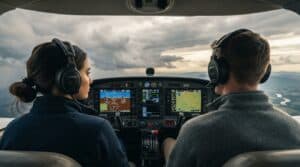
High-resolution visuals recreate everything from clear skies to stormy weather, while motion systems simulate the bumps and tilts of actual flight. These features give pilots a true sense of what it feels like to handle turbulence, land in crosswinds, or navigate tricky terrain.
Realism isn’t just about visuals and movement. Cutting-edge simulators integrate artificial intelligence (AI) to replicate air traffic, system failures, and even the behavior of other aircraft. This adds a layer of unpredictability that prepares pilots for real-life scenarios.
The closer simulators get to reality, the more effective the training becomes. Pilots gain valuable experience that directly translates to the cockpit, making them more prepared and confident in the air.
While simulator training for pilots is highly effective, it comes with its own challenges. Adapting to a simulated environment can feel unnatural at first, especially for new pilots.
One common issue is over-reliance on simulated scenarios. While simulators prepare pilots for emergencies, some find it difficult to transition those skills to actual flights. Bridging the gap between simulation and reality requires consistent practice and thorough debriefing.
Another challenge is understanding the limitations of simulators. While realistic, they can’t fully replicate the emotional intensity of a real emergency. Training programs often emphasize the importance of combining simulator sessions with real-world experience.
To maximize the benefits of simulator training, pilots need to treat it like the real thing. This means focusing on attention to detail, following procedures, and using every session as a chance to improve.
Simulator training for pilots isn’t just a tool—it’s a game-changer. It provides a safe, cost-effective way for pilots to practice everything from basic maneuvers to advanced emergency protocols.
The benefits are clear. Simulators build confidence, sharpen skills, and prepare pilots for the unexpected. They make flying safer—for pilots, passengers, and everyone involved in aviation.
Consistency is key. By incorporating simulators into their training programs, pilots and organizations can ensure they’re always one step ahead. It’s not just about keeping up with technology—it’s about creating safer skies.
Ready to take your training to the next level? It all starts in the simulator.
Contact the Florida Flyers Flight Academy Team today at (904) 209-3510 to learn more about how to do the foreign pilot license conversion in 4 steps.