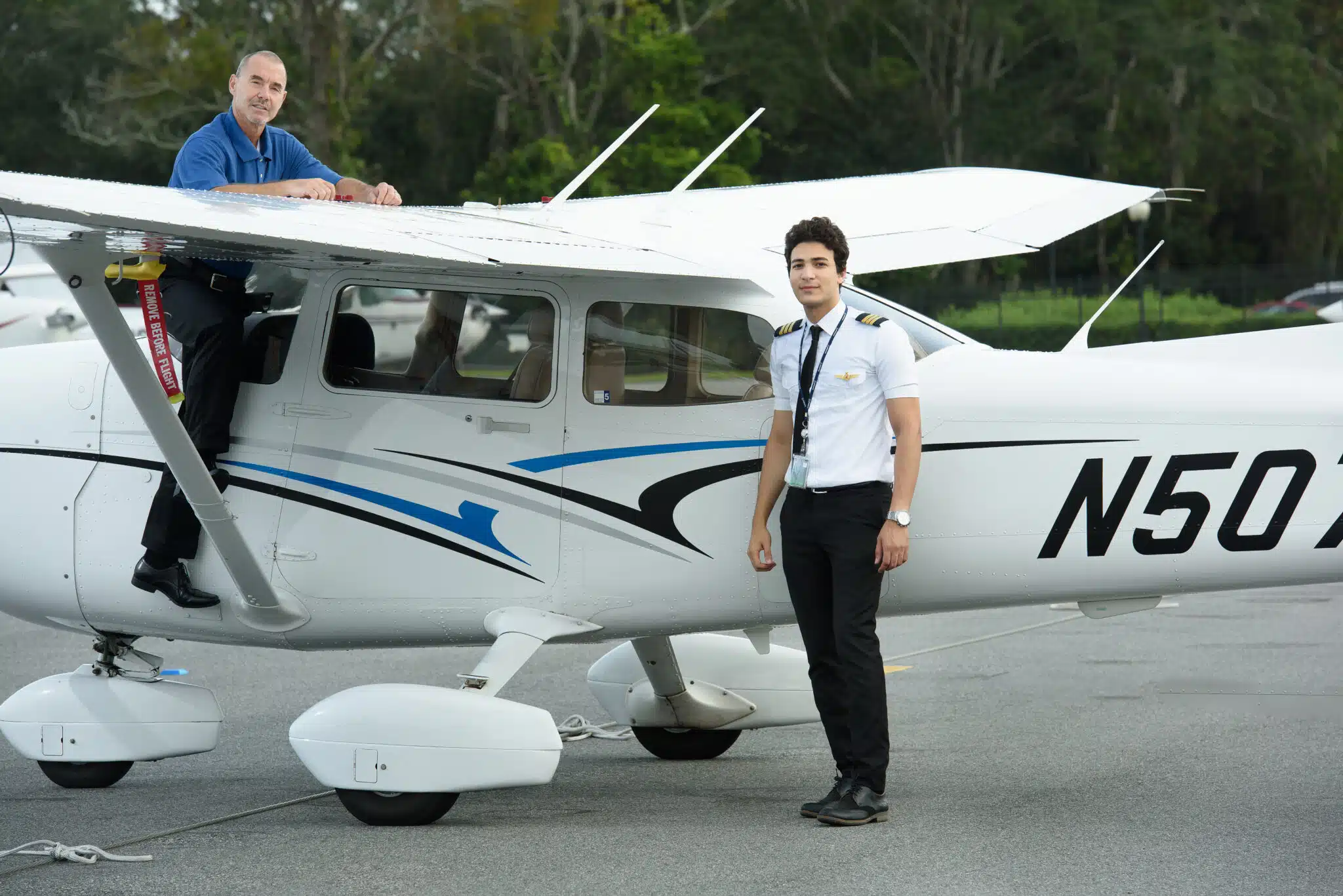
Embarking on your journey at a flight training school is more than just signing up for classes—it’s the first step toward turning your dream of becoming a pilot into reality. But here’s the truth: enrollment is just the beginning.
The real challenge lies in making the most of your time in training. It’s about building the skills, confidence, and discipline needed to handle an aircraft in any situation. After all, the skies don’t forgive hesitation, and neither should your preparation.
To help you navigate this exciting yet demanding phase, we’ve put together 7 proven tips for success in flight training school. These strategies will not only help you excel in your program but also set the foundation for a thriving aviation career. Let’s get started.
1. Embrace a Learning Mindset
Learning to fly is unlike anything you’ve ever done before. It’s a unique blend of technical knowledge, hands-on skill, and mental discipline. To succeed in flight training school, you need to show up ready to learn—both in the air and on the ground.
Here’s how to make the most of every lesson:
Study Consistently: Between sessions, review your materials and practice mock flights at home. The more you prepare, the more you’ll absorb during training.
Take Care of Yourself: Knowledge alone isn’t enough. Show up well-rested, hydrated, and fueled with a good meal. A tired or hungry pilot is a distracted pilot.
Stay Focused: Treat every lesson, whether in the classroom or the cockpit, as a critical step toward your future.
Remember, success in flight training school isn’t just about showing up—it’s about showing up prepared, focused, and ready to grow.
2. Set Achievable Goals
Success in flight training school begins with knowing what you want to achieve. Take the time to ask yourself: What are your goals during training, and where do you see yourself after graduation?
As a student pilot, your goals should go beyond simply earning your license. Think about what you want to accomplish in each lesson. Are you struggling with a specific maneuver, like nailing your landings or mastering steep turns? Are there flight instruments or procedures you find challenging, such as reading the altimeter or executing a perfect emergency descent? Identify these areas and make them a focus.
But don’t stop there. Consider your long-term vision. Do you see yourself flying commercially, becoming a flight instructor, or exploring private aviation? Having a clear end goal will keep you motivated and focused throughout your training.
Once you’ve identified your goals, create a plan to achieve them. Break them down into smaller, manageable steps. For example, if you want to improve your landings, dedicate time to studying the techniques, practicing in a simulator, and discussing feedback with your instructor.
Remember, setting goals isn’t just about dreaming big—it’s about taking deliberate, consistent action to turn those dreams into reality. By doing so, you’ll not only succeed in flight training school but also build the foundation for a rewarding aviation career.
3. Strive for Mastery, Not Just Competence
If you want to truly excel in flight training school, you need to go beyond the basics. Don’t just accept what your instructor tells you at face value—dig deeper. Ask questions, seek clarity, and explore the “why” behind every concept and procedure.
For example, many students complete their training without fully grasping aerodynamics. They might know when to perform certain actions, like adjusting pitch or managing airspeed, but not why those actions are necessary. Understanding the principles behind flight—like lift, drag, and thrust—will transform you from a pilot who follows instructions to one who makes informed decisions.
The best pilots don’t just memorize checklists; they develop a profound understanding of their aircraft and the environment they operate in. They know how weather systems work, how to read the atmosphere, and how to adapt when conditions change. They’re prepared for unexpected situations because they understand the bigger picture.
Here’s how you can go above and beyond:
Ask Questions: If something isn’t clear, don’t hesitate to ask your instructor for a deeper explanation.
Study Independently: Dive into resources like aviation textbooks, online courses, or forums to expand your knowledge.
Practice Critical Thinking: During flights, think about why you’re performing each action and how it contributes to the overall safety and efficiency of the flight.
By striving for mastery, you’ll not only succeed in flight training school but also set yourself apart as a skilled, knowledgeable pilot ready for any challenge.
4. Track and Reflect on Your Progress
Learning to fly is a journey, and like any journey, it’s important to regularly assess where you are and where you’re headed. Evaluating your progress throughout flight training school isn’t just about passing checkrides—it’s about understanding your strengths, identifying areas for improvement, and tailoring your learning approach to maximize success.
Start by reflecting on how you learn best. Do you thrive with hands-on practice, or do you need more time studying theory? If reading manuals isn’t your strength, explore alternative resources like videos, flight simulators, or interactive apps. The key is to adapt your learning methods to suit your unique style.
Here’s how to effectively evaluate your progress:
Set Regular Check-Ins: After each lesson, take a few minutes to review what went well and what didn’t. Did you struggle with a specific maneuver, like crosswind landings or stall recovery? Make a note of it and discuss it with your instructor.
Seek Feedback: Don’t wait for your instructor to point out areas for improvement. Ask for constructive criticism and use it to refine your skills.
Celebrate Milestones: Acknowledge your achievements, whether it’s mastering a challenging maneuver or completing your first solo flight. Celebrating small wins keeps you motivated.
By consistently evaluating your progress, you’ll not only stay on track during flight training school but also build the self-awareness and discipline needed for a successful aviation career.
5. Communicate Openly with Your Instructors
In flight training school, there’s no room for pretending you understand something when you don’t. Becoming a skilled pilot requires mastery of countless concepts and techniques, and ignoring gaps in your knowledge can have serious consequences.
If you’re struggling with a concept, maneuver, or even your confidence, speak up. Your instructors are there to guide you, but they can’t help if they don’t know what’s holding you back. Whether it’s understanding aerodynamics, perfecting your landings, or managing pre-flight jitters, being open about your challenges is the first step to overcoming them.
Remember, it’s completely normal to feel anxious or nervous, especially when you’re trying something new. Your instructors have been in your shoes—they know what it’s like to face these challenges for the first time. By sharing your concerns, you give them the opportunity to tailor their teaching to your needs, provide extra practice, or simply offer the encouragement you need to push through.
Here’s how to make the most of your communication with instructors:
Ask Questions: No question is too small or too basic. If something isn’t clear, ask for clarification.
Be Honest About Your Feelings: If you’re feeling nervous or unsure, let them know. They can adjust their approach to help you build confidence.
Seek Feedback: Regularly ask for constructive criticism to identify areas for improvement.
By fostering open communication, you’ll not only succeed in flight training school but also build a strong foundation for a lifetime of safe and confident flying.
6. Fully Immerse Yourself in the Aviation World
If you’re serious about becoming a pilot, flight training school should be more than just a program—it should be a lifestyle. To truly excel, you need to eat, sleep, and breathe aviation. Surround yourself with everything flying-related, and make it a priority to connect with others who share your passion.
Here’s how to immerse yourself in the experience:
Build Connections: Get to know your classmates, instructors, and other aviation professionals. Join local aviation clubs or national organizations like the Aircraft Owners and Pilots Association (AOPA) or the Experimental Aircraft Association (EAA). These connections can provide support, mentorship, and even career opportunities down the line.
Stay Informed: Keep up with the latest news and trends in the aviation industry. Follow aviation blogs, podcasts, and forums to stay updated on new technologies, regulations, and safety practices.
Attend Events: Whenever possible, participate in airshows, fly-ins, or aviation seminars. These events are not only inspiring but also great opportunities to network and learn from experienced pilots.
By fully immersing yourself in the aviation world, you’ll become a more well-rounded and knowledgeable pilot. Plus, the relationships you build and the experiences you gain during flight training school can open doors to an exciting and fulfilling career.
7. Flight Training School: Build Confidence
Stepping into the cockpit for the first time can feel overwhelming. With a panel full of switches, instruments, and controls, it’s easy to doubt yourself. But confidence isn’t something you’re born with—it’s something you build through preparation, practice, and perseverance.
Here’s how to find your confidence during flight training school:
Trust Your Training: Remember, you’ve been taught the skills and knowledge you need to succeed. When you feel unsure, fall back on the procedures and techniques you’ve practiced repeatedly.
Stay Calm Under Pressure: Flying requires a calm and focused mindset. Take deep breaths, prioritize tasks, and tackle challenges one step at a time.
Learn from Mistakes: Every pilot, no matter how experienced, has made mistakes. What sets successful aviators apart is their ability to learn from those errors and try again. Don’t let a misstep shake your confidence—use it as an opportunity to grow.
Confidence grows with experience. The more you study, practice, and engage in your flight training school program, the more comfortable and capable you’ll feel in the cockpit. And when you do make a mistake? Remember, it’s all part of the journey. Keep your head up, trust your training, and keep flying forward.
Conclusion
Embarking on your journey at a flight training school is an exciting and transformative experience. It’s not just about learning to fly—it’s about developing the skills, mindset, and confidence to navigate the skies safely and successfully.
By following these 7 tips—staying prepared, setting goals, communicating openly, and immersing yourself in the aviation world—you’ll set yourself up for success both during and after your training. Remember, every pilot started where you are now, facing the same challenges and uncertainties.
The road to becoming a pilot isn’t always easy, but it’s incredibly rewarding. Stay focused, trust the process, and never lose sight of why you started. Your flight training school experience is just the beginning of an incredible adventure in the skies. So, take a deep breath, believe in yourself, and get ready to soar.
Contact the Florida Flyers Flight Academy Team today at (904) 209-3510 to learn more about how to do the foreign pilot license conversion in 4 steps.