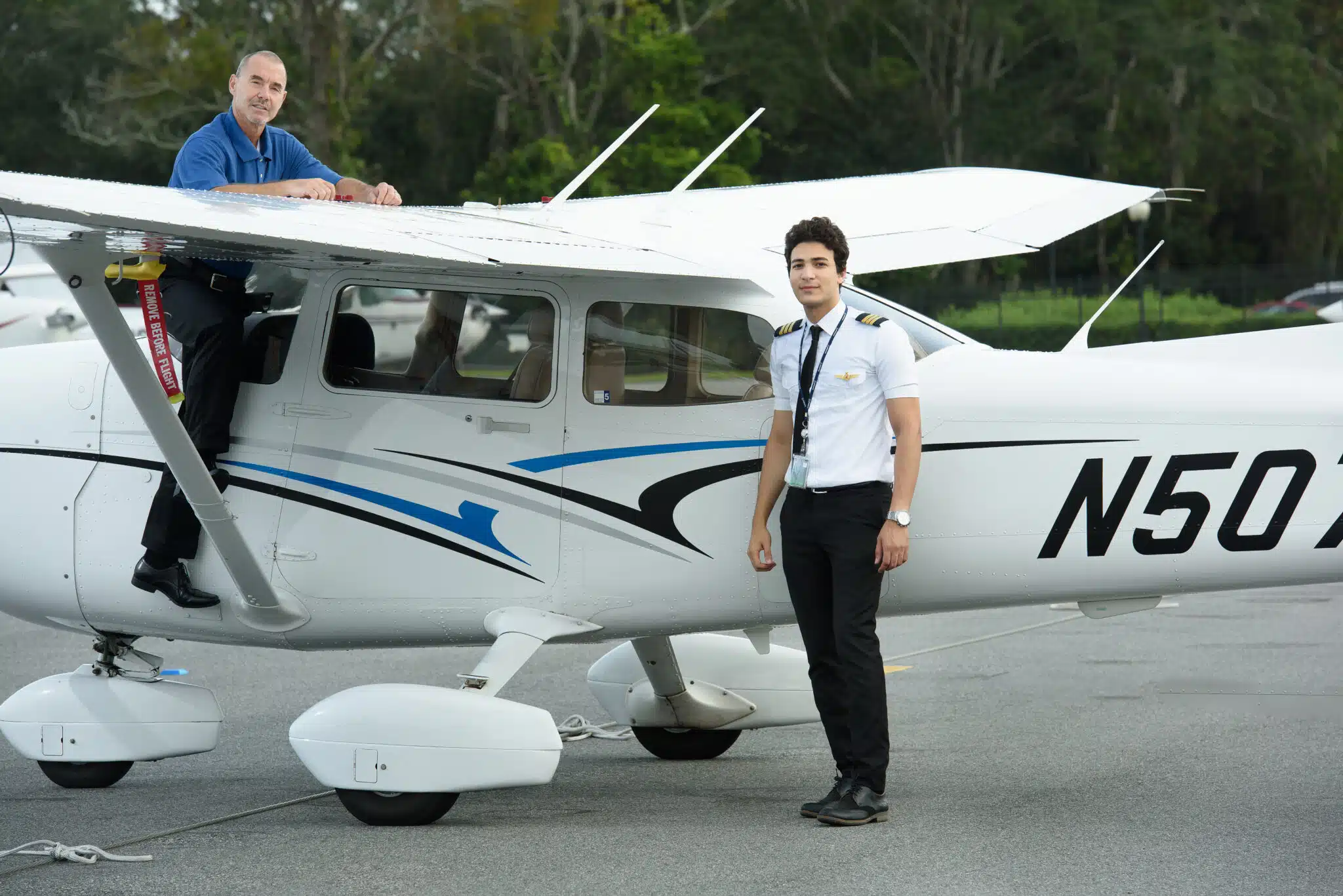
Truth be told, no career is easy. Whether it’s medicine, engineering, or aviation, every field demands hard work, dedication, and perseverance. Many believe that becoming a pilot is only for the wealthy or that the journey is impossibly difficult. But that’s far from the truth—anyone with the right mindset, commitment, and proper training can achieve their dream of flying.
Still, one question lingers in the minds of aspiring pilots: How hard is it to become a pilot?
The reality is that the journey comes with challenges—intensive training, financial investment, strict licensing requirements, and career hurdles. This guide breaks it all down, providing a clear picture of what it takes to earn those wings and launch a successful aviation career.
How Hard Is It to Become a Pilot? A Reality Check
Many aspiring aviators ask, how hard is it to become a pilot? The answer depends on training intensity, financial commitment, and career progression. While some find the journey exhilarating, others struggle with the sheer complexity of the process. Becoming a pilot requires technical knowledge, hands-on flight experience, and the ability to stay calm under pressure.
Aviation training isn’t just about learning to fly—it involves mastering aerodynamics, air navigation, aviation meteorology, air traffic control procedures, and emergency response. Pilots must also pass strict medical exams, meet regulatory requirements, and accumulate hundreds of flight hours before earning their wings.
What Makes Becoming a Pilot Challenging?
While aviation is an exciting career path, it comes with its fair share of challenges. One of the biggest hurdles is mastering aviation theory. Pilots need a deep understanding of aircraft systems, aerodynamics, and aviation regulations, which are tested through rigorous exams requiring months of preparation.
Flight training also presents difficulties, especially when it comes to perfecting takeoffs, landings, and emergency procedures. Handling an aircraft under real-world conditions requires strong situational awareness, precision, and the ability to make split-second decisions.
Beyond technical skills, the profession demands a high level of physical and mental endurance. Pilots must operate in high-stress environments, making quick decisions while managing factors like turbulence, technical failures, and air traffic congestion.
What Are the Easiest and Hardest Parts of Becoming a Pilot?
Not every aspect of flight training is equally difficult. Some phases are enjoyable and straightforward, while others require exceptional discipline and perseverance.
The easiest part for many students is the first solo flight, which serves as a major confidence booster. Passion-driven learners often find the basic flight maneuvers—such as turning, climbing, and descending—relatively intuitive.
However, the hardest challenges include passing theoretical exams on air law, meteorology, and navigation, which require intense study. Accumulating flight hours is another obstacle, as it demands both time and financial investment, especially for those pursuing a commercial license. Additionally, emergency simulations and check rides test a pilot’s ability to handle real-world crises under extreme pressure.
Ultimately, becoming a pilot is demanding but achievable. With the right training, mindset, and persistence, aspiring aviators can overcome these challenges and build a successful career.
How Hard Is It to Become a Pilot? Step-by-Step Process
The path to becoming a pilot involves intensive training, written exams, and practical flight experience. Each stage builds upon the previous one, ensuring pilots develop the necessary skills before progressing to advanced licenses.
Meeting the Basic Eligibility Requirements
Before enrolling in a flight school, aspiring pilots must meet key requirements. The minimum age varies by license: 16 for a Student Pilot License (SPL), 17 for a Private Pilot License (PPL), and 18+ for a Commercial Pilot License (CPL).
Medical certification is also crucial. Pilots must pass a Class 1 or Class 2 medical exam to ensure they meet vision, hearing, and overall health standards. Additionally, while a high school diploma is enough for most flight training programs, a college degree may be required for airline careers, depending on the region and employer.
Theoretical Training and Written Exams
Before stepping into a cockpit, pilots must complete classroom-based theoretical training in key subjects like meteorology, air law, navigation, and aircraft systems. These topics are covered through structured coursework and exams that require serious preparation.
Success in these tests depends on effective study habits, access to flight simulators for hands-on practice, and guidance from experienced instructors. Pilots who dedicate themselves to consistent learning find the process more manageable.
Flight Training and Practical Tests
Flight training is the most hands-on part of becoming a pilot, involving real-world flying experience under various conditions. The required flight hours vary by license:
- Private Pilot License (PPL): Requires a minimum of 40-50 hours, allowing pilots to fly privately but not for commercial purposes.
- Commercial Pilot License (CPL): Requires 200-250 hours, qualifying pilots to fly professionally.
- Airline Transport Pilot License (ATPL): Requires 1,500 hours, the final requirement for airline captains.
Every licensing stage concludes with a checkride conducted by an aviation examiner. This final test evaluates a pilot’s ability to fly safely and handle unexpected situations.
Career Progression After Licensing
Earning a license is only the beginning of a pilot’s career. New commercial pilots often start by working as Certified Flight Instructors (CFIs) to build flight hours while training students. Others gain experience in charter flights, cargo transport, or regional airlines before advancing to major airlines.
The career ladder typically starts with an entry-level First Officer position, where pilots accumulate more experience before becoming Captains. While the journey is long, those who stay committed can achieve a rewarding and high-paying aviation career.
How Hard Is It to Become a Pilot? Overcoming the Challenges
Many aspiring aviators wonder, how hard is it to become a pilot? While the journey is demanding, success comes down to mindset, preparation, and perseverance. Pilot training is rigorous, requiring extensive theoretical knowledge, practical flight skills, and the ability to handle high-pressure situations. However, with proper training techniques and strategic learning, the process becomes more manageable.
The Most Difficult Aspects of Pilot Training
Certain aspects of pilot training are universally challenging. One of the biggest difficulties is memorizing aviation regulations, navigation charts, and technical procedures. Pilots must fully understand airspace classifications, flight planning protocols, and aircraft performance limitations.
Executing emergency procedures under pressure is another major hurdle. From engine failures to adverse weather conditions, pilots must react swiftly and correctly, making decisions that ensure passenger and crew safety.
Cockpit multitasking also presents challenges. Pilots must manage flight controls, communicate with air traffic control, monitor instruments, and navigate—all simultaneously. This level of cognitive load requires focus, discipline, and extensive practice.
How to Succeed in Pilot Training
Success in pilot training depends on adopting the right strategies. Utilizing flight simulators is one of the best ways to reinforce learning, as it allows students to practice maneuvers and emergency scenarios in a controlled environment.
Seeking guidance from experienced instructors and mentors can significantly improve skill development. Learning from those who have successfully completed training helps pilots gain insights into best practices, time management, and exam preparation techniques.
Additionally, effective time management and study habits are crucial. Balancing theoretical coursework, flight hours, and personal commitments requires discipline. Pilots who create structured study schedules and engage in active learning methods tend to perform better on both written and practical exams.
How Hard Is It to Become a Pilot? Costs & Financial Solutions
The financial aspect of aviation training is often one of the biggest concerns for aspiring pilots. Many wonder, how hard is it to become a pilot financially? The cost of training varies depending on location, type of certification, and flight school. While the investment can be significant, various financial solutions exist to make training more accessible.
Breakdown of Pilot Training Costs
The cost of becoming a pilot depends on the type of license pursued. Below is an estimated cost breakdown:
| License Type | Estimated Cost (USD) |
|---|---|
| Private Pilot License (PPL) | $10,000 – $20,000 |
| Commercial Pilot License (CPL) | $50,000 – $80,000 |
| Airline Transport Pilot License (ATPL) | $100,000 – $200,000 |
These figures include expenses for flight hours, ground school, written exams, checkrides, and additional training fees. Costs may also fluctuate based on fuel prices, aircraft rental rates, and training duration.
How to Afford Pilot Training
Despite the high costs, several funding options can help aspiring pilots manage their financial investment. Scholarships and aviation grants are available through organizations like the Aircraft Owners and Pilots Association (AOPA), the Experimental Aircraft Association (EAA), and regional aviation authorities. Many airlines also offer cadet programs, covering a portion or the entirety of training costs in exchange for a job placement upon completion.
Another common approach is becoming a flight instructor. Many pilots obtain a Certified Flight Instructor (CFI) license, allowing them to teach others while accumulating the required flight hours for commercial and airline positions.
Additionally, flexible financing and student loan programs are available for flight training. Many aviation academies partner with financial institutions to offer installment plans, helping students spread out costs over a longer period.
While the cost of becoming a pilot can be high, those who explore financial assistance options can significantly reduce the burden, making the dream of flying more attainable.
How Long Does It Take to Become a Pilot?
Many aspiring aviators wonder, how hard is it to become a pilot, and how long the process takes. The timeframe to become a pilot depends on training intensity, licensing requirements, and personal dedication. Some students complete their training quickly by enrolling in full-time flight programs, while others take longer due to part-time schedules, financial constraints, or unexpected delays.
Estimated Time for Each License
The table below provides an overview of the typical time required to obtain different pilot licenses:
| Pilot License | Training Duration |
|---|---|
| Private Pilot License (PPL) | 3 – 6 months |
| Commercial Pilot License (CPL) | 1 – 2 years |
| Airline Transport Pilot License (ATPL) | 2 – 5 years |
Earning a Private Pilot License (PPL) takes a few months since it requires around 40-50 flight hours. However, progressing to a Commercial Pilot License (CPL) takes longer due to the 200-250 flight hour requirement.
The most time-consuming certification, the Airline Transport Pilot License (ATPL), requires a minimum of 1,500 flight hours, meaning the journey from student pilot to airline captain can take several years.
Factors That Can Speed Up or Slow Down Training
The length of training varies based on several factors:
- Full-time vs. Part-time Training: Full-time students progress faster, while part-time students take longer due to scheduling limitations.
- Weather Conditions: Flight training depends on good weather, and frequent storms or poor visibility can delay progress.
- Aircraft and Instructor Availability: A limited number of aircraft or flight instructors can slow down training, making it essential to choose a well-equipped flight school.
For those asking, how hard is it to become a pilot, the answer depends not only on training difficulty but also on external factors that influence the duration of the process. Pilots who train consistently, in favorable conditions, and with dedicated instructors often complete their training much faster.
Why Do Some People Fail Pilot Training?
Many students start flight training but do not complete it. A common concern is, how hard is it to become a pilot, and what causes some trainees to struggle? The reality is that aviation requires intensive study, financial commitment, and strong time management skills. Without proper preparation, some students encounter difficulties that prevent them from earning their pilot license.
Academic & Technical Difficulties
One of the biggest challenges in flight training is mastering aviation theory. Students must study complex subjects like aerodynamics, air law, meteorology, and navigation, all of which require in-depth understanding. Many trainees fail their written exams due to inadequate preparation, weak study habits, or difficulty grasping technical concepts.
Another common struggle is cockpit multitasking. Managing flight controls, radio communications, and navigation simultaneously requires high levels of concentration and coordination. Some students find it overwhelming, especially during high-pressure situations such as emergency procedures.
Financial and Time Constraints
Financial barriers prevent many students from completing their training. The cost of becoming a pilot can be high, and those without sufficient funding may need to pause or drop out before earning their license. Additionally, balancing flight lessons with personal responsibilities can be difficult. Some students cannot commit to the demanding training schedule, leading to slow progress or discontinuation.
Solutions for Overcoming Training Challenges
For those struggling with training, several strategies can help improve success rates:
- Retaking Failed Exams with Better Study Techniques: Using aviation study guides, practice tests, and structured revision plans can increase the chances of passing theoretical exams.
- Seeking Mentorship from Experienced Pilots: Learning from successful aviators provides motivation, guidance, and insights into overcoming training obstacles.
- Enrolling in a Structured Flight Training Program: Choosing a flight school with well-planned lessons, experienced instructors, and good aircraft availability can improve training efficiency.
For anyone asking, how hard is it to become a pilot, the answer is that challenges exist, but they can be managed with proper preparation, financial planning, and the right mindset. Those who stay committed and proactive will find the journey demanding but entirely achievable.
Is Becoming a Pilot Worth the Effort?
For those wondering, how hard is it to become a pilot, the journey may seem daunting, but the rewards far outweigh the challenges. A career in aviation offers financial stability, personal fulfillment, and unique professional experiences that make the effort worthwhile.
Long-Term Benefits of Becoming a Pilot
Becoming a pilot comes with numerous advantages, making it a highly attractive career choice.
High Salary Potential and Career Growth: Pilots enjoy competitive salaries that increase significantly with experience. Airline captains and senior pilots earn lucrative incomes, along with additional perks such as travel benefits and retirement plans.
Exciting and Dynamic Work Environment: Unlike traditional desk jobs, aviation offers an ever-changing workplace. Pilots operate in different locations, experience diverse weather conditions, and encounter new challenges on every flight.
Opportunities to Travel the World: One of the greatest advantages of being a pilot is the ability to explore new destinations. Many pilots visit multiple countries in a single week, immersing themselves in different cultures while earning a living.
Who Should Consider a Career in Aviation?
Aviation is not for everyone, but it is ideal for individuals with specific traits and aspirations.
Those with a passion for flying, problem-solving, and continuous learning will thrive in this career. Pilots must constantly update their knowledge, adapt to new technologies, and refine their skills to ensure safe operations.
Individuals looking for a stable, high-paying profession with global opportunities will find aviation rewarding. Airlines worldwide are constantly hiring qualified pilots, offering job security and international career paths.
For those who are driven, disciplined, and eager to take on challenges, the aviation industry provides an exceptional career path with long-term professional and personal benefits.
Final Thoughts: How Hard Is It to Become a Pilot?
The question how hard is it to become a pilot does not have a simple answer. The difficulty depends on several factors, including training intensity, financial readiness, and personal commitment. Aviation requires rigorous education, hands-on flight experience, and the ability to perform under pressure, but for those who persist, the rewards are unmatched.
While the process may seem overwhelming at first, it is entirely achievable for individuals willing to invest time, effort, and resources. Many successful pilots started with little knowledge of aviation but gradually built their expertise through structured training programs.
For aspiring pilots, the best way to begin is to take the first step—research reputable flight schools like the Florida Flyers Flight Academy, explore financial aid options, and book an introductory flight lesson. With the right mindset and determination, the sky is not the limit—it is just the beginning.
Contact the Florida Flyers Flight Academy Team today at (904) 209-3510 to learn more about how to do the foreign pilot license conversion in 4 steps.