The sight of a small plane gliding across the sky has inspired countless aviation dreams. Some imagine taking weekend flights with family, while others set their sights on a career in the airline industry. But before stepping into a cockpit, many aspiring pilots face a common hurdle: the flying lessons cost.
While learning to fly does require a significant investment, understanding the real costs involved can help turn this dream into reality. The journey to becoming a pilot doesn’t have to be financially overwhelming—it just requires careful planning and knowing where to find value. From selecting the right flight school to making the most of each training hour, future pilots can uncover practical ways to make their path to the skies more affordable. This guide breaks down the true flying lessons cost and shares insider strategies to help aspiring aviators budget their way to earning their wings.
The flying lessons cost is influenced by several factors, all of which can vary depending on your location, the type of aircraft you train in, and even the time of year. The primary contributors to your overall cost are the hourly rate for aircraft rental and instructor fees. The more advanced the aircraft, the higher the rental costs will be, and instructors with more experience may charge higher rates. Here are the key factors that play a role in determining how much you’ll pay for flying lessons:
1. Location: Where you take your flight training matters. Flight schools in metropolitan areas tend to be more expensive due to higher demand and operating costs. In contrast, smaller regional flight schools in rural areas often offer more affordable rates. However, students in major cities may have the advantage of more training options, including access to advanced aircraft and simulators that could affect overall flying lessons cost.
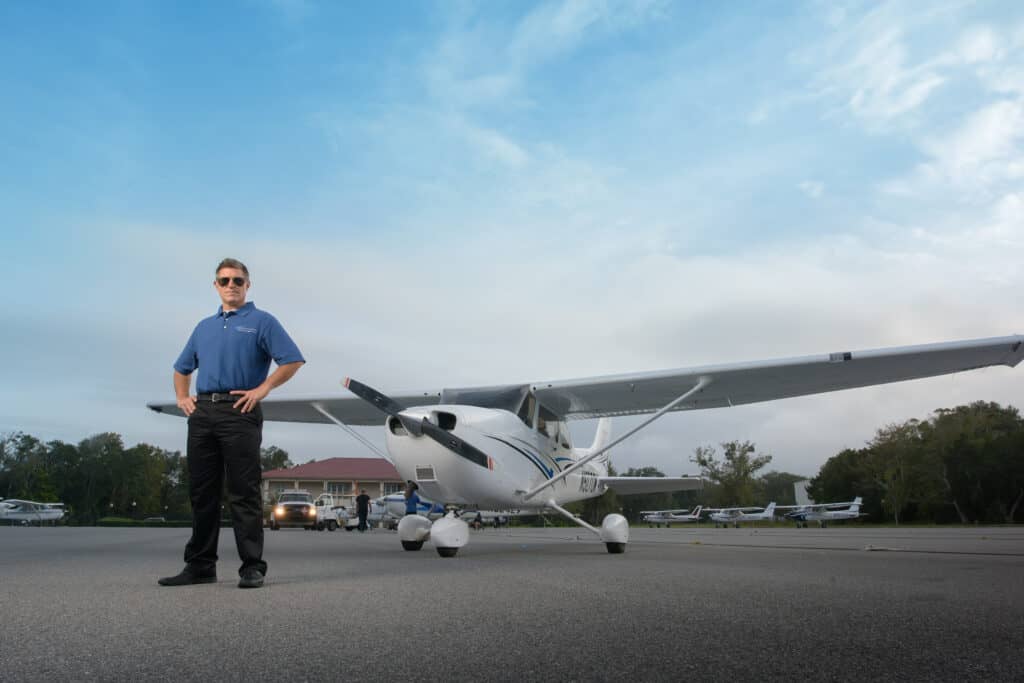
2. Type of Aircraft: The type of aircraft you choose for your flight training will also significantly impact flying lessons cost. Training on smaller, single-engine planes such as the Cessna 172 is generally more affordable than more advanced, multi-engine aircraft. Single-engine planes are not only cheaper to rent but also burn less fuel, which helps keep hourly rental rates lower.
3. Instructor Experience: Flight instructor fees are another component of flying lessons cost. Flight instructors with more experience may charge more, but they often bring a wealth of knowledge that can enhance your learning. Choosing an instructor who fits your needs and budget can help control costs without sacrificing the quality of your training.
4. Time of Year: Flight training is generally more expensive during peak seasons. Many students prefer to take their lessons in the spring and summer when the weather is better, but scheduling your lessons during less popular times of the year can save you money. Some schools may offer discounts or lower hourly rates in the fall or winter to attract students during slower months.
It’s crucial to break down the different components of flying lessons cost so you know exactly what you’re paying for. The total expense will depend on how long it takes you to complete your training, but here’s a general idea of the key cost components:
1. Hourly Rate for Aircraft Rental: Most flight schools charge by the hour for aircraft rental, which is the largest component of your overall flying lessons cost. For a basic single-engine aircraft like a Cessna 172, the rental rate can range from $120 to $150 per hour. More advanced aircraft, such as multi-engine planes, will be significantly more expensive, often ranging from $250 to $400 per hour. The type of aircraft you train in will have a direct impact on your total flying lessons cost.
2. Instructor Fees: In addition to aircraft rental, you’ll also need to pay for the time you spend with your instructor. Instructor fees typically range from $40 to $80 per hour, depending on their experience level. Some flight schools include the instructor fee in the hourly rental rate, while others charge it separately. Be sure to ask your school for a breakdown of these costs before starting your training.
3. Ground School Costs: Ground school is where you’ll learn the theoretical side of flying, covering topics such as aerodynamics, weather patterns, and FAA regulations. Ground school can be completed in person or online, and costs typically range from $500 to $1,500, depending on the depth of the program and whether it includes materials like textbooks and practice exams. While ground school is less expensive than flight time, it’s an essential part of your training, and failing to complete it can delay your path to obtaining a pilot license.
One of the most significant factors in determining your overall flying lessons cost is the number of flight hours you need to complete your training. The FAA mandates a minimum of 40 flight hours to qualify for a Private Pilot License (PPL), but most students end up needing closer to 60 or 70 hours to be fully prepared for their checkride, the final exam before earning their license. At an average rate of $150 per hour, those extra hours can add thousands to your total flying lessons cost.
For example, if you complete the FAA’s minimum requirement of 40 flight hours at $150 per hour, your total cost for flight time will be $6,000. However, if you need 70 hours to be ready for your checkride, the total jumps to $10,500. Keep in mind that these estimates don’t include instructor fees or ground school, which can add another $2,000 to $4,000 to your overall flying lessons cost.
The good news is that there are several ways to reduce your flying lessons cost without cutting corners on your training. By making smart choices, you can significantly lower your expenses and still receive high-quality instruction.
1. Schedule Wisely: As mentioned earlier, timing is everything. Scheduling your lessons during off-peak times can save you money. Some flight schools offer discounts during less busy seasons or may have promotions during certain times of the year. Additionally, booking lessons in advance or as part of a package deal can help reduce hourly rates.
2. Join a Flying Club: Joining a flying club can help reduce your flying lessons cost by giving you access to aircraft at discounted rental rates. Flying clubs typically charge a monthly membership fee, but the savings on aircraft rental can be substantial. Plus, many clubs provide additional resources, such as access to simulators, ground school classes, and networking opportunities with other pilots.
3. Consider Smaller, Local Flight Schools: While large, well-known flight schools may have higher rates, smaller, local schools can offer a more affordable option. These schools may not have the same level of name recognition, but they often provide personalized instruction at a lower cost. Research local flight schools in your area to see if they offer lower flying lessons cost compared to larger institutions.
4. Look for Scholarships and Financial Aid: Many flight schools like the Florida Flyers Flight Academy offer scholarships and financial aid options to help make flight training more affordable. Additionally, organizations such as AOPA (Aircraft Owners and Pilots Association) and EAA (Experimental Aircraft Association) provide scholarships specifically for aspiring pilots. Be sure to research these opportunities and apply for any available assistance to help offset your flying lessons cost.
The flying lessons cost can differ drastically depending on where you train. In large cities like Los Angeles or New York, the cost of flight training is typically higher due to increased demand, higher operational expenses, and busy airspace. On the other hand, flight schools in smaller cities or rural areas often have lower overhead, which can lead to more affordable pricing.
For those looking for the most budget-friendly options, states like Florida and Texas are great choices. These regions not only offer warm weather that allows for year-round training, but also benefit from healthy competition among flight schools, helping to drive down prices. By researching schools in various areas of the country, you can find the best value and significantly lower your overall flying lessons cost.
| Location | Average Cost per Flight Hour | Total Estimated Cost (PPL) |
|---|---|---|
| Los Angeles, CA | $200 – $250 | $12,000 – $15,000 |
| New York, NY | $220 – $280 | $13,000 – $16,500 |
| Dallas, TX | $140 – $180 | $8,500 – $11,000 |
| Miami, FL | $120 – $170 | $7,500 – $10,000 |
| Phoenix, AZ | $130 – $190 | $8,000 – $11,500 |
By comparing flying lessons cost in different regions, you can identify the best location to pursue your flight training based on your budget, without sacrificing the quality of instruction.
When it comes to selecting the right flight school, it’s about finding a balance between cost and quality. While keeping your flying lessons cost manageable is crucial, you also need to ensure you’re receiving top-notch training. A lower price tag can be tempting, but what’s more important is the value you get in return.
Start by looking for FAA-accredited schools with a solid reputation in the aviation community. Schools like Florida Flyers Flight Academy offer comprehensive training at competitive prices without compromising on the quality of instruction. With experienced instructors and a well-maintained fleet, they provide the kind of professional environment that sets up future pilots for success.
Additionally, you’ll want to evaluate other factors that contribute to a quality flight school experience. The condition of the aircraft, the availability of advanced training tools like simulators, and the structure of ground school classes are just as important as the price. The goal is to maximize the value you receive from your investment in flight training.
Remember to ask the right questions when researching schools. Compare different programs, explore payment options, and ensure the school can meet your specific needs without inflating your flying lessons cost. Making an informed decision now can save you time and money later.
Choosing a reputable academy like Florida Flyers Flight Academy can strike the perfect balance between affordability and excellence, giving you both the skills and the financial flexibility to pursue your dream of becoming a pilot.
When planning your flying lessons cost, it’s important to consider the additional expenses that aren’t always included in the advertised price of flight training. Some of these costs include:
FAA Medical Exam: Before you can start your flight training, you’ll need to pass a medical exam from an FAA-authorized physician. This exam typically costs between $100 and $200, depending on the doctor and location.
Study Materials: Textbooks, navigation tools, and other study materials can add up. Expect to spend $200 to $500 on these items throughout your training.
Flight Gear: While not mandatory, many pilots choose to invest in personal gear like headsets, flight bags, and kneeboards. These items can range from $100 to $1,000, depending on the brand and quality.
Achieving your dream of becoming a pilot doesn’t have to come with a sky-high price tag. By understanding the various factors that contribute to flying lessons cost and exploring ways to save, you can make flight training more affordable without compromising on quality. Whether you’re joining a flying club, choosing a smaller flight school, or taking advantage of scholarships, there are plenty of options to help you manage your expenses.
The key is planning. Knowing what to expect and budgeting accordingly can make all the difference. With the right preparation, you’ll be well on your way to taking to the skies, all while keeping your flying lessons cost within reach.
Contact the Florida Flyers Flight Academy Team today at (904) 209-3510 to learn more about how to pay for flight school.