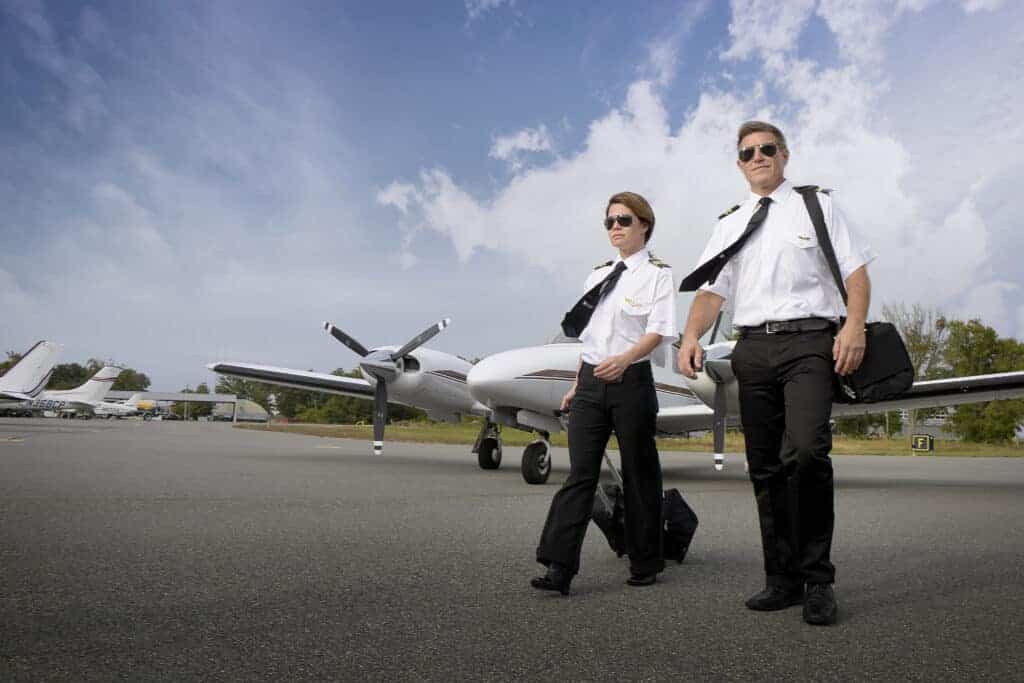
Commercial airline pilots are the embodiment of a profession that combines adventure, responsibility, and financial reward. As the demand for air travel continues to rise, the role of these skilled aviators becomes increasingly pivotal, attracting individuals with a passion for aviation and a desire for a rewarding career. In this comprehensive guide, we delve into the intricate details surrounding the average salary of a commercial airline pilot, exploring the factors that influence their compensation and providing a holistic understanding of this captivating profession.
The allure of becoming a commercial airline pilot extends beyond the thrill of commanding a sophisticated aircraft. It encompasses the opportunity to embark on a financially rewarding journey, one that promises stability, growth, and a comfortable lifestyle. However, the path to attaining this coveted position is not without its challenges, requiring dedication, extensive training, and a commitment to excellence.
As we navigate through the complexities of this industry, we will unravel the nuances that shape the average salary of a commercial airline pilot, shedding light on regional variations, the impact of experience and seniority, and the differences between airline types. Additionally, we will explore the supplementary benefits and perks that enhance the Average Salary of a Commercial Airline Pilot, ensuring a well-rounded perspective on the financial rewards of this profession.
The average salary of a commercial airline pilot is influenced by a myriad of factors, each playing a crucial role in determining their earning potential. Understanding these elements is essential for aspiring pilots and those considering a career in aviation.
Experience and Seniority: Like many professions, the aviation industry rewards experience and longevity. As pilots accumulate more flight hours and advance through the ranks, their salaries typically increase. Seniority plays a pivotal role, with senior captains commanding higher salaries than their junior counterparts.
Airline Type and Size: The size and reputation of the airline can significantly impact a pilot’s salary. Major commercial airlines, known for their extensive routes and fleets, generally offer higher compensation compared to regional or smaller carriers.
Geographic Location: Regional variations in cost of living and market conditions can influence pilot salaries. Pilots flying for airlines based in or operating in regions with a higher cost of living may receive higher compensation to account for these expenses.
Aircraft Type: The complexity and size of the aircraft a pilot operates can affect their salary. Pilots flying larger, more advanced aircraft, such as wide-body jets, tend to earn higher salaries than those operating smaller regional jets or turboprops.
Union Representation: Many commercial airline pilots are represented by unions, which negotiate collective bargaining agreements with airlines. These agreements can significantly impact salaries, benefits, and working conditions for pilots.
The aviation industry is a global phenomenon, with airlines operating across continents and nations. As a result, the average salary of a commercial airline pilot can vary significantly based on geographic location. These regional differences are primarily driven by factors such as cost of living, market conditions, and airline competition.
North America: The United States and Canada are home to some of the world’s largest and most renowned airlines, offering competitive salaries to attract and retain top talent. The average salary for a commercial airline pilot in North America ranges from approximately $80,000 to $200,000 annually, depending on factors such as experience, airline, and aircraft type.
Europe: European airlines, including major carriers like Lufthansa, British Airways, and Air France-KLM, offer attractive compensation packages to their pilots. The average salary for a commercial airline pilot in Europe can range from €60,000 to €180,000 per year, with variations across different countries and airlines.
Asia-Pacific: The rapidly growing aviation market in the Asia-Pacific region has led to increasing demand for skilled pilots. Airlines in this region, such as Singapore Airlines, Cathay Pacific, and Qantas, offer competitive salaries to attract and retain talent. The average salary for a commercial airline pilot in the Asia-Pacific region can range from $60,000 to $180,000 annually, depending on the airline and location.
Middle East: The Middle East has emerged as a hub for major international airlines, with carriers like Emirates, Etihad, and Qatar Airways offering lucrative compensation packages to attract pilots from around the world. The average salary for a commercial airline pilot in the Middle East can range from $100,000 to $300,000 annually, reflecting the region’s high cost of living and the airlines’ emphasis on attracting top talent.
It is important to note that these regional variations are subject to change based on economic conditions, airline performance, and other factors that influence the aviation industry.
The aviation industry is one that rewards experience and seniority, with a pilot’s salary typically increasing as they accumulate more flight hours and advance through the ranks. This progression is a reflection of the heightened responsibilities, skills, and expertise that pilots acquire over time.
Entry-Level Salaries: Newly hired commercial airline pilots, often referred to as first officers or co-pilots, typically start at the lower end of the salary range. Entry-level salaries can vary significantly based on the airline, location, and aircraft type, but generally range from $40,000 to $80,000 annually.
Advancement to Captain: As pilots gain experience and seniority, they may have the opportunity to advance to the rank of captain or pilot-in-command. This promotion typically comes with a substantial salary increase, reflecting the added responsibilities and leadership role. The average salary for a commercial airline captain can range from $100,000 to $300,000 annually, depending on the airline, aircraft type, and years of experience.
Seniority-Based Pay Scales: Many airlines implement seniority-based pay scales, where pilots’ salaries increase incrementally based on their years of service with the airline. These pay scales are often negotiated through collective bargaining agreements and ensure that pilots are compensated fairly for their experience and loyalty to the airline.
Fleet and Equipment Upgrades: As pilots progress in their careers, they may have the opportunity to transition to larger, more advanced aircraft types. This transition can result in a salary increase, as pilots operating larger, more complex aircraft are typically compensated at higher rates.
It is important to note that salary progression can vary significantly among airlines and is influenced by factors such as union agreements, airline performance, and industry trends.
The aviation industry is diverse, with airlines ranging from major airlines to regional and low-cost operators. The type of airline can significantly impact the Average Salary of a Commercial Airline Pilot, as each airline segment has its own unique characteristics, business models, and compensation structures.
Major Commercial Airlines: Pilots employed by major commercial airlines, such as Delta Air Lines, United Airlines, and American Airlines, typically enjoy higher salaries compared to their counterparts at smaller carriers. These airlines have extensive route networks, larger fleets, and the financial resources to offer competitive compensation packages. The average salary of a commercial airline pilot at a major commercial airline can range from $100,000 to $300,000 annually, depending on factors such as experience, seniority, and aircraft type.
Regional Airlines: Regional airlines, which operate smaller aircraft and often serve as feeder carriers for major airlines, typically offer lower salaries compared to their larger counterparts. However, these airlines can provide valuable experience and a pathway to advancement within the industry. The average salary of a commercial airline pilot at a regional airline can range from $40,000 to $100,000 annually, with opportunities for growth as pilots gain experience and seniority.
Low-Cost Carriers: Low-cost carriers, such as Southwest Airlines and JetBlue, have disrupted the aviation industry with their cost-efficient business models. While these airlines may offer lower base salaries compared to major carriers, they often provide attractive incentives and profit-sharing opportunities. The Average Salary of a Commercial Airline Pilot at a low-cost carrier can range from $60,000 to $150,000 annually, with potential for additional compensation based on the airline’s financial performance.
Cargo and Charter Airlines: Pilots employed by cargo and charter airlines may have different salary structures compared to those working for passenger airlines. These airlines often operate on unique schedules and routes, which can impact compensation. The average salary of a commercial airline pilot at a cargo or charter airline can range from $60,000 to $150,000 annually, depending on factors such as the airline, aircraft type, and flight schedules.
It is important to note that these salary ranges are approximate and can vary significantly based on factors such as geographic location, union agreements, and individual airline policies.
While base salaries are a significant component of a commercial airline pilot’s compensation package, there are several additional benefits and perks that can contribute to their overall financial well-being. These supplementary elements can significantly enhance the overall value of a pilot’s compensation and should be considered when evaluating career opportunities.
Flight Allowances and Per Diems: Many airlines provide pilots with flight allowances and per diems to cover expenses incurred during layovers and overnight stays. These allowances can include meal and accommodation costs, as well as incidental expenses, and can add up to a substantial amount over the course of a year.
Retirement and Pension Plans: Commercial airline pilots often have access to generous retirement and pension plans, which can provide financial security and stability in their later years. These plans may include contributions from both the airline and the pilot, ensuring a comfortable retirement income after a long and rewarding career.
Health and Insurance Benefits: Comprehensive health insurance coverage is a common benefit offered to commercial airline pilots and their families. This can include medical, dental, and vision plans, as well as life insurance and disability coverage, providing peace of mind and financial protection in case of unexpected events.
Travel Privileges: One of the most coveted perks of being a commercial airline pilot is the opportunity to travel at discounted or even complimentary rates. Many airlines offer pilots and their families access to discounted or free flights, both for leisure and personal travel, as well as for commuting to and from work.
Training and Professional Development: Airlines invest heavily in the training and professional development of their pilots, providing access to state-of-the-art simulators, recurrent training programs, and opportunities for career advancement. These investments not only enhance safety and operational efficiency but also contribute to the overall value of a pilot’s compensation package.
Profit-Sharing and Incentive Programs: Some airlines offer profit-sharing or incentive programs that allow pilots to share in the company’s financial success. These programs can provide additional compensation based on factors such as operational performance, customer satisfaction, and overall profitability.
It is important to note that the specific benefits and perks offered to commercial airline pilots can vary significantly among airlines and may be subject to change based on union agreements, company policies, and industry trends.
While the average salary of a commercial airline pilot is often the subject of discussion, it is equally important to understand how this compensation compares to other roles within the aviation industry. This perspective can provide valuable insights for individuals considering a career in aviation and help them make informed decisions about their professional paths.
Air Traffic Controllers: Air traffic controllers play a crucial role in ensuring the safe and efficient movement of aircraft. Their salaries can be competitive with those of commercial airline pilots, particularly at higher levels of experience and seniority. The average salary for an air traffic controller in the United States ranges from $90,000 to $180,000 annually, depending on factors such as location, experience, and level of responsibility.
Aircraft Mechanics and Technicians: Aircraft mechanics and technicians are responsible for the maintenance and repair of aircraft, ensuring their airworthiness and safety. While their salaries may not match those of commercial airline pilots, they can still enjoy a comfortable living. The average salary for an aircraft mechanic or technician in the United States ranges from $50,000 to $100,000 annually, with opportunities for higher earnings based on experience, certifications, and specialized skills.
Flight Instructors: Flight instructors play a vital role in training and mentoring future pilots. While their salaries may be lower than those of commercial airline pilots, particularly in the early stages of their careers, they can still enjoy a rewarding profession. The average salary for a flight instructor in the United States ranges from $40,000 to $80,000 annually, with opportunities for higher earnings through advanced certifications and experience.
Corporate and Private Pilots: Corporate and private pilots operate aircraft for businesses, corporations, and high-net-worth individuals. Their salaries can vary significantly based on factors such as the size and type of aircraft, the employer, and the level of experience. The average salary for a corporate or private pilot in the United States ranges from $60,000 to $150,000 annually, with some highly experienced pilots earning even higher salaries.
It is important to note that these salary ranges are approximate and can vary based on factors such as geographic location, employer, and industry trends. Additionally, each aviation role comes with its own unique set of responsibilities, challenges, and rewards, which should be carefully considered when choosing a career path.
The aviation industry has been grappling with a global pilot shortage in recent years, driven by a combination of factors such as an aging workforce, increasing demand for air travel, and the high costs associated with pilot training. This shortage has had a significant impact on the salaries and compensation packages offered to commercial airline pilots, as airlines compete to attract and retain skilled aviators.
Increased Demand for Pilots: As airlines face a shortage of qualified pilots, the demand for experienced aviators has risen sharply. This increased demand has given pilots greater leverage in negotiating higher salaries and better compensation packages, as airlines strive to remain competitive in the job market.
Signing Bonuses and Incentives: To attract and retain talented pilots, many airlines have resorted to offering generous signing bonuses, retention bonuses, and other incentives. These bonuses can range from tens of thousands to hundreds of thousands of dollars, depending on the airline, the pilot’s experience, and the severity of the shortage.
Accelerated Salary Progression: In an effort to retain their existing pilots and incentivize career progression, some airlines have implemented accelerated salary progression models. These models allow pilots to reach higher pay scales and captain positions more quickly, resulting in faster salary growth and increased earning potential over the course of their careers.
Increased Training and Development Investments: To address the pilot shortage, airlines have invested heavily in training and development programs, offering comprehensive training opportunities and career advancement pathways. These investments not only help attract new talent but also contribute to the overall value of a pilot’s compensation package.
Improved Work-Life Balance: In response to the pilot shortage, some airlines have implemented measures to improve work-life balance for their pilots, such as more favorable scheduling, increased time off, and better commuting options. These improvements can be viewed as indirect compensation, enhancing the overall appeal of a career as a commercial airline pilot.
While the pilot shortage has presented challenges for the aviation industry, it has also created opportunities for pilots to negotiate better salaries and compensation packages. As airlines strive to remain competitive and address the shortage, it is likely that pilot salaries will continue to rise, reflecting the high demand for skilled and experienced aviators.
Embarking on a career as a commercial airline pilot is a journey that requires dedication, perseverance, and a commitment to excellence. While the financial rewards can be substantial, the path to achieving this goal involves several critical steps and milestones. Understanding these steps can help aspiring pilots navigate the process more effectively and prepare themselves for the challenges and opportunities that lie ahead.
Obtain a Private Pilot’s License: The first step towards becoming a commercial airline pilot is to obtain a private pilot’s license. This involves completing ground school and accumulating a certain number of flight hours under the supervision of a certified flight instructor. The private pilot’s license serves as the foundation for further training and certifications.
Pursue a Commercial Pilot’s License: After obtaining a private pilot’s license, the next step is to earn a commercial pilot’s license. This license allows individuals to fly for compensation or hire and requires additional training, including instrument rating, multi-engine rating, and a specific number of flight hours.
Gain Flight Experience: Many airlines require a significant amount of flight experience before considering applicants for pilot positions. This experience can be gained through various means, such as working as a flight instructor, flying for regional airlines, or participating in corporate or charter operations.
Obtain Advanced Ratings and Certifications: As pilots progress in their careers, they may need to obtain additional ratings and certifications, such as an Airline Transport Pilot (ATP) certificate, type ratings for specific aircraft, and endorsements for specialized operations like international flights or high-altitude operations.
Pursue Formal Education: While not always required, many aspiring commercial airline pilots choose to pursue formal education in aviation-related fields, such as aviation management, aeronautical science, or aviation technology. These programs can provide valuable knowledge and skills that can enhance a pilot’s career prospects.
Apply for Airline Pilot Positions: With the necessary licenses, ratings, and experience, aspiring pilots can begin applying for entry-level positions with commercial airlines. This process often involves rigorous interviews, assessments, and background checks to ensure the highest standards of safety and professionalism.
Continuous Training and Professional Development: Once hired by an airline, pilots must undergo continuous training and professional development to maintain their knowledge, skills, and certifications. This includes regular recurrent training, simulator sessions, and ongoing education to stay up-to-date with industry regulations, procedures, and technological advancements.
The journey to becoming a commercial airline pilot is a challenging yet rewarding one, requiring perseverance, dedication, and a passion for aviation. By following these steps and continuously striving for excellence, aspiring pilots can position themselves for success in this dynamic and exciting profession.
As we conclude our exploration of the average salary of a commercial airline pilot, it becomes evident that this profession offers not only the thrill of soaring through the skies but also the potential for a financially rewarding and stable career. The intricate interplay of factors such as experience, seniority, airline type, and geographic location shapes the earning potential of these skilled aviators.
While the path to becoming a commercial airline pilot is demanding, the rewards are substantial. From competitive salaries and comprehensive benefits packages to opportunities for career progression and professional development, the aviation industry provides a compelling value proposition for those with a passion for flight.
It is important to note that the average salary figures presented in this guide are indicative and can vary based on individual circumstances and industry trends. However, they serve as a valuable reference point for aspiring pilots and those considering a career in this exciting field.
Ultimately, the decision to pursue a career as a commercial airline pilot should be driven by a genuine love for aviation and a commitment to excellence. The financial rewards, while significant, are complemented by the unique experiences, challenges, and personal fulfillment that come with commanding sophisticated aircraft and traversing the skies.
If you’re passionate about aviation and seeking a financially rewarding and adventurous career, consider exploring the path to becoming a commercial airline pilot. Start your journey today by researching reputable flight training programs, connecting with industry professionals, and gaining valuable flight experience. With dedication and perseverance, you can soar to new heights and embark on a truly rewarding profession.
As the demand for air travel continues to grow, the aviation industry will undoubtedly present new opportunities and challenges. By staying informed, adapting to industry trends, and continuously honing their skills, commercial airline pilots can position themselves for success and reap the rewards of this dynamic and captivating career.
Contact the Florida Flyers Flight Academy Team today at (904) 209-3510 to learn more about how to pay for flight school.