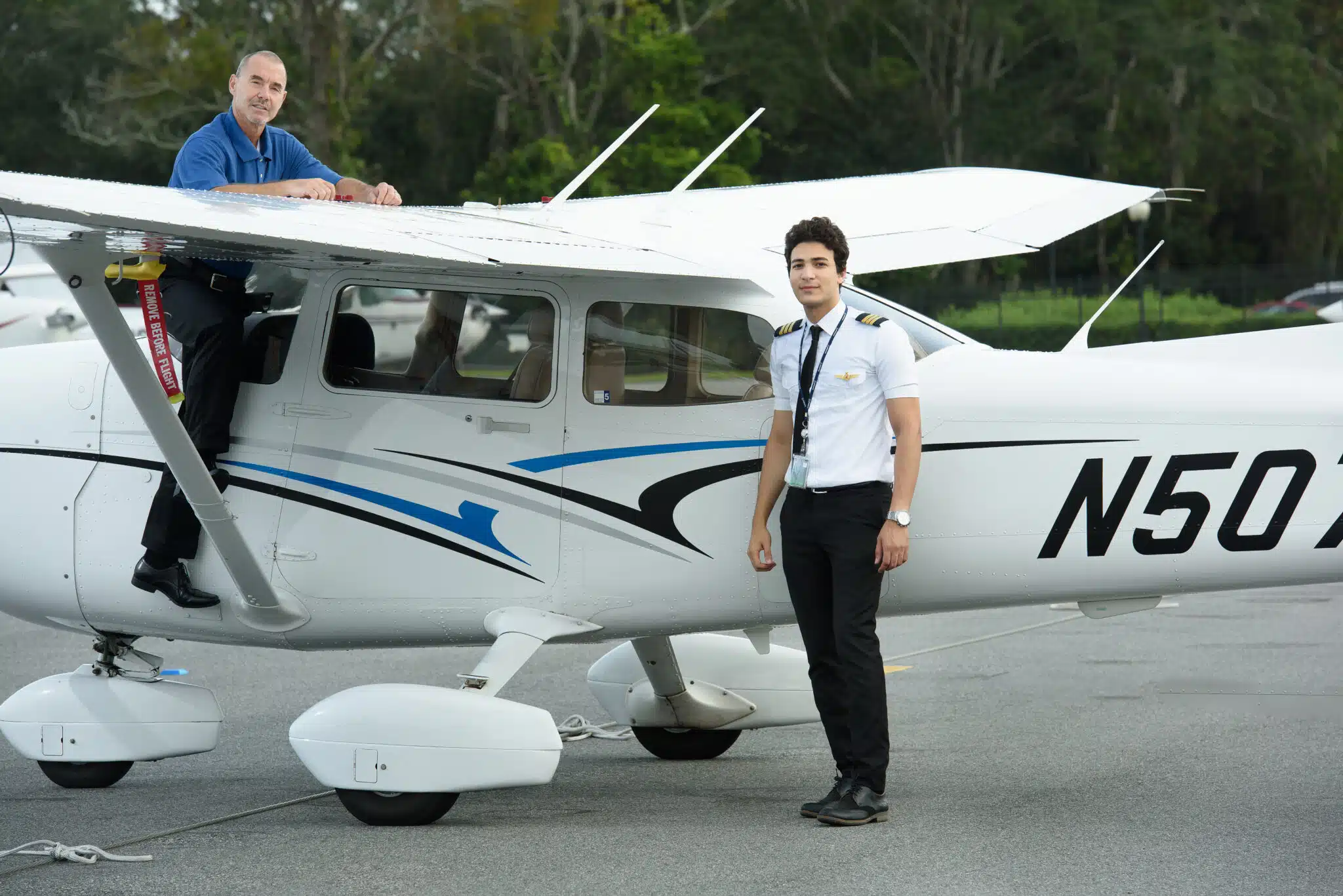
A career as a commercial pilot starts with an exciting opportunity ahead. The aviation industry needs over 600,000 new commercial pilots by 2041, which makes picking the right training program a vital step today.
Quality commercial pilot training near me can feel daunting to find. Many flight schools and programs exist to choose from. Your selected training location and program will affect your path from first takeoff to certification.
This piece covers what you need to know about choosing the best commercial pilot training near me program in 2024. Let’s get into current training requirements, local flight school options, instructor qualifications, aircraft fleets, and the investment needed to launch your aviation career.
Modern Aviation Training Requirements
Looking for commercial pilot training near me in 2024? The aviation training world has changed. The Federal Aviation Administration (FAA) has altered the map of how aspiring commercial pilots train and qualify.
Updated FAA Regulations
The FAA has revolutionized pilot training with new rules that give priority to flexibility and modern aircraft capabilities. Commercial pilot training near me now let you train in technically advanced aircraft (TAA) instead of just complex aircraft. The FAA defines TAAs as aircraft with electronically advanced avionics systems.
| Training Requirement Type | Previous Standard | 2024 Update |
|---|---|---|
| Aircraft Requirements | Complex aircraft only | TAA or complex aircraft |
| Flight Controls | Dual controls mandatory | Single set allowed |
| Training Approach | Traditional syllabus | Performance-based |
| Digital Integration | Optional | Mandatory |
International Compliance Standards
Programs that arrange with international standards are vital for your commercial pilot training near me. The International Civil Aviation Organization (ICAO) needs:
– Language proficiency assessments for international operations
– Compliance with eight critical safety oversight elements
– Regular evaluation intervals for non-expert level pilots
Digital Proficiency Needs for Commercial Pilot Training Near me
Digital skills are now at the heart of commercial pilot training programs. The FAA recognizes that operating advanced avionics systems needs specific risk management and proficiency skills. Your training must cover:
Advanced Systems Integration:
– Primary Flight Display (PFD) operations
– Multi-Function Display (MFD) proficiency
– GPS navigation systems expertise
The FAA’s Airman Certification Standards (ACS) merges knowledge, risk management, and flight proficiency standards. This ensures you’re ready for today’s National Airspace System. This integrated approach means your commercial pilot training should focus on both traditional piloting skills and modern tech abilities.
Programs that include these updated requirements while maintaining high safety standards deserve your attention. The FAA’s performance-based approach offers more flexibility in achieving proficiency. Your path to becoming a commercial pilot is more available than ever.
Assessing Local Flight Training Options
Local training environment plays a vital role in your success as you search for “commercial pilot training near me.” Let’s get into the key factors that will affect your training journey.
Weather Patterns and Flying Conditions for Commercial Pilot Training Near Me
Local weather patterns should shape your choice of nearby flight schools. The Southern California region stands out with over 360 flying days annually. Other locations might limit your training to specific seasons. Your local program assessment should focus on:
| Weather Factor | Training Impact |
|---|---|
| Visibility | Affects VFR training days |
| Wind Patterns | Influences landing practice |
| Seasonal Changes | Determines training schedule |
Airport Facilities and Airspace Complexity
Quality training programs operate in a variety of airspace environments. The best facilities should have these resources:
Essential Airport Features:
* FAA control tower operations
* Multiple runways for varied training scenarios
* Advanced dispatch centers
* Dedicated briefing rooms
* Weather service computers
Airspace complexity is a vital factor in your local training search. The national airspace system has controlled (Class A through E) and uncontrolled (Class G) airspace. Each type needs specific pilot skills.
Transportation and Accommodation for Commercial Pilot Training Near me
Accessibility and living arrangements should guide your commercial pilot training near me choice. Leading flight schools provide:
Housing Benefits:
-Furnished apartments within 5 miles of campus
-All-inclusive utilities and WiFi
-Shared accommodation options
-Monthly stipends for living expenses
Easy transportation access can make or break your training experience. Look for schools that offer:
* Free parking facilities
* Public transportation access
* Airport shuttle services
* Proximity to major transportation hubs
Your location relative to the training facility can substantially affect your success. Students who live within five miles of campus can grab extra training opportunities quickly. This proximity enhances their learning experience.
A great training program goes beyond flight instruction. Modern facilities offer these amenities:
* Learning resource centers
* Knowledge testing centers
* Pre-flight planning areas
* Student affairs offices
Pro Tip: Schedule facility tours while researching local programs. These visits will give you a full picture of the training environment and help you choose the right path for your aviation career.
Instructor Quality and Expertise
Your success as a commercial pilot depends heavily on picking the right instructor. The quality of training plays a crucial role in your journey. Let’s look at what makes an exceptional flight instructor.
Experience Levels and Commercial Pilot Training Near Me Certifications
Quality flight schools employ Certified Flight Instructors (CFIs) with substantial experience. A qualified CFI needs specialized training and specific certifications. Here’s what you should know:
| Instructor Level | Requirements | Teaching Authority |
|---|---|---|
| CFI | Commercial/ATP certificate | Single-engine aircraft |
| CFII | Instrument rating | Instrument flying |
| MEI | Multi-engine rating | Multi-engine aircraft |
Top flight schools hire instructors with a minimum of 250 flight hours and detailed certification. These professionals go through rigorous training in the Fundamentals of Instruction (FOI). This ensures they can pass their knowledge to you effectively.
Teaching Methodologies
Your training should include instructors who use proven teaching techniques. Quality instructors show:
Assessment Approaches:
* Give practical feedback
* Host structured evaluations
* Deliver private, constructive criticism
* Make shared assessment processes work
The best programs have instructors who know each student learns differently. They adapt their teaching style to match your needs while you retain control of high safety standards.
Student Reviews and Testimonials
Student feedback tells you a lot about commercial pilot training near me . Great instructors get positive reviews because they:
* Create positive learning environments
* Keep professional relationships
* Show genuine interest in student success
* Provide detailed flight and ground instruction
Your search should focus on schools where instructors get regular reviews and keep students happy. The best instructors blend technical expertise with effective teaching skills. This helps students move through their training quickly.
Note that instructor quality affects your learning experience by a lot. Look for schools with instructors who show both extensive flight experience and strong teaching skills. A good instructor teaches you to fly and builds professional attitudes needed for a successful aviation career.
Training Aircraft Fleet Analysis
The life-blood of your success in finding the right pilot training lies in the quality of the training fleet. A fleet that is well-managed with various aircraft types will give a solid foundation in modern aviation systems.
Aircraft Types and Models for Commercial Pilot Training Near Me
Students exploring local training options will find several aircraft types. These are the most common training aircraft:
| Aircraft Type | Training Purpose | Key Features |
|---|---|---|
| Cessna 172 | Primary Training | Most produced aircraft, reliable for simple training |
| Piper Cherokee | Advanced Training | Popular for instrument training |
| Diamond DA40 | Complex Operations | Modern design, cruise speed over 140 knots |
| Cirrus SR20 | Advanced Systems | First aircraft with integrated parachute system |
Quality training programs should have both single-engine and multi-engine aircraft options. The Cessna 172 stands out as the most produced aircraft that ever spread, with over 44,000 airframes built since 1955.
Maintenance Schedules
Top flight schools follow strict aircraft maintenance standards. The FAA requires:
Inspection Requirements:
– 100-hour inspections for aircraft used in flight instruction
– Annual inspections within each 12 calendar months
– Preventive maintenance after every 25 hours of flying time
Students should look for schools that go beyond these minimum requirements. The FAA sets high maintenance standards for flight schools to ensure student safety during training.
Advanced Avionics Systems
Modern training aircraft come equipped with advanced avionics. These essential systems include:
Required TAA Components:
– Electronic Primary Flight Display (PFD) showing airspeed, attitude, and altitude
– Multifunction Display (MFD) with GPS navigation
– Two-axis autopilot integrated with navigation systems
Students should verify that their chosen program’s aircraft have modern avionics that meet or exceed FAA requirements for Technically Advanced Aircraft (TAA). This equipment prepares pilots for modern commercial aviation environments.
Quality training programs should expose students to both traditional and advanced aircraft systems. The best schools have:
– Well-maintained training aircraft
– Regular maintenance schedules
– Modern avionics installations
Complete safety systems
Florida Flyers offers access to a meticulously maintained fleet with both traditional training aircraft and modern TAA systems. This combination helps students develop skills needed in today’s aviation industry while maintaining the highest safety standards.
Comprehensive Training Curriculum
A structured curriculum meeting rigorous FAA standards paves your path to becoming a commercial pilot. Understanding a complete training program will determine your success in finding the right commercial pilot training near me.
Ground School Components for Commercial Pilot Training Near Me
Ground school instruction forms the starting point of your commercial pilot training trip near you. The FAA Industry Training Standards (FITS) program uses competency-based learning. Students must master each concept before moving forward. Your ground training has:
| Training Component | Focus Areas | Duration |
|---|---|---|
| Aeronautical Knowledge | Navigation, Weather, Systems | 40 hours minimum |
| Flight Planning | Cross-country, Performance | Competency-based |
| Safety Procedures | Emergency Operations, Risk Management | Ongoing |
Flight Hour Requirements
The minimum flight hours are vital aspects to evaluate in commercial pilot training near me. The FAA sets specific requirements to earn your commercial pilot certificate:
Required Flight Experience:
– 250 total hours of flight time
– 100 hours in powered aircraft (50 in airplanes)
– 100 hours of pilot-in-command time
– 50 hours of cross-country flight time
Your training program should combine specialized instruction for both day and night operations. The curriculum needs 20 hours of training that covers instrument flight, complex aircraft operations, and cross-country procedures.
Specialty Training Options
Quality commercial pilot training programs near me provide advanced training opportunities beyond simple certification. Florida Flyers’ specialized courses include:
Advanced Certifications:
* Multi-engine ratings
* Instrument flight training
* High-altitude operations
* Advanced avionics systems
Your training experience combines scenario-based training (SBT) and Single Pilot Resource Management (SRM). These modern methodologies prepare you for real-life flying conditions and boost your decision-making skills.
Florida Flyers’ complete commercial pilot training curriculum smoothly combines traditional and advanced training methods. You’ll gain from:
* Competency-based progression
* Scenario-based learning experiences
* Advanced training device integration
* Professional career preparation
The FAA requires a minimum of 250 hours for certification. Many airlines need substantially more experience, typically 1,000 to 2,000 hours. Your training should prepare you beyond certification to build a successful aviation career.
Safety Protocols and Standards
Safety is the life-blood of your local commercial pilot training near me. A thorough evaluation of training programs’ safety protocols can distinguish exceptional training from standard experiences.
Emergency Procedure Training in Commercial Pilot Training Near Me
The General Aviation Joint Steering Committee shows that scenario-based trai.
ning (SBT) reduces accident rates by a lot during emergencies. Your local training program has:
| Training Component | Purpose | Frequency |
|---|---|---|
| Simulator Sessions | Emergency Response | Monthly |
| Live Fire Drills | Fire Management | Quarterly |
| Evacuation Practice | Safety Procedures | Bi-annual |
The best local pilot training programs offer complete emergency training that covers:
* Engine failure scenarios
* Rapid decompression situations
* Inflight fire management
* Emergency landing procedures
Safety Management Systems
Your choice of training school should focus on those with FAA-approved Safety Management Systems (SMS). An effective SMS has these elements:
Core Components:
– Systematic safety procedures
– Proactive hazard identification
– Structured risk management
– Regular safety assessments
Local training programs should employ SMS to spot and fix safety risks early. This approach will give you training that meets domestic and international safety standards.
Insurance Coverage for Commercial Pilot Training Near Me
Quality training programs maintain complete insurance coverage. Student pilot insurance typically has:
Essential Coverage Types:
– Hull coverage for aircraft damage
– Liability protection for bodily injury
– Property damage coverage
– Loss of use protection
Flight school insurance rates depend on:
* Training location
* Aircraft types used
* Student experience levels
* Training intensity
Florida Flyers offers resilient safety protocols that exceed FAA requirements. The school’s student pilot insurance starts at $95 before credits, protecting you during training.
The GAJSC highlights that correlative learning through scenario-based training prepares pilots best for real-life emergencies. Regular emergency procedure drills in simulators and aircraft are essential parts of your training.
Modern training facilities implement complete safety management systems that merge:
* Regular safety audits
* Continuous monitoring systems
* Proactive risk assessment
* Emergency response planning
The FAA’s focus on structured safety means your training program should deliver:
* Formal safety training
* Regular emergency drills
* Documented safety procedures
* Complete insurance coverage
Florida Flyers stands out among local training options with its FAA-approved SMS, complete insurance coverage, and state-of-the-art emergency training facilities. This steadfast dedication ensures you receive training that meets the highest industry standards while preparing for a successful aviation career.
Financial Investment Breakdown
The financial investment in commercial pilot training is a significant factor in planning your aviation career. Here’s a detailed breakdown of costs and financing options that can help make your dream of becoming a commercial pilot a reality.
Payment Plans and Options for Commercial Pilot Training Near Me
Local pilot training programs offer various financing solutions to manage your investment. The complete commercial pilot training costs between $86,995 to $108,995.
| Training Stage | Starting Cost |
|---|---|
| Private Pilot | $22,000 |
| Commercial Certificate | $25,000 |
| CFI Training | $6,500 |
These financing options are available:
* Sallie Mae’s lowest-rate undergraduate student loans
* Full financing options for qualified borrowers
* Flexible payment schedules during training
* Interest-only payments during instruction
Additional Certification Costs
The training program requires additional certifications beyond the core curriculum:
Required Examinations and Materials:
* FAA written exams: $160 per rating
* Practical exam fees: $700-$1,200
* Essential pilot supplies: $2,005 (varies)
Florida Flyers’ program has complete ground school components. Students should budget for:
– iPad and aviation apps: $200
– Advanced training materials
– Specialty certifications
Return on Investment Analysis
This career investment delivers substantial returns. Recent industry analysis reveals:
Career Benefits:
– Annual fuel savings of 1-2% through proper training
– Reduced insurance premiums from better safety records
– Higher earning potential with advanced certifications
Professional pilots consistently show:
– Optimized operational efficiency
– Better safety performance
– Excellent career advancement opportunities
Airlines report impressive statistics:
– Lower turnover rates among trained pilots
– Better customer satisfaction scores
– Better operational reliability
Florida Flyers provides flexible financing through:
– Graduated repayment options
– Six-month grace period after training
– Interest-only payments for 12 months
Modern training programs employ technology to reduce costs through:
– Advanced simulation training
– E-learning modules
– Digital performance tracking
Florida Flyers distinguishes itself with:
– Complete financing options
– Clear cost structure
– Leading ROI potential
The investment might seem substantial, but strong industry demand and excellent earning potential make it worthwhile. Flexible payment options help make your path to becoming a commercial pilot both achievable and rewarding.
Career Advancement Opportunities
Finding the right pilot training program in your area goes beyond getting your original certifications—it’s your gateway to an exciting aviation career. Your success starts when you learn about career growth opportunities through quality training programs nearby.
Airline Partnerships for Commercial Pilot Training Near Me
Your chosen program’s airline partnerships can substantially shape your career path. Top flight schools have exclusive agreements with multiple carriers that offer unique advantages:
| Partnership Benefit | Effect on Career | Availability |
|---|---|---|
| Tuition Reimbursement | Up to $11,000 | Select carriers |
| Hiring Guarantees | Conditional job offers | Partner airlines |
| Travel Benefits | During training period | Major carriers |
| Mentorship Access | United pilot coaching | Program specific |
A 38-year old network of partnerships with airline, cargo, and corporate operators adds value to your training experience. These relationships give you:
– Clear paths to major airlines
– Several career growth options
– Unique hiring benefits
– Complete support systems
Advanced Ratings Availability
Quality training programs help you earn advanced certifications. Your career typically moves through this sequence:
Essential Advanced Ratings:
– Certified Flight Instructor (CFI)
– Instrument Instructor (CFII)
– Multi-Engine Instructor (MEI)
– Airline Transport Pilot (ATP)
Complete training programs let you access specialized training for various career paths:
* Flight instruction
* Corporate aviation
* Agricultural operations
* Pipeline patrol
* Traffic reporting
Career Counseling Services
Professional career guidance enhances your training journey. Expert counseling services include:
| Service Type | Career Effect | Timeline |
|---|---|---|
| Application Review | Targeted improvements | Pre-interview |
| Resume Development | Industry-standard formatting | Ongoing |
| Interview Preparation | Better confidence | As needed |
| Career Planning | Strategic advancement | Continuous |
Top programs offer specialized career services with:
* Active job placement support
* Exclusive alumni networking events
* Special low-time pilot job listings
* Career growth resources
Your program should connect you with established airline pathways like:
* United’s Aviate program
* Southwest’s Destination 225°
* American’s Cadet Program
Florida Flyers’ program gives you access to:
* Complete career planning
* Leading industry partnerships
* Advanced certification paths
* Professional growth resources
Aviation offers many paths beyond airline careers:
* Corporate aviation roles
* Cargo operations
* Flight instruction
* Charter services
Your training should include career tools that help you:
* Track your flight time
* Meet certification requirements
* Find growth opportunities
* Plan career moves
Quality training programs speed up your career growth through:
– Airline cadet programs
– Tuition reimbursement options
– Mentorship opportunities
– Advanced rating paths
Conclusion
Florida Flyers guides you to quality commercial pilot training in your area. The school distinguishes itself through modern facilities, experienced instructors, and detailed training programs that go beyond FAA requirements. Strategic collaborations with 38 airlines create direct paths to rewarding aviation careers.
Local commercial pilot programs at Florida Flyers deliver exceptional value through:
– Modern training aircraft and facilities
– Flexible financing options from $86,995
– Advanced safety protocols and emergency training
– Career growth support and airline partnerships
Qualified commercial pilots are in high demand across the aviation industry. Training at Florida Flyers positions you perfectly to meet this need. Airlines will need more than 600,000 new commercial pilots by 2041. Starting at a respected institution can transform an ordinary career into an extraordinary one.
Florida Flyers can help turn your aviation dreams into reality. Their proven success record, integrated training methods, and commitment to student achievement make them an ideal choice to begin your commercial pilot training near me . Contact them today to start your experience in aviation.
Contact the Florida Flyers Flight Academy Team today at (904) 209-3510 to learn more about how to pay for flight school.