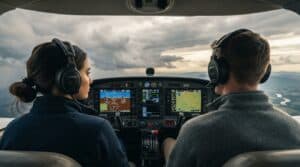
Avionics—short for aviation electronics—is the backbone of modern flight. First coined in 1949 by Phillip J. Klass, senior editor of Aviation Week and Space Technology, the term encompasses all electronic systems used in aircraft and spacecraft. From navigation and communication to performance monitoring and fuel management, avionics plays a critical role in nearly every aspect of flying.
Initially driven by the needs of military aircraft, avionics became a standard feature in civilian aviation after the 1970s. Today, even non-engine-powered aircraft rely on avionics for safe and efficient operation.
For pilots, avionics is indispensable. It guides flight planning, ensures safe takeoffs and landings, and monitors systems during cruise. Technologies like radar, sonar, flight recorders, and electronic support measures are all part of this intricate ecosystem.
The FAA is further advancing avionics through the Next Generation Air Transportation System (NextGen), which integrates cutting-edge technologies and procedures to make air travel safer, more efficient, and more reliable.

Avionics is the tech behind every aircraft, from small home-built planes to advanced military jets. It’s short for aviation electronics, and it’s everywhere in modern flying.
Think of avionics as the brain of an aircraft. It includes everything from simple tools like clock displays to complex systems like autopilot and weather radar.
But why does it matter? Avionics keeps flights safe, efficient, and on track. It helps pilots navigate, communicate, and monitor performance—every step of the way.
From takeoff to landing, avionics is there. It guides pilots during busy phases like landing, showing runway centerlines and warning of obstacles. It even helps when flying without visual contact, under Instrument Flight Rules (IFR).
Engineers design and upgrade these systems constantly. They work on navigation, communication, weather tools, and more. Programs like the FAA’s NextGen are pushing avionics further, using satellites and AI to make flying safer and smarter.
Avionics isn’t just helpful—it’s essential. It’s the unsung hero that keeps pilots in control and passengers safe.
Advanced avionics can make flying safer and more efficient—when used correctly. But relying too much on these systems can be risky.
There are times when human judgment and expertise are irreplaceable. Pilots who don’t know how to fly confidently without advanced avionics put themselves and their passengers in danger.
Some pilots avoid advanced avionics altogether, viewing them with suspicion. But this isn’t the solution either. The key is balance.
Pilots should embrace the benefits of advanced avionics while maintaining strong fundamental skills. Situational awareness and the ability to fly without high-tech tools are just as important as knowing how to use them.
To avoid over reliance, pilots must master traditional navigation. This includes reading aeronautical charts, plotting courses without GPS, and interpreting weather data from non-electronic sources.
They should also be comfortable with manual calculations for pre-flight planning, such as load factors, dynamic pressure, and true airspeed.
In the end, the best pilots are those who can seamlessly blend advanced technology with timeless flying skills.
The study of human factors is deeply connected to the design and use of electronic systems in aircraft. Pilots must interpret data from these systems and act on it, making it crucial for designers and engineers to refine the interaction between technology and the humans who operate it.
Understanding how crew members interact with their environment is key to developing effective systems, not just in the cockpit but throughout the entire aircraft. This extends beyond pilots to include flight attendants, mechanics, and even passengers.
Human error remains the leading cause of aviation accidents and near misses. To address this, pilots must not only understand how these systems function but also learn how to manage them effectively. Designers and operators alike aim to avoid issues like alarm fatigue, where frequent or overused alerts cause individuals to become desensitized to warnings.
Alarm fatigue, a problem also seen in fields like healthcare, can lead pilots to overlook critical alerts or become distracted. This risk is heightened during late-night or early-morning flights, as well as in confined spaces.
Even the most experienced pilots can miss essential tasks or become overwhelmed by excessive alarms, especially in high-stress situations. Recognizing these challenges and finding ways to mitigate them is essential for safe and efficient operations.
Building a strong foundation in aviation technology requires the right environment—one that’s supportive, forward-thinking, and hands-on. The best flight schools and aviation universities offer the perfect setting to develop these skills, whether in a real cockpit or a state-of-the-art simulator.
Professional instructors and well-structured programs are key. They help student pilots gain confidence and familiarity with advanced systems long before they take to the skies. This early exposure ensures they’re prepared to handle real-world challenges with ease.
Aviation technology has revolutionized the way we fly, making air travel safer, more efficient, and more accessible than ever before. From advanced navigation systems to real-time performance monitoring, these tools are indispensable for modern pilots.
However, the key to mastering these systems lies in a balanced approach. Pilots must embrace the benefits of technology while maintaining strong fundamental skills and situational awareness. Education plays a vital role in achieving this balance, providing the knowledge and hands-on experience needed to excel in the cockpit.
Whether you’re an aspiring pilot or a seasoned aviator, understanding and effectively using these systems is essential. By combining cutting-edge technology with timeless flying skills, we can ensure safer skies and a brighter future for aviation.
Given the critical role these systems play in safety and efficiency, choosing the right training facility is essential. Look for programs that emphasize hands-on learning and provide access to cutting-edge technology.
At Florida Flyers Flight Academy, for example, students benefit from a comprehensive approach. The fast-track aviation degree combines ground instruction with high-tech simulators and cockpit familiarization. This demystifies advanced systems, allowing pilots to focus on building their skills and mastering flight fundamentals.
With this solid foundation, students not only enhance their employment potential but also progress smoothly through their training. The right education sets the stage for a successful and confident career in aviation.
Contact the Florida Flyers Flight Academy Team today at (904) 209-3510 to learn more about how to do the foreign pilot license conversion in 4 steps.