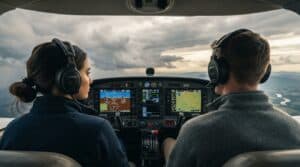
Flying is more than just a skill—it’s a gateway to freedom and career opportunities. Whether you dream of flying for fun or pursuing a professional aviation career, the Private Pilot License USA (PPL) is the first step. In 2025, earning a PPL remains the foundation for pilots who want to explore the skies on their own terms.
A PPL allows you to fly solo or with passengers, opening doors to personal travel and future flight certifications. While it doesn’t authorize commercial flying, it builds the necessary experience to advance toward higher pilot licenses, such as the Commercial Pilot License (CPL) or Airline Transport Pilot License (ATPL).
This guide will walk you through everything you need to know about getting a Private Pilot License USA in 2025, including requirements, training costs, the best flight schools, exams, and FAA regulations. If you’re ready to start your aviation journey, this guide will help you navigate each step efficiently.
The Private Pilot License USA 2025 guide brings important updates that aspiring pilots need to know. The Federal Aviation Administration (FAA) has introduced changes in training regulations, emphasizing enhanced safety protocols and competency-based flight training. These adjustments aim to make training more efficient while maintaining high standards.
Advancements in aviation technology are also shaping Private Pilot License training. Flight simulators, virtual reality (VR) training modules, and online ground school courses are becoming more integrated into pilot education. These innovations help students practice maneuvers in a controlled environment before taking to the skies, reducing overall training costs and flight hours.
Additionally, shifts in the aviation industry are impacting the availability and cost of flight training. With the growing demand for pilots, some flight schools are experiencing longer waiting lists and increased training fees. However, new financing options and FAA-approved scholarships are making it easier for students to afford Private Pilot License USA training in 2025.
Earning a Private Pilot License USA requires completing specific steps set by the FAA. The process is designed to ensure that student pilots gain the necessary knowledge, skills, and experience to fly safely.
The timeline to complete your Private Pilot License USA varies. Full-time students can finish in 3-6 months, while part-time students may take a year or longer. To speed up training, fly consistently, study diligently, and choose a well-structured program.
To earn a Private Pilot License USA in 2025, you must meet the FAA’s minimum requirements. The ppl requirements usa include age limits, flight hours, and medical eligibility. You must be at least 17 years old to obtain a PPL and 16 years old to fly solo as a student pilot. Additionally, you need at least 40 hours of total flight time, including 10 solo flight hours and 5 cross-country solo hours.
Before starting training, you must obtain a third-class medical certificate from an FAA-authorized aviation medical examiner (AME). This ensures you meet the health standards for flying. Essential documents include proof of citizenship (passport or birth certificate) and an FAA student pilot certificate, which can be applied for through the Integrated Airman Certification and Rating Application (IACRA) website.
Many people believe that becoming a private pilot requires perfect vision or military experience, but that’s a misconception. The FAA allows corrective lenses, and PPL training is open to civilians with no prior flight experience. Understanding the ppl requirements usa will help you plan and prepare for a smooth training journey.
The ppl cost in usa varies depending on the flight school, aircraft rental fees, instructor rates, and location. On average, expect to pay between $8,000 and $15,000 for a Private Pilot License USA. The cost breakdown includes:
To manage expenses, aspiring pilots can explore scholarships, flight school financing, and pay-as-you-go options. Some flight schools offer bundled packages to reduce overall costs, and many students work part-time as ground instructors or ramp agents to offset training expenses. Planning ahead and choosing the right training path will help you obtain a Private Pilot License USA without overspending.
Finding the best flight schools for PPL USA is crucial for a smooth and efficient training experience. The right school should be FAA-certified, have experienced instructors, and provide access to well-maintained aircraft. Some of the top-ranked PPL training schools in the USA include:
When choosing a Private Pilot License USA training school, consider factors such as training costs, aircraft availability, instructor qualifications, and class sizes. Schools offering Part 141 training programs are ideal for structured, accelerated courses, while Part 61 flight schools provide more flexible scheduling options.
Comparing location, weather conditions (for year-round flying), and student success rates will help you make the best decision for your PPL training in 2025.
The Private Pilot License USA exam consists of three parts: the FAA written test, oral exam, and checkride (practical flight test). Understanding each step of the private pilot license exam usa process is essential for passing on the first attempt.
Many students fail due to poor exam preparation, lack of flight planning, or stress. To improve success rates, study using FAA-approved prep books, online courses, and flight instructor guidance. Consistently practicing flight maneuvers, reviewing regulations, and taking practice tests will increase your confidence and ensure you pass the private pilot license exam usa with ease.
The time required to earn a Private Pilot License USA varies based on factors like flight school type, weather conditions, and student availability. On average, the ppl training duration usa takes between 3 to 6 months for full-time students and 6 to 12 months for part-time trainees.
Several factors can speed up or delay PPL training. Frequent flying (3-5 times per week) accelerates progress, while inconsistent scheduling, weather delays, or instructor availability can slow things down. Training at a flight school in areas with stable weather, such as Florida or Arizona, can help minimize cancellations due to bad conditions.
To complete your Private Pilot License USA quickly, plan for consistent flight hours, study in advance for ground school and exams, and work with an experienced instructor who can streamline your progress. Setting a structured training schedule ensures steady progress toward FAA certification.
To earn a Private Pilot License USA, students must pass an FAA medical exam to confirm physical and mental fitness for flying. The private pilot license medical requirements vary based on the type of flying you intend to do, but most PPL applicants require a Third-Class Medical Certificate.
FAA medical standards are divided into:
Certain medical conditions like heart disease, epilepsy, vision impairment, or mental health disorders can affect eligibility. However, many conditions can be waived or managed with FAA medical exemptions. Applicants must visit an FAA-approved Aviation Medical Examiner (AME) to undergo vision tests, hearing assessments, and overall health evaluations.
To ensure you pass the FAA medical exam, maintain a healthy lifestyle, get regular check-ups, and disclose any pre-existing medical conditions early in the process. Understanding private pilot license medical requirements helps prevent unexpected delays in obtaining your PPL.
The PPL checkride is the final step to earning your Private Pilot License USA. It consists of an oral exam and a practical flight test conducted by a Designated Pilot Examiner (DPE). Knowing what to expect and following private pilot checkride tips can help you stay confident and pass on your first attempt.
During the oral exam, the examiner will ask about aerodynamics, airspace regulations, emergency procedures, weather interpretation, and flight planning. Be prepared to discuss cross-country flight planning, weight and balance calculations, and aircraft performance. Thoroughly reviewing your FAA handbook, PPL syllabus, and logbook entries is essential for success.
For the flight test, expect to demonstrate takeoffs, landings, steep turns, stalls, emergency procedures, and navigation skills. The examiner wants to see smooth, safe, and controlled flying, not perfection. Stay calm, communicate clearly, and use proper checklists. Practicing frequently with your instructor and simulating a mock checkride can boost your confidence before test day.
Earning a Private Pilot License USA in 2025 is an exciting and rewarding journey. Whether you plan to fly recreationally or pursue a professional pilot career, a PPL is the first step toward your aviation goals.
From understanding FAA requirements and training costs to selecting the best flight schools and preparing for exams, this guide has covered all the essential steps to getting your PPL efficiently and affordably.
With proper planning, dedication, and consistent practice, you can complete your PPL training in a few months and start enjoying the freedom of flying. Take advantage of online resources, instructor guidance, and financial aid options to make your training smoother. If you’re ready to take off, now is the perfect time to start your aviation journey!
Contact the Florida Flyers Flight Academy Team today at (904) 209-3510 to learn more about how to do the foreign pilot license conversion in 4 steps.