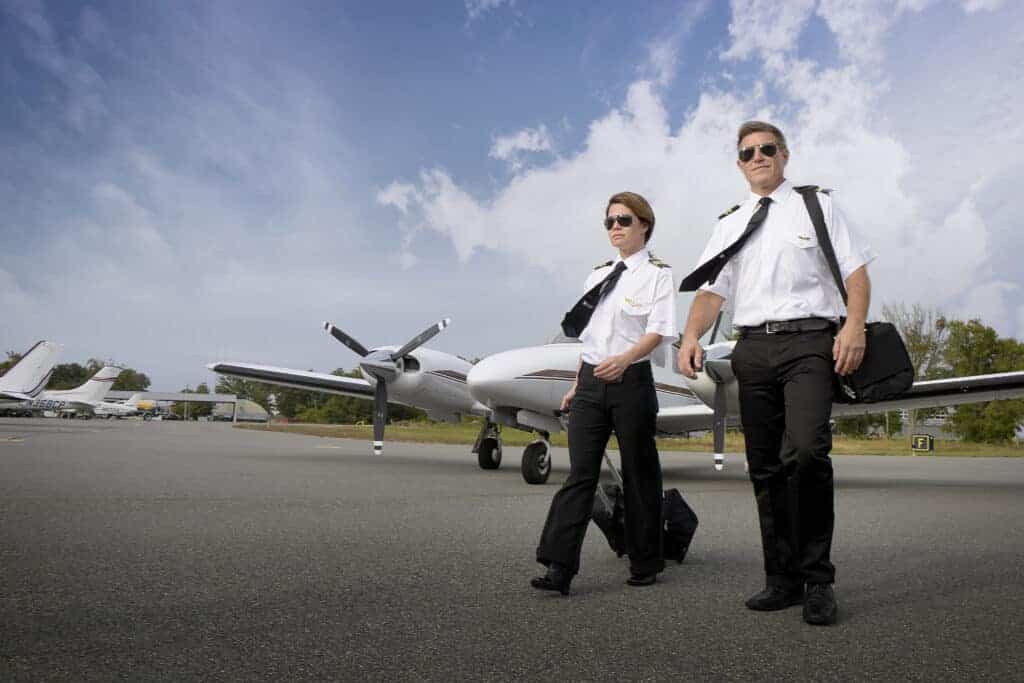

Being an airline pilot is more than just a skilled profession; it’s about connecting people and transporting goods essential to global trade and tourism. Every day, pilots are responsible for safely reuniting families, facilitating business trips, and supporting industries through cargo transportation. Whether flying into bustling international hubs or remote locations, airline pilots play a crucial role in maintaining the seamless flow of people and goods across the world. Their work ensures not only safety but also the trust passengers place in aviation.
To become a pilot is to commit to a challenging yet rewarding path that requires discipline, training, and passion. Pilots are the backbone of the aviation industry, driving tourism and economic growth. If you’re aspiring to take on the responsibilities and rewards that come with being an airline pilot, this ultimate guide will walk you through the steps it takes to become a pilot, offering an in-depth look at the journey from initial training to sitting in the cockpit of a commercial airliner.
Being an airline pilot is much more than just flying a plane. It involves a wide range of responsibilities, both in the air and on the ground. As the person in control of a multi-million-dollar aircraft carrying hundreds of passengers, the stakes are high, and the job demands the utmost professionalism.
An airline pilot’s day often starts long before takeoff. Pre-flight preparations involve reviewing the flight plan, checking weather conditions, and calculating fuel requirements. Safety is the highest priority, so pilots also thoroughly inspect the aircraft and coordinate with air traffic controllers to ensure a smooth flight.
Once in the air, the pilot’s job is far from over. They must monitor flight instruments, communicate with air traffic control, and make quick decisions in response to any changes in weather or mechanical issues. A significant part of being an airline pilot is problem-solving, as every flight presents unique challenges that require the pilot’s attention.
In addition to technical skills, airline pilots must demonstrate strong interpersonal abilities. They are responsible for leading the crew and ensuring passengers feel safe and comfortable. While the rewards of this career are great—competitive salaries, job security, and the excitement of flying—the responsibilities are equally demanding.
The journey to becoming an airline pilot starts with a passion for aviation. While that may be the initial spark, there are formal steps every aspiring pilot must take. To begin with, education plays a key role. You don’t necessarily need a degree in aviation, but having a strong academic background, especially in math and physics, can be helpful. Most airlines prefer candidates with at least a bachelor’s degree, though this is not a strict requirement.
After completing your education, the next major step to becoming a pilot is enrolling in flight school. This is where aspiring aviators learn the foundational skills required to operate an aircraft. During flight school, students are taught everything from basic aerodynamics and navigation to flight regulations and meteorology.
The Federal Aviation Administration (FAA) requires anyone who wants to become a pilot to complete a specific number of flight hours, pass exams, and earn several certifications along the way. The very first milestone is obtaining a private pilot license (PPL), which allows you to fly small aircraft. From there, pilots work their way toward earning a commercial pilot license (CPL), which is a crucial step toward being an airline pilot.
Flight training is the heart of becoming a pilot. It’s an intensive process that combines both theoretical knowledge and hands-on experience. The first phase of flight training focuses on mastering the basic skills needed to operate an aircraft, such as takeoffs and landings, and flying under various conditions. As students progress, they begin to tackle more advanced topics like instrument flying, which teaches pilots how to navigate using only the plane’s instruments during low visibility conditions.
Becoming an airline pilot requires completing a minimum number of flight hours. For a private pilot license, the FAA mandates at least 40 flight hours, though most students take more time to master the skills. For a commercial pilot license, the requirement jumps to 250 hours, encompassing both solo flights and time spent with a certified flight instructor. Accumulating these hours gives pilots the confidence and experience needed to handle larger and more complex aircraft.
One of the best parts of flight training is the opportunity to practice in simulators. These devices replicate real-world flying scenarios, allowing students to experience everything from routine flights to emergency situations. Simulators are a crucial tool for pilots as they allow for safe, controlled practice in handling potentially dangerous scenarios.
Selecting the right flight school is one of the most critical decisions you will make in your journey to being an airline pilot. The quality of your flight training will have a significant impact on your readiness to handle the challenges of piloting a commercial aircraft. When choosing a flight school, there are several factors to consider.
First and foremost, ensure that the flight school is accredited by the FAA. This guarantees that the program meets the industry’s standards for safety and training. Additionally, look for schools that offer structured programs, meaning they guide you step-by-step from your first lesson through to your commercial pilot license.
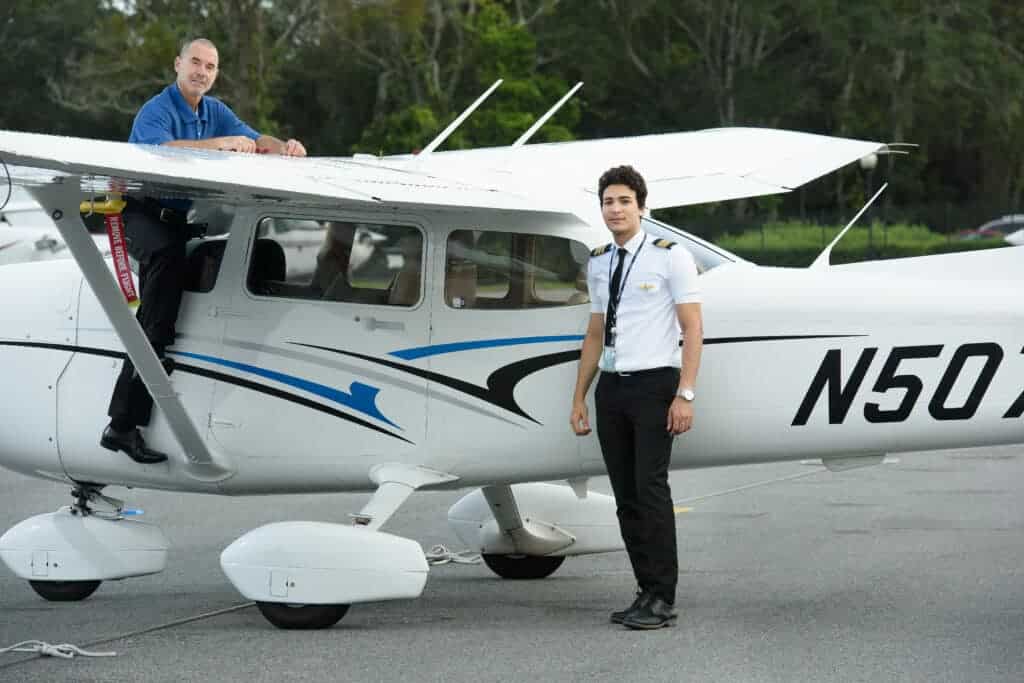
Another important consideration is the experience and qualifications of the instructors. A good instructor can make a world of difference, not only in how quickly you learn but also in the depth of understanding you gain. Look for schools with seasoned professionals who have real-world airline experience.
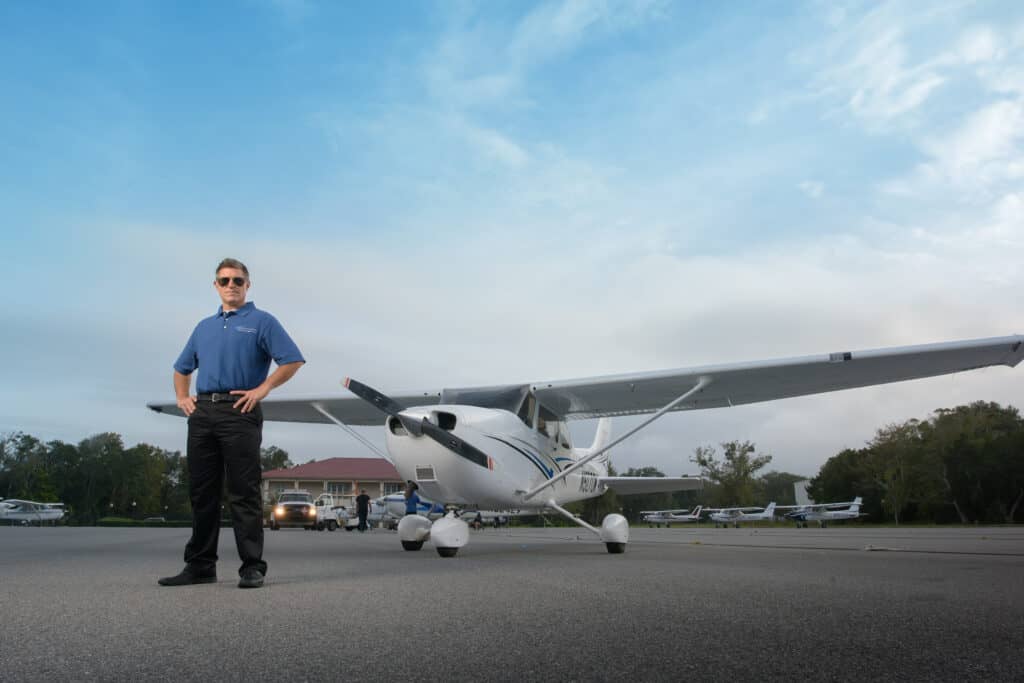
For aspiring airline pilots, Florida Flyers Flight Academy is a top choice. Known for its comprehensive programs, experienced instructors, and a track record of producing successful pilots, Florida Flyers offers all the tools necessary to become a pilot. Whether you’re just starting or looking to complete your commercial license, their programs are designed to provide a solid foundation for your aviation career.
One of the biggest hurdles to becoming a pilot is the financial investment. Flight training, while essential, can be expensive. Depending on the flight school, the cost of training to become an airline pilot can range from $50,000 to $100,000. This includes tuition, flight hours, and the various certifications required.
However, there are ways to mitigate these costs. Many flight schools offer scholarships or financial aid packages to help students cover tuition. Additionally, some airlines have started offering sponsorship programs, where they partially or fully cover the costs of flight training in exchange for a commitment to work for the airline after graduation.
Another option is to secure loans specifically designed for flight training. These can help spread the cost of training over several years, making the financial burden more manageable. It’s essential to plan your finances carefully and research all available funding options to ensure you can complete your training without unnecessary stress.
Accumulating flight hours is one of the most critical aspects of being an airline pilot. The FAA sets a minimum of 1,500 flight hours for pilots who want to apply for an airline transport pilot (ATP) license, which is necessary to fly for major airlines. These hours are more than just a requirement—they’re a testament to your experience and readiness to handle the pressures of commercial aviation.
There are many ways to build flight hours. Some aspiring pilots work as flight instructors, where they teach new students while logging additional flight time. Others take jobs flying for regional airlines, charter companies, or cargo services. Each of these opportunities helps pilots refine their skills while getting closer to the hours they need to qualify for airline jobs.
Most airlines look for candidates with a combination of flight hours and diverse flying experiences. It’s not just about hitting the 1,500-hour mark; it’s about what you’ve learned during those hours. Having experience flying in different weather conditions, at night, and in various aircraft will make you a more competitive candidate.
Once a pilot is hired by an airline, the training doesn’t stop. Each airline has its own specific training programs designed to ensure new pilots are familiar with the company’s aircraft, procedures, and safety protocols. This training is rigorous and typically lasts several months.
One important aspect of airline training is obtaining a type rating. A type rating is a certification that allows a pilot to fly a specific model of aircraft. For example, flying a Boeing 737 requires a type rating for that particular aircraft. Type ratings are essential for being an airline pilot, as commercial airlines operate large, complex aircraft that require specialized knowledge.
Airline training programs also focus heavily on safety procedures and emergency responses. Pilots must demonstrate their ability to handle various in-flight situations, from mechanical failures to medical emergencies. Only after completing this training will a pilot be fully certified to operate as a first officer (co-pilot) for a commercial airline.
Being an airline pilot is physically and mentally demanding. To maintain their licenses, pilots must pass regular medical exams to ensure they are fit to fly. These exams, administered by the FAA, test everything from vision and hearing to cardiovascular health. If a pilot fails to meet the medical standards, they may lose their license.
In addition to physical fitness, mental resilience is crucial for airline pilots. Flying a plane requires intense concentration, decision-making, and the ability to remain calm under pressure. Pilots must be able to think quickly and solve problems in real-time, especially during unexpected situations like weather changes or technical malfunctions.
A career as an airline pilot also involves long hours and irregular schedules. Pilots often work through the night, across multiple time zones, and deal with jet lag. Managing these challenges while staying focused and sharp is a testament to a pilot’s mental strength.
Being an airline pilot offers an exciting and dynamic lifestyle, but it also comes with its unique set of challenges. One of the most significant lifestyle adjustments is the irregular schedule. Pilots often work long shifts that can stretch across multiple time zones, making it difficult to maintain a routine.
Time away from home is another factor to consider. Airline pilots frequently spend nights in different cities or countries, which can be both exciting and challenging, especially for those with families. However, with seniority, pilots often gain more control over their schedules and may eventually fly routes that allow for more time at home.
On the positive side, being an airline pilot opens up a world of travel opportunities. Pilots have the chance to visit destinations around the globe, and many airlines offer benefits like discounted travel for themselves and their families. While the lifestyle can be demanding, the perks and opportunities for exploration are unparalleled.
The journey to becoming an airline pilot is long and challenging, but the rewards make it worthwhile. Airline pilots enjoy competitive salaries, excellent benefits, and job security in a growing industry. Moreover, the sense of accomplishment and the thrill of flying are unmatched by any other profession.
For many pilots, the best part of the job is the opportunity to see the world. With the freedom to travel to new places and experience different cultures, being an airline pilot is not just a career—it’s a lifestyle that offers adventure and discovery at every turn.
Ultimately, being an airline pilot is a career that requires passion, commitment, and a willingness to embrace challenges. If you’re ready to put in the work, the sky’s the limit in terms of what you can achieve.
Contact the Florida Flyers Flight Academy Team today at (904) 209-3510 to learn more about how to pay for flight school.