Introduction to Pilot Aviation Careers
A career in aviation holds a distinct appeal for many individuals who dream of soaring above the clouds, experiencing the thrill of flying, and exploring the world from a unique perspective. Pilot Aviation Careers offer a variety of opportunities and professional growth, making it an attractive field for aspiring pilots. The industry continues to expand, with demand for skilled pilots increasing worldwide. This guide delves into everything you need to know about embarking on a journey in pilot aviation, including the necessary qualifications, diverse career paths, growth prospects, and the challenges involved.
What Are Pilot Aviation Careers?
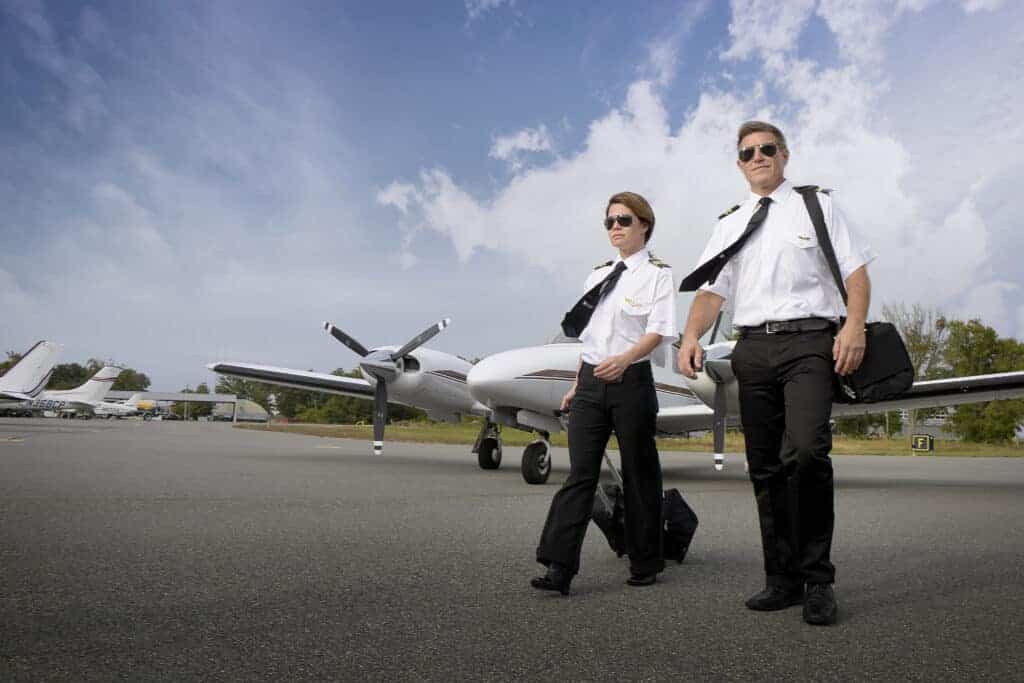
At its core, Pilot Aviation Careers encompass a wide range of roles related to operating aircraft. Pilots are responsible for flying airplanes, helicopters, and other types of aircraft, whether for commercial airlines, cargo services, private companies, or military purposes. The term ‘pilot’ is not limited to commercial airline captains; it extends to corporate pilots, flight instructors, cargo pilots, and even military personnel who handle highly specialized aviation operations.
In the modern aviation landscape, pilots are more than just individuals who maneuver aircraft from one destination to another. They must possess excellent decision-making skills, adaptability, and thorough knowledge of weather patterns, air traffic control procedures, and emergency protocols. While flying may be seen as glamorous from the outside, the reality is that Pilot Aviation Careers require rigorous training and a high level of responsibility. Every flight hinges on the pilot’s ability to ensure safety and smooth operations throughout the journey.
Educational Requirements for Pilot Aviation Careers
One of the primary steps to entering Pilot Aviation Careers is obtaining the necessary education and flight training. Unlike many traditional professions, the path to becoming a pilot involves hands-on training and specialized certification, as flying an aircraft requires more than just theoretical knowledge.
The minimum educational requirement to begin training as a pilot is typically a high school diploma or GED. However, many aspiring pilots opt to pursue higher education by enrolling in aviation-related degree programs. These programs, often offered by universities or specialized flight schools, provide a well-rounded education that combines classroom instruction with flight training.
For those aiming to become professional pilots, attending an accredited flight school is crucial. Such schools provide comprehensive training that prepares students for obtaining various pilot licenses, such as the Private Pilot License (PPL) and the Commercial Pilot License (CPL). Additionally, aspiring airline pilots must earn an Airline Transport Pilot (ATP) certificate, the highest level of certification available. Each certification comes with its own set of training hours, exams, and practical flight experience requirements. Depending on the type of Pilot Aviation Careers one is pursuing, they may need to undergo additional training for specific aircraft or specialized aviation roles.
How to Get Started in Pilot Aviation Careers
Beginning a career in aviation may seem daunting, but with the right guidance and steps, it can be a rewarding journey. The first step for anyone interested in Pilot Aviation Careers is to determine the type of pilot they want to become. Some may be drawn to the world of commercial aviation, flying for major airlines, while others might prefer the flexibility and prestige of corporate or private aviation. Cargo pilots and military aviators are also viable options for those seeking a non-traditional path.
Once a clear goal is set, the next step is to choose a reputable flight school. Selecting an accredited school is critical, as it ensures that the training meets the industry’s standards. Schools like Florida Flyers Flight Academy, for instance, offer structured programs that not only provide the required hours of flight training but also prepare students for the licensing exams.
Aspiring pilots must also consider the financial investment required to pursue Pilot Aviation Careers. Flight school can be expensive, with tuition costs ranging anywhere from $40,000 to over $100,000, depending on the program and location. However, financial aid options, scholarships, and loan programs are available to help ease the burden. Many flight schools offer flexible payment plans, and some airlines even sponsor training for pilots who commit to working with them after certification.
Types of Pilot Aviation Careers
There are numerous paths one can take in the world of Pilot Aviation Careers, each offering its own set of opportunities and challenges. Here’s a closer look at some of the most common types of pilot careers:
Commercial Pilots: These pilots are often what people think of when they envision aviation careers. Commercial pilots typically work for airlines, flying passenger planes on domestic and international routes. While the job involves long hours and time away from home, the benefits include a high salary, travel perks, and a structured career path.
Airline Transport Pilots (ATP): ATPs hold the highest level of pilot certification and are qualified to command the largest commercial aircraft. Becoming an ATP requires extensive training, significant flying hours, and a commitment to ongoing education and skill development. These pilots often work for major airlines and may progress to positions such as captain.
Corporate Pilots: For those looking for a more personalized flying experience, corporate aviation offers a lucrative career. Corporate pilots fly private jets for high-profile clients, businesses, or celebrities. This career offers more flexibility and the opportunity to work in a luxurious, customized environment.
Cargo Pilots: Cargo pilots operate flights dedicated to transporting goods rather than passengers. These pilots play an essential role in the logistics and supply chain industries, ensuring timely delivery of products across vast distances. Cargo pilots often work irregular hours but enjoy the challenge of handling different types of cargo and navigating various weather conditions.
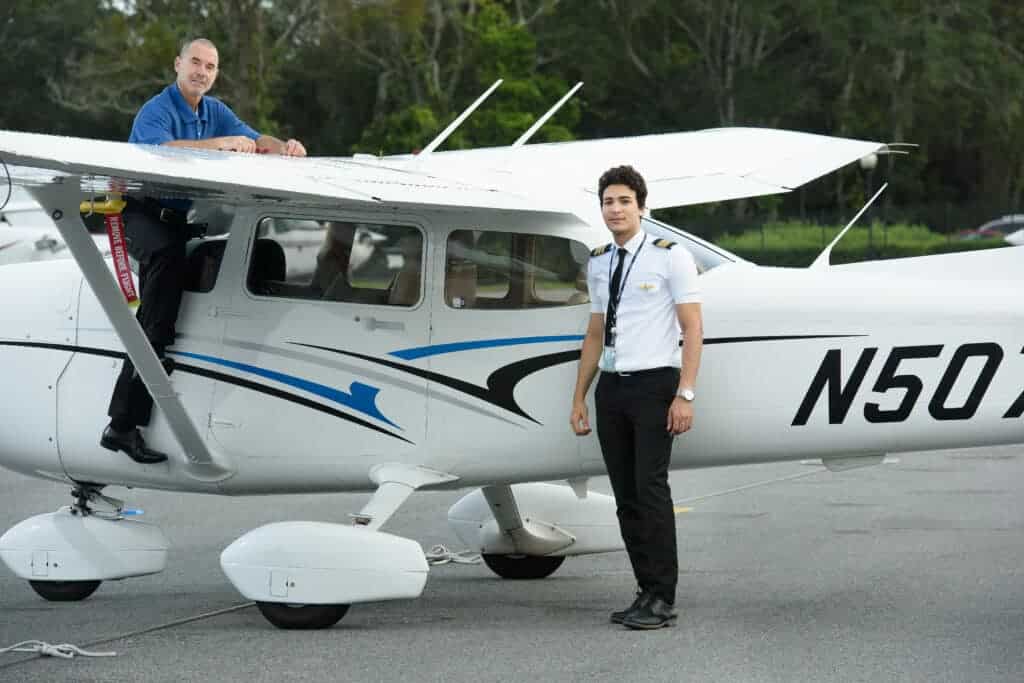
Flight Instructors: Flight instructors are responsible for training the next generation of pilots. Becoming a flight instructor is often a stepping stone for those pursuing advanced Pilot Aviation Careers, as it allows them to accumulate flight hours while teaching others the art of flying. Instructors are not only educators but also mentors who shape the future of aviation.
Military Pilots: Military aviation offers a unique career path, with opportunities to fly high-performance jets, helicopters, and other specialized aircraft. Military pilots often undergo intense training and may participate in combat missions, search and rescue operations, or humanitarian aid efforts. After their service, many military pilots transition into civilian aviation, leveraging their extensive experience.
Opportunities and Growth in Pilot Aviation Careers
The aviation industry is continuously evolving, and with it comes a growing demand for qualified pilots. The rise in global air travel, increased cargo shipments, and the expansion of private aviation all contribute to the vast opportunities available in Pilot Aviation Careers. According to industry forecasts, there will be a significant shortage of pilots in the coming years due to retirements and increased air traffic. This presents a golden opportunity for those entering the field, as airlines and aviation companies are actively recruiting pilots.
Pilots also benefit from clear growth prospects. For example, commercial pilots may start as first officers (co-pilots) but can work their way up to captain positions. The path to becoming a captain requires additional flight hours, experience, and passing rigorous evaluations. Similarly, corporate pilots may advance to flying larger, more luxurious aircraft or managing an entire fleet.
The demand for pilots extends beyond passenger airlines. Cargo carriers like FedEx and UPS are constantly seeking experienced pilots to handle their growing delivery networks. With the rise of e-commerce and global trade, cargo pilots play an increasingly important role in the aviation industry.
Salary and Benefits in Pilot Aviation Careers
One of the key factors that make Pilot Aviation Careers appealing is the potential for high earnings. The salary for pilots varies based on the type of career, experience level, and location. Commercial pilots, for example, can earn anywhere from $50,000 to over $200,000 per year, depending on their seniority and the airline they work for. Airline transport pilots, particularly captains for major airlines, often earn salaries that exceed $300,000 annually.
Corporate pilots also enjoy competitive salaries, with earnings ranging from $80,000 to $180,000, depending on the type of aircraft they fly and the clients they serve. Flight instructors, while typically earning less than commercial or corporate pilots, can still expect a decent income, especially as they gain experience and take on more advanced training roles.
In addition to high salaries, pilots enjoy various perks, including free or heavily discounted air travel, comprehensive healthcare, retirement plans, and generous vacation time. Many airlines also offer signing bonuses, especially in times of pilot shortages. These benefits make Pilot Aviation Careers financially rewarding while offering a lifestyle filled with travel and adventure.
Challenges in Pilot Aviation Careers
While Pilot Aviation Careers come with many rewards, they are not without challenges. One of the most significant challenges pilots face is the demanding nature of the job. Pilots often work long hours, with irregular schedules that include nights, weekends, and holidays. The time spent away from home and family can take a toll on personal relationships, and jet lag from crossing multiple time zones can affect physical and mental health.
In addition to the lifestyle challenges, pilots must remain highly vigilant and responsive to ever-changing flight conditions. Weather disruptions, mechanical issues, and air traffic control complications can arise at any moment, requiring pilots to make quick, informed decisions. The responsibility of ensuring the safety of passengers or cargo is a heavy burden that pilots must carry throughout their careers.
The Future of Pilot Aviation Careers
The future of Pilot Aviation Careers looks bright, with technological advancements driving the industry forward. The development of electric aircraft, improvements in autonomous flying technology, and a push for sustainable aviation practices are reshaping how pilots operate. While some fear that automation may reduce the need for pilots, the reality is that human oversight and expertise will always be crucial in aviation.
Emerging technologies also open up new opportunities for pilots. For instance, urban air mobility (UAM) platforms, such as flying taxis and drones, are set to become a new frontier in aviation, creating additional roles for pilots with specialized skills.
Conclusion
In conclusion, Pilot Aviation Careers offer a diverse range of opportunities for individuals passionate about flying. Whether aspiring to become a commercial airline pilot, a corporate jet operator, or a military aviator,
the path is filled with professional growth and exciting challenges. With the aviation industry expected to grow in the coming years, now is an ideal time to pursue a career in aviation. For those ready to take flight, programs like those at Florida Flyers Flight Academy provide the perfect starting point. The skies are calling, and the journey to a fulfilling career in pilot aviation awaits.
Contact the Florida Flyers Flight Academy Team today at (904) 209-3510 to learn more about how to pay for flight school.