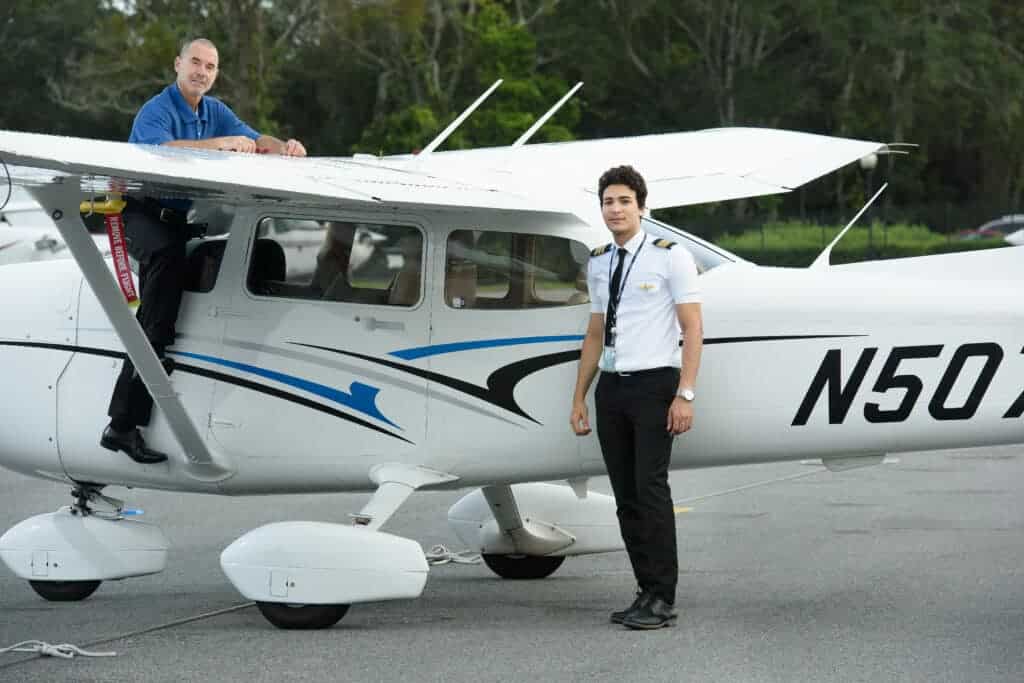
The journey to becoming a Certified Flight Instructor (CFI) is both rewarding and challenging. As a pivotal role in aviation, CFIs are responsible for training the next generation of pilots, making them instrumental in maintaining the safety and integrity of the aviation industry. One of the most critical aspects of this journey is meeting the necessary CFI hour requirements. These requirements are set forth by the Federal Aviation Administration (FAA) and serve as a benchmark for aspiring CFIs to demonstrate their competence in both flying and teaching.
Understanding CFI hour requirements early in your training is essential to ensure that you meet all the necessary milestones along the way. This guide will walk you through the process, breaking down the steps from earning your first pilot certificate to successfully becoming a flight instructor. Along the way, we will dive deep into how to accumulate hours efficiently, the role of flight schools, and what to expect during FAA evaluations.
The FAA regulates the path to becoming a flight instructor with a stringent set of guidelines designed to ensure that only qualified individuals can instruct others in aviation. To meet the CFI hour requirements, candidates must accumulate specific flight experience and pass various written and practical exams. A key regulation under FAA Part 61 and Part 141 outlines the necessary qualifications for CFIs, starting with obtaining your Private Pilot License (PPL), followed by earning your Instrument Rating, Commercial Pilot License (CPL), and completing the required instructor training.
One of the primary CFI hour requirements is logging 250 total flight hours, which includes specific types of flight experiences such as cross-country flight time, night flying, and instrument flying. However, these minimums can differ slightly depending on the training path you follow. It’s critical to familiarize yourself with the FAA’s requirements and regulations early on to track your progress and ensure compliance.
Choosing the right flight school is your first major decision in your journey to meeting the CFI hour requirements. A reputable flight school provides the foundation for your pilot training, offering both the aircraft and instructors necessary to help you achieve your goal. Most aspiring flight instructors choose schools that are FAA-approved under either Part 61 or Part 141.
Flight schools accredited under Part 141 often have more structured programs, which can streamline your hour-building process. For instance, Florida Flyers Flight Academy is an excellent example of a school that offers comprehensive training programs tailored to future flight instructors. With a focus on efficiency and meeting FAA standards, they provide the ideal environment to meet the CFI hour requirements in the most effective way possible.
Before you can start accumulating hours toward your CFI, the first step is to obtain your Private Pilot License (PPL). This initial certificate allows you to operate aircraft as the pilot-in-command (PIC) and begins your journey in logging the flight hours necessary for higher certifications.
To earn your PPL, you must complete a minimum of 40 flight hours, which includes at least 20 hours of instruction and 10 hours of solo flying. These hours will consist of various types of flight experiences such as cross-country flights, takeoffs and landings, as well as night flying. Keep in mind that these 40 hours are the minimum requirement; most students end up accumulating closer to 60 or 70 hours by the time they are ready to take their PPL check ride.
Once you’ve earned your PPL, every hour you log as PIC contributes to meeting the overall CFI hour requirements. At this stage, it’s essential to focus on building strong foundational skills, as these will form the basis of your ability to instruct future pilots.
After earning your PPL, the next critical step in meeting the CFI hour requirements is obtaining your Instrument Rating and Commercial Pilot License (CPL). The Instrument Rating is essential because it qualifies you to fly in various weather conditions using only instruments. This rating not only improves your overall proficiency as a pilot but also adds to your total flight hours, moving you closer to the CFI hour requirements.
For the Instrument Rating, you’ll need to log at least 40 hours of instrument time. This will include simulated or actual instrument flight conditions, where you fly relying only on your instruments, without external visual references.
Next, you’ll work toward your Commercial Pilot License (CPL). The CPL allows you to be compensated for your flying services, opening up more opportunities for building hours. To earn your CPL, the FAA requires a minimum of 250 total flight hours, which includes specific cross-country and night flying experiences. By the time you achieve your CPL, you will have logged a significant portion of the CFI hour requirements and will be well on your way to becoming a flight instructor.
Accumulating flight hours is one of the most time-consuming aspects of meeting the CFI hour requirements, and doing so efficiently is key to progressing through your training as quickly as possible. There are several strategies you can employ to build hours in a cost-effective and efficient manner.
One of the most popular methods is time-building with other pilots. By sharing the cost of renting an aircraft, you can log dual-PIC hours, where both pilots get flight time for operating the aircraft. Cross-country flying is another excellent way to accumulate hours quickly, as these flights often require longer distances, allowing you to log more time per flight.
Flight schools like Florida Flyers Flight Academy offer structured programs that help students maximize their time in the air. Schools with larger fleets and well-organized schedules can help you stay consistent with your training, ensuring that you meet the CFI hour requirements without unnecessary delays.
Flight schools play a significant role in helping students meet their CFI hour requirements. Beyond providing access to aircraft and instructors, a good flight school offers structured programs that keep you on track with your training goals. Whether you’re working toward your PPL, Instrument Rating, or CPL, the right school will support you in building hours efficiently.
Schools like Florida Flyers Flight Academy are designed to support aspiring CFIs, offering advanced training, time-building programs, and career placement opportunities. When choosing a school, it’s important to consider their fleet size, instructor availability, and the overall quality of their training programs. The more resources a school offers, the more efficiently you can build your flight hours and meet the CFI hour requirements.
Once you’ve met the basic CFI hour requirements, you may want to pursue advanced training programs that will further enhance your qualifications as a flight instructor. Some of these advanced ratings include Multi-Engine Instructor (MEI), Instrument Flight Instructor (CFII), and Airline Transport Pilot (ATP) certifications.
These advanced programs not only build upon your existing skills but also add additional hours to your logbook, moving you closer to meeting the higher CFI hour requirements for more specialized instruction. For example, becoming a CFII allows you to instruct other pilots in instrument flying, which is an invaluable skill in the aviation industry. Advanced training not only improves your employability but also helps you stand out in a competitive job market.
After accumulating the necessary flight hours, the next major hurdle in becoming a Certified Flight Instructor is passing the FAA CFI written exam. This test evaluates your knowledge of aerodynamics, FAA regulations, flight instruction techniques, and other critical areas of aviation.
To prepare for the exam, many candidates enroll in specialized ground school programs designed to teach the topics covered in the written test. These programs often include study guides, practice exams, and one-on-one instruction to ensure that you are fully prepared to pass the exam on your first attempt.
Meeting the CFI hour requirements is only one part of the process; demonstrating your knowledge and ability to teach is equally important. The written exam is an opportunity to show the FAA that you are ready to take on the responsibility of instructing future pilots.
After completing your written exam, the final step in becoming a Certified Flight Instructor is passing the CFI practical test, often referred to as a check ride. This test is a combination of an oral exam and a flight test, where an FAA-designated examiner will assess your ability to teach and fly at the level required for a CFI.
The checkride typically includes flight maneuvers, emergency procedures, and instructional techniques. You will be expected to demonstrate not only your proficiency in flying but also your ability to explain and teach these concepts to a student. Passing the practical test is the final step in meeting the CFI hour requirements and officially becoming a flight instructor.
Once you’ve met the CFI hour requirements and earned your flight instructor certificate, the next step is finding job opportunities in the aviation industry. Networking plays a significant role in landing your first CFI position. Many flight schools, offer job placement assistance and have established relationships with regional airlines and aviation companies.
Additionally, attending aviation conferences, joining professional organizations, and staying connected with your flight school’s alumni network can open doors to various opportunities. The demand for CFIs is high, especially as the aviation industry continues to grow, so there are numerous opportunities for newly certified instructors.
Becoming a Certified Flight Instructor is a significant achievement and an important milestone in any pilot’s career. Meeting the CFI hour requirements is a rigorous process that involves accumulating flight hours, passing exams, and developing the skills necessary to teach others. Once you’ve earned your CFI, the possibilities for growth in the aviation industry are vast, from instructing private students to working for major airlines.
As you continue to build experience as a flight instructor, consider furthering your education with advanced ratings and certifications. Florida Flyers Flight Academy offer continuing education opportunities that can help you stay competitive in a rapidly evolving industry. Whether you choose to pursue advanced instructor ratings or move into airline transport, the skills and knowledge you gain as a CFI will serve as the foundation for your success in aviation.
Contact the Florida Flyers Flight Academy Team today at (904) 209-3510 to learn more about how to pay for flight school.