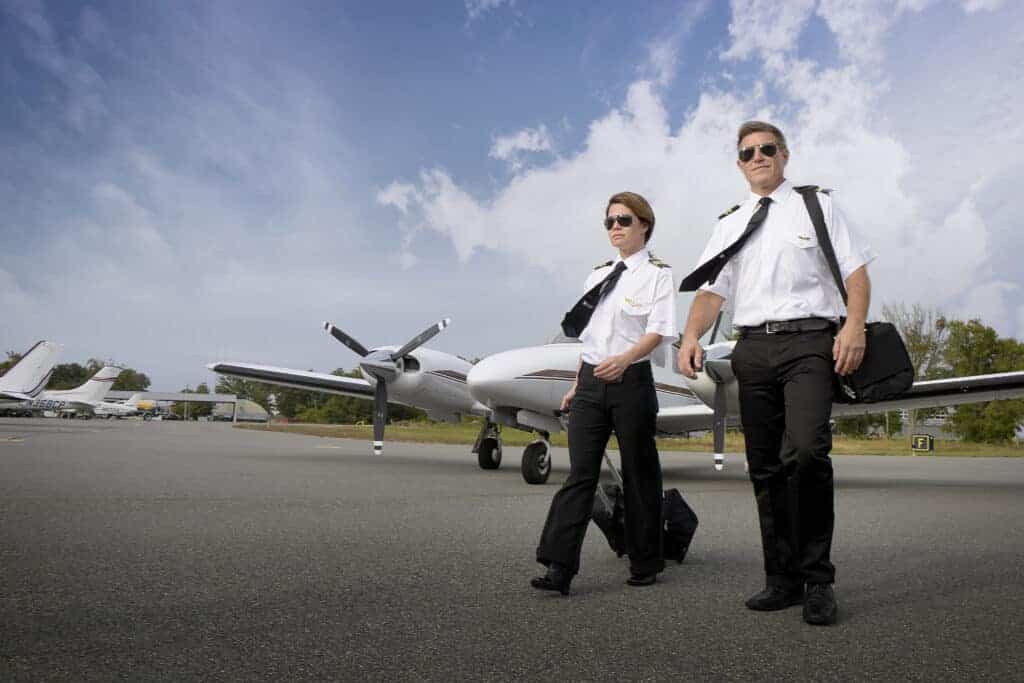
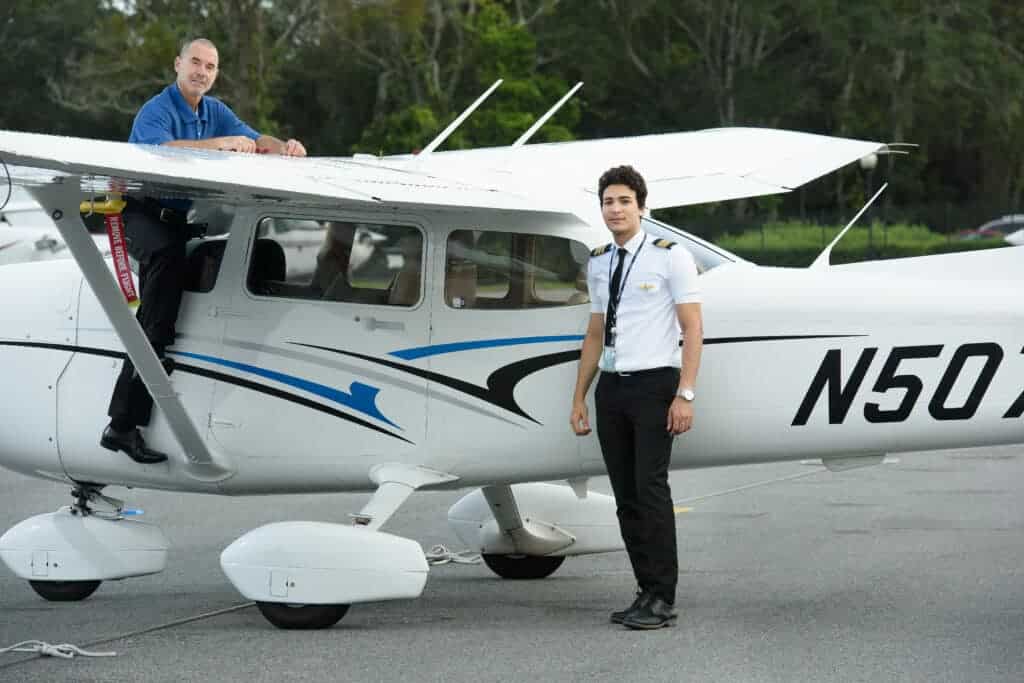
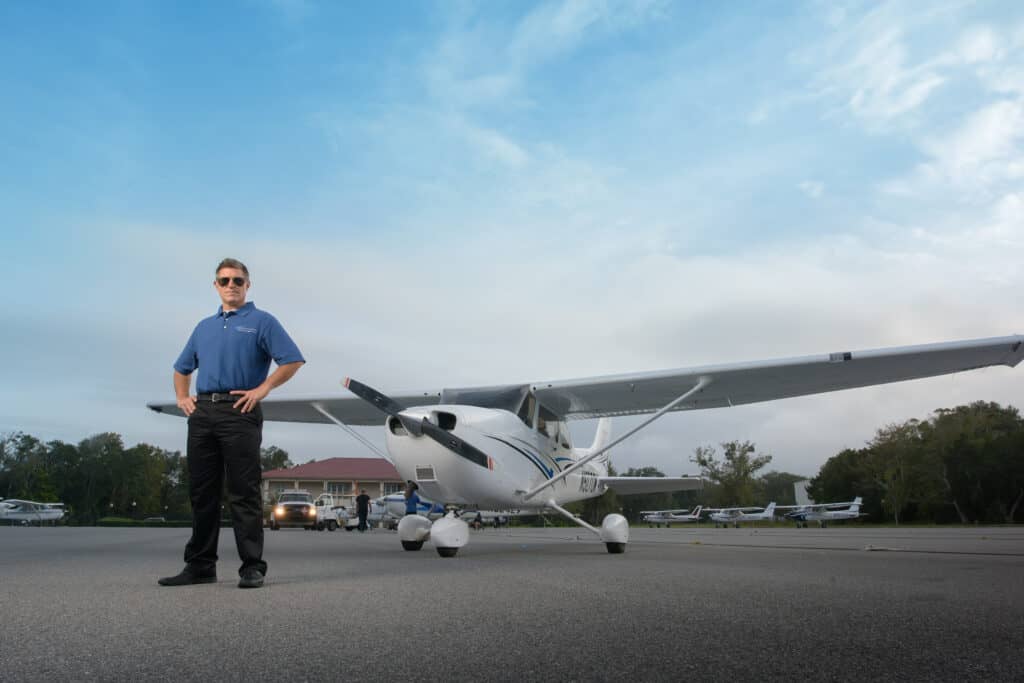
For many, becoming a pilot represents the fulfillment of a lifelong dream. The thought of soaring through the clouds, navigating the vast skies, and exploring new horizons is captivating. However, while the allure of flying is powerful, the question remains: How do I start a flying career? The journey to becoming a pilot requires more than passion—it demands dedication, training, and adherence to strict regulations.
In this article, we will walk you through every step of starting your flying career, from understanding the basic requirements to obtaining the necessary licenses and certifications. We will explore how to choose the right flight school, navigate the FAA regulations, build flight hours, and eventually become a professional pilot. By the end, you’ll have a clear path to follow, answering your question: How do I start a flying career?
Before diving into answering the question, how do I start a flying career? It’s essential to understand the role of a pilot. A pilot is responsible for the operation and safety of an aircraft. Whether you’re flying a commercial airliner, a private jet, or a cargo plane, your primary responsibility is to ensure that everyone on board and the aircraft itself are safe.
Pilots must manage a range of tasks, from pre-flight checks to navigating challenging weather conditions. Their roles vary based on the type of flying they do. For example, commercial airline pilots transport passengers on scheduled flights, while cargo pilots focus on delivering goods. Private pilots may fly small planes for personal use, and charter pilots fly on-demand services.
Regardless of the type of flying, every pilot shares common responsibilities: mastering aircraft systems, maintaining situational awareness, communicating with air traffic control, and ensuring the well-being of passengers. When asking “How do I start a flying career?” remember that it is a profession requiring technical expertise, discipline, and adaptability.
The path to becoming a pilot begins with meeting basic requirements. If you’re asking “How do I start a flying career?” here are the essential criteria:
These foundational requirements are crucial in determining how to start a flying career, setting the stage for your training and future licensing.
Choosing a flight school is one of the most critical decisions when starting a flying career. Your flight school will guide you through the training process, from learning the basics of aviation to acquiring advanced skills. But how do you choose the right school?
When determining “How do I start a flying career?” consider schools that offer structured programs led by certified flight instructors. A reputable flight school will have a well-maintained fleet of aircraft and a proven track record of success. It’s also essential to ensure that the school aligns with FAA regulations and offers programs tailored to your career goals.
Florida Flyers Flight Academy is an excellent option for aspiring pilots. Known for its top-tier instructors and comprehensive training programs, this academy provides students with the resources and hands-on experience needed to excel in aviation. Whether you’re seeking a Private Pilot License or aiming to join a major airline, Florida Flyers Flight Academy can guide you on your journey.
One of the most challenging aspects of starting a flying career is understanding and complying with FAA regulations. The FAA (Federal Aviation Administration) is the governing body responsible for regulating all aspects of civil aviation in the United States, including pilot licensing.
When asking “How do I start a flying career?” you must become familiar with the FAA’s requirements for licensing. These include specific flight hour benchmarks, passing written exams, and completing practical flight tests known as checkrides. The FAA also mandates continuous medical fitness, meaning pilots must renew their medical certifications regularly.
The journey typically begins with obtaining your Private Pilot License (PPL), followed by a Commercial Pilot License (CPL) for those seeking a professional career. Each license has its own set of criteria, but all involve significant study, training, and adherence to FAA standards. Following these regulations ensures that pilots maintain the highest level of safety and professionalism.
The first major milestone when considering “How do I start a flying career?” is obtaining your Private Pilot License (PPL). The PPL allows you to fly solo or with passengers but not for hire. It’s the foundation of every pilot’s career and opens the door to more advanced licenses.
To earn a PPL, you will go through several stages:
Upon passing your checkride, you will be awarded your PPL, marking the official beginning of your flying career.
After obtaining your PPL, the next step in “How do I start a flying career?” is building flight hours. Accumulating flight time is essential for progressing toward more advanced certifications like the Commercial Pilot License (CPL). Building hours provides you with valuable experience, allowing you to hone your flying skills and gain confidence.
Pilots often build hours by renting aircraft from their flight school or joining a flying club. Some pilots take on roles as flight instructors, allowing them to earn money while accumulating flight time. Consistency is key, and persistence in flying regularly will help you reach the required hours more efficiently.
Building hours is not just about quantity; it’s about quality. Diverse flight experiences—such as flying in different weather conditions or at various airports—will make you a more well-rounded and capable pilot. Patience and dedication are critical during this phase, but it is a vital step in advancing your career.
For those serious about starting a professional flying career, the next step after building sufficient flight hours is earning your Commercial Pilot License (CPL). The CPL is the certification that allows you to fly for hire, opening doors to careers such as charter flying, corporate aviation, and even airline positions.
To obtain your CPL, you must meet several key requirements:
With a CPL in hand, you are now eligible to work as a professional pilot. The CPL is an essential credential for anyone wondering “How do I start a flying career?” with the goal of earning income through flying.
As you advance in your flying career, specialized training becomes necessary. Two critical certifications for professional pilots are the Instrument Rating (IR) and the Multi-Engine Rating (MER).
Both the IR and MER significantly enhance your career prospects by expanding the types of aircraft you can operate and the conditions under which you can fly.
The final step for those asking “How do I start a flying career?” with the ambition of flying for major airlines is earning the Airline Transport Pilot (ATP) license. The ATP is the highest level of certification a pilot can obtain and is required to serve as a captain for commercial airlines.
To qualify for an ATP license, you must:
ATP programs are designed to prepare you for the unique challenges of airline flying, from advanced aircraft systems to crew management. Florida Flyers Flight Academy offers an ATP training program that equips pilots with the skills and experience necessary to meet FAA requirements and enter the competitive world of commercial aviation. With the Airline Transport Pilot (ATP) license, your flying career reaches its pinnacle, and you are fully qualified to take on the responsibility of transporting passengers across domestic and international skies. For those serious about how to start a flying career and advance to the airline level, this certification is a must.
Technical skills alone are not enough to ensure a successful flying career. Pilots must also cultivate a wide range of soft skills to navigate the complexities of their professional environment. When considering how to start a flying career, it’s important to recognize that the following soft skills are just as critical as flight training:
By developing these soft skills, you not only enhance your technical capabilities but also position yourself for long-term success in the aviation industry.
Once you’ve obtained the necessary certifications and developed the required skills, it’s time to explore the diverse range of career opportunities available in aviation. When pondering how to start a flying career, it’s important to know where that career might take you. The following are some of the key career paths pilots can pursue:
No matter which path you choose, the possibilities in aviation are vast and rewarding.
Aviation is a constantly evolving field, and pilots must stay current with new technologies, regulations, and safety procedures. As part of your journey, continuing education and recertification play a vital role in maintaining your credentials and keeping your skills sharp.
Pilots are required by the FAA to undergo regular recertification to ensure that they meet the latest safety and operational standards. This often involves taking recurrent training, passing flight reviews, and renewing medical certifications. For example, airline pilots must undergo annual proficiency checks to retain their qualifications.
Florida Flyers Flight Academy offer ongoing education programs that help pilots stay at the forefront of the industry. Whether you need to update your knowledge on new regulations or expand your skill set with advanced training, these programs are invaluable for long-term success.
As you reflect on the question “How do I start a flying career?” it’s important to understand both the challenges and rewards that come with this profession. Flying can be incredibly demanding. Pilots often work long hours, spend extended periods away from home, and must handle high levels of responsibility. The physical and mental toll of constantly managing safety, passengers, and aircraft systems can be significant.
Despite these challenges, the rewards of a flying career are immense. Pilots have the unique privilege of seeing the world from a perspective few experience. The opportunity to travel, work with cutting-edge technology, and build a prestigious career makes aviation one of the most fulfilling professions. Additionally, the sense of achievement that comes from mastering complex skills and safely transporting passengers across the globe is deeply gratifying.
Pilots also enjoy financial stability, with opportunities for growth and career advancement. As you progress from smaller aircraft to large commercial jets, your earning potential increases, making aviation a highly lucrative field.
In conclusion, the journey to becoming a pilot begins with understanding the steps involved in starting a flying career. From meeting the basic requirements to obtaining your Private Pilot License, building flight hours, and eventually earning your Commercial and ATP licenses, each step brings you closer to achieving your dream.
Choosing the right flight school, such as Florida Flyers Flight Academy, and staying current with FAA regulations and certifications is key to long-term success. Along the way, developing essential soft skills and exploring various career paths will help you make the most of your flying career.
Now that you know the answer to “How do I start a flying career?” it’s time to take the first step. Whether you aspire to fly for a commercial airline or pursue another path in aviation, the opportunities are endless. Begin your journey today, and let the skies be your limit.
Contact the Florida Flyers Flight Academy Team today at (904) 209-3510 to learn more about how to pay for flight school.