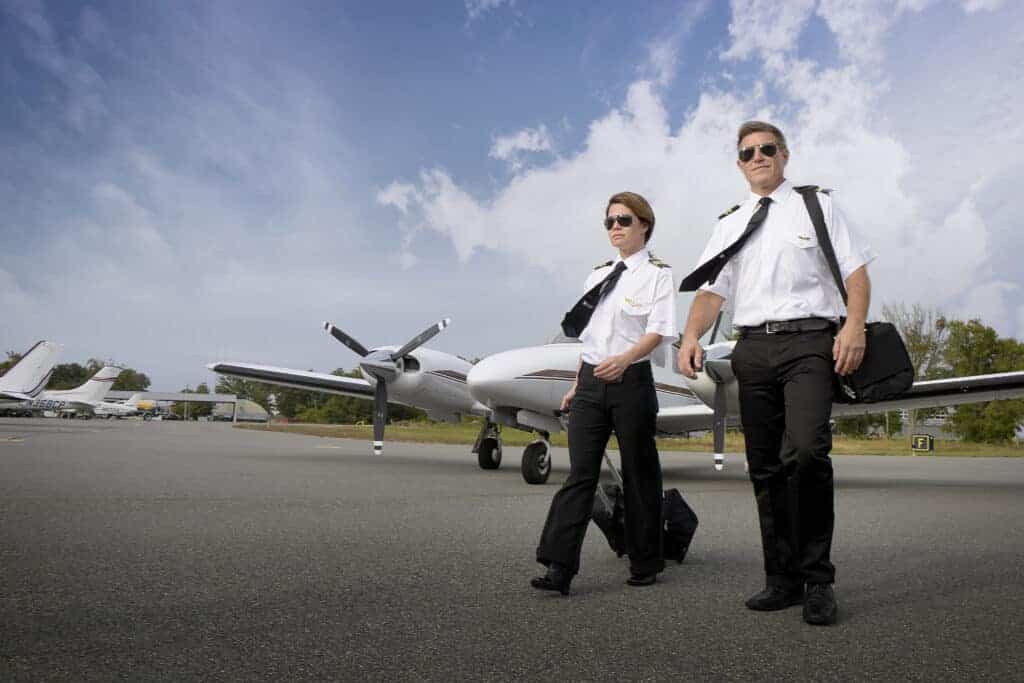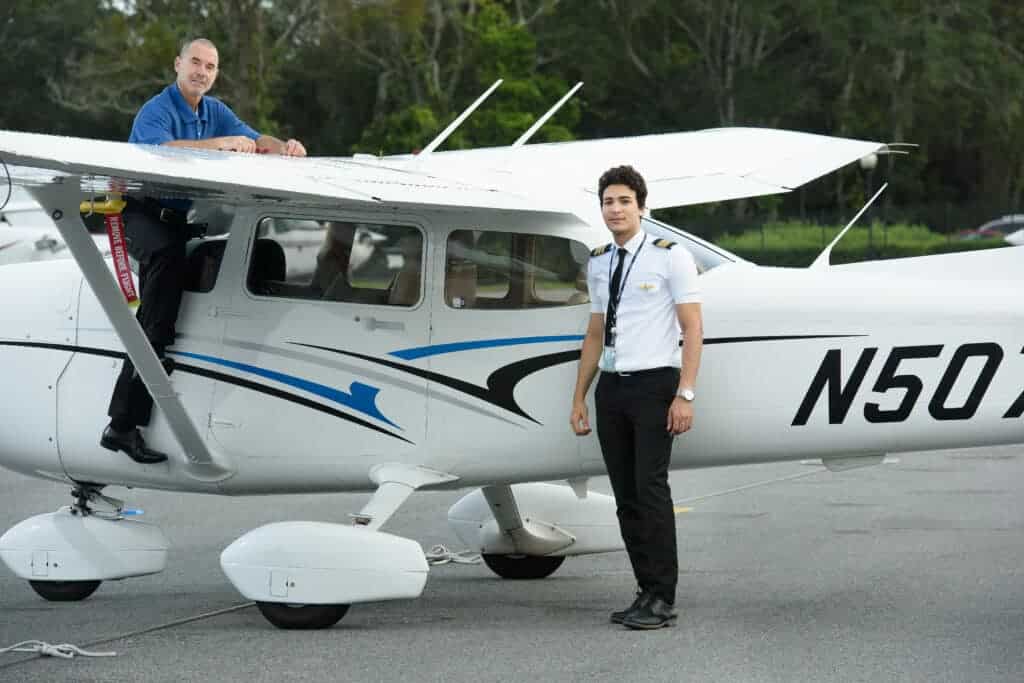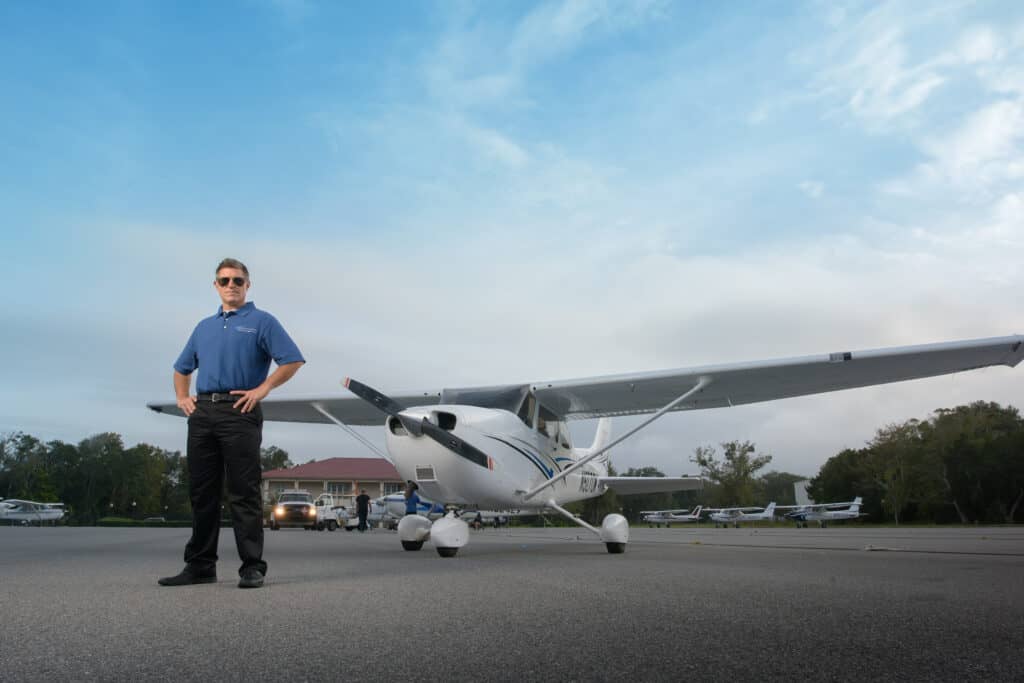
Aspiring to become a pilot? Whether you’re dreaming of flying commercial jets, cargo planes, or simply for personal adventures, pilot lessons are the essential first step. These lessons take place in flight school, where aspiring aviators are taught the skills and knowledge needed to become licensed pilots. Pilots don’t just fly for fun; they play a vital role in connecting people and goods across the world. Without pilots, our ability to travel long distances, transport essential cargo, and maintain global connections would be impossible.
In 2024, the aviation industry continues to grow, and the demand for skilled pilots is at an all-time high. But becoming a pilot requires a serious commitment, and it all starts with understanding what pilot lessons involve. From selecting the right flight school to mastering the art of flying, this guide will walk you through everything you need to know about pilot lessons and how they prepare you for an exciting and rewarding aviation career in aviation.
Pilot lessons are structured training programs designed to teach you how to fly an aircraft safely. From your first takeoff to mastering advanced flight maneuvers, these lessons cover a range of subjects. Each lesson builds on the last, ensuring you gain the knowledge and skills needed to progress toward your pilot certification.
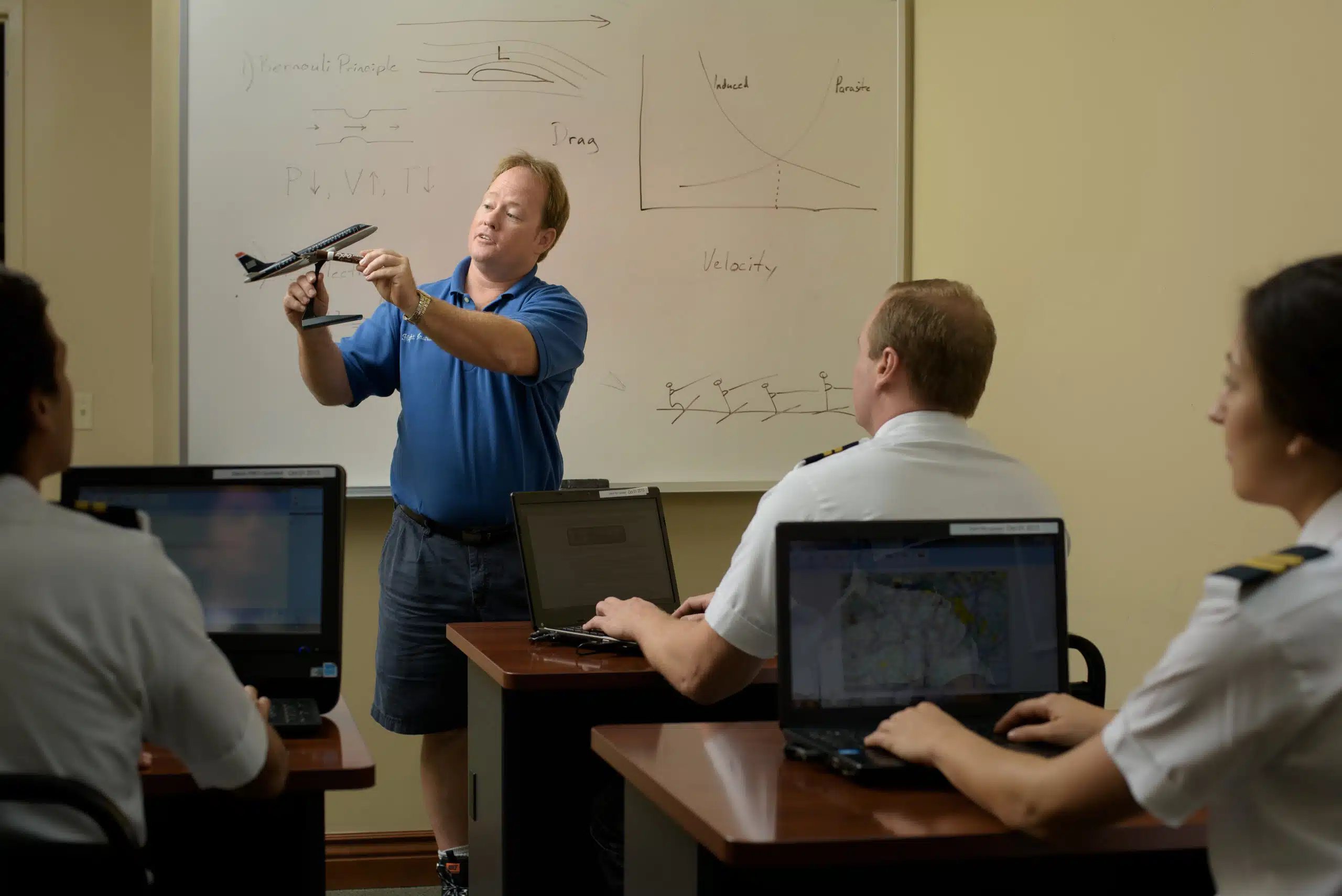
Typically, pilot lessons are divided into two parts: ground school and flight training. Ground school focuses on the theoretical side of aviation, covering topics such as aerodynamics, weather, navigation, and regulations. Flight training, on the other hand, provides hands-on experience, teaching you how to physically control an aircraft, communicate with air traffic control, and handle emergency situations.
Pilot lessons are essential whether you want to earn a private pilot license (PPL), a commercial pilot license (CPL), or advanced ratings like an instrument rating. Each type of lesson builds your proficiency, ultimately leading to your certification and the freedom to fly independently.
Choosing the right pilot lessons depends on your aviation goals. Flight schools in 2024 offer various types of training based on whether you’re pursuing a career in aviation or flying for personal enjoyment.
Private pilot lessons are typically the starting point for most aviation students. A private pilot license (PPL) allows you to fly recreationally without compensation. These lessons provide the basic skills required to operate a single-engine aircraft safely. You’ll learn how to conduct pre-flight inspections, navigate using visual references, and communicate with air traffic controllers.
During private pilot lessons, you’ll accumulate a minimum of 40 flight hours, including both solo flights and lessons with a certified flight instructor (CFI). Ground school also forms a significant part of the training, where you’ll dive deep into understanding airspace, weather conditions, and aviation regulations. Upon completing private pilot lessons and passing the written and practical exams, you’ll earn your private pilot license.
For those seeking a career in aviation, commercial pilot lessons are the next step. A commercial pilot license (CPL) enables you to earn income as a pilot, opening up career opportunities with airlines, charter services, or cargo operations. The training for a CPL goes beyond basic piloting skills, teaching you advanced maneuvers and how to handle more complex aircraft systems.
To earn a CPL, you must log significantly more flight hours than for a PPL, typically 250 hours or more. Commercial pilot lessons also involve more intensive ground school training, covering areas like flight planning, performance calculations, and aviation law. The rigorous curriculum ensures that you meet the high standards required for commercial operations.
Weather is one of the biggest challenges pilots face. To handle flying in poor visibility conditions, you’ll need an instrument rating. Instrument rating lessons focus on training pilots to fly solely using the aircraft’s instruments when outside visual cues like the horizon are unavailable.
These lessons are crucial for aspiring commercial pilots and those who wish to fly in diverse weather conditions. Instrument rating lessons are designed to help you master navigation, altitude control, and precise flying techniques using cockpit instruments. Many flight schools in 2024 incorporate cutting-edge flight simulators to enhance instrument training, providing students with a safe, realistic environment to practice their skills.
Choosing the right flight school is as important as the lessons themselves. Flight schools serve as the foundation for your training, providing you with instructors, equipment, and the resources you need to succeed. The right school should match your goals, budget, and learning style.
1. Accreditation and Reputation: Ensure the flight school is accredited by relevant aviation authorities, such as the FAA in the United States. Research the school’s reputation by reading reviews from current and former students. A school with a strong reputation for producing skilled, confident pilots is a good sign of quality training.
2. Instructor Experience: Instructors play a critical role in your education. Look for flight schools that employ experienced CFIs who are not only skilled pilots but also effective teachers. The quality of instruction can significantly impact your learning experience.
3. Fleet and Equipment: The condition of the aircraft you’ll train in matters. Modern, well-maintained planes are essential for safe learning. Additionally, flight schools that use advanced flight simulators provide a valuable tool for honing your skills before heading into the air.
4. Programs and Flexibility: Different flight schools offer different programs, such as part-time, full-time, or accelerated courses. Choose a program that fits your schedule, whether you’re pursuing training as a career change or as a student. Some flight schools also offer financing options, making it easier to manage the costs associated with pilot lessons.
5. Location: Proximity to the school may play a role in your decision, but also consider the weather conditions of the area. Some regions are more conducive to year-round flying, providing more consistent training opportunities.
Before enrolling, visit the flight school in person, if possible. Touring the facilities, meeting the instructors, and seeing the aircraft fleet firsthand will give you a better sense of the school’s quality. Ask questions about their training methodology, pass rates, and what to expect as a student.
Pilot lessons are a significant financial investment, and understanding the costs involved is critical when planning your training. The cost of flight school varies depending on the type of training, the location of the school, and the aircraft used.
For private pilot lessons, expect to pay between $10,000 and $15,000. This includes ground school, flight instruction, aircraft rental, and examination fees. Commercial pilot lessons are more expensive due to the increased flight hours and advanced training required, with costs ranging from $30,000 to $50,000.
Additional expenses include materials such as textbooks, flight gear (headsets, kneeboards), and possibly accommodation if you’re attending a school far from home. It’s also important to factor in the cost of medical exams and pilot licensing fees.
Many flight schools like the Florida Flyers Flight Academy offer financial aid or payment plans, allowing students to spread the cost of pilot lessons over time. Scholarships are also available for those seeking assistance, especially for individuals pursuing a career in aviation.
Flight schools are increasingly incorporating cutting-edge technology to enhance the learning experience. The use of flight simulators, mobile apps, and online resources is revolutionizing the way pilot lessons are taught.
Flight simulators are particularly useful for practicing emergency scenarios, instrument flying, and honing your skills without the cost and risks associated with real flights. These simulators provide a realistic environment that mirrors real-life flying conditions, allowing you to build muscle memory and improve decision-making under pressure.
Additionally, mobile apps and online platforms provide students with resources like navigation tools, weather updates, and study materials. Ground school lessons can now be accessed from anywhere, allowing for flexible learning and helping students stay on top of their studies even when they’re not at the flight school.
The first time you step into the cockpit for a pilot lesson is an experience like no other. You’ll likely start with a discovery flight, where your instructor will take you through the basics of flying, from pre-flight checks to controlling the aircraft in the air.
While the instructor will handle most of the critical tasks, you’ll get a hands-on feel for how the aircraft responds to inputs. This introductory lesson sets the stage for future training, giving you a sense of what it’s like to control a plane and laying the foundation for the lessons to come.
As you progress through pilot lessons, you’ll gradually take on more responsibilities, including flying solo for the first time — a major milestone in any pilot’s journey.
With the aviation industry projected to grow, the demand for pilots remains strong in 2024 and beyond. Advances in technology are reshaping pilot lessons and the way flight schools operate, making it easier and more efficient for students to train. Aspiring pilots can look forward to a future where virtual reality, artificial intelligence, and automated training systems play an even larger role in flight instruction.
Furthermore, with the growing focus on sustainability, flight schools are increasingly incorporating green technologies, such as electric aircraft, into their fleets. This shift is not only beneficial for the environment but also provides students with experience flying modern aircraft designed to meet the industry’s future needs.
Pilot lessons are your gateway to the world of aviation, offering the skills, knowledge, and experience needed to become a licensed pilot. Whether you’re interested in flying recreationally or pursuing a career in aviation, selecting the right flight school and understanding the journey ahead is crucial.
Flight school provides aspiring pilots with state-of-the-art technology, experienced instructors, and a wide range of programs to suit any schedule. While the cost of pilot lessons can be significant, the rewards are equally substantial, opening the door to a fulfilling career in aviation or the opportunity to explore the skies on your own terms.
Ready to take your dream of becoming a pilot to the next level? At Florida Flyers Flight Academy, we offer top-tier pilot lessons that prepare you for a successful career in aviation. Whether you’re aiming to fly for commercial airlines or for personal enjoyment, our experienced instructors and advanced training programs will guide you every step of the way.
Don’t wait to start your journey—enroll today at Florida Flyers Flight Academy, where your wings are waiting.
Contact the Florida Flyers Flight Academy Team today at (904) 209-3510 to learn more about how to pay for flight school.