Introduction to Multi-Engine Flight Training Programs
The journey of a pilot career often begins at a flight school where aspiring pilots undergo basic training to earn their initial pilot license. The thrill of taking your first solo flight, mastering navigation, and learning the fundamentals of flying a single-engine aircraft are key milestones on the path to becoming a pilot. However, as you progress in your aviation career, the desire to expand your capabilities and explore more complex challenges becomes inevitable.
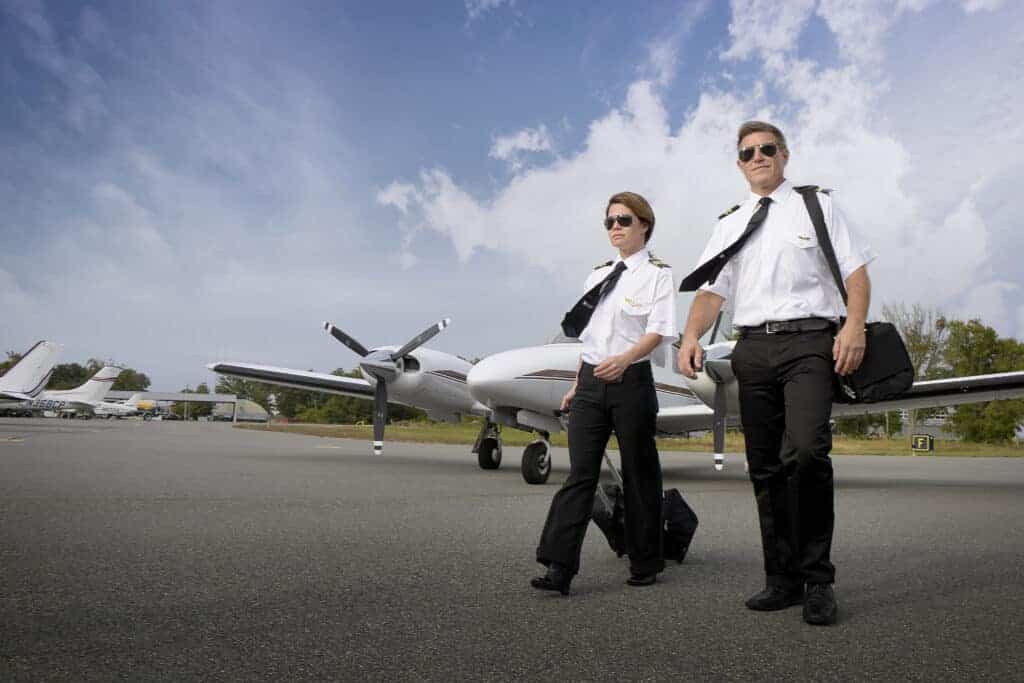
As a pilot looking to grow, you’ll soon realize that flying single-engine aircraft is just the beginning. To reach new heights, both literally and figuratively, additional training is required. This is where multi-engine flight training programs come in. Whether you’re a private pilot looking to broaden your qualifications or an aspiring commercial pilot working towards a career in the airline industry, mastering multi-engine aircraft is a critical step in advancing your aviation skills.
Multi-engine training not only enhances your technical abilities but also unlocks a variety of career opportunities, allowing you to operate larger, more powerful aircraft. The FAA (Federal Aviation Administration) governs the regulations and standards for multi-engine flight training programs in the United States. Ensuring compliance with these regulations is essential for obtaining the necessary certifications.
In this ultimate guide, we’ll take you through everything you need to know about multi-engine flight training programs—from the importance of this advanced training, the specifics of multi-engine aircraft, to how to choose the right flight school. By the end, you’ll have a comprehensive understanding of how this training can elevate your aviation career.
Why Pursue Multi-Engine Flight Training Programs?
Why should a pilot consider enrolling in a multi-engine flight training program? The answer lies in the expanded possibilities that multi-engine certification brings. Multi-engine aircraft are commonly used in commercial aviation, charter services, and corporate aviation. As you climb the ranks in your aviation career, you’ll likely find that most airlines and high-paying jobs require experience flying multi-engine aircraft.
Aside from career progression, multi-engine training enhances your skills as a pilot. Multi-engine aircraft are faster, more powerful, and require higher levels of coordination and precision. Learning how to handle engine-out scenarios, for example, is a critical part of training that sharpens a pilot’s problem-solving abilities under pressure.
Multi-Engine Flight Training Programs: Understanding Multi-Engine Aircraft
Before diving into the specifics of multi-engine flight training programs, it’s important to understand the aircraft you’ll be working with. Multi-engine aircraft are distinct from single-engine planes in several key areas.
First, they have two or more engines, which means increased power and performance. This allows for greater aircraft speed, altitude, and range. Multi-engine aircraft are often larger, which can make them more challenging to handle, especially during takeoffs, landings, and emergency situations.
However, one of the most critical aspects of flying a multi-engine aircraft is managing an engine failure. Unlike a single-engine aircraft, where engine failure results in a forced landing, a multi-engine aircraft can continue flying if one engine fails. This redundancy offers added safety, but also requires pilots to master asymmetric thrust, meaning the uneven power from one operating engine, which can make controlling the aircraft more difficult.
Choosing the Right Flight School for Multi-Engine Flight Training Programs
Selecting the right flight school is crucial when pursuing a multi-engine flight training program. Not all flight schools offer multi-engine training, so it’s important to choose one that provides comprehensive and FAA-approved programs. Here are a few factors to consider:
1. Accreditation: Ensure the flight school is accredited by the FAA. Accreditation guarantees that the program meets regulatory standards and provides the necessary training for certification.
2. Instructor Experience: The quality of instruction is critical in multi-engine training. Look for schools with experienced multi-engine flight instructors who have a proven track record in training students for both the technical and safety aspects of flying multi-engine aircraft.
3. Aircraft Availability: Not all flight schools have a large fleet of multi-engine aircraft. Make sure the school has modern, well-maintained aircraft available for training.
4. Cost and Financing: Multi-engine flight training can be expensive. Look into the school’s costs and financing options, which we’ll explore further in a later section.
The Structure of Multi-Engine Flight Training Programs
Multi-engine flight training programs typically consist of both ground school and flight training. Ground school focuses on the theoretical aspects of flying multi-engine aircraft, while flight training involves hands-on practice in the cockpit.
During ground school, you’ll study:
1. Aircraft systems specific to multi-engine planes, such as fuel systems, electrical systems, and landing gear operations.
2. Aerodynamics and the effect of having multiple engines on an aircraft’s performance.
3. Weight and balance considerations, which are more complex in multi-engine aircraft.
4. Emergency procedures, including engine-out operations, asymmetric thrust, and how to handle situations where only one engine is operational.
Flight training, on the other hand, involves practicing these concepts in real flight scenarios, under the guidance of an experienced instructor. You’ll complete a minimum number of hours as required by the FAA, and your training will culminate in a check ride, where an examiner assesses your skills and readiness for certification.
Key Topics Covered in Multi-Engine Flight Training Programs
When enrolled in a multi-engine flight training program, you’ll cover a range of critical topics designed to make you proficient in operating multi-engine aircraft. These include:
1. Engine-out Operations: How to handle the aircraft if one engine fails during various stages of flight.
2. Performance Calculations: Understanding how multi-engine aircraft perform in different conditions, including weight and weather factors.
3. Asymmetric Flight: Learning to manage uneven thrust when one engine is inoperative, which is a unique challenge in multi-engine flying.
4. Systems Management: Mastering complex systems like fuel management and electrical systems.
5. Cross-Country Flight Planning: Planning and executing long-distance flights in multi-engine aircraft, factoring in the greater speed and range.
These topics are essential for passing both the ground school exams and your flight check ride.
Practical Flight Training: What to Expect
The practical portion of your multi-engine flight training programs will involve actual flight time in a multi-engine aircraft. This hands-on training is where you’ll apply the knowledge you gained during ground school.
During flight training, expect to perform:
1. Takeoffs and Landings: These maneuvers become more complex with multi-engine aircraft, as the aircraft is often heavier and faster than single-engine planes.
2. Engine-out Simulations: Your instructor will simulate engine failures at various stages of flight, and you’ll need to demonstrate your ability to handle the situation.
3. Asymmetric Thrust Control: Learning to manage the aircraft when one engine is not operating is crucial. You’ll practice maintaining control and stability during such scenarios.
4. Crosswind Landings: Since multi-engine aircraft are larger and heavier, you’ll also practice landing in crosswind conditions, which require more precision.
Safety Considerations for Multi-Engine Pilots
Safety is paramount when flying multi-engine aircraft. While multi-engine planes offer more power and redundancy, they also come with additional risks, especially in the event of an engine failure. This is why FAA regulations for multi-engine training place heavy emphasis on safety protocols.
One of the biggest safety challenges in multi-engine aircraft is managing asymmetric thrust. If one engine fails, the remaining engine produces thrust on only one side of the aircraft, which can cause the plane to yaw and become unstable. Pilots must learn to counteract this by using rudder control and adjusting power settings to keep the aircraft on course.
Additionally, multi-engine aircraft require more sophisticated pre-flight checks. Since there are more systems to monitor (e.g., multiple fuel and electrical systems), a thorough pre-flight inspection is critical to ensure that everything is functioning properly.
Costs and Financing Options for Multi-Engine Flight Training Programs
Multi-engine flight training programs can be a significant investment. The cost of training varies depending on the flight school, the aircraft being used, and the number of flight hours required. On average, multi-engine flight training can range from $8,000 to $15,000.
While the price might seem steep, there are financing options available. Many flight schools offer payment plans or partner with financial institutions to provide student loans. Additionally, some airlines offer sponsorship programs that help pilots finance their training in exchange for a commitment to work for the airline after certification.
Certification and Licensing Process
Once you’ve completed your multi-engine flight training program, you’ll need to pass a check ride to obtain your multi-engine rating. This check ride is conducted by an FAA examiner and includes both an oral exam and a practical flight test. During the test, you’ll be required to demonstrate your ability to handle the aircraft in a variety of scenarios, including engine-out situations, takeoffs, and landings.
Upon successful completion of the check ride, you’ll receive a multi-engine rating, which is added to your pilot certificate. This rating allows you to operate multi-engine aircraft and is a key qualification for pilots seeking careers in commercial aviation.
Career Opportunities for Multi-Engine Pilots
Obtaining a multi-engine rating significantly broadens your career prospects in the aviation industry. This advanced certification is a prerequisite for many higher-level flying jobs, as most commercial and corporate aircraft are multi-engine planes. A multi-engine rating not only qualifies you to fly larger, more complex aircraft but also makes you a highly sought-after candidate in the competitive job market.
Here’s a breakdown of the career opportunities available to multi-engine pilots:
Commercial Airlines
A multi-engine rating is a mandatory requirement for pilots aspiring to fly for commercial airlines. Airlines typically operate large multi-engine aircraft, such as regional jets and long-haul airplanes, and they prioritize hiring pilots with multi-engine experience. In this sector, you could start your career as a first officer (co-pilot) on a multi-engine plane and work your way up to becoming a captain.
Commercial airline pilots also enjoy a range of benefits, including competitive salaries, job stability, and the opportunity to fly internationally. The demand for airline pilots continues to grow as air travel expands globally, making this one of the most lucrative career paths for multi-engine pilots.
Corporate Aviation
Corporate aviation involves flying private or business jets for corporations, high-net-worth individuals, or charter services. Many corporate jets are multi-engine aircraft, and pilots with a multi-engine rating are in high demand in this sector. In corporate aviation, pilots are responsible for transporting executives and VIPs to various destinations, often with a more flexible and personalized flight schedule than commercial airlines.
Corporate pilots typically enjoy luxurious working conditions, including flying state-of-the-art aircraft and staying in high-end accommodations during layovers. The flexibility and exclusivity of corporate aviation attract pilots who prefer a more private and dynamic working environment. Additionally, salaries in this sector can be highly competitive, depending on the company and level of responsibility.
Charter and Cargo Operations
Charter services and cargo operations offer another avenue for multi-engine pilots. Charter pilots fly private flights on demand, often for individuals or companies who require a tailored travel experience. Many charter companies operate multi-engine aircraft, particularly for longer flights or routes that require crossing over water or challenging terrain.
Cargo pilots, on the other hand, are responsible for transporting freight rather than passengers. Major logistics companies, like FedEx and UPS, operate large multi-engine cargo planes, and pilots with a multi-engine rating are essential for ensuring the safe and efficient delivery of goods. Cargo operations can be an attractive option for pilots who prefer a less structured schedule and are interested in flying to diverse locations.
Flight Instruction
With a multi-engine rating, you can also pursue a career as a flight instructor, specifically in teaching other pilots how to operate multi-engine aircraft. Becoming a Certified Flight Instructor – Multi-Engine (CFI-ME) allows you to work at a flight school, preparing the next generation of pilots for multi-engine operations.
Flight instruction is a rewarding career, offering pilots the chance to build their flight hours while mentoring students. Multi-engine instructors are in high demand because advanced flight training is required for many commercial pilot certifications. This role not only provides a steady income but also enhances your own proficiency as a pilot, as teaching often reinforces advanced skills.
Government and Military Operations
Multi-engine pilots are also in demand in government agencies and military branches. Agencies like the U.S. Forest Service and the National Oceanic and Atmospheric Administration (NOAA) use multi-engine aircraft for specialized missions, such as firefighting, wildlife monitoring, and research. Military branches also require multi-engine rated pilots for transport aircraft, surveillance missions, and more.
These roles often come with unique challenges and rewards, including the opportunity to fly highly specialized aircraft and contribute to national security or environmental conservation efforts. Government and military pilots typically receive competitive pay, benefits, and the chance to serve a larger purpose.
Air Ambulance and Emergency Services
Air ambulance and emergency services also offer career opportunities for multi-engine pilots. In this role, pilots operate medical evacuation aircraft, transporting patients to hospitals quickly and safely. These operations often use multi-engine planes for their speed and range, which are critical in emergency situations.
Air ambulance pilots must be highly skilled and able to perform under pressure, as they are responsible for life-saving missions. This career path is rewarding, providing a meaningful way to use your aviation skills to help others in critical moments.
Agricultural and Survey Flying
Agricultural flying, sometimes called “crop dusting,” and aerial survey operations also utilize multi-engine aircraft. In agricultural aviation, pilots use specialized multi-engine planes to spray crops or spread seeds over large areas. Aerial survey pilots, on the other hand, fly multi-engine planes equipped with cameras and sensors to collect data for environmental studies, construction projects, or mapping initiatives.
Multi-Engine Flight Training Programs: Continuing Education and Advanced Training
Even after obtaining your multi-engine rating, continuing education is important to keep your skills sharp. Advanced training programs are available for pilots who want to specialize in certain types of multi-engine aircraft or pursue additional certifications, such as an airline transport pilot (ATP) license.
Advanced training may also involve learning to fly jets, which are typically multi-engine aircraft. This opens even more career doors, especially in commercial and corporate aviation.
Conclusion: Is Multi-Engine Flight Training Programs Right for You?
If you’re serious about advancing your aviation career and want to fly more powerful, sophisticated aircraft, then enrolling in a multi-engine flight training program is the logical next step. Not only will it expand your skills as a pilot, but it will also make you more marketable in the aviation industry, opening up a wider range of career opportunities.
Ready to take the next step in your aviation career? At Florida Flyers Flight Academy, we offer top-tier multi-engine flight training programs that are FAA-approved and designed to help you achieve your goals.
Contact the Florida Flyers Flight Academy Team today at (904) 209-3510 to learn more about how to pay for flight school.