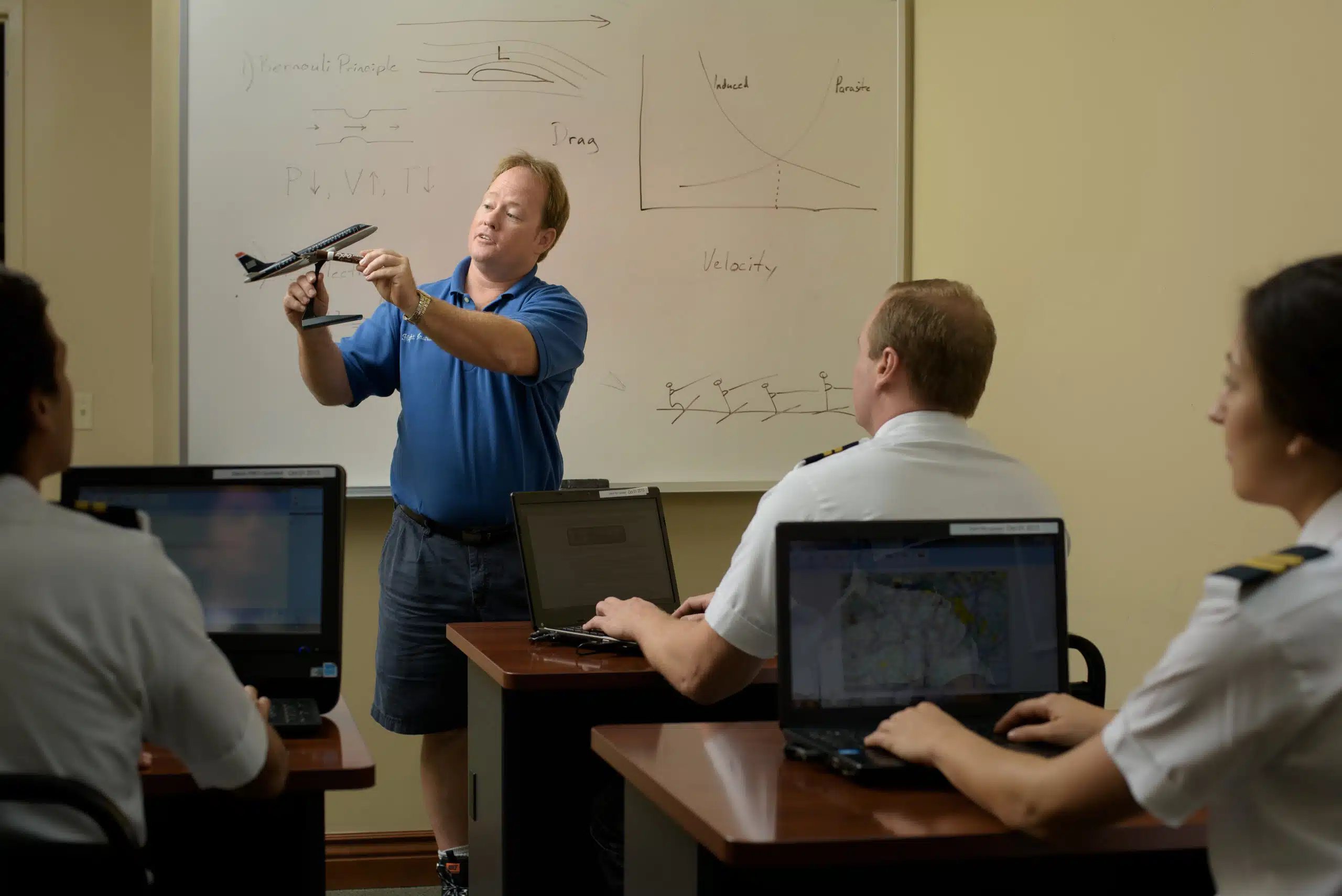
Learn the specific requirements for earning your private pilot certificate under FAA Part 141 regulations. This guide covers eligibility criteria, flight hour minimums, ground school requirements, knowledge tests, and checkride preparation. Discover how Part 141’s structured training approach can streamline your path to certification.
Becoming a private pilot opens the door to endless opportunities in the world of aviation. Whether you aim to fly for pleasure or as a stepping stone toward a professional career, it all starts with meeting the specific requirements of the Federal Aviation Administration (FAA). For those looking for a structured, fast-paced, and approved program, pursuing training under Part 141 regulations is an ideal path. This article will walk you through every detail of the Private Pilot Part 141 requirements, ensuring you are well-prepared and informed before embarking on your journey toward earning your wings.
Unlike other methods, Part 141 training follows a more rigorous curriculum approved directly by the FAA, making it suitable for those who thrive in a highly structured environment. This type of training is especially beneficial for students who want a more formal approach and want to complete their training within a set schedule. In this guide, we will break down each key aspect of the Private Pilot Part 141 requirements and provide insights into the flight training process.
Before diving into the specifics of the Private Pilot Part 141 requirements, it’s essential to understand the role the FAA plays in pilot training and certification. The FAA (Federal Aviation Administration) is the governing body that regulates all civil aviation activities in the United States. The FAA sets standards for safety, aircraft certification, pilot training, and operational practices. Without FAA regulations and oversight, the aviation industry would not maintain the same levels of safety and efficiency.
The FAA establishes two main types of pilot training regulations: Part 61 and Part 141. Both regulations serve the same end goal—preparing students to earn their private pilot license (PPL), but differ significantly in structure, training hours, and methodology. The Part 141 regulations, in particular, offer a tightly monitored curriculum, one that meets strict standards set by the FAA.
One of the key distinctions when exploring Private Pilot Part 141 requirements is understanding how this program differs from Part 61 training. Both routes can lead to the same pilot certification, but there are notable differences in the training paths.
Curriculum: Part 141 training is structured and approved directly by the FAA. Flight schools must adhere to a strict curriculum, offering lessons in a specific sequence. This is not always the case with Part 61 training, which provides greater flexibility in lesson planning and schedules.
Training Hours: The minimum flight hours required to earn a private pilot license under Part 141 are lower (35 hours) compared to Part 61 (40 hours). However, most students exceed these minimum hours before they are proficient enough to pass the required exams.
Oversight: Part 141 schools are subject to more frequent FAA oversight, with inspectors regularly reviewing training materials, instructor performance, and student progress.
Flexibility: Part 61 training is more flexible and tailored to individual student needs, while Part 141 is structured and meant to be completed in a shorter time frame. The stricter guidelines under Part 141 make it more suited for students who want a faster and highly organized learning experience.
To enroll in Part 141 training, aspiring pilots must meet several Private Pilot Part 141 requirements. These eligibility criteria are established to ensure that all students are prepared for the rigors of flight training and have the foundational skills needed to succeed.
Age Requirement: You must be at least 17 years old to obtain a private pilot license. However, you can start flight training earlier, with students often beginning as young as 16.
Medical Certificate: Obtaining a third-class medical certificate from an FAA-authorized aviation medical examiner is a critical requirement. This medical exam ensures that you are physically fit to operate an aircraft and do not have any medical conditions that would impair your ability to fly.
English Language Proficiency: Since communication with air traffic control and reading flight materials are conducted in English, students must demonstrate proficiency in the language.
Student Pilot Certificate: You will need a student pilot certificate, which you can apply for through the FAA. This certificate allows you to begin solo flight training as you progress through the program.
Educational Background: There is no formal education requirement, but a basic understanding of math and physics is highly beneficial for comprehending aerodynamics, navigation, and weather.
Selecting the right flight school is a crucial step in meeting the Private Pilot Part 141 requirements. Not all flight schools are authorized to offer Part 141 training, so you must choose one that has FAA approval. Here are key factors to consider when picking a Part 141 flight school:
The curriculum for Part 141 flight training is designed to follow a precise and structured progression. Under the Private Pilot Part 141 requirements, students are expected to complete a set sequence of ground lessons and flight training maneuvers. The FAA-approved curriculum ensures that students are well-rounded and meet the national standards for private pilots.
In a typical Part 141 program, students undergo three main phases of training:
An essential part of the Private Pilot Part 141 requirements is meeting the minimum flight hour threshold. According to FAA regulations, students must log a minimum of 35 hours of flight time under Part 141. This is shorter than the 40-hour requirement under Part 61, but many students exceed this minimum.
Flight time is broken into different categories, including:
Ground school is an essential element of Private Pilot Part 141 requirements. While many aspiring pilots look forward to their time in the cockpit, a significant portion of your education will take place on the ground. In a Part 141 program, ground school covers theoretical knowledge needed for safe flight operations. This includes lessons on:
Completing ground school is mandatory before you can take the FAA written exam.
Passing the FAA written exam is a crucial step in meeting Private Pilot Part 141 requirements. This exam tests your knowledge on a range of aviation topics, including navigation, weather, regulations, and flight principles. The exam consists of 60 multiple-choice questions, and you must achieve a score of at least 70% to pass.
Students who complete Part 141 ground school are often well-prepared for the written exam, as the structured curriculum covers all topics thoroughly. Many schools offer additional prep courses or practice tests to help students feel confident and ready for the exam.
The final step in meeting the Private Pilot Part 141 requirements is passing the FAA checkride. The checkride is a comprehensive test that evaluates both your flying skills and your knowledge of aviation principles. During the checkride, an FAA examiner will assess your ability to operate an aircraft safely, handle emergency situations, and navigate under various conditions.
The checkride consists of two parts:
Successfully completing the checkride will earn you your private pilot license.
To ensure you meet all the Private Pilot Part 141 requirements and successfully obtain your private pilot license, it’s essential to approach the process with a few key strategies in mind. Here are several tips to help you excel in your training:
Stay Consistent with Your Training: One of the advantages of Part 141 training is its structured schedule. To maximize your progress, stick to the timetable and avoid prolonged breaks between lessons. Consistency is key when it comes to retaining what you’ve learned.
Prioritize Ground School: Don’t underestimate the importance of ground school. The information you’ll learn on the ground is just as crucial as your flight time. Understanding weather patterns, navigation, and regulations will make you a safer and more prepared pilot.
Seek Extra Instruction When Needed: If there are areas where you’re struggling—whether it’s a maneuver or a theoretical concept—don’t hesitate to ask for extra help from your instructor. Mastering every aspect of your training is essential for passing both the written exam and checkride.
Prepare for the Checkride Early: The checkride can be daunting, but preparing for it throughout your training will help ease nerves. Regularly review checkride scenarios, and practice them during your solo flights. Your instructor will also help you fine-tune your skills in preparation for this final step.
Maintain a Positive Attitude: Training to become a private pilot can be challenging, but keeping a positive attitude and staying motivated will make the process more enjoyable. Every step of the way brings you closer to your goal of becoming a certified private pilot.
Flight training can be expensive, and meeting the Private Pilot Part 141 requirements comes with a significant financial commitment. However, there are several ways to manage the costs and make your dream of becoming a private pilot more affordable.
Scholarships and Grants: Numerous organizations offer scholarships to aspiring pilots. These can help offset the cost of training. Some scholarships are specific to Part 141 programs, while others are open to all types of flight training.
Flight School Financing: Many flight schools offer financing options that allow you to pay for your training in installments. Be sure to inquire about any payment plans or student loans available through the school.
Military or Airline Sponsorships: Some airlines and military programs provide financial assistance or sponsorships to help cover flight training costs. If you’re pursuing a career in aviation, researching these opportunities can be valuable.
Savings Plans: If you plan your flight training well in advance, setting up a dedicated savings plan can help you accumulate the necessary funds. This way, you can avoid relying heavily on loans or financing and reduce long-term costs.
Part-Time Employment: Many students work part-time jobs while completing their flight training. While this may extend the length of your training, it can also help manage expenses without taking on too much debt.
Completing the Private Pilot Part 141 requirements is a significant milestone for any aspiring aviator. Part 141 training provides the structured, comprehensive, and FAA-approved education needed to become a skilled and confident private pilot. With its rigorous curriculum and emphasis on consistency, this training path is ideal for students who are committed to their aviation goals and want to complete their training efficiently.
By understanding the FAA’s role, the differences between Part 141 and Part 61, and the various stages of flight training, you’ll be better equipped to navigate your journey. Choosing the right flight school, staying disciplined in your training, and preparing for both the written exam and checkride will ensure that you’re ready to soar through the skies as a licensed private pilot.
If you’re ready to take the next step in your aviation career, consider beginning your training with a reputable and FAA-approved Part 141 flight school like Florida Flyers Flight Academy. With experienced instructors, a proven curriculum, and a commitment to helping students succeed, Florida Flyers Flight Academy offers the perfect environment for you to meet the Private Pilot Part 141 requirements and achieve your goal of becoming a private pilot.
Ready to Start Your Journey? At Florida Flyers Flight Academy, we specialize in preparing students for success in the aviation industry. Whether you’re just starting your journey or ready to pursue advanced certifications, our Part 141 training programs provide a structured and efficient path to your private pilot license.
You must be at least 17 years old, read/write English proficiently, and hold a valid third-class medical certificate. Part 141 programs require a minimum of 35 flight hours including 20 hours dual instruction and 5 hours solo flight.
Part 141 requires only 35 total flight hours versus Part 61’s 40-hour minimum due to structured curriculum approval. Part 141 schools follow FAA-approved syllabi with specific lesson plans, offering potentially faster and more cost-effective training completion.
Most students complete Part 141 private pilot training in 3-6 months with consistent scheduling and dedicated study. Accelerated programs can finish in 6-8 weeks, while part-time students may require 6-12 months depending on availability and weather.
Part 141 programs require structured ground school covering aerodynamics, weather, navigation, regulations, and aircraft systems per FAA-approved curriculum. Students must pass a comprehensive knowledge test with 70% or higher before progressing to the practical checkride.
Yes, flight hours logged under Part 141 count toward Part 61 requirements, allowing flexible program transitions without losing progress. However, switching may extend training time and costs since Part 61 requires 40 total hours versus Part 141’s 35.
Contact the Florida Flyers Flight Academy Team today at (904) 209-3510 to learn more about how to pay for flight school.