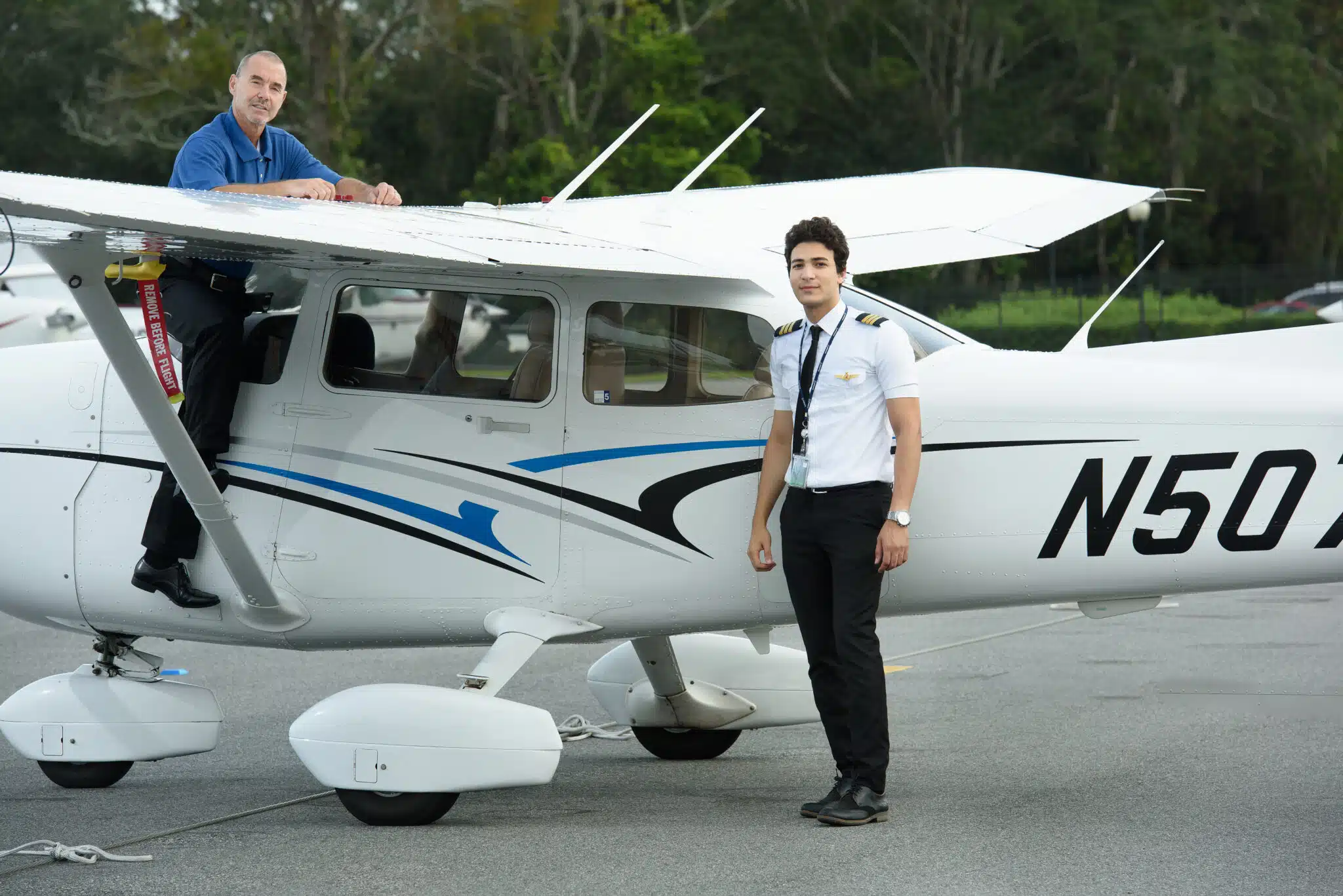
Becoming a pilot is one of the most exciting and rewarding career choices, offering a unique blend of adventure, prestige, and professional growth. Whether flying for personal enjoyment or pursuing a commercial aviation career, pilots experience unparalleled opportunities—from traveling the world to earning high salaries in a respected profession.
Aviation attracts individuals who are passionate about technology, exploration, and mastering complex skills. With increasing global demand for pilots, the career path offers job security, career progression, and access to travel perks that few other professions can match.
This guide explores the top benefits of becoming a pilot, covering career opportunities, lifestyle advantages, and personal fulfillment. Whether you’re considering flight training or simply curious about aviation, this ultimate guide will help you understand why becoming a pilot is a life-changing decision.
Career Benefits of Becoming a Pilot
Aviation offers rewarding and lucrative career opportunities, making becoming a pilot an attractive choice for individuals seeking financial stability, career growth, and job security. With airlines worldwide expanding their fleets and air travel demand increasing, pilots enjoy high salaries, diverse career options, and long-term job stability.
High Salary and Job Stability
One of the biggest advantages of becoming a pilot is the competitive salary. Airline pilots, especially those flying for major international carriers, earn six-figure incomes, with salaries increasing as they gain experience and seniority.
Salary Expectations Based on Experience
- Entry-level pilots (regional airlines, first officers): $40,000 – $80,000 annually.
- Mid-career pilots (first officers for major airlines, cargo pilots): $80,000 – $150,000 annually.
- Senior airline captains (international airlines, major carriers): $200,000+ annually.
Pilots also have opportunities to supplement their income through side aviation jobs, such as:
- Charter and corporate aviation (flying private jets).
- Cargo and freight operations (higher pay due to night flying).
- Flight instruction (training new pilots while building flight hours).
The structured seniority system in airlines ensures progressive salary increases and job security, making becoming a pilot a stable long-term career.
Growing Demand for Pilots
The aviation industry is facing a global pilot shortage, creating strong job prospects for those entering the field. Airlines worldwide are actively hiring to meet increasing travel demands, especially in regions with booming aviation markets.
Key Factors Driving Pilot Demand
- Expanding air travel in North America, Europe, the Middle East, and Asia.
- Increasing retirement rates among senior airline captains.
- Rise of low-cost carriers (LCCs) requiring more pilots for fleet expansion.
According to Boeing’s Pilot Outlook Report, the world will need over 600,000 new pilots in the next two decades, making becoming a pilot a secure and in-demand career choice.
Diverse Career Opportunities
Pilots have flexible career paths beyond just airline jobs. The skills acquired during flight training allow pilots to explore multiple aviation sectors, each offering unique experiences and benefits.
Career Paths for Pilots
- Airline Pilot – Fly for domestic or international commercial airlines.
- Cargo Pilot – Transport goods for logistics companies like FedEx, UPS, or DHL.
- Corporate and Private Jet Pilot – Fly private clients, celebrities, and executives.
- Flight Instructor – Train and mentor new pilots while building flight experience.
- Military Pilot – Serve in air forces, flying fighter jets, transport planes, or helicopters.
- Emergency Medical Services (EMS) Pilot – Fly air ambulances, rescue helicopters, and firefighting aircraft.
With such a wide range of career options, becoming a pilot is not just about flying commercial airliners—it opens doors to exciting and specialized roles in aviation.
Lifestyle Benefits of Becoming a Pilot
Beyond career advantages, becoming a pilot offers an exciting and fulfilling lifestyle that few other professions can match. Pilots travel to new destinations, enjoy flexible work schedules, and hold a prestigious position in society. The unique nature of the job ensures that every day brings new challenges and experiences, making aviation an adventurous and dynamic career.
Travel the World for Free
One of the biggest lifestyle perks of becoming a pilot is the opportunity to travel the world. Unlike traditional jobs, pilots visit multiple cities and countries as part of their work routine.
- International airline pilots often have layovers in top global destinations, giving them time to explore new places.
- Many airlines offer free or heavily discounted flight tickets for pilots and their families, allowing them to travel affordably.
- Pilots experience different cultures, cuisines, and landscapes, making aviation one of the best careers for travel enthusiasts.
For those who love to explore the world, becoming a pilot is the ultimate way to turn travel into a career.
Flexible Work Schedule
Unlike traditional office jobs, pilots don’t have a 9-to-5 routine. Instead, they follow a dynamic work schedule that allows for extended breaks between flights.
Airline pilots work in shifts, meaning they may have multiple consecutive days off, allowing for better work-life balance, the Senior pilots with more experience and seniority can choose their preferred routes and schedules. Some pilots opt for contract or freelance flying jobs, giving them control over when and where they fly.
While aviation demands commitment and responsibility, the built-in time off between flights makes becoming a pilot a flexible and rewarding profession.
Prestige and Professional Respect
Pilots hold one of the most respected and admired professions in the world. The title of Captain carries a level of authority, responsibility, and social status that few other careers provide.
- Pilots undergo rigorous training and assessments, making them highly skilled professionals.
- The public perceives pilots as leaders and experts in aviation, earning them respect in both professional and social settings.
- Airlines entrust pilots with the safety of hundreds of passengers, reinforcing their role as responsible and trustworthy professionals.
With a combination of technical expertise, leadership, and high-stakes decision-making, becoming a pilot is synonymous with prestige and honor.
Exciting and Dynamic Work Environment
For those who dislike routine, becoming a pilot offers a constantly changing work environment. Every flight presents new challenges, different routes, and unexpected experiences, keeping the job exciting.
- Pilots operate high-tech aircraft equipped with advanced navigation and automation systems.
- No two flights are the same—weather conditions, flight plans, and operational scenarios vary daily.
- The thrill of takeoff, navigating through the skies, and landing in a new location makes every flight an adventure.
Flying at 35,000 feet above the clouds, seeing breathtaking sunrises and city skylines from the cockpit, and experiencing the power of aviation technology all contribute to making becoming a pilot an extraordinary career.
Personal Growth and Skill Development
Becoming a pilot is not just about flying—it’s about developing critical skills that enhance both professional and personal success. Pilots undergo rigorous training, handle high-pressure situations, and continually learn and adapt to new challenges.
These experiences build technical expertise, leadership qualities, and confidence, making aviation a career that fosters lifelong personal growth.
Mastery of Technical and Leadership Skills
Pilots are responsible for operating complex aircraft and ensuring the safety of passengers, crew, and cargo. This requires a high level of technical knowledge, precision, and leadership skills.
- Pilots develop quick decision-making abilities by handling unexpected weather conditions, in-flight technical issues, and air traffic adjustments.
- Situational awareness is crucial—pilots must constantly monitor flight instruments, navigation data, and communication channels.
- Leadership plays a key role, especially for airline captains, who must manage flight crews, coordinate with air traffic controllers, and ensure smooth operations in multi-crew environments.
- Teamwork is essential, as pilots work closely with co-pilots, flight attendants, and ground staff to maintain efficient and safe flight operations.
Mastering these skills not only enhances a pilot’s career progression but also builds resilience and leadership qualities applicable to any field.
Confidence and Independence
Handling high-pressure situations is part of a pilot’s daily routine, leading to the development of unshakable confidence and independence.
- Pilots must make critical decisions quickly, such as responding to emergencies, adjusting flight plans, or handling unexpected system failures.
- The ability to stay calm under pressure is essential, as pilots are responsible for the safety of their aircraft and passengers.
- Operating a multimillion-dollar aircraft requires a strong sense of responsibility, discipline, and professionalism.
Through years of experience and training, pilots gain self-reliance, problem-solving skills, and the ability to navigate challenges with confidence—skills that benefit them both in aviation and in everyday life.
Career Progression and Continuous Learning
Aviation is an industry that demands continuous learning and skill advancement. Becoming a pilot means staying updated on the latest technologies, regulations, and safety protocols.
- Pilots have opportunities to upgrade their licenses (e.g., moving from a Commercial Pilot License (CPL) to an Airline Transport Pilot License (ATPL)).
- Advanced training programs allow pilots to specialize in multi-engine operations, instrument flying, and type ratings for larger aircraft.
- Aviation regulations and aircraft technology are constantly evolving, requiring pilots to complete recurrent training and simulator checks.
- Senior pilots can transition into management roles, flight training positions, or airline safety departments.
With a structured career path and continuous opportunities for growth, becoming a pilot ensures that professionals never stop learning and advancing in their careers.
Financial and Job Perks of Becoming a Pilot
Beyond earning a high salary, becoming a pilot comes with exceptional financial and job benefits that make it a highly rewarding career. Pilots enjoy free travel, long-term job stability, and comprehensive retirement benefits, making aviation a financially secure and fulfilling profession.
Travel and Hotel Benefits
One of the most exciting perks of becoming a pilot is the ability to travel the world without paying for flights. Many airlines provide free or discounted airline tickets for pilots and their families, allowing them to explore new destinations affordably.
Additionally, pilots on international layovers enjoy airline-covered hotel stays, meals, and transportation, turning work trips into mini-vacations. The opportunity to visit global cities, experience new cultures, and enjoy scenic views from the cockpit makes aviation an unmatched career for those who love to travel.
Retirement and Health Benefits
Aviation careers offer long-term financial security through structured retirement and healthcare benefits. Most airlines provide pension plans, 401(k) savings programs, and employer-matching contributions, ensuring that pilots build strong financial stability for the future.
Healthcare is also a major perk, as pilots receive comprehensive medical insurance, including dental, vision, and disability coverage. Unlike many professions where employees must arrange their own benefits, becoming a pilot ensures structured financial protection and health security throughout their career and retirement.
Career Longevity and Job Growth
Aviation is one of the few careers where professionals can continue working well into their 60s, depending on aviation regulations. Pilots benefit from a structured seniority system, meaning the longer they stay with an airline, the more privileges they gain—including higher salaries, better schedules, and preferred flight routes.
Even after retiring from active flying, experienced pilots have various career transition opportunities, such as becoming flight instructors, airline managers, or aviation safety consultants. The stability and career growth options make becoming a pilot a long-term, financially secure profession.
Challenges of Becoming a Pilot (And How to Overcome Them)
While becoming a pilot offers many advantages, it also comes with unique challenges that aspiring aviators must be prepared to navigate. From high training costs to the demanding nature of the job, pilots face obstacles that require commitment, adaptability, and perseverance. However, with the right approach, these challenges can be managed effectively.
The Cost of Pilot Training
One of the biggest barriers to becoming a pilot is the financial investment required for flight training. The cost of obtaining a Commercial Pilot License (CPL) and Airline Transport Pilot License (ATPL) can range from $50,000 to over $150,000, depending on the country and training program.
How to Overcome This Challenge:
Despite the high costs, several financial assistance options can help reduce the burden:
Scholarships and Grants – Many aviation organizations and airlines offer pilot training scholarships to help aspiring pilots finance their education.
Airline Cadet Programs – Some airlines sponsor flight training in exchange for a commitment to work for them after licensing.
Student Loans & Payment Plans – Many flight schools like the Florida Flyers Flight Academy provide installment payment options or partner with banks to offer aviation student loans.
Flight Instructor Jobs – Some pilots work as Certified Flight Instructors (CFI) to earn money while building flight hours.
By researching affordable training options and financial aid opportunities, aspiring pilots can make becoming a pilot more accessible.
Time Away from Home
Pilots—especially those flying long-haul international routes—spend extended periods away from home and family. Unlike traditional jobs, aviation careers often involve overnight layovers, irregular schedules, and holiday flights, making it challenging to maintain a typical work-life balance.
How to Overcome This Challenge:
- Choosing the Right Airline or Flying Job – Some pilots prefer regional or corporate aviation roles that allow them to return home daily.
- Seniority-Based Scheduling – More experienced pilots can choose short-haul flights or adjust schedules to have more home time.
- Quality Over Quantity in Family Time – While pilots may spend fewer days at home, extended off-duty periods allow for uninterrupted time with loved ones.
Balancing personal and professional life is crucial, and many pilots find ways to adjust their careers to better suit their family and lifestyle preferences.
Rigorous Training and Exams
Pilots must undergo intense training, physical fitness assessments, and continuous examinations throughout their careers. Aviation demands high levels of discipline, knowledge, and adaptability, with pilots needing to stay updated on new regulations, aircraft technologies, and emergency procedures.
How to Overcome This Challenge:
- Strong Study Habits – Pilots must develop structured study routines to prepare for theoretical exams, simulator tests, and recurrent training.
- Physical and Mental Fitness – Regular exercise, proper nutrition, and stress management techniques help pilots maintain peak performance.
- Mentorship and Support Networks – Connecting with experienced pilots and flight instructors can provide guidance and motivation during challenging training periods.
The key to succeeding in aviation is continuous learning and adaptation. By staying focused and disciplined, pilots can navigate training challenges and excel in their careers.
Who Should Consider Becoming a Pilot?
Becoming a pilot is more than just a career—it’s a lifestyle that requires passion, discipline, and adaptability. While aviation offers exciting opportunities and financial rewards, it also demands a unique set of skills and personal traits. Individuals who thrive in dynamic environments, enjoy challenges, and have a strong sense of responsibility are well-suited for a career in aviation.
Key Traits of a Successful Pilot
Not everyone is cut out for the demanding nature of aviation. The best pilots share certain characteristics that help them succeed in this high-stakes profession.
Strong Decision-Making & Problem-Solving Skills – Pilots must analyze situations quickly and make critical decisions, especially during unexpected in-flight scenarios.
Passion for Flying & Technology – Understanding aircraft systems, navigation, and aerodynamics requires a genuine interest in aviation and continuous learning.
Ability to Stay Calm Under Pressure – Handling turbulence, technical failures, and emergency landings requires composure, confidence, and resilience.
Excellent Communication & Leadership Abilities – Pilots must effectively communicate with co-pilots, air traffic controllers, and cabin crew, ensuring smooth flight operations.
Attention to Detail – Aviation involves precise calculations, checklists, and procedures, making accuracy and focus essential traits for pilots.
Those who possess these skills naturally or are willing to develop them through training and experience will excel in a career as a pilot.
Is Becoming a Pilot the Right Career Choice for You?
Aviation is a highly rewarding yet demanding profession, and before committing to becoming a pilot, aspiring aviators should evaluate personal, financial, and career factors.
Questions to Ask Yourself Before Pursuing a Pilot Career:
- Am I passionate about flying, traveling, and aviation technology?
- Am I comfortable with irregular schedules, long hours, and time away from home?
- Am I willing to invest in rigorous training, exams, and continuous learning?
- Do I have the financial resources or funding options to cover training costs?
- Do I thrive in high-pressure environments that require quick decision-making?
If the answer to most of these questions is yes, then aviation could be the perfect career path for you. The next step is to research accredited flight schools, explore different pilot training programs, and take an introductory discovery flight to experience the thrill of flying firsthand.
Conclusion
Becoming a pilot is more than just a job—it’s a career that offers adventure, prestige, and financial stability. Whether you aspire to travel the world, earn a competitive salary, or experience the thrill of flying, aviation provides unparalleled opportunities for those willing to commit to the journey.
While the path to becoming a pilot requires dedication, training, and financial investment, the rewards are immense—a fulfilling career, a dynamic lifestyle, and the privilege of commanding an aircraft.
If you’re ready to turn your dream into reality, now is the time to take action. Research flight schools, book an introductory flight lesson, and start your journey toward the skies.
Contact the Florida Flyers Flight Academy Team today at (904) 209-3510 to learn more about how to do the foreign pilot license conversion in 4 steps.