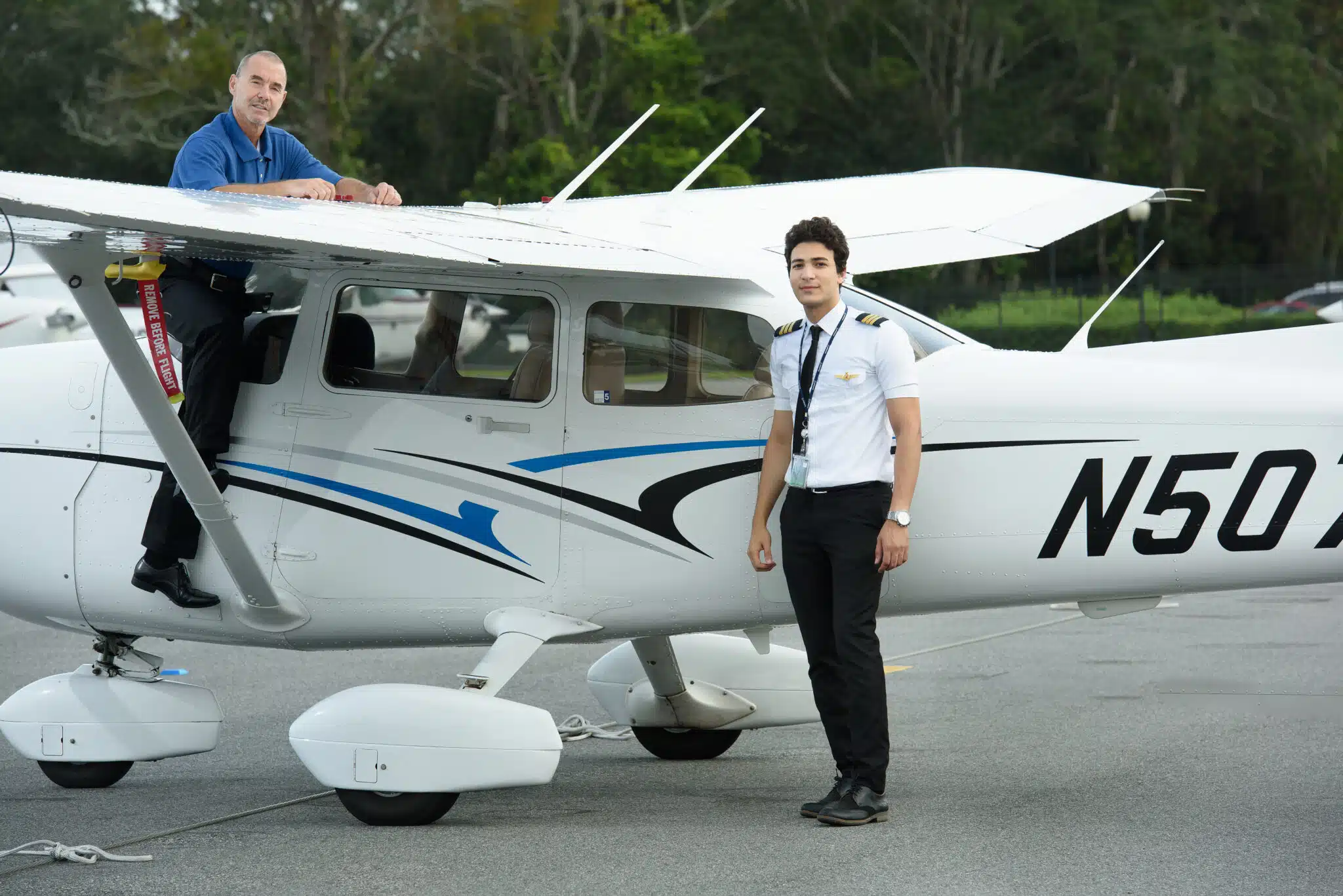
The ultimate guide for airline career pilot programs in the United States. The allure of soaring through the skies has captivated countless individuals, inspiring dreams of piloting commercial aircraft and embarking on a thrilling aviation career. For those who aspire to command the controls of passenger jets, airline career pilot programs offer a structured and efficient pathway to turn these aspirations into reality. These comprehensive training initiatives are designed to equip aspiring aviators with the skills, knowledge, and certifications necessary to launch successful careers in the dynamic world of commercial aviation.
As the demand for air travel continues to grow globally, airlines are facing an increasing need for qualified pilots to operate their expanding fleets. This surge in demand has led to the development of specialized programs aimed at fast-tracking individuals from novice flyers to professional airline pilots. These career-focused training regimens combine rigorous flight instruction, advanced simulator sessions, and in-depth theoretical education to prepare candidates for the challenges and responsibilities of piloting commercial aircraft.
In this extensive guide, we’ll explore the intricacies of airline career pilot programs, delving into their structure, benefits, and the journey they offer to those seeking to carve out a niche in the aviation industry. From understanding the prerequisites and financial considerations to examining the career prospects and lifestyle of airline pilots, this article aims to provide a comprehensive overview for anyone considering taking to the skies as their profession.
Whether you’re a recent high school graduate exploring career options, a college student contemplating a change in direction, or a professional seeking an exciting career transition, this guide will serve as your compass in navigating the path to becoming an airline pilot. So, fasten your seatbelts and prepare for takeoff as we embark on an informative journey through the world of airline career pilot programs.
Which are the best Airline Career Pilot Programs in the United States?
Hands down Florida Flyers Flight Academy in Saint Augustine has the best comprehensive and most competetivly priced airline pilot career program in the United States. Florida Flyers Flight Academy will launch a new fixed-price Airline Career Pilot Program in January of 2025.
Understanding Airline Pilot Career Programs
Airline pilot caree programs are meticulously designed training initiatives that offer a direct route to becoming a commercial airline pilot. These programs are typically structured to take individuals with little to no flying experience and transform them into fully qualified pilots ready to step into the cockpit of commercial aircraft.
Comprehensive Training Structure
The cornerstone of these programs is their all-encompassing approach to pilot education. They combine ground school instruction, flight training, and simulator sessions to provide a well-rounded learning experience. Ground school covers essential theoretical knowledge, including aerodynamics, meteorology, navigation, and aviation regulations. Flight training involves hands-on experience in aircraft, progressing from basic maneuvers to advanced flight techniques. Simulator sessions allow students to practice emergency procedures and complex scenarios in a safe, controlled environment.
Accelerated Learning Path
One of the key advantages of airline career pilot programs is their accelerated nature. Unlike traditional paths that may take several years, these programs are designed to fast-track students through the various pilot certifications and ratings. This efficiency is achieved through intensive, full-time training schedules that can see students progress from zero experience to commercial pilot status in as little as 12 to 18 months.
Industry Partnerships
Many airline career pilot programs boast strong relationships with commercial airlines. These partnerships often translate into preferential hiring agreements, giving program graduates a significant advantage in securing their first airline job. Some programs even offer conditional job offers upon successful completion of training, providing students with a clear career trajectory from the outset.
Focus on Airline Procedures
A distinguishing feature of these programs is their emphasis on airline-specific procedures and protocols. Students are trained not just to fly aircraft, but to operate within the complex systems and standardized procedures of commercial airlines. This focus helps graduates transition more smoothly into airline operations upon completion of their training.
Continuous Progression
Airline career pilot programs are structured to allow for continuous progression through various pilot certifications and ratings. Students typically start with a private pilot license, move on to instrument and commercial ratings, and often conclude with a certified flight instructor (CFI) certification. This progression ensures that graduates are well-equipped with a diverse skill set applicable to various aviation roles.
State-of-the-Art Equipment
To prepare students for the modern airline environment, these programs often utilize state-of-the-art training aircraft and advanced flight simulators. This exposure to cutting-edge technology ensures that graduates are familiar with the types of systems and equipment they’ll encounter in their professional careers.
Holistic Career Preparation
Beyond flight skills, many programs incorporate elements of career preparation. This can include interview coaching, resume building, and guidance on navigating the airline hiring process. Some programs also offer courses on crew resource management and other soft skills crucial for success in the airline industry.
Understanding the comprehensive nature of airline career pilot programs is crucial for aspiring pilots. These initiatives offer more than just flight training; they provide a holistic pathway to a rewarding career in aviation, combining technical skills, industry knowledge, and career support to launch successful pilot careers.
Prerequisites and Eligibility Criteria
Embarking on an airline career pilot program requires meeting specific prerequisites and eligibility criteria. These requirements ensure that candidates are well-prepared for the rigorous training ahead and have the potential to succeed in the aviation industry.
Age Requirements
The minimum age to begin flight training varies depending on the program and location. Generally, students can start their private pilot training at 16 or 17 years old. However, to obtain a commercial pilot license, which is a crucial step in becoming an airline pilot, candidates must be at least 18 years old. Some programs may have upper age limits or prefer younger applicants due to the long-term career potential.
Educational Background
While a college degree is not always mandatory for entering an airline career pilot program, many airlines prefer pilots with a bachelor’s degree. Some programs may require a high school diploma or equivalent as a minimum educational qualification. Strong skills in mathematics, physics, and English are typically beneficial for aspiring pilots.
Medical Certification
Aspiring pilots must obtain and maintain a medical certificate issued by an aviation medical examiner. For commercial pilots, this is typically a first-class medical certificate. This certification ensures that pilots meet the physical and mental health standards required for safe flight operations. Regular medical examinations are necessary to maintain this certification throughout a pilot’s career.
Background Check and Security Clearance
Given the responsibility and security concerns associated with commercial aviation, candidates must pass comprehensive background checks. This may include criminal record checks, verification of citizenship or right to work, and security clearance processes.
English Language Proficiency
As English is the international language of aviation, proficiency in English is crucial. Many programs require candidates to demonstrate a certain level of English language skills, often through standardized tests or assessments.
Physical Fitness
While there’s no specific physical fitness test, pilots need to be in good overall health. Good eyesight (correctable to 20/20 vision), normal color vision, and good hearing are essential. Some programs may have height and weight requirements due to cockpit ergonomics.
Basic Skills Assessment
Some programs conduct basic skills assessments to evaluate a candidate’s aptitude for pilot training. These may include tests of spatial awareness, hand-eye coordination, multi-tasking abilities, and decision-making skills.
Financial Considerations
Given the significant cost of pilot training, many programs require proof of financial capability or eligibility for student loans. Some may offer financing options or scholarships to qualified candidates.
Time Commitment
Airline career pilot programs are typically full-time commitments. Candidates should be prepared to dedicate significant time and effort to their training, often with limited breaks or holidays.
Passion and Dedication
While not a formal requirement, a genuine passion for aviation and a strong commitment to the profession are crucial for success. The training is demanding, and a career as an airline pilot requires ongoing learning and adaptation.
Previous Flying Experience
While many programs cater to individuals with no prior flying experience, some may give preference to candidates with some flight hours or previous aviation exposure. However, this is often not a strict requirement.
Meeting these prerequisites and eligibility criteria is the first step towards a career as an airline pilot. Prospective students should carefully review the specific requirements of their chosen program and ensure they meet or exceed these standards before applying. This preparation sets the foundation for a successful journey through the airline career pilot program and into the aviation industry.
Curriculum and Training Phases
Airline career pilot programs are structured to provide comprehensive training that transforms novice aviators into professional pilots ready for airline careers. The curriculum is designed to be both intensive and extensive, covering all aspects of aviation from basic flight principles to advanced airline operations. Let’s explore the typical phases and components of these training programs.
Ground School
The foundation of any pilot training program is ground school. This phase focuses on theoretical knowledge essential for safe and efficient flight operations.
- Aerodynamics: Understanding the principles of flight, including lift, drag, and aircraft performance.
- Meteorology: Studying weather patterns, forecasting, and their impact on flight operations.
- Navigation: Learning various navigation techniques, including visual and instrument navigation.
- Aircraft Systems: Gaining in-depth knowledge of aircraft components, systems, and their operations.
- Aviation Regulations: Studying Federal Aviation Administration (FAA) regulations and procedures.
- Human Factors: Understanding the psychological and physiological aspects affecting pilot performance.
Ground school typically involves classroom lectures, self-study, and computer-based training modules. Students are required to pass written exams for each certification level.
Flight Training
The practical component of the program involves actual flying experience, progressing from basic maneuvers to complex flight operations.
- Private Pilot License (PPL):
- Basic aircraft control and maneuvers
- Solo flights
- Cross-country navigation
- Night flying
- Instrument Rating (IR):
- Flying solely by reference to instruments
- Navigating in low visibility conditions
- Instrument approach procedures
- Commercial Pilot License (CPL):
- Advanced maneuvers and precision flying
- Complex aircraft operations
- Commercial operations regulations
- Multi-Engine Rating:
- Operating multi-engine aircraft
- Managing engine-out scenarios
- Certified Flight Instructor (CFI):
- Teaching techniques and methodologies
- Advanced understanding of all previous phases
Simulator Training
Modern airline career pilot programs heavily utilize flight simulators to enhance training effectiveness and safety.
- Procedures Trainers: For practicing checklist usage and basic procedures.
- Flight Training Devices (FTDs): Simulating various aircraft types for procedural and systems training.
- Full Flight Simulators (FFS): High-fidelity simulators replicating specific aircraft models, used for advanced training and type ratings.
Simulator sessions allow students to practice emergency procedures, adverse weather conditions, and complex scenarios that may be too dangerous or impractical to replicate in actual aircraft.
Airline-Specific Training
Many programs incorporate elements specific to airline operations to better prepare graduates for their future careers.
- Crew Resource Management (CRM): Developing teamwork and communication skills essential for multi-crew operations.
- Line-Oriented Flight Training (LOFT): Simulating real-world airline scenarios in a simulator environment.
- Standard Operating Procedures (SOPs): Learning and practicing airline-specific procedures and protocols.
Advanced Certifications
Some programs offer additional certifications to enhance employability and career prospects.
- Airline Transport Pilot License (ATPL): The highest level of aircraft pilot certificate, required for captains in commercial airlines.
- Type Ratings: Specific qualifications for particular aircraft models, often for jets used by airlines.
Practical Assessments and Checkrides
Throughout the program, students undergo various practical assessments and checkrides with certified examiners to demonstrate proficiency at each stage of training.
Professional Development
Many programs include components focused on career development and industry integration.
- Interview preparation: Techniques for airline interviews and assessment centers.
- Resume building: Crafting effective aviation resumes and portfolios.
- Industry seminars: Presentations from airline representatives and industry professionals.
Continuous Evaluation
Throughout the training, students are continuously evaluated on their progress, both in theoretical knowledge and practical skills. This ongoing assessment ensures that students are meeting the high standards required for airline pilots and allows for early intervention if additional support is needed.
The curriculum of airline career pilot programs is designed to be comprehensive and challenging, reflecting the high standards of the aviation industry. By progressing through these various phases, students develop the skills, knowledge, and professionalism required to succeed as commercial airline pilots. The structured approach, combined with hands-on experience and advanced simulation technology, prepares graduates to step confidently into the cockpit of commercial aircraft and embark on rewarding careers in aviation.
Choosing the Right Program
Selecting the appropriate airline career pilot program is a crucial decision that can significantly impact your aviation journey and future career prospects. With numerous options available, it’s essential to carefully evaluate various factors to ensure you choose a program that aligns with your goals, learning style, and career aspirations. Here are key considerations to keep in mind when selecting an airline career pilot program:
Accreditation and Reputation
- FAA Approval: Ensure the program is approved by the Federal Aviation Administration (FAA). This certification guarantees that the training meets industry standards and regulatory requirements.
- Industry Recognition: Research the program’s reputation within the aviation industry. Look for reviews from alumni and industry professionals.
- Track Record: Investigate the program’s history of producing successful graduates who have gone on to secure positions with airlines.
Curriculum and Training Approach
- Comprehensive Coverage: The program should offer a well-rounded curriculum that covers all aspects of pilot training, from basic flight skills to advanced airline procedures.
- Up-to-Date Content: Ensure the training materials and methods are current with the latest industry standards and technological advancements.
- Flexibility: Consider whether the program offers flexibility in terms of pace and scheduling, especially if you have other commitments.
Facilities and Equipment
- Aircraft Fleet: Evaluate the quality, variety, and maintenance standards of the training aircraft.
- Simulators: Check the availability and sophistication of flight simulators, which are crucial for advanced training.
- Training Environment: Assess the overall learning environment, including classrooms, study areas, and support facilities.
Instructor Quality
- Qualifications: Look into the qualifications and experience of the instructors. Experienced instructors with airline backgrounds can provide valuable insights.
- Student-to-Instructor Ratio: A lower ratio often means more personalized attention and better learning outcomes.
- Continuity: Programs that assign a dedicated instructor or team throughout your training can provide a more consistent learning experience.
Career Support and Industry Connections
- Airline Partnerships: Programs with strong relationships with airlines often provide better job placement opportunities.
- Career Services: Look for programs that offer career guidance, interview preparation, and job placement assistance.
- Networking Opportunities: Consider programs that facilitate connections with industry professionals and alumni.
Location and Climate
- Flying Conditions: The location’s climate can affect training consistency. Areas with varied weather patterns can provide diverse flying experiences.
- Airspace Complexity: Training in busier airspace can better prepare you for airline operations.
- Living Considerations: Factor in the cost of living and quality of life in the program’s location.
Cost and Financing Options
- Total Cost: Understand the full cost of the program, including tuition, flight hours, materials, and living expenses.
- Financing Options: Investigate available financing options, scholarships, or payment plans.
- Value for Money: Compare the cost with the quality of training and career prospects offered.
Program Duration and Structure
- Time to Completion: Consider how long it will take to complete the program and how this aligns with your career goals.
- Training Intensity: Evaluate whether the program’s pace and intensity match your learning style and availability.
Safety Record
- Safety Culture: Assess the program’s commitment to safety through their policies, procedures, and training emphasis.
- Incident History: Research the school’s safety record and how they handle and learn from any incidents.
Student Support Services
- Academic Support: Look for programs that offer tutoring, study groups, or additional help for challenging subjects.
- Personal Support: Consider the availability of counseling services, health resources, and other support systems.
Technology Integration
- E-Learning Platforms: Programs that incorporate modern e-learning tools can enhance the learning experience.
- Electronic Flight Bags: Exposure to digital tools used in modern cockpits can be beneficial.
International Recognition
- Global Applicability: If you’re considering an international career, ensure the program’s certifications are recognized globally.
Alumni Network
- Graduate Success: Look into where graduates are employed and their career trajectories.
- Alumni Engagement: A strong alumni network can provide mentorship and career opportunities.
Choosing the right airline career pilot program requires thorough research and careful consideration of these factors. It’s advisable to visit multiple schools, speak with current students and instructors, and even participate in introductory flights or program tours if possible. Remember, this decision is an investment in your future career, so take the time to find a program that best fits your needs, goals, and learning style. The right program will not only provide excellent training but also set you on a path to a successful and fulfilling career in aviation.
Financial Considerations and Funding Options
Embarking on an airline career pilot program is a significant financial investment. Understanding the costs involved and exploring various funding options is crucial for aspiring pilots. This section delves into the financial aspects of pilot training and outlines strategies to manage these expenses.
Understanding the Costs
The total cost of becoming an airline pilot through a career program can be substantial. It’s important to have a clear understanding of all expenses involved:
- Tuition Fees: The core cost of the program, covering ground school and flight instruction.
- Flight Hours: Costs associated with actual flying time, including aircraft rental and fuel.
- Simulator Time: Expenses for using flight simulators and training devices.
- Study Materials: Books, manuals, charts, and electronic resources.
- Equipment: Headsets, flight bags, and other personal pilot gear.
- Examinations and Licensing Fees: Costs for written exams, practical tests, and various pilot licenses.
- Medical Certifications: Expenses for required medical examinations and certifications.
- Living Expenses: If the program requires relocation, factor in housing, food, and transportation costs.
Funding Options
Given the substantial investment required, most aspiring pilots need to explore various funding options:
- Student Loans:
- Federal Student Loans: Available for eligible programs and students.
- Private Student Loans: Offered by banks and financial institutions, often requiring a co-signer.
- Scholarships and Grants:
- Aviation-specific scholarships offered by industry organizations, airlines, and flight schools.
- General academic scholarships that can be applied to flight training.
- Personal Savings:
- Using personal or family savings to fund part or all of the training.
- Part-Time Work:
- Many students work part-time jobs to offset living expenses during training.
- Employer Sponsorship:
- Some companies offer tuition reimbursement or sponsorship programs for employees pursuing pilot training.
- Military Service:
- Joining the military can provide flight training and experience, with options to transition to civilian aviation later.
- Flight School Payment Plans:
- Many flight schools offer installment plans to spread the cost over the duration of the program.
- Credit Cards:
- While not ideal due to high interest rates, some students use credit cards for short-term financing.
- Home Equity Loans:
- For homeowners, tapping into home equity can be an option for financing flight training.
- Crowdfunding:
- Some aspiring pilots have successfully used crowdfunding platforms to raise funds for their training.
Strategies for Managing Costs
- Budgeting: Create a detailed budget covering all aspects of training and living expenses.
- Accelerated Programs: Consider accelerated programs that may reduce overall costs by shortening the training duration.
- Part 61 vs. Part 141 Training: Understand the differences between these training paths and choose based on your financial situation and career goals.
- Combining Work and Training: Look for opportunities to work in aviation-related jobs while training to offset costs and gain industry experience.
- Careful Program Selection: Choose a program that offers the best value for money, considering factors like location, reputation, and job placement rates.
- Pre-Training Preparation: Complete ground school studies independently before starting the program to potentially reduce overall training time and costs.
- Group Ground School: Some schools offer group rates for ground school, which can be more cost-effective than individual instruction.
Long-Term Financial Planning
- Return on Investment: Consider the long-term earning potential of an airline pilot career when evaluating the initial investment.
- Loan Repayment Plans: If taking loans, understand the repayment terms and plan for post-graduation financial management.
- Career Progression: Factor in the costs of additional ratings and type certifications that may be required as your career advances.
- Savings and Investment: Start planning early for long-term financial stability, including retirement savings.
Financial Aid and Counseling
Many flight schools offer financial aid counseling to help students navigate funding options. Take advantage of these services to:
- Understand all available financial aid options.
- Get assistance with loan applications and scholarship searches.
- Develop a personalized financial plan for your training.
Cautions and Considerations
- Beware of Hidden Costs: Ensure you understand all costs involved, including potential overruns in flight hours or additional training needs.
- Read the Fine Print: Carefully review all terms and conditions of loans and financing agreements.
- Plan for Contingencies: Have a financial buffer for unexpected expenses or delays in training.
Financing an airline career pilot program requires careful planning and often a combination of funding sources. While the initial investment is significant, many find the career rewards well worth the cost. By thoroughly researching options, planning carefully, and making informed decisions, aspiring pilots can navigate the financial aspects of their training successfully. Remember, this investment is not just in education, but in a potentially lucrative and fulfilling lifelong career in aviation.
Career Prospects and Industry Outlook
The aviation industry is dynamic, with career prospects for pilots often reflecting broader economic trends and technological advancements. Understanding the current state and future outlook of the airline industry is crucial for those considering a career as a pilot. This section explores the career prospects and industry outlook for airline pilots, providing insights into what aspiring aviators can expect in their professional journey.
Current Industry Landscape
- Pilot Shortage:
- Many regions are experiencing a significant pilot shortage, driven by factors such as:
- Mandatory retirement age for pilots (typically 65 in most countries)
- Increasing global air travel demand
- Expansion of airlines, especially in rapidly growing markets like Asia
- Many regions are experiencing a significant pilot shortage, driven by factors such as:
- Technological Advancements:
- Integration of advanced avionics and automation in cockpits
- Increasing focus on fuel efficiency and environmental sustainability
- Regulatory Environment:
- Ongoing changes in aviation regulations affecting pilot training, licensing, and operations
- Emphasis on safety and security measures
- Global Market Variations:
- Different growth rates and opportunities in various regions (e.g., rapid expansion in Asia vs. more stable markets in North America and Europe)
Career Progression
Typical career path for airline pilots:
- Flight Instructor: Many pilots start their careers as flight instructors to build hours and experience.
- Regional Airlines: Often the entry point for commercial pilots, flying smaller aircraft on shorter routes.
- Major Airlines: Progression to larger airlines, typically flying larger aircraft on domestic and international routes.
- Captain: Advancement to the role of captain, taking on greater responsibilities and command of the aircraft.
- Management Roles: Opportunities in airline management, training, or safety departments for experienced pilots.
Salary Expectations
Pilot salaries can vary widely based on factors such as:
- Experience level
- Airline size and type
- Aircraft type
- Route (domestic vs. international)
General salary ranges (US market, for reference):
- Flight Instructors: $25,000 – $50,000 per year
- Regional Airline First Officers: $30,000 – $60,000 per year
- Regional Airline Captains: $60,000 – $100,000 per year
- Major Airline First Officers: $80,000 – $150,000 per year
- Major Airline Captains: $150,000 – $300,000+ per year
Note: These figures are approximate and can vary significantly. Senior captains at major airlines can earn even higher salaries.
Job Outlook
The job outlook for airline pilots is generally positive, with several factors influencing future prospects:
- Projected Growth: The Bureau of Labor Statistics projects a 6% growth in airline and commercial pilot jobs from 2021 to 2031.
- Retirement Wave: A significant number of current pilots are approaching retirement age, creating opportunities for new pilots.
- Global Air Travel Trends: Despite short-term disruptions (e.g., pandemics), long-term trends show increasing global air travel demand.
- Emerging Markets: Rapid growth in air travel in developing economies, particularly in Asia and Africa, is creating new job opportunities.
- Cargo and Private Aviation: Growth in e-commerce is driving demand for cargo pilots, while private and business aviation sectors also offer career paths.
Challenges and Considerations
- Cyclical Nature of the Industry: Aviation is sensitive to economic fluctuations, which can affect job stability.
- Work-Life Balance: Irregular schedules, time away from home, and jet lag can be challenging aspects of the job.
- Health and Fitness Requirements: Pilots must maintain strict health standards throughout their careers.
- Continuous Learning: Ongoing training and recertification requirements are part of a pilot’s career.
- Technological Advancements: The increasing role of automation in aviation may impact the nature of pilot jobs in the future.
Emerging Opportunities
- Drone Piloting: The growing use of drones in various industries is creating new career paths for pilots.
- Space Tourism: As commercial space travel develops, it may open up new and exciting opportunities for pilots.
- Sustainable Aviation: The push towards more environmentally friendly aviation practices may create new roles and specializations.
Global Perspective
- Asia-Pacific Region: Experiencing rapid growth in air travel, with high demand for pilots.
- Middle East: Continues to be a hub for international aviation with competitive salaries.
- North America and Europe: More stable markets with opportunities primarily driven by retirements and moderate growth.
Networking and Career Development
- Importance of building professional networks within the aviation community
- Joining professional organizations like the Air Line Pilots Association (ALPA)
- Attending industry conferences and events for networking and learning opportunities
Adaptability and Skill Development
- Emphasis on developing soft skills like communication and leadership
- Importance of staying current with industry trends and technological advancements
- Potential for transitioning between different types of aviation (commercial, cargo, private) throughout one’s career
The career prospects for airline pilots remain promising, with a generally positive outlook driven by global air travel growth and an aging pilot workforce. While the industry faces challenges and is subject to economic fluctuations, the long-term trend suggests continued demand for skilled pilots. Aspiring aviators should approach their careers with flexibility, a commitment to continuous learning, and an awareness of global industry trends. By staying adaptable and seizing opportunities for growth and development, pilots can build rewarding and successful careers in this dynamic and exciting field.
Training Facilities and Equipment
The quality of training facilities and equipment plays a crucial role in the effectiveness of airline career pilot programs. Modern, well-equipped training centers provide aspiring pilots with the best possible environment to develop their skills and prepare for their future careers. This section explores the various aspects of training facilities and equipment typically found in top-tier pilot training programs.
Aircraft Fleet
A diverse and well-maintained aircraft fleet is the backbone of any pilot training program.
- Types of Training Aircraft:
- Single-Engine Piston Aircraft: For initial training (e.g., Cessna 172, Piper Archer)
- Multi-Engine Piston Aircraft: For advanced training (e.g., Piper Seneca, Beechcraft Baron)
- Glass Cockpit Aircraft: To familiarize students with modern avionics
- Fleet Maintenance:
- Regular maintenance schedules to ensure safety and reliability
- On-site maintenance facilities for quick turnaround times
- Fleet Size and Availability:
- Sufficient number of aircraft to accommodate student training needs
- Backup aircraft to minimize training disruptions due to maintenance
Flight Simulators
Advanced flight simulators are essential for providing a safe, controlled environment to practice various flight scenarios.
- Full Flight Simulators (FFS):
- High-fidelity replicas of specific aircraft types
- Motion platforms for realistic flight feel
- Used for type ratings and advanced training
- Flight Training Devices (FTD):
- Fixed-base simulators for procedural and systems training
- Replicate specific aircraft cockpits and systems
- Basic Aviation Training Devices (BATD):
- Used for instrument training and basic flight skills practice
- Cost-effective for building instrument time
- Simulator Advantages:
- Practice emergency procedures safely
- Experience various weather conditions and scenarios
- Cost-effective compared to actual flight time
- Ability to pause and analyze flight situations
Classrooms and Ground Training Facilities
Modern classrooms equipped with the latest educational technology enhance the learning experience.
- Smart Classrooms:
- Interactive whiteboards
- Multimedia presentation systems
- Internet connectivity for online resources
- Computer Labs:
- Access to flight planning software
- Aviation-specific educational programs
- Online training modules and resources
- Study Areas:
- Quiet spaces for individual study
- Group study rooms for collaborative learning
- Library and Resource Center:
- Aviation textbooks and manuals
- Access to industry publications and journals
- Digital resources and databases
Briefing and Debriefing Rooms
Dedicated spaces for pre-flight briefings and post-flight debriefings are crucial for effective learning.
- Equipment:
- Large displays for weather information and flight planning
- Recording capabilities for reviewing flight data
- Layout:
- Comfortable seating for instructor-student discussions
- Whiteboards or smart boards for explanations and diagrams
Weather and Flight Planning Facilities
Access to up-to-date weather information and flight planning tools is essential for safe and efficient training.
- Weather Stations:
- Real-time weather data and forecasting tools
- Radar and satellite imagery displays
- Flight Planning Area:
- Computer stations with flight planning software
- Large-format printers for charts and flight plans
- Dispatch Center:
- Simulating airline operations for realistic training
- Coordination of flight schedules and aircraft assignments
Maintenance and Safety Facilities
On-site maintenance capabilities ensure the safety and availability of training aircraft.
- Maintenance Hangars:
- Equipped for routine maintenance and inspections
- Staffed by certified aircraft mechanics
- Safety Equipment:
- Fire suppression systems
- First aid stations and emergency response equipment
Advanced Technology Integration
Incorporating cutting-edge technology to enhance training effectiveness.
- Virtual Reality (VR) Systems:
- For immersive training experiences
- Useful for spatial awareness and emergency procedure training
- Augmented Reality (AR) Tools:
- Enhancing real-world training with digital overlays
- Used for systems familiarization and maintenance training
- Electronic Flight Bags (EFB):
- Training on the use of tablets and EFB software
- Familiarization with digital charts and manuals
Student Amenities
Facilities that support student well-being and create a conducive learning environment.
- Accommodation:
- On-site or nearby housing options for students
- Comfortable living spaces conducive to study
- Fitness Facilities:
- Gyms or exercise rooms to maintain physical fitness
- Important for meeting pilot health requirements
- Dining Facilities:
- Cafeterias or meal options on-site
- Nutrition education to support pilot health
- Recreation Areas:
- Spaces for relaxation and socializing
- Important for stress management and building camaraderie
Environmental Considerations
Modern training facilities often incorporate eco-friendly features.
- Energy-Efficient Buildings:
- Solar panels, LED lighting, and efficient HVAC systems
- Aligning with industry trends towards sustainability
- Noise Reduction Measures:
- Sound-proofing in simulator areas
- Considerate flight patterns to minimize community impact
Location Advantages
The geographical location of training facilities can offer unique training benefits.
- Diverse Weather Conditions:
- Exposure to various weather patterns for comprehensive training
- Proximity to different types of airspace for varied flight experiences
- Proximity to Airports:
- Access to different types of airports (towered, non-towered, international)
- Exposure to varied air traffic environments
Continuous Upgrades and Improvements
Top training facilities continuously invest in upgrades to stay current with industry standards.
- Regular Equipment Updates:
- Keeping simulators and aircraft avionics up-to-date
- Incorporating new technologies as they become industry standard
- Curriculum Alignment:
- Ensuring facilities support the latest training methodologies and regulatory requirements
The quality and comprehensiveness of training facilities and equipment significantly impact the effectiveness of airline career pilot programs. State-of-the-art aircraft, advanced simulators, modern classrooms, and supporting facilities create an environment where aspiring pilots can develop their skills efficiently and effectively. These facilities not only provide the technical resources necessary for flight training but also create a professional atmosphere that prepares students for their future careers in aviation. When choosing a pilot training program, carefully evaluating the available facilities and equipment is crucial, as they play a vital role in shaping the quality of education and the readiness of graduates for the demands of the airline industry.
Instructor Qualifications and Expertise
The quality of instruction is a cornerstone of any successful airline career pilot program. Highly qualified and experienced instructors play a pivotal role in shaping the skills, knowledge, and professionalism of aspiring pilots. This section delves into the qualifications, expertise, and characteristics that define exceptional flight instructors in top-tier pilot training
Contact the Florida Flyers Flight Academy Team today at (904) 209-3510 to learn more about its new fixed price airline pilot career program.