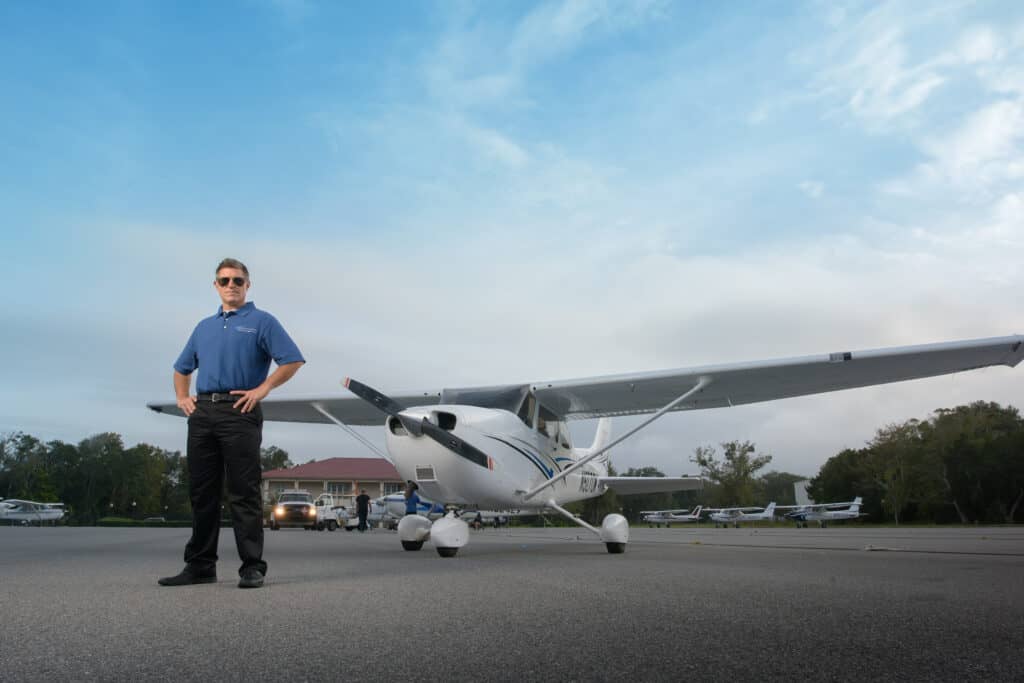
Pilots are the skilled managers of their airborne craft, entrusted with the critical responsibility of ensuring safety and delivering passengers to their destinations. This exciting career offers a unique blend of technical expertise and leadership, making it a compelling choice for those passionate about aviation. Within the realm of piloting, there are various types, from commercial pilots and private pilots to those flying cargo or corporate jets, each with its own set of duties and challenges.
Understanding the domestic pilot salary is crucial for anyone considering this career path. The earnings can vary widely depending on numerous factors such as the type of piloting job, experience level, and geographic location.
In this guide, we’ll explore the intricacies of what domestic pilots earn in the U.S., including average salaries, key influencing factors, and how you can maximize your earning potential. This comprehensive overview will provide valuable insights into the financial aspects of a career in aviation, helping you make informed decisions about your future in the skies.
Imagine starting your day in the cockpit, preparing to soar through the skies and ensure passengers reach their destinations safely and comfortably. As a domestic pilot, your role is as thrilling as it is demanding. You’re not just flying an aircraft; you’re managing a complex machine while navigating through diverse weather conditions and maintaining a high level of communication with air traffic control.
But how does this exciting career translate into earnings? The domestic pilot salary can vary widely. For instance, pilots working with large airlines often earn more compared to those at regional airlines or private companies. This variation is influenced by factors such as your level of experience, the type of employer, and where you’re based. To truly understand what you can expect to earn, it’s important to look at the broader industry trends and how different elements of the job impact salary.
Several factors influence the domestic pilot salary, making it essential to understand how each one contributes to overall earnings.
Understanding the average domestic pilot salary in the U.S. can provide valuable insights into what you might expect to earn in this profession. Salaries can vary significantly based on factors such as the type of employer, level of experience, and specific role within the aviation industry. Let’s break down these variations to give you a clearer picture.
Below is a table summarizing the average salaries for different types of domestic pilots in the U.S.:
| Type of Pilot | Average Annual Salary | Salary Range |
|---|---|---|
| Commercial Airline Pilot | $100,000 – $160,000 | $90,000 – $180,000 |
| Regional Airline Pilot | $60,000 – $80,000 | $50,000 – $90,000 |
| Private Pilot | $40,000 – $70,000 | $30,000 – $80,000 |
| Corporate Jet Pilot | $70,000 – $120,000 | $60,000 – $140,000 |
These figures provide a general overview and can fluctuate based on additional factors:
Experience Level: Senior pilots or those with extensive flying hours often earn higher salaries. For example, a seasoned captain with a major airline might earn at the higher end of the salary range.
Geographic Location: Pilots based in high-cost-of-living areas or regions with high demand for aviation services might see higher salaries to match local economic conditions.
Employer Type: Major airlines generally offer better compensation packages compared to smaller regional carriers or private operators.
The variations in salary reflect the diverse nature of piloting jobs and highlight the importance of considering these factors when evaluating potential earnings in this career.
When comparing domestic pilots in commercial versus private roles, significant differences in salary can be observed. Let’s explore these differences in more detail, focusing on each type of pilot.
Commercial pilots operate scheduled passenger flights or cargo services, and their salaries often reflect the scale and complexity of their operations. These pilots typically benefit from well-established salary structures and collective bargaining agreements, which help ensure more predictable and competitive earnings.
Private pilots fly individuals or small groups for personal, business, or corporate purposes. Their salaries can vary widely based on several factors, including the type of employer, the nature of the flights, and the pilot’s experience level.
By understanding these distinctions, prospective pilots can better evaluate which career path aligns with their financial goals and lifestyle preferences.
Experience is a cornerstone of a successful career in aviation, and it has a profound impact on a domestic pilot’s salary. The number of flight hours a pilot accumulates not only demonstrates their skill and proficiency but also significantly influences their earning potential.
For entry-level pilots, accumulating flight hours is crucial to gaining experience and advancing their careers. Early in their careers, pilots often start with lower-paying positions and are required to build a substantial number of flight hours to qualify for more advanced roles. Here’s how flight hours affect various stages of a pilot’s career:
Entry-Level Pilots: New pilots, such as those working for regional airlines or in instructional roles, generally start with fewer flight hours and correspondingly lower salaries. For instance, a newly licensed commercial pilot might earn between $40,000 and $60,000 annually while they gain experience and accumulate hours.
Mid-Level Pilots: As pilots gain experience and accumulate several thousand flight hours, they become eligible for more advanced positions, such as first officers or co-pilots with major airlines. With increased flight hours, these pilots can see their salaries rise to between $60,000 and $100,000, depending on the type of employer and the pilot’s specific role.
Experienced and Senior Pilots: Pilots with extensive flight hours and years of experience, including those who move into captain roles or specialized positions (e.g., flying corporate jets or handling complex cargo operations), often enjoy significantly higher salaries. For instance, senior pilots with major airlines can earn between $100,000 and $160,000 annually, with potential earnings exceeding $180,000 for top-tier positions.
The impact of flight hours on salary is influenced by several key factors:
Type of Employer: Pilots with more flight hours and experience who work for major airlines or high-profile corporate clients often command higher salaries compared to those in smaller regional operations or private roles.
Certification and Training: Advanced certifications and additional training can enhance a pilot’s earning potential. For example, obtaining a type rating for specific aircraft or advanced qualifications can open doors to higher-paying roles and specialized flying opportunities.
Geographic Location: The location of the pilot’s base of operations can also play a role. Pilots based in areas with higher costs of living or greater demand for aviation services might see higher salaries, reflecting regional economic conditions.
To illustrate how flight hours impact salary, consider the following examples:
By understanding how flight hours influence salary, prospective pilots can better plan their career paths and set realistic expectations for their earning potential.
The location of a domestic pilot’s base can greatly influence their salary. Geographic regions with higher costs of living or more competitive job markets often offer higher salaries to attract and retain skilled pilots.
For instance, pilots based in metropolitan areas such as New York City, San Francisco, or Los Angeles might earn more compared to those based in smaller towns or regions with lower living costs. This salary adjustment helps compensate for the increased cost of living and ensures that pilots can maintain a reasonable standard of living.
Regional differences also reflect variations in demand for pilots, with some areas experiencing a higher need for aviation professionals due to increased travel or cargo operations.
In addition to their base salary, domestic pilots often receive a range of benefits and perks that can enhance their overall compensation package. These benefits may include:
To maximize your domestic pilot salary, consider the following strategies:
Career progression plays a significant role in shaping a domestic pilot’s salary. As pilots advance from entry-level positions to more senior roles, their earnings typically increase.
Starting as a first officer or co-pilot, pilots gradually accumulate experience and flight hours. With time and demonstrated proficiency, they can move into captain roles or take on specialized positions that offer higher salaries. Career growth often involves additional training, certification, and leadership responsibilities, which contribute to increased earning potential.
For example, a pilot who begins their career with a regional airline might eventually transition to a major airline, leading to a significant salary boost and enhanced benefits.
Location remains a crucial factor in determining domestic pilot salary. Regional pay differences are influenced by the cost of living, local demand for pilots, and the competitive landscape in different areas.
In regions with high living costs or strong aviation sectors, pilots can expect higher salaries to offset expenses and attract talent. Conversely, pilots in areas with lower costs of living might see slightly lower salaries but benefit from more affordable living conditions.
Understanding these regional variations can help pilots make informed decisions about where to base their careers and how to negotiate their salaries effectively.
Understanding domestic pilot salaries involves considering a range of factors including experience, type of employer, geographic location, and additional benefits. While average salaries provide a baseline, individual earnings can vary widely based on personal circumstances and career progression.
By gaining additional certifications, increasing flight hours, and seeking opportunities with major airlines, pilots can enhance their earning potential and enjoy a rewarding career in aviation.
If you’re interested in pursuing a career as a domestic pilot and want to start your journey, consider reaching out to Florida Flyers Flight Academy. With comprehensive training programs and expert guidance, Florida Flyers can help you take the first steps toward achieving your aviation career goals.
Contact the Florida Flyers Flight Academy Team today at (904) 209-3510 to learn more about how to pay for flight school.