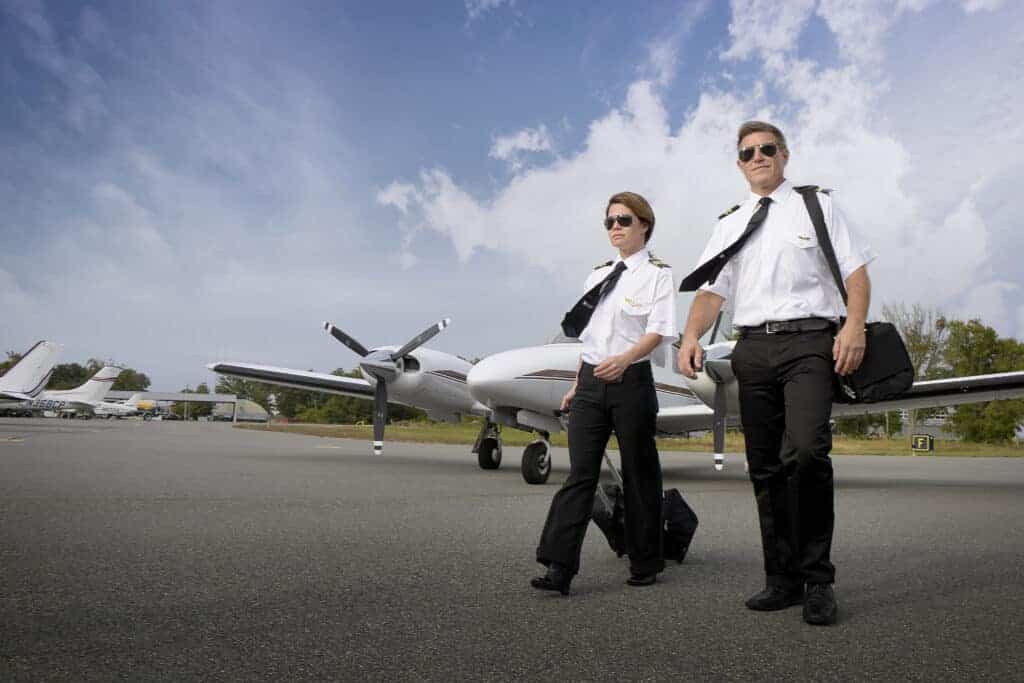
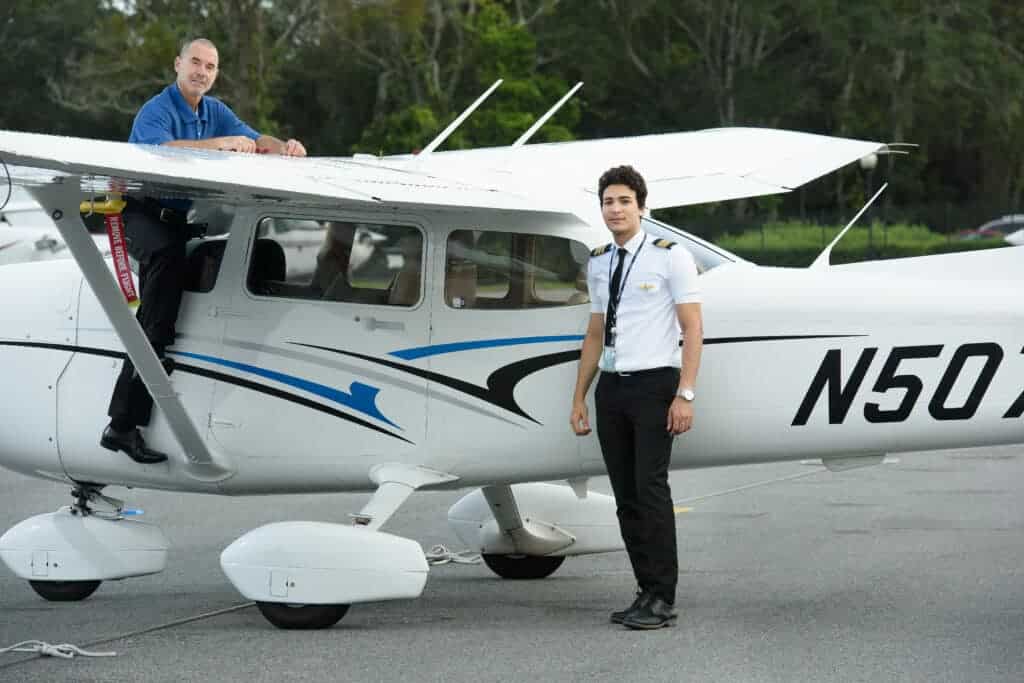
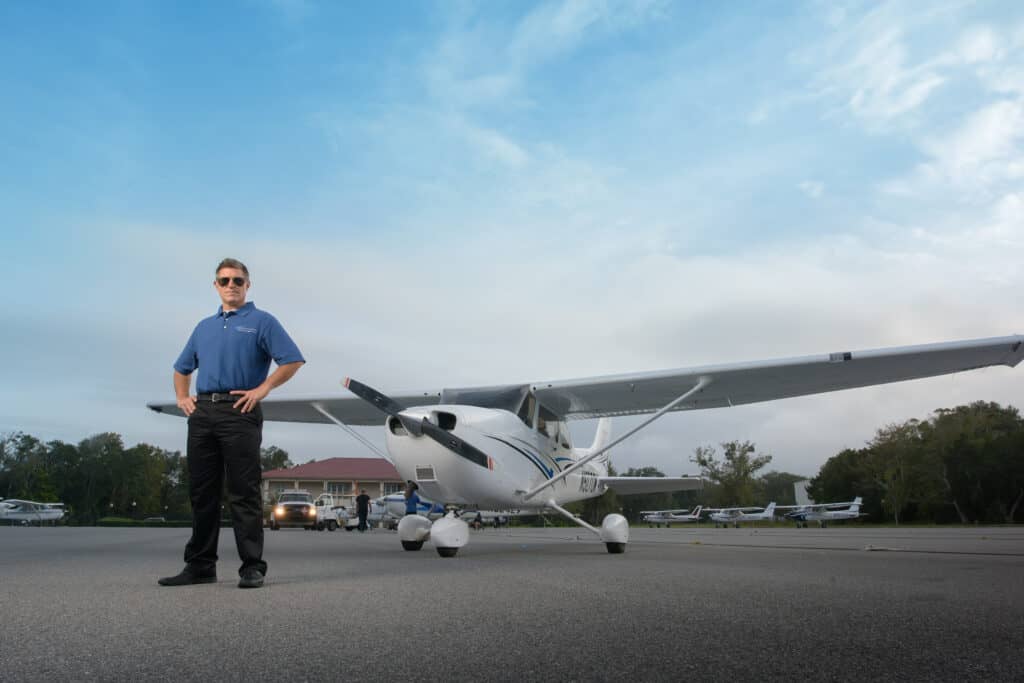
The journey to becoming a commercial pilot in the U.S.A. is both exciting and challenging. It involves a mix of rigorous training, dedication, and a passion for flying. Whether you’re drawn to the idea of piloting a passenger jet across continents or flying cargo planes across the country, understanding the path to achieving this goal is crucial. This guide aims to provide an in-depth look into how to become a commercial pilot in the U.S.A., offering insights into entry requirements, the process of obtaining a commercial pilot license, and the best ways to start your journey with reputable flight academies like Florida Flyers Flight Academy.
Becoming a commercial pilot in the U.S.A. requires meeting specific entry requirements that ensure candidates are well-prepared for the demands of the profession. The first requirement is age: aspiring commercial pilots must be at least 18 years old to obtain a commercial pilot license. Educational qualifications are also essential; a high school diploma or equivalent is generally required, though many pilots pursue higher education degrees in fields such as aviation, engineering, or physics to enhance their understanding of the industry and improve their job prospects.
Medical fitness is another critical entry requirement. Prospective pilots must obtain a First-Class Medical Certificate from the Federal Aviation Administration (FAA). This certificate ensures that the pilot is physically and mentally capable of handling the responsibilities of flying a commercial aircraft. The medical exam includes tests for vision, hearing, cardiovascular health, and overall physical condition.
Finally, English proficiency is mandatory. Since English is the international language of aviation, aspiring pilots must demonstrate the ability to read, write, speak, and understand English to a high standard. This proficiency is crucial for effective communication with air traffic control and other pilots, particularly in international airspace.
Earning a commercial pilot license (CPL) in the U.S.A. is a multi-step process that requires dedication and thorough preparation. The first step is to obtain a Private Pilot License (PPL), which allows you to fly solo and carry passengers under certain conditions. The PPL serves as the foundation for further training and experience.
Next, you will need to accumulate flight hours. The FAA requires a minimum of 250 hours of flight time, including specific hours of pilot-in-command time, cross-country flying, and instrument training. These hours can be logged through structured flight training programs or by flying independently once you have your PPL.
Ground school is another essential component of the process. Here, you will learn about aerodynamics, flight planning, weather, navigation, and aviation regulations. This theoretical knowledge is crucial for passing the FAA written exam, a requirement for obtaining your CPL.
Flight training under the supervision of a certified flight instructor (CFI) is where you hone your practical skills. This includes learning advanced maneuvers, complex aircraft operations, and emergency procedures. The goal is to prepare you for the FAA check ride, a comprehensive flight test where you will demonstrate your ability to fly a commercial aircraft competently and safely.
After passing the check ride and completing the necessary flight hours, you will be issued a commercial pilot license, allowing you to be compensated for your services as a pilot. However, many pilots continue their training to obtain additional certifications, such as an instrument rating or multi-engine rating, to enhance their qualifications and expand their career opportunities.
Choosing the right pilot school is a critical step in how to become a commercial pilot in the U.S.A. The quality of training you receive will significantly impact your skills, confidence, and career prospects. Therefore, thorough research is essential to find a program that aligns with your goals, budget, and learning style.
When researching pilot schools, consider the types of programs they offer. Some schools focus solely on private pilot training, while others offer comprehensive commercial pilot training programs that include ground school, flight hours, and additional certifications. It’s important to choose a school that provides the specific training you need to obtain your CPL and any other ratings you may require.
Accreditation and FAA certification are also crucial factors. Ensure that the flight school is FAA-approved, as this guarantees that the training meets the standards set by the aviation authority. Schools that are part of the FAA’s Part 141 program often offer more structured training programs, which can be beneficial for students who prefer a systematic approach to learning.
The fleet of aircraft available at the school is another consideration. A diverse fleet that includes different types of aircraft, such as single-engine and multi-engine planes, will provide you with comprehensive training and better prepare you for various flying conditions. Additionally, modern, well-maintained aircraft with up-to-date avionics will enhance your learning experience.
Finally, consider the location of the school. Weather conditions, air traffic, and proximity to controlled airspace can all impact your training. Schools located in areas with diverse weather patterns and busy airspace can provide valuable experience in dealing with different flying conditions, which will be beneficial in your future career as a commercial pilot.
Florida Flyers Flight Academy offers three distinct pathways to becoming a commercial pilot in the U.S.A, each tailored to meet the needs of different students. Whether you’re looking to fast-track your career, train internationally, or start with a Private Pilot License, Florida Flyers has a program for you.
| Program Name | Description | Duration | Outcome |
|---|---|---|---|
| Accelerated Airline Pilot Track (AAPT) | The fastest route to a pilot career – qualify in 12 months. Qualify to act as a First Officer with one of the airlines we work with. You could borrow up to 100% of the cost of airline pilot training. | 12 months | Ready to act as a First Officer |
| International Program (PPP) | Our program for international students. Full-time course designed for those who aim to work for an airline. Qualify in as little as 15 months. | 15 months | Airline-ready qualification |
| Private Pilot License | Earn your Private Pilot Certificate. Fly as a hobby or the starting point to a career in the skies. | Varies | Private Pilot Certificate |
The Accelerated Airline Pilot Track (AAPT) is ideal for those who want to start their pilot career as quickly as possible. This program allows students to qualify as a First Officer within 12 months, offering an expedited path to entering the commercial aviation industry. Florida Flyers also works with various airlines, providing graduates with potential job placements immediately after completing their training. Additionally, financing options are available, allowing students to borrow up to 100% of the cost of their airline pilot training.
The International Program (PPP) is designed for students from outside the U.S.A. who wish to pursue a commercial pilot career. This full-time program is tailored to meet the specific needs of international students, providing comprehensive training that prepares them for a career with international airlines. The program can be completed in as little as 15 months, depending on the student’s progress and previous experience.
For those who prefer to start with the basics, the Private Pilot License program is an excellent choice. This program allows students to earn their Private Pilot Certificate, enabling them to fly for personal enjoyment or as the first step toward a professional pilot career. The program’s flexible duration makes it suitable for individuals who may be balancing other commitments while pursuing their pilot training.
Beginning your pilot training at Florida Flyers Flight Academy is an exciting and rewarding step toward achieving your dream of becoming a commercial pilot. The academy is known for its high-quality training programs, experienced instructors, and a supportive learning environment that fosters success.
At Florida Flyers, students benefit from a curriculum designed to meet the highest industry standards. The academy’s training programs are structured to provide comprehensive instruction in both ground school and flight operations, ensuring that graduates are well-prepared to pass the FAA exams and excel in their careers. The academy’s fleet of modern aircraft, equipped with the latest avionics, further enhances the training experience, providing students with the skills and confidence needed to operate in today’s advanced aviation environment.
In addition to technical training, Florida Flyers emphasizes the importance of professionalism and safety. Students are taught to adhere to the highest safety standards, both in the air and on the ground. The academy’s commitment to safety is reflected in its excellent safety record and the success of its graduates in securing positions with major airlines.
Starting your pilot journey with Florida Flyers means joining a community of like-minded individuals who share your passion for aviation. The academy’s supportive atmosphere, combined with its rigorous training programs, creates an environment where students can thrive and achieve their goals.
Upon graduating from a commercial pilot training program, a wide range of job opportunities becomes available. Commercial pilots can pursue careers in various sectors of the aviation industry, each offering unique challenges and rewards.
One of the most common career paths is becoming a First Officer with a regional or major airline. First Officers assist the Captain in operating the aircraft and are responsible for specific tasks during flights. This role provides valuable experience and is often a stepping stone to becoming a Captain.
Another option is working as a charter pilot or corporate pilot, flying private jets or small aircraft for businesses or wealthy individuals. These positions often offer more flexible schedules and the opportunity to fly to diverse destinations.
Some graduates choose to work as flight instructors, sharing their knowledge and experience with the next generation of pilots. This role not only helps build additional flight hours but also allows pilots to refine their skills and stay current with the latest aviation practices.
Other career opportunities include becoming a cargo pilot, flying freight for logistics companies, or a pilot for government agencies, where you might be involved in search and rescue operations, firefighting, or law enforcement activities.
The demand for pilots is expected to remain strong, particularly in the commercial airline sector, where a growing number of retirements among senior pilots is creating a significant demand for new talent. This trend presents an excellent opportunity for new graduates to secure positions with major airlines and advance their careers quickly. The diverse job options available to commercial pilots allow graduates to choose a path that best aligns with their interests, whether that be flying passengers, cargo, or teaching the next generation of aviators.
As you embark on the journey to become a commercial pilot in the U.S.A., you may have several questions about the process, requirements, and expectations. Here are some frequently asked questions to help clarify common concerns:
Q: How long does it take to become a commercial pilot in the U.S.A.?
A: The timeline varies depending on the training program and the individual’s pace. On average, it takes about 12 to 24 months to obtain a commercial pilot license. This includes time spent earning a Private Pilot License (PPL), accumulating the required flight hours, and completing ground school and flight training.
Q: What are the costs associated with becoming a commercial pilot in the U.S.A?
A: The cost of becoming a commercial pilot can range from $70,000 to $150,000, depending on the flight school, location, and type of program. This includes tuition, flight hours, exams, and other associated expenses. Some schools, like Florida Flyers Flight Academy, offer financing options to help manage the cost.
Q: Do I need a college degree to become a commercial pilot in the U.S.A?
A: A college degree is not mandatory to become a commercial pilot in the U.S.A.; however, many airlines prefer or require candidates to have a degree, especially for more advanced positions. Degrees in aviation, engineering, or related fields can enhance your knowledge and job prospects.
Q: What medical requirements must I meet?
A: To become a commercial pilot, you must obtain a First-Class Medical Certificate from the FAA. This involves passing a medical examination that assesses your vision, hearing, cardiovascular health, and overall physical fitness. Maintaining this certificate is crucial for your ability to fly commercially.
Q: Can international students become commercial pilots in the U.S.A.?
A: Yes, international students can train and obtain a commercial pilot license in the U.S.A. Many flight schools, including Florida Flyers Flight Academy, offer programs specifically designed for international students. These programs often include assistance with visa applications and meeting FAA requirements.
Q: What are the career prospects for commercial pilots?
A: The career prospects for commercial pilots are strong, with a growing demand for new pilots due to retirements and industry expansion. Graduates can pursue careers with regional and major airlines, as charter pilots, corporate pilots, flight instructors, or in specialized roles such as cargo or government agency pilots.
Q: How do I maintain my commercial pilot license?
A: Maintaining a commercial pilot license requires staying current with FAA regulations, completing regular medical examinations, and logging a minimum number of flight hours annually. Additionally, pilots must undergo periodic training and assessments to ensure their skills remain sharp and up-to-date.
Becoming a commercial pilot in the U.S.A. is a rewarding journey that offers the opportunity to turn a passion for flying into a fulfilling career. By understanding the entry requirements, choosing the right training program, and committing to the rigorous process of earning a commercial pilot license, you can successfully navigate the path to becoming a commercial pilot. The aviation industry is dynamic, and the demand for skilled pilots continues to grow, making this an opportune time to pursue your dreams.
Whether you choose to train with Florida Flyers Flight Academy or another reputable institution, the key is to stay focused, dedicated, and motivated throughout your training. The skills and knowledge you acquire will serve as the foundation for a successful career in aviation, opening doors to a wide range of opportunities in the skies.
Are you ready to take the first step toward an exciting career as a commercial pilot? Florida Flyers Flight Academy offers world-class training programs designed to help you achieve your dreams. Whether you’re looking to fast-track your career, train internationally, or start with a Private Pilot License, our experienced instructors and state-of-the-art facilities are here to guide you every step of the way.
Enroll today and begin your journey with Florida Flyers Flight Academy, where your success in the skies starts on the ground.
Contact the Florida Flyers Flight Academy Team today at (904) 209-3510 to learn more about how to pay for flight school.