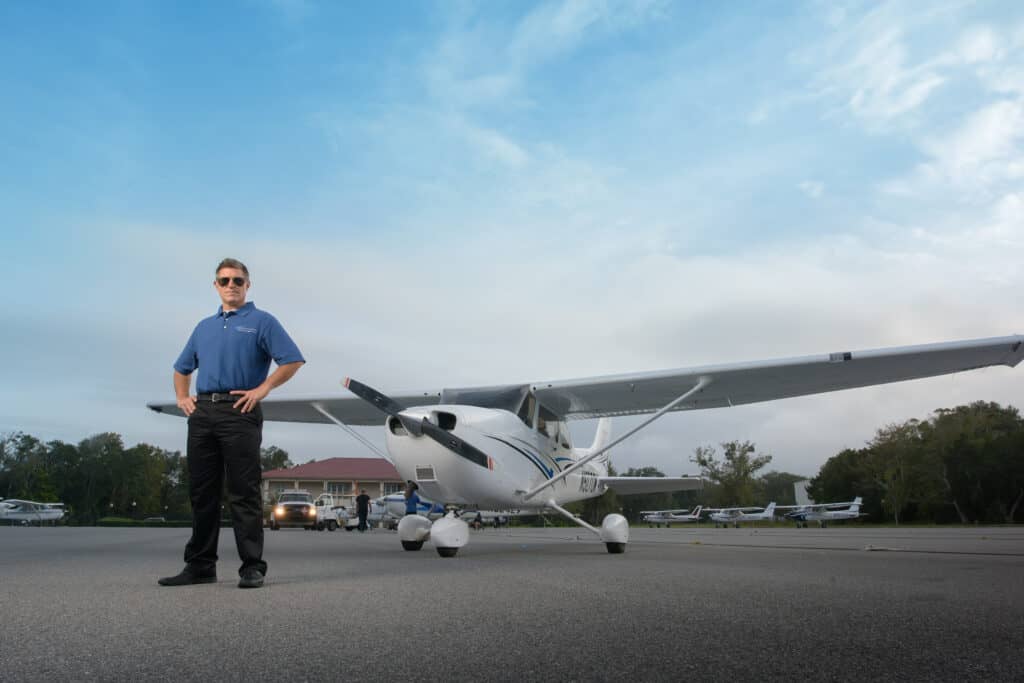
Becoming a pilot in the U.S.A. is a journey that many aspiring aviators embark on with dreams of soaring through the skies. This journey requires dedication, rigorous training, and a deep understanding of aviation principles. The path to becoming a pilot begins with obtaining a private pilot’s license, followed by accumulating the necessary flight hours and obtaining advanced certifications. The Federal Aviation Administration (FAA) sets strict guidelines for commercial pilots, ensuring that only the most qualified and skilled individuals earn their wings.
The journey to becoming a pilot is not just about flying; it involves understanding the complexities of aircraft operation, navigation, weather patterns, and communication with air traffic control. Once qualified, pilots are entrusted with the responsibility of safely transporting passengers and cargo, making the role both challenging and rewarding. As one advances in their career, the question that often arises is: How much do pilots make per year? Understanding the earning potential in this field is crucial for anyone considering a career in aviation.
When exploring the question of how much do pilots make per year, it’s essential to consider the various factors that influence a pilot’s salary. Several elements contribute to the differences in pay among pilots, including the type of aircraft flown, the airline or company of employment, the pilot’s level of experience, and the geographical location of the job.
One of the primary factors is the type of aircraft a pilot is certified to fly. Pilots who operate larger, more complex aircraft, such as commercial jets, typically earn more than those flying smaller planes. The airline or company that employs a pilot also plays a significant role in determining salary. Major airlines, which usually offer long-haul international flights, tend to pay their pilots more than regional or domestic carriers.
Experience is another crucial factor. A newly certified commercial pilot will generally earn less than a captain with decades of experience. As pilots accumulate flight hours and move up the ranks, their earning potential increases. Geographical location can also impact earnings. Pilots based in regions with a higher cost of living or in countries with stronger economies may receive higher salaries compared to those in less affluent areas.
Commercial pilots are among the most well-compensated professionals in the aviation industry. On average, how much do pilots make per year as commercial pilots? In the U.S.A., the average annual salary for a commercial pilot is around $93,300. However, this figure can vary widely depending on the factors mentioned earlier.
Entry-level commercial pilots might start with salaries ranging from $50,000 to $70,000 per year. As they gain more experience and move up to the position of captain, their earnings can increase significantly, with senior captains earning upwards of $200,000 annually. Pilots flying for major airlines often receive additional benefits, including health insurance, retirement plans, and travel perks, which further enhance their total compensation package.
The salary of a commercial pilot also depends on the type of flights they operate. Pilots flying international routes for major airlines generally earn more than those operating domestic or regional flights. Additionally, pilots who take on additional responsibilities, such as training new pilots or serving in managerial roles, can see a further increase in their earnings.
Private pilots, unlike commercial pilots, typically do not fly for airlines but rather for private individuals or companies. The question of how much do pilots make per year as private pilots varies depending on the nature of their employment. On average, private pilots in the U.S.A. can expect to earn between $40,000 and $100,000 annually.
The wide range in earnings is influenced by several factors. Private pilots who work for wealthy individuals or large corporations, flying luxury jets, often earn on the higher end of the scale. These positions may also come with additional perks, such as flexible schedules, accommodations, and bonuses. On the other hand, private pilots who work for smaller companies or who operate their own charter businesses may earn less, especially if they are still building their client base.
Private pilots may also earn additional income through flight instruction, aerial photography, or sightseeing tours. These supplementary income streams can significantly boost a private pilot’s annual earnings, making the profession more lucrative for those willing to take on extra work.
When comparing the earnings of commercial pilots versus private pilots, the differences are quite pronounced. How much do pilots make per year in these two categories depends largely on their roles and responsibilities. Generally, commercial pilots tend to earn more than private pilots due to the scale and nature of their work.
Commercial pilots, particularly those working for major airlines, often have higher salaries, better benefits, and more job security. They are also more likely to receive additional compensation for overtime, international flights, and other specialized duties. The structured nature of their employment with airlines provides a clear path for salary progression as they gain experience and seniority.
In contrast, private pilots may have more variability in their earnings. While some private pilots working for high-net-worth individuals or large corporations can earn competitive salaries, others working independently or for smaller companies may not enjoy the same level of financial security or benefits. The flexibility and variety of work available to private pilots can be both an advantage and a disadvantage, depending on their career goals and financial expectations.
Beyond their base salaries, pilots have several opportunities to increase their earnings. How much do pilots make per year can be significantly influenced by these additional income streams. For example, many pilots choose to take on extra flights, either as overtime or by flying during peak travel seasons, which can result in substantial bonuses.
Another way pilots can increase their earnings is by taking on special roles within their airline or company. Pilots who serve as flight instructors, check airmen, or in training and development roles often receive additional compensation for their expertise. These roles not only provide financial benefits but also offer valuable experience and career advancement opportunities.
Pilots may also earn extra income through non-flying activities. For instance, some pilots engage in consulting work, participate in aviation-related businesses, or invest in real estate or other ventures. These additional revenue streams can significantly enhance a pilot’s overall financial standing, making the profession even more rewarding.
Geographical location plays a significant role in determining how much pilots make per year. The cost of living, local economy, and demand for pilots can vary widely from one region to another, leading to differences in pilot salaries.
In the U.S.A., pilots based in major metropolitan areas or regions with a high demand for air travel often earn more than those in smaller, less economically developed areas. For example, pilots working in cities like New York, Los Angeles, or Miami may receive higher salaries due to the higher cost of living and greater demand for flights in these regions.
Internationally, pilot salaries can also vary significantly. Pilots working for airlines in countries with strong economies, such as the United Arab Emirates, Singapore, or Germany, may earn higher salaries compared to those in developing countries. The global nature of the aviation industry allows pilots to seek employment in different regions, potentially increasing their earnings by relocating to areas with better compensation packages.
Experience is one of the most critical factors in determining how much pilots make per year. As pilots gain more flight hours and advance in their careers, their earning potential increases significantly. Entry-level pilots typically earn less as they build their experience, but as they accumulate more flight hours and move up to higher positions, such as captain or senior captain, their salaries can increase dramatically.
The impact of experience on a pilot’s salary is particularly evident in the commercial aviation sector. Airlines often have a structured pay scale that rewards pilots for their years of service and the number of flight hours they have logged. Senior pilots with extensive experience may also have the opportunity to fly larger, more complex aircraft, which usually comes with higher pay.
In addition to increasing base salaries, experience also opens up opportunities for pilots to take on specialized roles, such as flight training, safety management, or airline administration. These roles often come with additional compensation, further boosting a pilot’s overall earnings.
Pilots looking to increase their earnings have several strategies at their disposal. One of the most effective ways to boost income is by gaining additional certifications and endorsements. How much pilots make per year can be significantly enhanced by obtaining type ratings for larger aircraft or advanced certifications, such as an Airline Transport Pilot (ATP) license. These qualifications make pilots eligible for higher-paying positions and more specialized roles within the aviation industry.
Another way pilots can increase their earnings is by seeking employment with major airlines or international carriers, which typically offer higher salaries and better benefits compared to regional airlines or private employers. Pilots can also consider relocating to regions or countries where pilot salaries are higher due to greater demand or a higher cost of living.
Networking and building a strong professional reputation can also lead to better job opportunities and higher pay. Pilots who are known for their skill, reliability, and professionalism may be more likely to receive job offers or promotions that come with increased compensation. Additionally, pilots who are willing to take on extra duties, such as flight instruction or training, can earn additional income on top of their regular salary.
In addition to their base salaries, pilots often receive a range of benefits and perks that enhance their overall compensation. How much pilots make per year is not just about their paycheck; it also includes these valuable additional benefits.
One of the most significant perks for pilots is the opportunity to travel. Many airlines offer their pilots free or heavily discounted flights, allowing them to explore the world during their time off. This benefit extends to immediate family members in many cases, making it an attractive perk for those who enjoy travel. For some pilots, the ability to travel extensively, often to exotic destinations, is one of the most rewarding aspects of the job.
Health and retirement benefits are also a crucial part of a pilot’s compensation package. Most airlines provide comprehensive health insurance, including medical, dental, and vision coverage, which is especially important given the physical demands of the job. In addition to health benefits, pilots typically have access to retirement plans, such as 401(k) programs with company matching, pensions, or other retirement savings plans. These benefits ensure that pilots can plan for their financial future with confidence.
Other perks might include paid vacation time, company-provided uniforms, and allowances for meals and accommodations during layovers. Senior pilots often have more control over their schedules, allowing them to balance work and personal life more effectively. Furthermore, some airlines offer bonuses for longevity, safety records, and performance, providing additional financial incentives for pilots who excel in their roles.
The aviation industry is continually evolving, and with it, the trends in pilot salaries. How much pilots make per year in the future will be influenced by several factors, including technological advancements, economic conditions, and changes in air travel demand.
One significant trend is the increasing automation of aircraft. While this might seem like a threat to pilot jobs, it could also lead to higher salaries for pilots who are skilled in operating advanced avionics and managing automated systems. As the role of the pilot evolves, those with expertise in new technologies may command higher salaries.
The demand for pilots is also expected to grow, particularly in regions with rapidly expanding economies and increased air travel. This demand could drive up salaries, especially for experienced pilots. The global shortage of qualified pilots, exacerbated by the retirement of baby boomer pilots and the rapid growth of airlines in Asia and the Middle East, could lead to a bidding war among airlines to attract and retain top talent.
Economic factors will also play a role in future pilot salaries. A strong economy generally leads to increased air travel, which in turn drives up demand for pilots. Conversely, economic downturns can lead to salary stagnation or reductions, as airlines seek to cut costs. However, the overall trend suggests that pilot salaries will continue to rise, particularly for those who stay current with industry developments and continue to build their skills and experience.
Understanding how much pilots make per year requires a comprehensive look at the various factors that influence pilot salaries. From the type of aircraft flown and the airline of employment to the pilot’s experience and geographical location, many elements come into play in determining a pilot’s earnings. Commercial pilots generally earn more than private pilots, but both have opportunities to increase their income through additional certifications, roles, and responsibilities.
Pilots also benefit from a range of perks and benefits, including health insurance, retirement plans, and travel opportunities, making the profession not only financially rewarding but also personally fulfilling. Looking ahead, the future of pilot salaries appears promising, with technological advancements and growing demand likely to drive up compensation for skilled aviators.
For those considering a career in aviation or current pilots looking to advance their careers, understanding these factors and trends is essential. By staying informed and continually enhancing their skills, pilots can maximize their earning potential and enjoy a successful and lucrative career in the skies.
If you’re ready to take the first step toward a rewarding career as a pilot, Florida Flyers Flight Academy is here to help. As one of the leading flight schools in the U.S.A., Florida Flyers offers comprehensive training programs designed to prepare you for success in the aviation industry. Whether you’re just starting or looking to advance your career, our experienced instructors and state-of-the-art facilities will give you the skills and confidence you need to soar.
Contact the Florida Flyers Flight Academy Team today at (904) 209-3510 to learn more about how to pay for flight school.