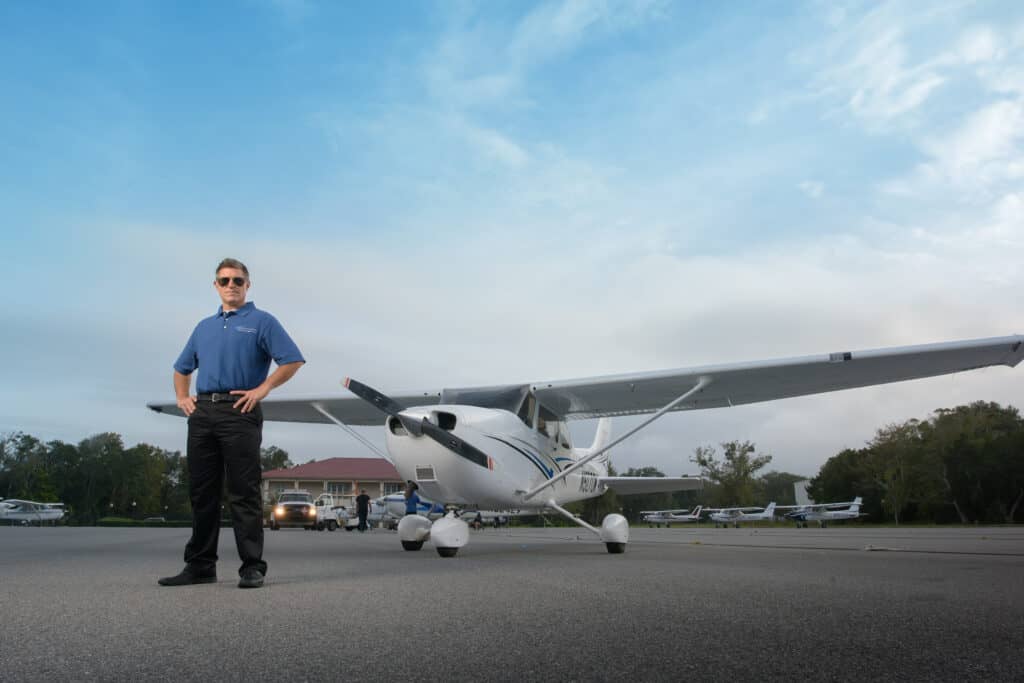
Soaring through the boundless skies, navigating majestic clouds, and commanding a powerful machine that defies gravity – the allure of becoming a pilot is undeniable. It’s a profession that combines adventure, responsibility, and a deep sense of freedom. For those seeking an extraordinary career path, the question “Why become a pilot?” ignites a myriad of compelling reasons.
In this comprehensive guide, we’ll explore ten captivating factors that make the pursuit of piloting an exhilarating and rewarding journey. From the thrill of flight to the potential for global travel, from lucrative earning opportunities to personal growth, we’ll unveil the multifaceted appeal of this dynamic profession. Fasten your seatbelts as we embark on an exploration to answer the question why become a pilot?
Imagine soaring above the clouds, leaving the ground behind, and experiencing the exhilaration of flight. One of the top reasons why become a pilot is so rewarding is the unmatched freedom it offers. As a pilot, you command a powerful aircraft, defying gravity with precision and grace.
Each takeoff and landing brings a rush of adrenaline and a deep sense of accomplishment. Navigating the skies, surrounded by stunning views and ever-changing horizons, is a privilege that few other careers provide. Whether flying a commercial airliner or a private plane, the joy of flight is a thrill that never fades.
The aviation industry offers a diverse range of career paths for pilots, catering to various interests and aspirations. From commercial airlines to corporate aviation, air cargo operations to private charters, the opportunities are vast and ever-evolving.
Commercial Airline Pilot: As a commercial airline pilot, you’ll have the opportunity to transport passengers across continents, exploring new destinations with each flight. This career path offers stability, competitive compensation, and the chance to work for renowned airlines.
Corporate Aviation Pilot: Fly for corporations, executives, and high-profile individuals, often aboard luxurious private jets. Corporate aviation pilots enjoy flexible schedules, personalized service, and the opportunity to build strong relationships with their clients.
Air Cargo Pilot: Play a crucial role in the global supply chain by transporting goods and materials across the world. Air cargo pilots navigate complex logistics networks, ensuring timely and efficient deliveries.
Flight Instructor: Share your passion for aviation by training the next generation of pilots. As a flight instructor, you’ll have the opportunity to shape the minds and skills of aspiring aviators, passing on your knowledge and experience.
Charter Pilot: Offer personalized air travel services to individuals, groups, or businesses. Charter pilots enjoy the flexibility of creating customized flight plans and schedules, catering to the unique needs of their clients.
These are just a few examples of the diverse careers in aviation opportunities available to pilots, each offering its own set of challenges, rewards, and experiences.
The prestige of being a pilot is one of the answers to the question why become a pilot? Pilots hold a unique position of respect and admiration in society. Throughout history, aviators have been revered for their courage, skill, and ability to conquer the skies. As a pilot, you’ll be part of a prestigious profession that commands respect and admiration from people around the world.
The uniform and epaulets symbolize the dedication, training, and expertise required to earn the coveted title of “pilot.” Whether you’re walking through an airport terminal or attending a social gathering, your profession will be met with a sense of awe and curiosity. People will seek your insights and experiences, eager to learn about the fascinating world of aviation.
Moreover, being a pilot carries a sense of responsibility and trust. Passengers entrust their safety and well-being to your capable hands, and communities rely on your expertise to transport goods and services efficiently. This level of trust and respect is a source of pride for pilots, motivating them to uphold the highest standards of professionalism and excellence.
The aviation industry offers lucrative earning opportunities for pilots, which is a key reason why become a pilot is an attractive career path for those seeking financial stability and growth. Salaries vary based on factors like experience, aircraft type, and employer, but the overall earning potential is highly favorable.
For instance, commercial airline pilots enjoy competitive salaries and benefits. As they gain experience and seniority, their earning potential grows significantly. Pilots in corporate aviation or private charter operations often earn higher wages due to the specialized nature of their work and the premium service they provide.
Beyond base salary, pilots can benefit from additional incentives, including bonuses, profit-sharing programs, and robust retirement plans. These perks can further enhance a pilot’s overall compensation package.
With a high demand for skilled aviators, pilots are in a strong position to negotiate competitive salaries and benefits. As the aviation industry continues to grow, the earning potential for pilots remains promising, making it a financially rewarding career and a key reason why become a pilot is such a compelling choice.
One of the most enticing reasons why become a pilot is the incredible opportunity to travel the world. As a pilot, you’ll explore new destinations, immerse yourself in diverse cultures, and experience the wonders of the planet from a unique vantage point.
Commercial airline pilots, for example, fly to various cities and countries, often with layovers that allow them to discover new locales. Corporate and charter pilots may have the flexibility to customize their flight routes, visiting off-the-beaten-path destinations and creating unforgettable travel experiences.
Imagine waking up in a different city each day, embracing the sights, sounds, and flavors of different cultures. From bustling cities to secluded islands, and from ancient landmarks to modern marvels, the world truly becomes your playground as a pilot.
In addition, the aviation industry fosters a global network, connecting pilots with fellow aviators worldwide. This opens up new opportunities for friendships, cultural exchanges, and a deeper understanding of the diversity within the aviation community.
The aviation industry is a dynamic and expanding sector, offering job security and a strong demand for skilled pilots, which is a key reason why become a pilot is a smart career choice. As global connectivity increases and air travel demand rises, the need for qualified aviators is expected to remain high.
Industry projections indicate that the global demand for pilots will grow significantly in the coming years. This surge is driven by factors like the expansion of air travel, the retirement of experienced pilots, and the introduction of new aircraft requiring specialized training.
Moreover, the aviation industry is resilient and adaptable, maintaining a steady demand for pilots even during economic downturns or global challenges. Whether in commercial aviation, cargo operations, or private charters, the need for air transportation persists, ensuring long-term job stability.
By choosing to become a pilot, you’re entering a field with excellent job prospects, financial security, and opportunities for career growth. This stability allows for career advancement and the chance to explore diverse roles within aviation throughout your journey.
Why become a pilot? The path to becoming a pilot involves a mix of dedicated training, education, and certification. It typically starts with enrolling in a reputable flight school, where aspiring pilots receive thorough instruction on both the theoretical and practical aspects of aviation.
Flight schools provide a structured curriculum covering key subjects such as aerodynamics, meteorology, navigation, aircraft systems, and flight operations. Classroom learning is enhanced by hands-on flight training, allowing students to gain valuable experience under the guidance of skilled instructors.
To officially become a licensed pilot, individuals must secure certifications from the Federal Aviation Administration (FAA) or their local civil aviation authority. This involves passing written exams, demonstrating flight proficiency, and meeting specific flight time requirements.
The most common certifications for pilots include:
1. Private Pilot Certificate: This certification allows individuals to fly for personal or recreational purposes.
2. Commercial Pilot Certificate: Required for pilots who wish to fly for compensation or hire, such as in commercial airline operations or charter services.
3. Airline Transport Pilot (ATP) Certificate: The highest level of pilot certification, required for pilots flying large, commercial aircraft or serving as captains for airlines.
Throughout the training process, aspiring pilots develop essential skills such as decision-making, problem-solving, teamwork, and attention to detail – traits that are highly valued in the aviation industry and transferable to various aspects of life.
Becoming a pilot is not just about acquiring technical skills; it’s also a journey of personal growth and development. The process of learning to fly cultivates a range of invaluable qualities that extend far beyond the cockpit.
Discipline and Attention to Detail: Flying an aircraft demands unwavering focus and adherence to strict protocols and procedures. Pilots must develop a keen eye for detail, ensuring that every aspect of flight operations is meticulously executed.
Decision-Making and Critical Thinking: In the dynamic and ever-changing environment of aviation, pilots must quickly assess situations, weigh options, and make sound decisions under pressure. This cultivates strong critical thinking and problem-solving abilities.
Situational Awareness and Adaptability: Pilots must maintain a heightened level of situational awareness, constantly monitoring various factors such as weather conditions, air traffic, and aircraft systems. This requires the ability to adapt to changing circumstances and respond effectively to unexpected situations.
Teamwork and Communication: Aviation is a collaborative endeavor, and pilots must work seamlessly with co-pilots, air traffic controllers, and ground crews. Effective communication and teamwork skills are essential for ensuring safe and efficient operations.
Confidence and Leadership: As the commander of an aircraft, pilots must exude confidence and demonstrate strong leadership qualities. They are responsible for the safety and well-being of passengers and crew, requiring them to make decisive decisions and inspire trust in their abilities.
These skills, honed through the rigorous training and real-world experiences of flying, are highly transferable and valuable in various aspects of life and other professional pursuits. The personal growth and development that accompany the journey of becoming a pilot are invaluable assets that extend far beyond the confines of the cockpit.
The aviation industry is a close-knit community that fosters strong connections and networking opportunities among pilots and professionals from diverse backgrounds. As a pilot, you’ll have the chance to interact with individuals who share your passion for flight and explore the world.
Joining professional organizations and aviation clubs can provide invaluable networking opportunities. These platforms allow pilots to connect with peers, exchange knowledge and experiences, and stay informed about industry trends and developments. Attending aviation events, conferences, and conventions further expands your network and opens doors to potential career opportunities.
Additionally, the camaraderie among pilots is a unique aspect of the aviation community. Pilots often form strong bonds with their colleagues, sharing stories, insights, and a deep appreciation for the challenges and rewards of their profession. This sense of community can provide a supportive environment for personal and professional growth, as well as a source of inspiration and motivation.
Networking within the aviation industry can lead to valuable mentorships, collaborative opportunities, and the sharing of best practices. It can also facilitate the exchange of information about job openings, career advancement prospects, and industry developments, ensuring that pilots remain at the forefront of their field.
The aviation industry offers a wealth of opportunities for pilots to further their education and pursue advanced training or specializations. As technology and aircraft systems continue to evolve, pilots must stay at the forefront of these developments to maintain their expertise and competitive edge.
Many airlines and aviation companies provide ongoing training programs and specialized courses to ensure their pilots are equipped with the latest knowledge and skills. These programs may cover topics such as advanced aircraft systems, crew resource management, and new flight procedures or regulations.
Additionally, pilots can pursue specialized certifications or ratings to expand their capabilities and open new career paths. Some examples include:
1. Type Ratings: These certifications allow pilots to operate specific aircraft models or families, such as the Boeing 737 or Airbus A320.
2. Instrument Ratings: This rating enables pilots to fly solely by reference to instruments, essential for operating in adverse weather conditions or during night flights.
3. Multi-Engine Ratings: Pilots with this rating are qualified to fly aircraft with more than one engine, expanding their opportunities in various aviation sectors.
4. Flight Instructor Certifications: By obtaining instructor certifications, pilots can share their knowledge and experience with aspiring aviators, contributing to the development of future generations of pilots.
Pursuing advanced training and specializations not only enhances a pilot’s skills and knowledge but also demonstrates a commitment to professional development and a dedication to excellence in the aviation field.
The aviation industry is at the forefront of technological innovation, constantly evolving to meet the demands of a rapidly changing world. As a pilot, you’ll have the opportunity to witness and be a part of these exciting advancements, shaping the future of air travel.
One area of significant development is the integration of advanced avionics and flight management systems. These cutting-edge technologies enhance situational awareness, improve flight efficiency, and reduce pilot workload, ensuring safer and more streamlined operations.
Additionally, the aviation industry is actively exploring sustainable and environmentally friendly solutions, such as the development of electric and hybrid-electric aircraft. Pilots will play a crucial role in the adoption and operation of these innovative aircraft, contributing to a more sustainable future for air travel.
The integration of artificial intelligence (AI) and automation is also on the horizon, with the potential to revolutionize various aspects of flight operations. While pilots will remain essential for overall command and decision-making, AI systems may assist with tasks such as flight planning, data analysis, and aircraft monitoring, enhancing efficiency and safety.
As the aviation industry continues to evolve, pilots will have the opportunity to stay at the forefront of these technological advancements through ongoing training and education. Embracing these changes and adapting to new technologies will be crucial for maintaining a competitive edge and ensuring a successful career in the dynamic field of aviation.
Becoming a pilot is a journey that combines adventure, responsibility, and personal growth. From the exhilaration of flight to the potential for global travel, from lucrative earning opportunities to the development of invaluable skills, the reasons to pursue a career as a pilot are compelling and diverse.
As you contemplate this exciting career path, reflect on your passions, aspirations, and willingness to embrace the challenges and rewards that come with being a pilot. The aviation industry offers a vibrant community, job stability, and the opportunity to be at the forefront of technological advancements that will shape the future of air travel.
Ultimately, the decision to become a pilot is a personal one, but for those with a love for the skies and a thirst for adventure, it can be a truly rewarding and fulfilling journey. Embrace the call of the clouds, and let your dreams take flight as you embark on the path to becoming a skilled and respected aviator.
If you’re passionate about exploring the skies, experiencing the thrill of flight, and embarking on a rewarding career journey, consider taking the first step towards becoming a pilot. Enroll in a reputable flight school like Florida Flyers Flight Academy today and start your journey towards earning your wings.
Contact the Florida Flyers Flight Academy Team today at (904) 209-3510 to learn more about how to pay for flight school.