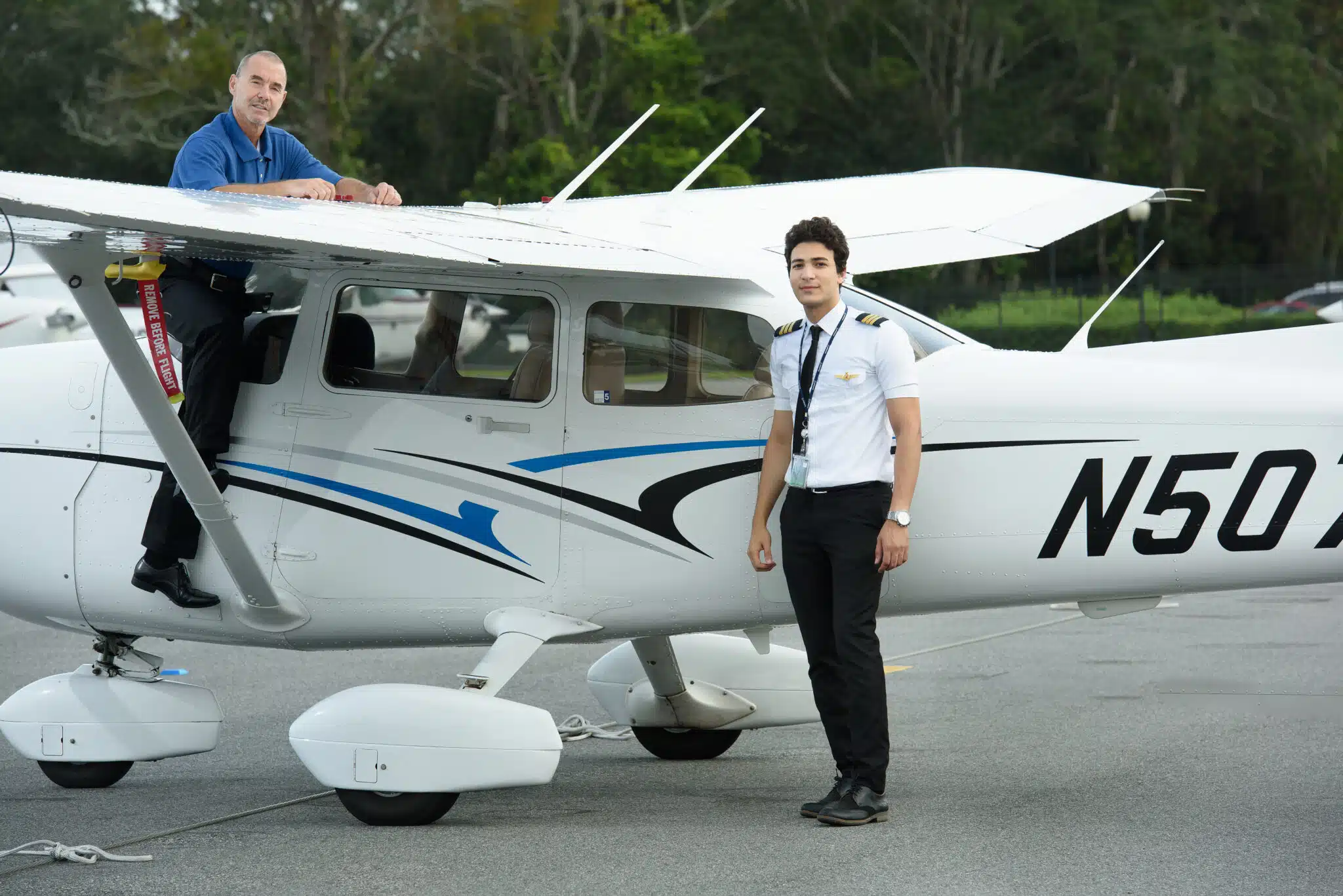

Commercial pilot salaries in the USA have reached record highs in 2026 due to increased demand and recruitment efforts. This guide covers salary ranges by experience level, airline type, aircraft flown, and factors affecting pilot compensation nationwide. First Officers earn $50,000 to $80,000 while Captains make $200,000 to $400,000+ annually at major carriers today.
Table of Contents
The commercial pilot salary USA outlook in 2026 is stronger and more competitive than it has ever been. Airlines are aggressively hiring to meet surging post pandemic travel demand, driving salaries upward for First Officers and Captains. Both regional and major carriers offer record compensation packages to attract and retain qualified commercial pilots today.
This guide breaks down what commercial pilots earn by rank, airline, experience level, and aircraft type in detail. Entry level positions and six figure captain salaries are both covered throughout this comprehensive 2025 salary guide.
Pilot compensation varies significantly based on seniority, airline size, route type, and union contract agreements nationwide.
Average Commercial Pilot Salary USA (2026)
The commercial pilot salary USA has seen a notable increase in 2026, reflecting the growing demand for qualified pilots. According to the U.S. Bureau of Labor Statistics (BLS), as of May 2023, the median annual wage for airline pilots, copilots, and flight engineers was $219,140. This equates to approximately $18,250 per month, $4,211 per week, or $600 per day.
For commercial pilots—those engaged in unscheduled flight activities such as charter flights and aerial tours—the median annual wage was $113,080 during the same period.
Hourly Pay Structure
Pilots are typically compensated based on flight hours rather than a fixed annual salary. Airlines guarantee a minimum number of flight hours per month, with opportunities to earn more through additional flight assignments.
For instance, a first-year First Officer at a major airline might have a starting hourly rate that increases with experience and aircraft type. This hourly pay structure allows pilots to significantly enhance their earnings by exceeding the minimum guaranteed flight hours.
Allowances & Per Diems for Commercial Pilots
Beyond base salary, commercial pilots receive valuable allowances that can significantly increase their total annual compensation in the USA.
1. Per Diem Allowances
Pilots receive daily per diem pay for meals and incidental expenses during layovers and trips away from their home base. In 2025, typical per diem rates range from $2.50 to $3.50 per hour while away from their designated base airport. This allowance can add between $5,000 and $15,000 annually depending on individual flight schedules and trip frequency patterns.
2. Accommodation and Transportation Coverage
Airlines provide hotel accommodations for pilots during overnight layovers without requiring any out of pocket payments from crew members. Transportation between airports and hotels is also covered, along with crew rest facilities on certain long haul international flights.
3. Additional Pilot Allowances
Pilots receive uniform allowances of $300 to $500 annually to maintain their professional appearance and replace worn items. Some airlines offer commuter benefits including jumpseat privileges or stipends for pilots who live far from their base. International flight premiums provide additional compensation for overseas trips, further boosting total earnings for commercial airline pilots today.
Commercial Pilot Salary USA by Experience Level
While the average commercial pilot salary USA offers a useful benchmark, actual earnings vary significantly based on your position, total flight hours, and seniority. Understanding how pay evolves from student to senior captain is essential—especially for those mapping out how to become a commercial pilot in the USA with long-term career goals.
Here’s how commercial pilot pay scales by experience level in 2026:
Student Pilots / Zero Hours
Aspiring pilots begin their journey by investing in flight training, which involves costs rather than earnings. During this phase, individuals accumulate the necessary flight hours and certifications to qualify for commercial pilot positions.
First Officer (Entry-Level)
Upon completing training, pilots often start as First Officers (co-pilots) with regional airlines or low-cost carriers. According to a 2026 report by Business Insider, starting base pay for First Officers at low-cost airlines ranges from approximately $48,500 to $174,000 annually, depending on the airline and the pilot’s experience.
Captain (Domestic & International Routes)
Advancing to the rank of Airline Captain brings a substantial salary increase. Captains at major airlines can earn between $180,000 and over $400,000 annually, with those operating international routes or larger aircraft typically earning at the higher end of this range.
Seniority and Pay Scale Increases
Pilot salaries are heavily influenced by seniority. Most airlines operate on a seniority-based system, where pilots receive pay increases and preferential route assignments as they accumulate years of service.
For example, a First Officer’s hourly rate can increase significantly after the first few years, and Captains with over a decade of experience often reach the top of the pay scale.
This system underscores the importance of career longevity and progression in maximizing a pilot’s earning potential.
Commercial Pilot Salary USA by Airline: Major vs. Regional
The commercial pilot salary USA can vary widely based on the airline you work for. Major airlines typically offer the highest compensation, while regional carriers serve as the starting point for most pilots entering the industry.
Major Airlines
Major carriers like Delta, American, United, and Alaska offer premium salaries and long-term career growth. These airlines operate larger aircraft on domestic and international routes, which often translates to higher hourly pay and more generous contracts.
Delta Air Lines: First Officers earn between $100,000 and $230,000 annually. Captains make between $300,000 and $400,000 per year.
American Airlines: First Officers start at $113/hour, increasing to $174/hour by year two. Captains earn $324–$460/hour depending on aircraft and seniority.
United Airlines: Entry-level First Officers earn around $109,000 annually. Senior Captains earn $312,000+.
Alaska Airlines: First Officers start near $107,000/year and can reach $225,000. Captains earn $299,000–$326,000 depending on tenure.
Regional Airlines
While major airlines dominate the top pay tiers, regional airline pilot pay forms the backbone of most pilots’ early careers. These carriers fly shorter routes with smaller aircraft, but they offer essential experience and serve as stepping stones to the majors.
- SkyWest Airlines: First Officers earn $86,000–$102,000; Captains earn $130,000–$235,000.
- Envoy Air: First-year First Officers start at $90/hour.
- Republic Airways: First Officers earn around $95,700/year.
- PSA Airlines: Entry-level First Officers make approximately $107,850 annually.
Many regional airlines offer competitive sign-on bonuses to attract new pilots. For example, PSA Airlines provides a $10,000 sign-on bonus, plus an additional $8,000 in the second year.
For pilots focused on building experience quickly, regional airlines offer a fast track to the flight deck—even if the initial compensation is lower. As experience grows, transitioning to a major airline unlocks significantly higher earning potential and long-term stability in the commercial pilot salary USA landscape.
Factors That Affect Commercial Pilot Salary USA
Several key factors influence the commercial pilot salary USA figures, leading to variations in earnings among pilots. Understanding these elements is crucial for those navigating or entering the aviation industry.
Aircraft Type: Narrow-bodied vs. Widebody
The type of aircraft a pilot operates significantly impacts their salary. Pilots flying widebody aircraft, designed for long-haul international routes, typically earn more than those operating narrow-bodied planes on shorter domestic flights.
For instance, a senior Captain commanding an Airbus A350 (widebody) at a major airline can earn approximately $361 per hour, translating to an annual salary between $325,000 and $400,000. In contrast, Captains flying narrow-bodied aircraft like the Boeing 737 may have lower hourly rates.
Union Negotiations and Contracts
Pilot salaries are often determined through collective bargaining agreements negotiated by pilot unions. These contracts set pay scales, benefits, and working conditions. For example, in 2026, U.S. major airline pilots received an average pay increase of 3.8%, with new contracts over their full term averaging a 31.6% increase. The first-year bump was notably 21.3%, reflecting the unions’ efforts to secure better compensation for pilots.
Flight Hours, Overnight Trips, and Bonuses
Pilot compensation is also influenced by the number of flight hours logged, the frequency of overnight trips, and additional bonuses. Airlines guarantee a minimum number of flight hours per month, but pilots can increase their earnings by flying additional hours or taking on overnight assignments, which often come with per diem allowances.
Moreover, many airlines offer bonuses for working on holidays or accepting short-notice assignments, further enhancing a pilot’s income.
Signing Bonuses and Incentives: 2026 Trends
In response to the ongoing pilot shortage, many airlines have introduced substantial signing bonuses and incentives to attract and retain pilots. For instance, regional airlines have offered signing bonuses ranging from $5,000 to over $15,000, depending on the pilot’s experience and qualifications.
Some airlines provide additional bonuses for pilots with specific type ratings or for those who upgrade to Captain positions. These incentives are part of a broader trend in 2026 to make pilot positions more appealing amid increased competition for qualified aviators.
Understanding these factors is essential for pilots aiming to maximize their earning potential in the dynamic landscape of the commercial pilot salary USA.
Do International Students Earn the Same?
One of the most common questions among international trainees is whether their pay will match that of U.S.-based pilots. When it comes to the commercial pilot salary USA, the answer depends on work eligibility, visa status, and licensing.
Visa Status & Work Authorization
Most international students train under F-1 or M-1 visas, which restrict employment. While F-1 students may be eligible for Optional Practical Training (OPT), long-term employment as a commercial pilot in the USA typically requires sponsorship through an H-1B visa or obtaining permanent residency (Green Card).
Pathway to Equal Pay
Once authorized to work in the U.S. and properly licensed under the FAA, international pilots are eligible for the same pay scale as domestic pilots. In other words, there’s no difference in the commercial pilot salary USA for foreign-born pilots—assuming they meet all employment and licensing requirements.
FAA License vs Foreign Conversions
International students who complete training in the U.S. earn FAA pilot licenses, putting them on equal footing with American trainees. However, pilots licensed abroad must convert their credentials, which may involve additional testing or verification.
If you’re an international student aiming for a pilot career in the U.S., you can earn the same commercial pilot salary USA as everyone else, once you’re licensed and legally eligible to work.
Commercial Pilot Salary USA: 2026–2030 Growth Outlook
The next five years look strong for the commercial pilot salary USA, driven by pilot shortages, rising travel demand, and competitive hiring practices.
High Demand from Airlines
According to the U.S. Bureau of Labor Statistics, demand for airline and commercial pilots is projected to grow 5% through 2033, creating thousands of new positions. As airlines expand fleets and routes, salaries are expected to increase to attract qualified professionals.
Retirement Wave = Higher Salaries
Aging pilots are retiring at a rapid pace. With many reaching the FAA’s mandatory retirement age of 65, airlines are facing a shrinking talent pool. This shortage is pushing up wages across the board—especially for new graduates and type-rated captains.
Entry-Level Pay is Rising
In 2026, starting salaries at both regional and low-cost carriers are already climbing, with entry-level commercial pilot salaries in the USA frequently surpassing $100,000 annually. Signing bonuses, incentive pay, and fast-track upgrade paths are now common, making it one of the best times to enter the profession.
The outlook for the commercial pilot salary USA from 2026 to 2030 is strong—with rising base pay, better benefits, and high demand setting the stage for long-term earning potential.
Flight School Cost & ROI
Becoming a commercial pilot requires significant upfront investment in flight training, but strong salary growth provides excellent return on investment.
Typical Flight Training Costs:
• Private Pilot License (PPL)
• Instrument Rating (IR)
• Commercial Pilot License (CPL)
• Multi-Engine Rating (ME)
• Certified Flight Instructor (CFI)
• Flight hours to meet airline minimums
The total cost of flight training ranges from $80,000 to $150,000 depending on the school and location chosen. Most student pilots finance their training through loans, savings, or veteran benefits to cover these substantial educational expenses.
First-year regional airline pilots earning $50,000 to $80,000 can recover their investment within three to five years. Captains at major airlines earning $200,000 to $400,000+ annually see exceptional returns on their initial flight school investment. The pilot shortage in 2026 has accelerated career progression, improving ROI timelines significantly for new commercial pilots today.
Conclusion: Commercial Pilot Salary USA in 2026
Commercial pilot salaries in the USA are more competitive than ever due to high demand, pilot retirements, and recruitment. Whether starting flight school or entering airlines, the 2026 outlook remains exceptionally strong for aspiring and current pilots. Entry level pay has increased significantly, and career progression timelines have shortened due to the ongoing pilot shortage.
With proper training, certifications, and required flight hours, pilots can build stable and financially rewarding aviation careers today. First Officers and Captains alike benefit from rising salaries, improved benefits, and enhanced job security across the industry. Major and regional airlines continue competing aggressively for qualified pilots, driving compensation packages to all time record highs.
The investment in flight training delivers strong returns as pilot demand continues growing through 2030 and beyond significantly. Commercial aviation remains one of the most promising career paths for individuals seeking financial stability and professional growth.
Want to start your journey? Explore our commercial pilot training programs and take off with Florida Flyers today.
FAQ: Commercial Pilot Salary USA
How much do commercial pilots make in their first year?
In 2026, entry-level commercial pilot salary in the USA ranges from $48,000 to $120,000 depending on the airline and position. Regional airlines typically pay less, while some low-cost and major carriers offer higher starting pay and signing bonuses.
Which U.S. airline pays pilots the most in 2026?
Major carriers like Delta Air Lines, United Airlines, and American Airlines offer some of the highest pilot salaries in the U.S. In 2026, senior Captains at these airlines can earn $350,000 to $450,000+ annually, depending on aircraft type and years of service.
What’s the highest-paying pilot job in the USA?
The top-paying roles are usually widebody international Captains at major airlines. These pilots operate long-haul flights on aircraft like the Boeing 777 or Airbus A350 and can earn $400,000+ per year, making them the highest earners in the commercial pilot salary USA range.
Is pilot salary hourly or monthly?
Pilot pay in the U.S. is primarily calculated hourly based on flight hours. Airlines guarantee a minimum number of hours per month, typically between 70 and 85, and offer extra pay for additional hours, overtime, and special assignments.
Do commercial pilots get bonuses or incentives?
Yes. In 2026, many airlines offer signing bonuses, retention bonuses, and performance incentives to attract and retain pilots. Some regionals and majors provide bonuses from $5,000 to $20,000+, depending on demand and pilot experience.
Contact the Florida Flyers Flight Academy Team today at (904) 209-3510 to learn more about how to do the foreign pilot license conversion in 4 steps.