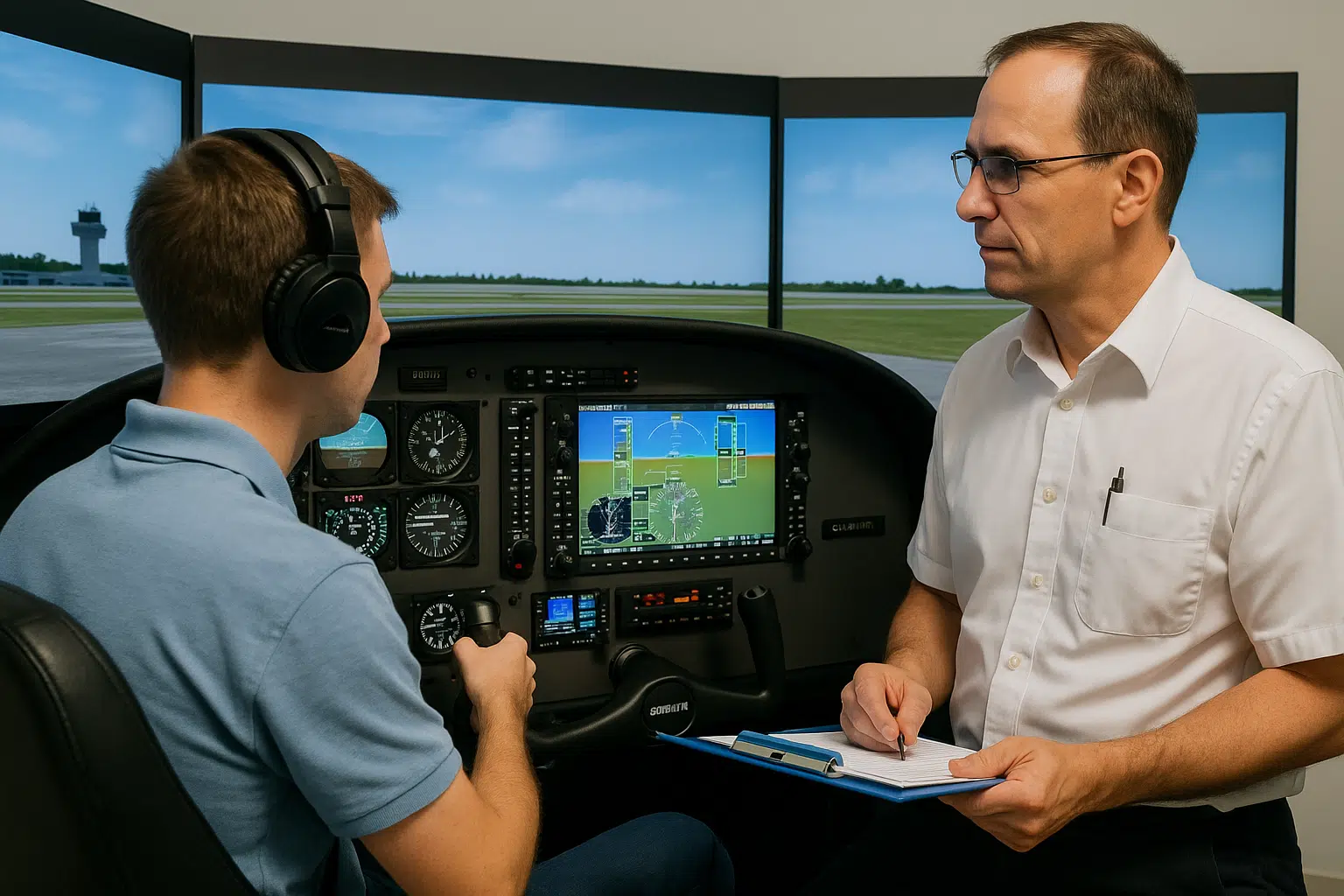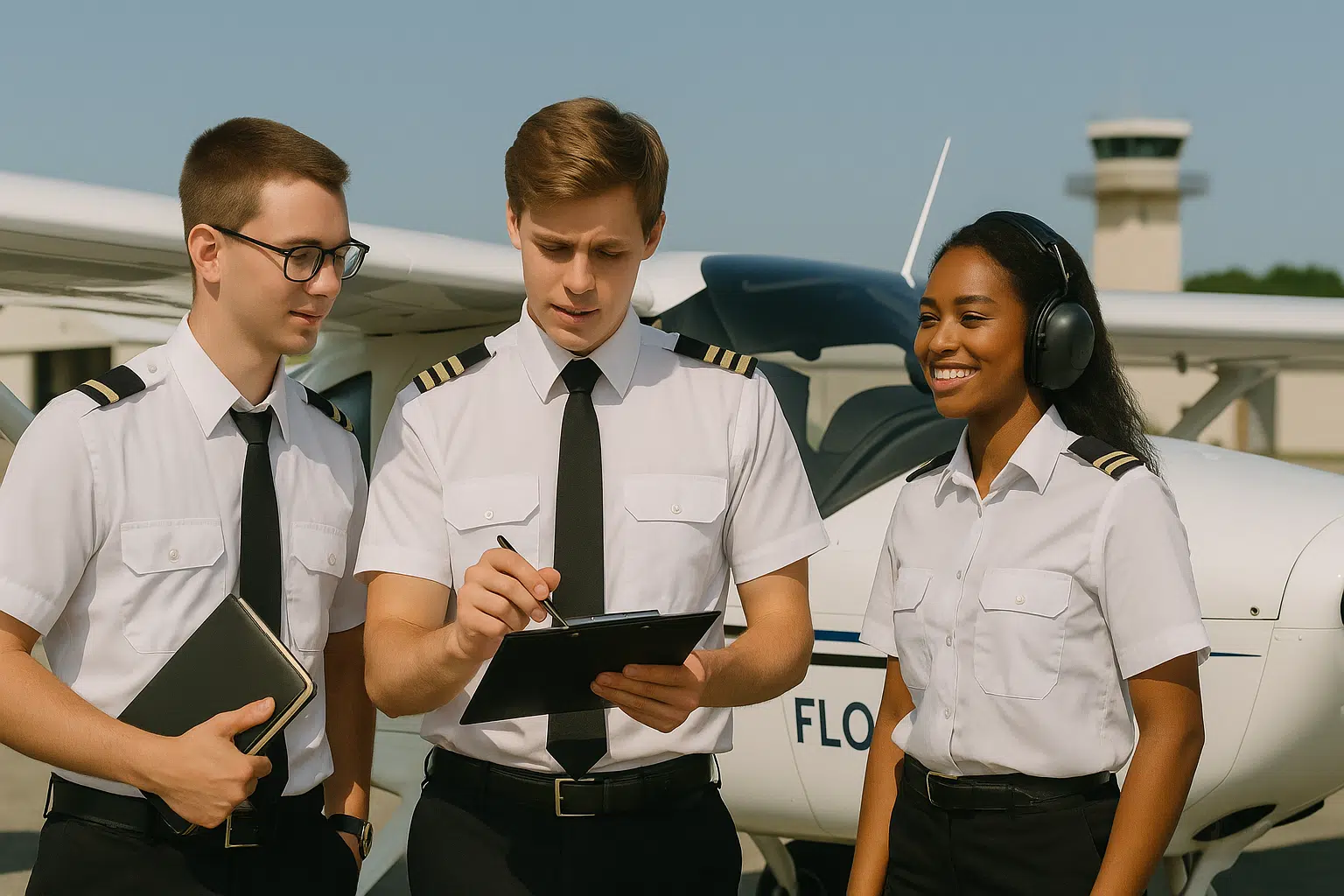

Pilot training in the USA is one of the most recognized pathways in aviation. With world-class flight schools, modern aircraft, and structured programs, the U.S. remains the top destination for aspiring pilots. From the very first lesson in a single-engine trainer to advanced airline qualifications, every step is designed to meet strict FAA standards that prepare you for a global aviation career.
But pilot training is more than just flying hours. It involves ground school, simulators, checkrides, and a financial and time investment that must be carefully planned.
In this guide, you’ll learn exactly what pilot training in the USA involves, including costs, timelines, requirements, and career opportunities, so you can map out your journey with confidence.
What Are the Requirements to Become a Pilot in the USA?
Before you can begin pilot training in the USA, the FAA requires that every student pilot meets certain standards. These requirements ensure safety, readiness, and eligibility for advancing through each stage of training. Meeting them is the very first step in your journey to becoming a licensed pilot.
Basic Requirements:
- Age: At least 17 years for a Private Pilot License (PPL), 18 years for a Commercial Pilot License (CPL), and 23 years for an Airline Transport Pilot (ATP) Certificate.
- Medical fitness: Hold a valid FAA medical certificate (third-class minimum for student and private pilots, higher classes for commercial and airline pilots).
- English proficiency: Ability to read, write, speak, and understand English, required for international aviation communication.
- Education: While a college degree is not required for pilot training, most airlines prefer it for ATP-level candidates.
- Flight school enrollment: You must train under an FAA-approved Part 61 or Part 141 program to ensure structured learning and logbook verification.
These requirements create the foundation for a safe and successful pilot career. Once you meet them, you are eligible to begin your first lessons, log flight hours, and progress toward advanced certificates. For aspiring airline pilots, fulfilling these entry standards is not just about eligibility, it’s about preparing yourself for a demanding and highly rewarding profession.
How Much Does Pilot Training Cost in the USA?
Pilot training in the USA comes with significant expenses, but it’s also one of the most cost-effective pathways compared to many other countries. The total investment depends on the licenses you pursue, the type of school (Part 61 or Part 141), and the speed at which you complete your hours. Below is a detailed breakdown of the typical costs.
Estimated Pilot Training Costs in the USA
| License / Rating | Estimated Cost (USD) | What’s Included |
|---|---|---|
| Private Pilot License (PPL) | $12,000 – $18,000 | Aircraft rental, instructor fees, ground school, exam fees |
| Instrument Rating (IR) | $8,000 – $12,000 | Simulated/actual instrument hours, instructor time, exams |
| Commercial Pilot License (CPL) | $35,000 – $55,000 | Advanced flight training, PIC hours, ground school, exams |
| Multi-Engine Rating | $3,000 – $8,000 | Multi-engine aircraft rental, instruction, checkride fees |
| Certified Flight Instructor (CFI/CFII/MEI) | $5,000 – $10,000 each | Instructor training, ground prep, checkride |
| Airline Transport Pilot (ATP) | $5,000 – $8,000 | ATP-CTP course, simulator training, written & practical exams |
| Total Zero-to-Airline Career Path | $70,000 – $100,000+ | All training, exams, and flight hours required for airline employment |
Pilot Training Cost Comparison: USA vs. Other Countries
| Country / Region | Estimated Cost (USD) | Notes |
|---|---|---|
| United States | $70,000 – $100,000+ | Faster training due to flexible regulations, year-round flying weather |
| India | $45,000 – $75,000 | Lower base costs but often requires additional conversion training abroad |
| Europe (EASA) | $80,000 – $130,000+ | Stricter regulations, higher fuel & aircraft rental costs, longer training duration |
| Middle East | $90,000 – $120,000+ | Limited training schools, many students still train in the USA for cost savings |
| Australia | $70,000 – $110,000 | Strong training programs, but weather and availability can cause delays |
While the upfront investment can feel overwhelming, pilot training in the USA is considered one of the most efficient and rewarding routes worldwide. Many students finance their education through pilot loans, scholarships, or flight school financing options, making it more accessible.
Considering the high demand for airline pilots and competitive salaries that often start at $70,000+ annually and rise above $200,000 with experience, the training cost pays for itself within a few years of professional flying.
Compared to Europe or the Middle East, the USA can save students $20,000–$40,000 while providing the same, if not higher, training quality. For many aspiring pilots, this makes America the ideal choice for beginning their aviation career.
How Long Does It Take to Become an Airline Pilot in the USA?
The timeline to become an airline pilot in the USA depends on the type of training program, your commitment, and whether you study full-time or part-time. On average, most students complete their training within 2 to 5 years.
Breakdown of the Timeline:
- Private Pilot License (PPL): 3–6 months (if training full-time).
- Instrument Rating (IR): 2–4 months.
- Commercial Pilot License (CPL): 6–12 months.
- Certified Flight Instructor (CFI): 2–3 months.
- Airline Transport Pilot (ATP) minimum hours (1,500 hours): 1–2 years, usually by working as a CFI.
If you’re dedicated and train with an accelerated program, you could reach airline pilot eligibility in about 2 years. However, for most students balancing training with other commitments, it typically takes 3–5 years to meet the full FAA requirements.
How to Get Pilot Training in the USA?
Starting your pilot training in the USA may feel overwhelming, but breaking it into clear steps makes the process straightforward. Here’s exactly how to get started:
Research and Select a Flight School: Begin by comparing FAA-approved flight schools. Decide between Part 141 programs (structured, faster, and airline-focused) or Part 61 schools (flexible, suitable for part-time students).
Secure a Medical Certificate: Schedule a visit with an FAA-approved Aviation Medical Examiner (AME). At minimum, you’ll need a Class 3 medical certificate to start training, though it’s smart to aim for a Class 1 if you plan to fly professionally.
Apply for Student Pilot Certificate: Through the FAA’s IACRA system, you’ll apply for your student pilot certificate, which allows you to fly under instructor supervision.
Begin Private Pilot License (PPL) Training: Your journey starts with ground school (aviation theory) and flight lessons. You’ll need a minimum of 40 flight hours under Part 61 or 35 hours under Part 141.
Advance to Instrument and Commercial Ratings: After earning your PPL, move into instrument rating training, then a commercial license to fly for pay.
Build Flight Hours: Many students work as Certified Flight Instructors (CFIs) to log hours while getting paid to teach others.
Obtain the Airline Transport Pilot (ATP) Certificate: This is the final step, requiring at least 1,500 flight hours, making you eligible for airline pilot jobs.
Getting pilot training in the USA is a step-by-step journey — from choosing the right school and earning your first medical certificate to logging hours and eventually securing an ATP. By following these steps carefully, you set yourself on a direct path toward becoming a professional airline pilot.
What is the Fastest Way to Become a Pilot in the US?
The fastest way to become a pilot in the US is through a structured and intensive training program. Choosing a Part 141 flight school like Florida Flyers Flight Academy allows students to meet FAA requirements with fewer flight hours compared to Part 61 schools. By training full-time and flying consistently several times per week, progress is much quicker than part-time training.
Florida Flyers also offer accelerated programs where students can complete their training from zero experience to commercial pilot in as little as 9–12 months. Flight simulators play an important role in reducing delays caused by weather and provide additional practice for instrument and procedural skills. With commitment and consistent effort, motivated students can move from beginner to commercial pilot in under a year.
What Qualifications Are Required to Become an Airline Pilot?
To begin pilot training in the USA, students must first meet specific educational, licensing, and practical experience qualifications. These standards ensure that future airline pilots develop the knowledge and skills needed to operate safely and meet FAA requirements. From the earliest lessons, every step of pilot training in the USA builds toward meeting these benchmarks.
Key qualifications include:
- A high school diploma or equivalent (though many airlines prefer a college degree).
- A Commercial Pilot License (CPL) with an Instrument Rating (IR).
- A First-Class FAA Medical Certificate to confirm medical fitness.
- At least 1,500 flight hours for the Airline Transport Pilot (ATP) certificate, unless applying through the Restricted ATP pathway.
- Strong English language proficiency for global communication in aviation.
These qualifications form the backbone of pilot training in the USA, ensuring every pilot meets both FAA regulations and industry expectations. By completing them, aspiring aviators demonstrate technical skill, responsibility, and readiness for an airline career. Meeting these requirements is the turning point where students transition from basic pilot training in the USA to professional airline opportunities.
What is the Salary of a Pilot in Airlines?
One of the biggest motivators for beginning pilot training in the USA is the strong earning potential of airline pilots. Salaries vary depending on experience, airline type, and aircraft flown, but the career path offers steady growth and long-term rewards.
Here’s a breakdown of typical airline pilot salaries:
| Airline Pilot Career Stage | Average Annual Salary (USD) | Notes |
|---|---|---|
| Regional Airline First Officer | $50,000 – $80,000 | Entry-level after completing pilot training in the USA |
| Regional Airline Captain | $80,000 – $120,000 | Promotion after building experience and hours |
| Major Airline First Officer | $90,000 – $150,000 | Larger aircraft, more responsibility |
| Major Airline Captain | $180,000 – $250,000+ | Top salary range for senior pilots |
| International Captain | $250,000+ | Long-haul flights with global carriers |
As this table shows, completing pilot training in the USA not only opens the door to a career in aviation but also provides a clear path to higher salaries as experience builds. Beyond pay, pilots also benefit from perks like travel privileges, retirement plans, and health coverage, making this one of the most rewarding professions in the world.
How Many Hours Do Airline Pilots Work?
A common question for students beginning pilot training in the USA is how many hours airline pilots actually work once they graduate and join the airlines. Pilot schedules are unique compared to traditional jobs, with strict FAA duty limits to ensure safety.
Here’s a breakdown of typical work hours for airline pilots:
| Pilot Role | Monthly Flight Hours | Total Duty Hours (including prep & standby) | Notes |
|---|---|---|---|
| Regional Airline First Officer | 70 – 80 hrs | 120 – 140 hrs | Often involves shorter routes with multiple daily legs |
| Regional Airline Captain | 70 – 85 hrs | 120 – 150 hrs | More responsibilities, occasional overnights |
| Major Airline First Officer | 75 – 85 hrs | 130 – 160 hrs | Mix of domestic and international schedules |
| Major Airline Captain | 75 – 85 hrs | 140 – 170 hrs | Seniority often allows better routes and flexibility |
| International Long-Haul Captain | 70 – 80 hrs | 120 – 150 hrs | Fewer flights per month but longer trips with rest days |
The FAA limits pilots to 100 flight hours per month and 1,000 per year, but duty time (briefings, delays, and layovers) can add significantly more hours to their work month. While schedules can be demanding, completing pilot training in the USA sets students up for a career with balance—pilots also enjoy extended time off between flights, especially at major airlines.
Conclusion – Is Pilot Training in the USA Worth It?
For many aspiring aviators, investing in pilot training in the USA is one of the best career decisions they will ever make. The country offers world-class flight schools, experienced instructors, and training programs that meet the highest FAA standards. Students not only benefit from advanced aircraft and technology but also from diverse flying conditions that prepare them for real-world airline operations.
While pilot training in the USA requires commitment, time, and financial resources, the return is a rewarding career that provides both personal fulfillment and excellent earning potential. From regional carriers to major international airlines, graduates of U.S. programs are respected and in high demand across the globe.
Ultimately, if you are determined, disciplined, and passionate about aviation, choosing pilot training in the USA is a worthwhile investment that opens the door to a successful and lasting airline career.
Start Your Journey with Florida Flyers Flight Academy. Ready to begin your pilot training in the USA? Join Florida Flyers Flight Academy today and take the first step toward becoming a professional airline pilot.
FAQs: Pilot Training in the USA
How do I start flight training in the USA?
Most pilots begin with a discovery flight at a local school. This short session helps you decide if flying feels right. Afterward, you apply for a student pilot certificate, pass a medical exam, and enroll in a training program.
What are the main steps to become a pilot in the USA?
The first step is getting a student pilot certificate and a medical exam. Next, you complete ground school to learn aviation theory and rules. You then log flight hours with an instructor and pass the FAA written exam. The final stage is the checkride, which includes an oral test and a flight test with an examiner.
What types of pilot licenses are available in the USA?
The FAA issues several licenses for different goals. A student pilot certificate is the starting point and allows solo practice. Sport and recreational licenses are limited but useful for hobby flying.
The Private Pilot License is the most common option. If you want to earn money, you need a Commercial Pilot License. The highest level is the Airline Transport Pilot license, which is required for airline jobs.
How long does pilot training take in the USA?
Training time depends on the program and schedule. At a Part 61 school, a Private Pilot License usually takes three to six months. Accelerated career programs can take about a year to reach a commercial license. Most pilots then spend another year or more building flight hours before applying to airlines. Overall, it takes two to three years to become airline-ready.
How much does it cost to become a pilot in the USA?
Costs vary by license type and school. A Private Pilot License usually costs between $10,000 and $18,000. Full career programs that prepare you for airline jobs can cost $80,000 to $120,000. For international students, training often ranges from $40,000 to $65,000.
How many flight hours are required for an Airline Transport Pilot (ATP) license?
The ATP license requires at least 1,500 total hours. This includes 500 hours of cross-country time, 100 hours at night, and 75 hours of instrument flying. You must also be at least 23 years old, hold an instrument rating, and pass both written and flight exams.
Contact the Florida Flyers Flight Academy Team today at (904) 209-3510 to learn more about how to transfer flight schools.