Airline Pilot Career Information

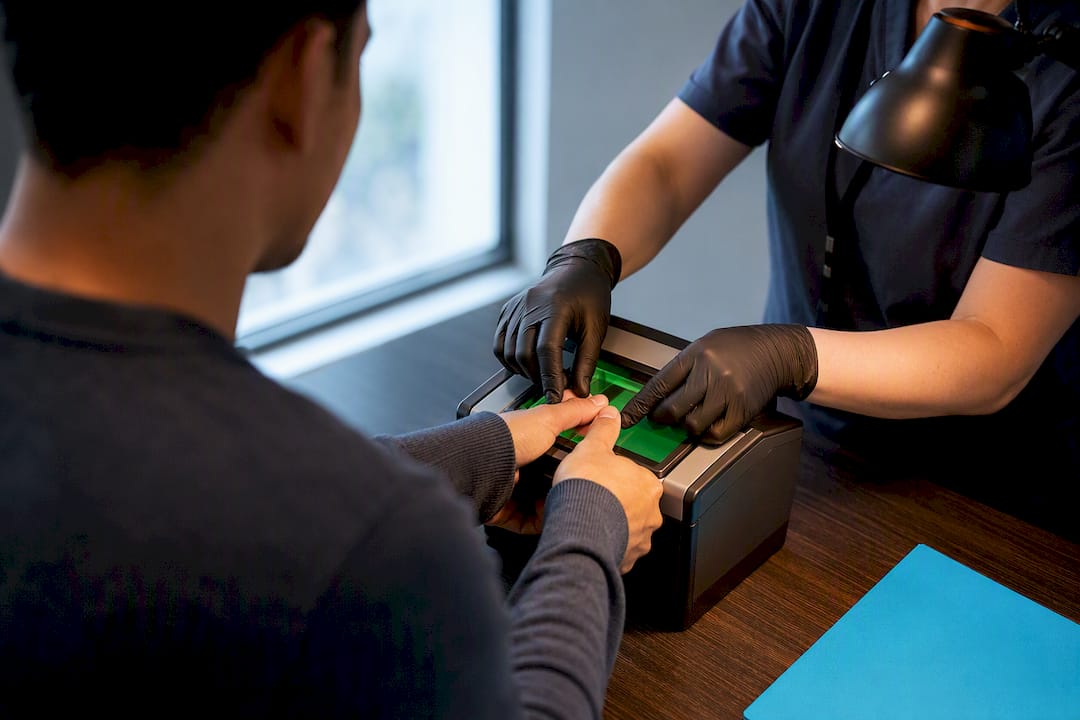
If you are not a U.S. citizen and plan to start FAA-regulated flight training in the United States, you must complete the TSA Flight Training Security Program Security Threat Assessment and fingerprinting before training begins. You apply and track that assessment through the FTSP portal, and once approved, your Determination of Eligibility is generally portable for a multi-year period. Skipping or rushing this step is the single most common reason international students lose weeks of runway before they ever touch a control yoke.
TL;DR:
- International students must complete TSA fingerprinting and Security Threat Assessment through the FTSP portal before starting flight training, with delays often caused by data mismatches or missing fingerprint submissions.
- The process involves creating an account, matching passport info precisely, paying fees through Pay.gov, and sharing your eligibility status with your flight school, which must verify your active determination before scheduling instructions.
- Official fingerprint instructions are required, and missing the second fingerprint set or submitting prints early can cause delays of several weeks, making early planning essential.
- TSA’s final rule grants a five-year validity for your Determination of Eligibility, making timely application and accurate data management critical to avoid recurring delays with subsequent ratings or certificates.
- Flight schools with coordinated support for paperwork, travel, and visa issues help prevent administrative delays that could push back training commencement, especially for accelerated programs.
The Flight Training Security Program exists because federal law treats flight instruction for non-citizens as a security concern, not just an administrative formality. The TSA’s final rule, published May 1, 2024, updated how the agency vets candidates and replaced the older event-by-event review process with a broader, longer-lasting clearance.
You are a “candidate” under this rule if you are not a U.S. citizen or U.S. national. There is one narrow carve-out: Department of Defense endorsees follow a separate track and do not need an FTSP Security Threat Assessment. Almost every other international student does.
The rule covers more than first-time private pilot training. It applies to initial certifications, instrument ratings, multi-engine add-ons, aircraft type ratings, and qualifying recurrent training events. If you are progressing through multiple certificates and ratings on your way toward a commercial or ATP credential, you will encounter FTSP requirements more than once, though your Determination of Eligibility may apply across multiple milestones once it is issued.
Start at Fts, the FTSP’s official portal and the only place to open a candidate application. Trying to shortcut this through a fingerprinting vendor or a flight school’s paperwork will not work. The portal is where TSA collects your biographic data, tracks your Security Threat Assessment, and eventually issues your Determination of Eligibility.
The process generally runs in this order:
A few details trip up first-time applicants:
You must wait for TSA to send official fingerprint instructions before getting fingerprinted. Submitting prints early, through a random law enforcement office or a fingerprinting vendor you found on your own, risks having those prints rejected outright.
Once your instructions arrive, you have three authorized paths for collection:
Bring a printed copy of your fingerprint instruction email. Bring your passport, your U.S. visa, and, if applicable, a Permanent Resident Card or Employment Authorization Document. Every identity document needs to match the data you entered on the FTSP portal exactly.
TSA requires two separate fingerprint submissions, not one. Missing the second set is one of the most common reasons applications stall for weeks. Confirm with your collection site that both sets were captured and transmitted before you leave.
Pro Tip: Photograph or scan every document you bring to your fingerprint appointment before you go. If a mismatch surfaces later, you will have a record of exactly what you presented and when.
TSA generally targets a 30-day window to complete a Security Threat Assessment once your application and fingerprints are fully submitted, though delays happen when documents do not match or a second print set is missing.
Under the 2024 final rule, TSA replaced its old per-event review model with a five-year Determination of Eligibility, meaning a single approved assessment can carry you through multiple certificates and ratings instead of restarting the clock every time you enroll in new training, according to the Federal Register final rule.
Fees are paid through Pay.gov, tied to your training request submission. That five-year window is not unconditional. A Determination can be shortened or revoked if your immigration status expires, if you are convicted of a disqualifying offense, or if new information raises a security concern. Keeping your visa documentation current inside your FTSP account matters just as much as the initial application.
Your flight school carries its own compliance obligations under the FTSP rule, and understanding them helps you see why providers ask the questions they do.
You share your Determination of Eligibility with one or more providers directly through the portal. A provider that skips this verification step is not following the rule, and that exposes both you and the school to compliance risk.
Most FTSP delays trace back to the same handful of mistakes. Mismatched names or document numbers between the portal and your fingerprint appointment top the list, followed closely by missing the second fingerprint submission. Submitting prints before receiving official instructions and failing to update the portal after a visa change round out the usual suspects.
Run through this before and after your fingerprint appointment:
Pro Tip: Start your FTSP application at least 60 days before your scheduled training start date. That buffer absorbs the delays a mismatched middle name or a missed fingerprint set will otherwise cost you.
Most international students are not immigration specialists, and they should not have to become one just to start flight training. A school that has processed hundreds of international enrollments can walk you through FTSP account setup, flag document mismatches before they cause a rejection, and point you toward a reliable fingerprint collection site near your arrival city.
Reach out to your chosen school before you finalize travel plans. Pre-arrival guidance is far more useful than troubleshooting after you have already landed.
International students juggling visa paperwork, fingerprint logistics, and flight training enrollment at the same time often lose more momentum to administrative confusion than to anything happening in the cockpit. Some flight schools work with international candidates through steps such as FTSP account setup guidance, document checklists, M-1 visa support, and scheduling once a student’s Determination of Eligibility clears.

That kind of coordinated support matters most in the weeks before training starts, when a single mismatched document can push your start date back by a month. Certain accelerated commercial pilot programs are built around a defined timeline. Once FTSP clearance is active, training can begin without additional unrelated delays. If you are planning a training start date in the next several months, explore Flightschoolusa’s flight training programs and get in touch about your specific visa and FTSP timeline before you book travel.
Most guidance treats TSA fingerprinting as a checkbox buried somewhere in the enrollment paperwork. That framing undersells how much leverage the timeline actually has over your entire training plan. A Determination of Eligibility that takes an extra three weeks because of one mismatched middle name is not a paperwork inconvenience. It is a direct hit to your training slot, your aircraft reservations, and potentially your visa timeline if you are managing an M-1 status window at the same time.

The five-year portability TSA built into the 2024 final rule is a real improvement over the old event-based model, and international students should treat it as an asset worth protecting. Once you have a valid Determination, the smartest move is keeping your portal information airtight, not filing it away and forgetting it exists. Immigration status changes, name corrections, and even a new passport number can all reopen questions TSA already answered once.
Flight schools that treat FTSP support as an afterthought are doing their international students a disservice. The paperwork is not separate from the training. It is the gate the training sits behind.
— Rainer
Create an account at the FTSP portal, submit your biographic information, pay the processing fee through Pay.gov, and complete fingerprinting through an authorized provider once you receive official instructions.
Fees are paid directly through Pay.gov during your FTSP application; current fee amounts are listed on the official FTSP portal rather than fixed in this guide.
TSA generally targets around 30 days to complete a Security Threat Assessment once your application and both fingerprint sets are fully submitted, though document mismatches can extend that window.
Yes. TSA requires two separate fingerprint submissions collected through an authorized route, including TSA enrollment providers like IDEMIA or AirTera Trusted Agents, but only after you receive official fingerprint instructions.
Flightschoolusa assists international candidates with FTSP account setup guidance, document checklists, and M-1 visa support alongside its accelerated flight training programs.