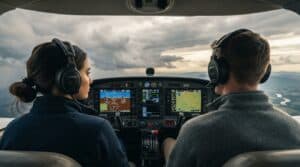
Becoming a pilot opens up a world of exciting opportunities and challenges, and Pilot Training in Peru presents a unique and rewarding path for aspiring aviators. With its stunning landscapes, from the towering Andes to the sprawling Amazon, Peru offers a diverse backdrop for flight training. Whether you’re interested in flying over historic sites or navigating the bustling airspace of Lima, Peru provides a range of training options designed to help you achieve your aviation careers.
This guide will walk you through everything you need to know about pilot training in Peru, including the essential steps to begin your journey, the requirements you’ll need to meet, and the opportunities that lie ahead. From understanding the training programs offered to navigating the certification process, this article will equip you with the knowledge to make informed decisions and start your career as a pilot in Peru.
Pilot Training in Peru offers a comprehensive and structured approach to developing the skills and knowledge required for a successful aviation career. The pilot training in Peru are designed to meet international standards while accommodating the unique needs of the local aviation market.
Training typically begins with foundational courses that cover essential aviation principles, including aerodynamics, navigation, and meteorology. Students then progress to more advanced training, which includes hands-on flight experience in various aircraft types. Peruvian flight schools often partner with experienced flight instructors and use state-of-the-art simulators to ensure that students receive high-quality, practical instruction.
The process of Pilot Training in Peru is regulated by the Dirección General de Aeronáutica Civil (DGAC), which ensures that all programs meet rigorous safety and operational standards. The DGAC’s oversight guarantees that training institutions adhere to international best practices, providing students with a solid foundation for obtaining their commercial pilot licenses or pursuing further specialization. This structured approach ensures that graduates are well-prepared to enter the competitive aviation industry and excel in their careers.
Pilot Training in Peru involves meeting specific requirements to ensure candidates are well-prepared for their aviation career. Here’s a breakdown of the essential prerequisites:
Educational Background: Candidates typically need to have completed secondary education, including a high school diploma or equivalent. Some flight schools may have additional academic requirements or prefer candidates with a background in science or mathematics.
Medical Certification: A valid Class 1 or Class 2 medical certificate is required to ensure that candidates meet the health and fitness standards necessary for piloting an aircraft. This involves a comprehensive medical examination by an authorized aviation medical examiner.
Language Proficiency: Proficiency in English is crucial as it is the international language of aviation. Candidates must demonstrate their ability to read, write, and speak English fluently to ensure effective communication during training and in professional aviation environments.
Age Requirements: Most flight schools in Peru require candidates to be at least 18 years old to begin their pilot training. Some programs may have additional age-related criteria for specific licenses or certifications.
Financial Considerations: Pilot training can be a significant financial investment. Candidates should be prepared for the costs associated with flight school tuition, equipment, and other expenses. Many institutions offer financing options or scholarships to assist with the financial burden.
Meeting these requirements is crucial for starting a successful career in aviation through Pilot Training in Peru. Prospective students should carefully review each criterion and ensure they fulfill all prerequisites before enrolling in a training program.
Pilot Training in Peru is facilitated through a range of flight schools that offer comprehensive programs designed to equip aspiring pilots with the necessary skills and qualifications. Understanding the basics of these flight schools will help you make an informed decision about your training path.
Flight schools in Peru provide various training programs, from private pilot licenses to advanced commercial and airline transport pilot certifications. These institutions are typically accredited by the Dirección General de Aeronáutica Civil (DGAC) and adhere to stringent safety and educational standards.
Training programs generally include both ground school and flight instruction. Ground school covers theoretical knowledge such as aerodynamics, navigation, regulations, and meteorology, while flight instruction involves hands-on training in actual aircraft. Schools often use modern aircraft simulators to enhance the learning experience and prepare students for real-world flying conditions.
When selecting a flight school, consider factors such as the school’s reputation, the experience of its instructors, and the quality of its training facilities. Many schools offer introductory flights or tours to help prospective students assess the environment and the equipment available. Additionally, reviewing student testimonials and success rates can provide valuable insights into the effectiveness of the training programs.
Choosing the right flight school is a critical step in your Pilot Training in Peru journey. Ensure that the institution you select aligns with your career goals, provides a comprehensive training curriculum, and offers robust support to help you achieve your aviation aspirations.
The Ministry of Transport and Communications (MTC) and the Dirección General de Aeronáutica Civil (DGAC) play a crucial role in overseeing and regulating aviation training standards to ensure safety and quality within the industry.
The MTC, through its DGAC division, is responsible for setting the regulatory framework for all aspects of civil aviation, including pilot training. This involves establishing and enforcing standards that flight schools must adhere to, such as curriculum requirements, instructor qualifications, and safety protocols. By maintaining these standards, the MTC/DGAC ensures that all training programs are consistent with international aviation regulations and best practices.
Additionally, the DGAC is tasked with certifying both flight schools and individual pilots. This certification process involves rigorous evaluations to verify that training institutions provide high-quality education and that pilots meet the necessary competencies for their licenses. The DGAC also conducts regular inspections and audits to ensure ongoing compliance with regulatory standards.
For aspiring pilots, the MTC/DGAC provides essential resources and guidance throughout the training process. This includes information on certification requirements, application procedures, and updates on regulatory changes. By actively overseeing the pilot training ecosystem, the MTC/DGAC helps maintain a safe and professional aviation environment in Peru.
Understanding the role of the MTC/DGAC is fundamental for anyone embarking on Pilot Training in Peru. Their involvement guarantees that training programs meet stringent safety and educational standards, paving the way for a successful aviation career.
Enrolling in a flight school in Peru involves several important steps to ensure you meet all the requirements and are prepared for a successful training experience. Follow these steps to get started on your journey to becoming a pilot:
Research Flight Schools: Begin by researching accredited flight schools in Peru. Look for schools that are certified by the Dirección General de Aeronáutica Civil (DGAC) and offer the type of training you need, whether it’s a private pilot license, commercial license, or other specialized certifications. Evaluate the schools based on their reputation, facilities, instructor qualifications, and training programs.
Meet Eligibility Requirements: Ensure you meet the eligibility criteria set by the flight schools and the DGAC. This typically includes having a secondary education diploma, a valid medical certificate, and proficiency in English. Review each school’s specific requirements to confirm you qualify before applying.
Submit an Application: Once you’ve selected a flight school, complete and submit the application form. This usually involves providing personal information, educational background, and proof of meeting eligibility requirements. Some schools may also require a personal statement or an interview as part of the application process.
Attend an Introductory Flight: Many flight schools offer an introductory flight or a tour of their facilities. This provides you with an opportunity to experience a flight firsthand, meet instructors, and assess the school’s environment. It’s a valuable step to ensure you’re comfortable with your choice of school.
Enroll and Pay Tuition: After being accepted, you’ll need to enroll formally and pay the tuition fees. Flight training can be a significant investment, so be prepared for the costs associated with the program. Check if the school offers payment plans or financial aid options.
Complete Pre-Training Requirements: Before starting your training, you may need to complete additional requirements such as medical exams or background checks. Ensure you fulfill all pre-training obligations to begin your coursework and flight instruction without delays.
Start Training: With all the administrative steps completed, you can begin your pilot training. Your program will include ground school lessons and practical flight instruction. Engage fully in both aspects to gain the comprehensive skills needed for a successful aviation career.
Following these steps will help you navigate the process of enrolling in a flight school for Pilot Training in Peru and set you on the path to achieving your aviation goals.
Pilot training in Peru follows a structured curriculum designed to equip students with the knowledge, skills, and experience necessary to become competent aviators. The training typically consists of the following phases:
Ground School: This phase focuses on theoretical instruction, covering subjects such as aerodynamics, meteorology, navigation, air traffic control procedures, and aviation regulations.
Flight Training: During this phase, students receive hands-on flight instruction under the guidance of experienced instructors. They will learn various maneuvers, takeoff and landing techniques, and emergency procedures.
Simulator Training: Flight simulators are used to enhance training and provide students with exposure to various flight scenarios, including instrument flight and emergency situations.
Cross-Country Flights: As part of the training, students will undertake cross-country flights to gain experience in navigation, flight planning, and decision-making.
Examinations and Checkrides: Upon completing the required training hours and meeting the necessary standards, students will undergo written, oral, and practical examinations administered by the DGAC to obtain their pilot licenses.
Pilot Training in Peru provides a pathway to various types of pilot licenses, each tailored to different career goals and levels of expertise. Understanding the types of licenses available will help you choose the right training program to meet your aspirations. Here are the primary pilot licenses offered in Peru:
Private Pilot License (PPL): The Private Pilot License is the foundational license for those interested in flying for personal enjoyment or as a hobby. It allows you to operate single-engine aircraft under visual flight rules (VFR). PPL holders can fly passengers and carry cargo, but cannot receive compensation for their services. This license requires a minimum number of flight hours, ground school training, and a successful written and practical exam.
Commercial Pilot License (CPL): For those aiming to pursue a career in aviation, the Commercial Pilot License is essential. It enables you to operate aircraft for compensation or hire. The CPL requires more advanced training and a higher number of flight hours compared to the PPL. Candidates must complete rigorous ground school and flight training, and pass both a written and practical exam.
Airline Transport Pilot License (ATPL): The Airline Transport Pilot License is the highest level of pilot certification and is required for those seeking to become airline captains or work for major airlines. The ATPL involves extensive training, including advanced navigation, flight management, and leadership skills. Candidates must accumulate significant flight hours, complete advanced coursework, and pass a series of challenging exams.
Instrument Rating (IR): The Instrument Rating is an additional qualification that allows pilots to operate aircraft under instrument flight rules (IFR). This rating is crucial for flying in low visibility conditions and is often required for commercial and airline pilots. It involves specialized training in flying solely by reference to instruments and navigating using electronic systems.
Multi-Engine Rating (ME): For those interested in flying larger aircraft with more than one engine, the Multi-Engine Rating is necessary. This rating provides training on the complexities of operating multi-engine aircraft, including handling engine failures and managing performance. It is often pursued by those aiming for commercial aviation careers.
Type Ratings: Type Ratings are specific certifications required to operate certain types of aircraft, especially complex or high-performance models. Each type rating focuses on the unique systems and operations of a particular aircraft, ensuring pilots are proficient in handling various aircraft types.
Each of these licenses and ratings serves different career objectives and operational needs within Pilot Training in Peru. Selecting the appropriate license based on your career goals will help you tailor your training and achieve your aviation aspirations effectively.
The cost of pilot training in Peru can vary depending on the type of license, the flight school, and the duration of the program. On average, the costs for various licenses are as follows:
It’s important to note that these costs may include tuition fees, aircraft rental, instructional materials, examinations, and other associated expenses. Many flight schools offer flexible payment plans or financing options to help students manage the costs.
To make pilot training more accessible, several organizations and institutions in Peru offer scholarships and financial aid opportunities:
It’s advisable to research and apply for these financial aid opportunities early in the process to alleviate the financial burden of pilot training.
Completing Pilot Training in Peru opens up a range of exciting career opportunities in the aviation industry. The demand for skilled pilots continues to grow, offering diverse pathways for career advancement. Here are some of the key career opportunities available to pilots trained in Peru:
Commercial Airline Pilot: One of the most sought-after careers for trained pilots is working with commercial airlines. Airline pilots operate passenger flights, ensuring safe and efficient travel for thousands of passengers. This role typically requires a Commercial Pilot License (CPL) and, often, an Airline Transport Pilot License (ATPL) for advanced positions. Pilots can work for domestic airlines or international carriers based in Peru.
Charter and Private Jet Pilot: Charter and private jet pilots operate aircraft for private individuals or companies, offering flexible travel options tailored to clients’ needs. This role involves flying smaller, often high-performance aircraft and requires excellent customer service skills. Private jet pilots may work for charter companies or directly for private clients, providing a high level of personalized service.
Cargo and Freight Pilot: Cargo pilots are responsible for transporting goods and freight rather than passengers. This role is crucial for logistics and supply chain operations, and it often involves flying larger aircraft or specialized cargo planes. Pilots in this field may work for cargo airlines or logistics companies, both within Peru and internationally.
Flight Instructor: Becoming a flight instructor is a rewarding career path for experienced pilots who enjoy teaching and mentoring others. Flight instructors train new pilots, helping them develop the skills and knowledge needed to obtain various licenses and ratings. This role requires strong communication skills and a passion for aviation education.
Agricultural Aviation Pilot: Agricultural aviation pilots specialize in flying aircraft used for crop dusting, aerial seeding, and other agricultural applications. This niche field requires specialized training in operating aircraft for agricultural purposes and is essential for supporting farming operations.
Corporate Pilot: Corporate pilots fly company executives and employees on private business flights. This role often involves flying high-performance jets and provides an opportunity to work closely with business clients. Corporate pilots may be employed by large corporations or work for private aviation companies.
Aerial Survey and Photography Pilot: Pilots in this field conduct aerial surveys and capture photographs for various purposes, including mapping, environmental monitoring, and real estate. This role requires expertise in flying precise routes and handling specialized equipment on board.
Search and Rescue Pilot: Search and rescue pilots play a critical role in emergency response operations. They assist in locating and rescuing individuals in distress, often working in challenging conditions. This career requires strong flying skills and the ability to operate in various weather conditions.
Each of these career opportunities within Pilot Training in Peru offers unique challenges and rewards, allowing pilots to choose a path that aligns with their interests and career goals. As the aviation industry continues to evolve, trained pilots will find a wealth of opportunities to advance their careers and make a significant impact in their field.
Pursuing a career as a pilot requires dedication, perseverance, and a commitment to excellence. To maximize your chances of success in pilot training in Peru, consider the following tips:
Develop a Strong Foundation: Invest time in mastering the fundamentals of aviation, including aerodynamics, navigation, and meteorology.
Practice Consistently: Consistent practice and repetition are key to developing proficient flying skills. Utilize flight simulators and seek opportunities for additional flight time.
Cultivate Discipline and Time Management: Pilot training demands a high level of discipline and effective time management skills to balance theoretical and practical components.
Seek Mentorship: Connect with experienced pilots or instructors who can provide guidance, advice, and insights into the industry.
Maintain Physical and Mental Fitness: Aviation requires pilots to be in optimal physical and mental condition. Prioritize exercise, healthy habits, and stress management techniques.
Stay Up-to-Date with Regulations and Technologies: The aviation industry is constantly evolving, so it’s crucial to stay informed about regulatory changes, technological advancements, and industry trends.
Pursuing pilot training in Peru offers a unique and rewarding opportunity to embark on an exhilarating aviation journey. With its world-class flight schools, rigorous training programs, and a supportive regulatory environment, Peru provides an ideal platform for aspiring pilots to soar to new heights.
By following the steps outlined in this guide, understanding the requirements, and embracing a commitment to excellence, you can navigate the path to becoming a licensed pilot in Peru. Whether your aspirations lie in commercial aviation, corporate operations, or personal pursuits, the skills and experiences gained through pilot training in Peru will equip you with the tools to conquer the skies and embark on an extraordinary career.
If you’re ready to take the first step towards your dream of becoming a pilot, Florida Flyers Flight Academy invite you to explore our comprehensive pilot training programs in Peru for international students. Our experienced instructors and state-of-the-art facilities provide the perfect environment for you to soar to new heights. Don’t let your dreams remain grounded.
Contact the Florida Flyers Flight Academy Team today at (904) 209-3510 to learn more about the Private Pilot Ground School Course.