
Nestled amidst the towering Andes mountains and the vast Pacific Ocean, Chile offers a unique and captivating environment for aspiring pilots to embark on their journey towards the skies. With its diverse landscapes, ranging from arid deserts to pristine glaciers, this South American nation provides an unparalleled setting for flight training. Whether you’re a Chilean native or an international student seeking an extraordinary aviation experience, understanding the intricacies of pilot training in Chile is essential to achieving your dreams of soaring through the clouds.
In this comprehensive guide, we will unveil the steps to the aircraft cockpit, equipping you with the knowledge and insights necessary to navigate the Chilean aviation landscape successfully. From grasping the regulatory framework to selecting the right flight school, accumulating flight hours, and obtaining your coveted pilot’s license, we’ll cover every aspect of the process. Fasten your seatbelts and get ready to embark on an exhilarating journey towards becoming a skilled and confident pilot in the skies of Chile.
Before delving into the practical aspects of pilot training in Chile, it’s crucial to comprehend the regulatory framework governing aviation in Chile. The Dirección General de Aeronáutica Civil (DGAC), or the Chilean Civil Aviation Authority, is the governing body responsible for overseeing all aspects of civil aviation within the country.
DGAC’s Role in Pilot Training: The DGAC establishes and enforces regulations related to pilot training, licensing, and certification. These regulations ensure that aspiring pilots receive comprehensive and standardized training, meeting international aviation safety standard.
Licensing Requirements: To obtain a pilot’s license in Chile, candidates must meet specific requirements set forth by the DGAC. These include age limits, medical fitness, educational qualifications, and successful completion of theoretical and practical training programs.
Approved Training Organizations (ATOs): The DGAC approves and oversees flight schools and training organizations that provide pilot training programs. These ATOs must adhere to strict guidelines and maintain compliance with DGAC regulations to ensure the quality of instruction and safety standards.
By understanding the DGAC’s role and regulations, aspiring pilots can navigate the Chilean aviation landscape with confidence, knowing that their training adheres to the highest standards of safety and professionalism.
Selecting the right flight school is the first step towards realizing your dreams of becoming a pilot in Chile. With numerous options available, it’s essential to conduct thorough research and evaluate factors such as reputation, curriculum, instructors, and facilities.
Researching Flight Schools: Start by compiling a list of DGAC-approved flight schools in Chile. Consider their locations, proximity to major airports, and accessibility. Explore their websites, read reviews, and attend open houses or information sessions to gain insights into their programs and facilities.
Evaluating Curriculum and Instructors: Assess the quality of the curriculum offered by each flight school. Ensure that their programs align with DGAC requirements and provide comprehensive theoretical and practical training. Additionally, inquire about the qualifications and experience of their instructors, as they play a pivotal role in shaping your skills as a pilot.
Facilities and Fleet: Visit the flight schools to evaluate their facilities, including classrooms, simulators, and hangars. Inspect the condition of their aircraft fleet and ensure they have modern, well-maintained training aircraft suitable for your desired pilot certification.
By carefully evaluating and selecting the right flight school, you’ll lay a solid foundation for your pilot training journey, ensuring a high-quality education and a rewarding learning experience.
Ground school is a crucial component of pilot training, providing aspiring pilots with the theoretical knowledge and understanding necessary for safe and efficient flight operations. In Chile, ground school is a mandatory requirement before progressing to practical flight training.
Theoretical Instruction: Ground school covers a wide range of subjects, including aerodynamics, meteorology, navigation, air traffic control procedures, aircraft systems, and regulations. Experienced instructors deliver lectures, presentations, and interactive sessions to ensure a comprehensive understanding of these topics.
Classroom Environment: Flight schools in Chile offer ground school classes in modern, well-equipped classrooms, often equipped with audiovisual aids and interactive learning tools. This conducive learning environment facilitates effective knowledge acquisition and retention.
Examination Preparation: Ground school also focuses on preparing students for the written examinations required by the DGAC. Instructors provide guidance, practice tests, and study materials to help students develop a thorough understanding of the subject matter and enhance their chances of success on the exams.
Successful completion of ground school is a prerequisite for advancing to the practical flight training phase. By mastering the theoretical foundations, aspiring pilots in Chile gain the confidence and knowledge necessary to transition seamlessly into the cockpit.
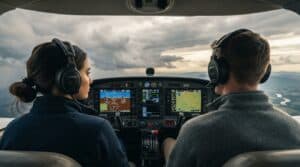
After completing ground school, aspiring pilots embark on the exhilarating phase of practical pilot training in Chile. This hands-on experience is crucial for developing the skills and confidence necessary to become a competent and proficient pilot.
Dual Instruction: Practical pilot training in Chile begins with dual instruction, where students fly alongside experienced and certified flight instructors. These instructors provide guidance, demonstrate maneuvers, and closely monitor the student’s progress, ensuring a safe and structured learning environment.
Flight Training Syllabus: Pilot training in Chile follow a comprehensive flight training syllabus approved by the DGAC. This syllabus covers various maneuvers, such as takeoffs and landings, stalls, emergency procedures, and cross-country navigation, gradually increasing in complexity as students progress.
Solo Flights: Once students demonstrate proficiency in handling the aircraft and executing maneuvers, they are allowed to conduct solo flights under the supervision of their flight instructors. These solo flights are a significant milestone in a pilot’s training, fostering confidence, decision-making skills, and a sense of independence in the cockpit.
Throughout the practical flight training phase, instructors provide continuous feedback, evaluations, and guidance to ensure students develop the necessary skills and meet the DGAC’s standards for pilot certification.
To obtain a pilot’s license in Chile, aspiring pilots must successfully pass a series of examinations administered by the DGAC. These examinations assess the theoretical knowledge and practical skills acquired during the training process.
Written Examinations: Students must pass written examinations covering subjects such as aerodynamics, meteorology, navigation, air traffic control procedures, and regulations. These exams test the depth and breadth of the theoretical knowledge gained during ground school.
Practical Examinations: In addition to written exams, aspiring pilots must undergo practical examinations to demonstrate their proficiency in handling the aircraft and executing various maneuvers. These exams are conducted by DGAC-approved examiners and involve both oral and flight components.
Preparation and Practice: Flight schools in Chile provide comprehensive preparation materials and mock exams to help students effectively prepare for these crucial examinations. Instructors also conduct practice sessions and offer guidance to ensure students are fully equipped to showcase their knowledge and skills during the examinations.
Passing these examinations is a testament to the hard work, dedication, and proficiency of aspiring pilots in Chile. Successful completion of these assessments is a significant milestone on the path to obtaining a pilot’s license and pursuing a career in aviation.
While obtaining a pilot’s license is a significant achievement, aspiring pilots in Chile must also accumulate a substantial number of flight hours to gain experience and enhance their skills. This step is crucial for career advancement and meeting the requirements for various pilot positions.
Building Flight Time: After obtaining their initial pilot’s license, many aspiring pilots in Chile seek opportunities to accumulate flight hours. This can be achieved through various means, such as joining flight clubs, participating in aerial tours, or working as flight instructors or charter pilots.
Cross-Country Flights: One effective way to accumulate flight hours is by undertaking cross-country flights. These flights not only increase the pilot’s total flight time but also expose them to different weather conditions, terrains, and air traffic control environments, enhancing their overall experience and skills.
Advanced Ratings and Certifications: As pilots gain more flight hours, they may pursue advanced ratings and certifications, such as instrument ratings, multi-engine ratings, or commercial pilot licenses. These additional qualifications open up new career opportunities and allow pilots to expand their skillset and expertise.
By consistently logging flight hours and gaining diverse experiences, aspiring pilots in Chile can enhance their competitiveness in the job market and position themselves for rewarding careers in various sectors of the aviation industry.
Obtaining a pilot’s license is the culmination of countless hours of dedication, hard work, and perseverance. In Chile, the DGAC is responsible for issuing pilot licenses to those who meet the required standards and successfully complete the necessary training and examinations.
License Categories: The DGAC offers various categories of pilot licenses, including Private Pilot License (PPL), Commercial Pilot License (CPL), and Airline Transport Pilot License (ATPL). Each license category has specific requirements in terms of flight hours, theoretical knowledge, and practical skills.
License Endorsements: Depending on the type of aircraft and operations, pilots may need to obtain additional endorsements or ratings on their licenses. These endorsements cover areas such as instrument flight rules (IFR), multi-engine operations, and specific aircraft types.
License Validity and Renewal: Pilot licenses in Chile have a specific validity period, and pilots must undergo periodic medical examinations and meet recency requirements to maintain their license’s validity. The DGAC also provides guidelines for license renewal and currency requirements to ensure pilots maintain their proficiency and adhere to safety standards.
Obtaining a pilot’s license is a significant milestone in the aviation journey, opening doors to exciting career opportunities and the freedom to explore the skies. By adhering to the DGAC’s regulations and demonstrating the necessary skills and knowledge, aspiring pilots in Chile can proudly hold this coveted document and embark on a rewarding career in aviation.
While obtaining a pilot’s license is a remarkable achievement, the journey of learning and skill development never truly ends for dedicated pilots. In Chile, aspiring aviators have the opportunity to pursue advanced training programs to further enhance their knowledge, skills, and career prospects.
Instrument Rating: Obtaining an instrument rating is a crucial step for many pilots, enabling them to operate aircraft under instrument flight rules (IFR) and in various weather conditions. This advanced training involves mastering the use of flight instruments, navigation systems, and procedures for operating in low-visibility conditions.
Multi-Engine Rating: For those interested in flying larger aircraft or pursuing commercial aviation careers, obtaining a multi-engine rating is essential. This training equips pilots with the skills and knowledge required to operate aircraft with multiple engines, including engine-out procedures, aircraft performance calculations, and crew resource management.
Type Ratings: As pilots progress in their careers, they may seek type ratings for specific aircraft models. These ratings involve extensive training on the systems, procedures, and handling characteristics of a particular aircraft type, ensuring pilots are fully qualified and proficient in operating that specific aircraft.
Airline and Military Training Programs: Many aspiring pilots in Chile aim to join the ranks of commercial airlines or the military aviation sector. These organizations often offer comprehensive training programs tailored to their specific operational requirements, covering areas such as crew resource management, high-altitude operations, and advanced aircraft systems.
By continuously investing in advanced training opportunities, pilots in Chile can stay ahead of the curve, expand their skillset, and position themselves for rewarding careers in various sectors of the aviation industry, both domestically and internationally.
Pursuing a career as a pilot in Chile is an exhilarating and rewarding journey that demands dedication, perseverance, and a passion for aviation. By following the seven ultimate steps outlined in this guide, aspiring pilots can navigate the Chilean aviation landscape with confidence and achieve their dreams of soaring through the skies.
From understanding the regulatory framework and selecting the right flight school to mastering theoretical knowledge, practical skills, and accumulating flight hours, each step is a stepping stone towards obtaining a coveted pilot’s license. Moreover, the opportunity to pursue advanced training programs ensures that pilots in Chile can continuously enhance their expertise and remain competitive in the ever-evolving aviation industry.
Remember, the path to becoming a pilot is challenging but incredibly rewarding. Embrace the challenges, stay focused, and never lose sight of your passion for flight. With determination and the right guidance, you can conquer the skies and embark on an extraordinary career as a pilot in the breathtaking landscapes of Chile.
If you’re ready to take the first step towards your dream of becoming a pilot, you can consider enrolling at Florida Flyers Flight Academy as an international student. With state-of-the-art facilities, experienced instructors, and a comprehensive approved training program, we provide the perfect launchpad for your aviation journey.
Contact the Florida Flyers Flight Academy Team today at (904) 209-3510 to learn more about the Private Pilot Ground School Course.