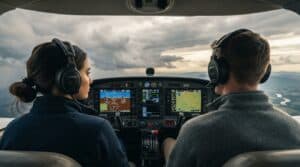
Ecuador offers a unique and dynamic environment for aspiring pilots, combining high-quality training with the natural beauty of the Andes, Amazon, and Pacific coast. Whether you’re a local resident or an international student, Ecuador’s aviation schools provide comprehensive programs designed to meet global standards. The country’s aviation authority, the Dirección General de Aviación Civil (DGAC), ensures that all training institutions adhere to strict safety and educational guidelines, making it a reliable destination for pilot training.
This guide will explore everything you need to know about pilot training in Ecuador, from the prerequisites and training process to the opportunities available upon certification. Whether you’re just starting or looking to advance your aviation career, understanding the specifics of pilot training in Ecuador will set you on the right path to achieving your dream of becoming a pilot..
Flight training is the cornerstone of any successful aviation career, and in Ecuador, it holds particular significance due to the diverse and challenging flying conditions. From navigating the high-altitude airports nestled in the Andes to managing the unpredictable weather patterns of the Amazon and coastal regions, flight training in Ecuador equips pilots with the skills needed to handle a wide range of scenarios.
The rigorous programs offered by Ecuadorian flight schools focus not only on technical proficiency but also on building strong decision-making and problem-solving skills. These programs are designed to meet international standards, ensuring that graduates are well-prepared for both local and global aviation opportunities.
Additionally, the pilot training in Ecuador emphasizes safety and adherence to regulations set by the Dirección General de Aviación Civil (DGAC), further reinforcing the importance of thorough and comprehensive flight training. By understanding and mastering these essential aspects, aspiring pilots can confidently embark on their aviation careers, knowing they have received top-notch training in a unique and demanding environment.
Before enrolling in pilot training in Ecuador, aspiring pilots must meet specific requirements set by both the flight schools and the Dirección General de Aviación Civil (DGAC). These requirements ensure that candidates are adequately prepared for the rigorous training ahead and are capable of meeting the demands of a professional aviation career.
First and foremost, applicants must be at least 18 years old and possess a high school diploma or its equivalent. A strong foundation in mathematics and physics is highly recommended, as these subjects are integral to understanding the principles of flight. Additionally, proficiency in English is essential, as it is the international language of aviation, and many flight manuals and communication protocols are conducted in English.
Prospective pilots must also pass a medical examination conducted by a DGAC-certified aviation medical examiner. This exam evaluates the candidate’s physical and mental health, ensuring they are fit to handle the stresses of flight. Vision requirements, such as 20/20 vision with or without correction, are strictly enforced.
Finally, applicants must demonstrate a genuine passion for aviation and a commitment to completing the intensive training program. Meeting these requirements is the first step toward embarking on a successful journey through pilot training in Ecuador, paving the way for a rewarding career in the skies.
Selecting the right flight school is a crucial decision that can significantly impact your training experience and future career prospects. Ecuador boasts several reputable flight schools, each offering unique advantages. Consider factors such as:
Accreditation and Reputation: Opt for a flight school that is accredited by the DGAC and has a proven track record of producing skilled pilots.
Training Facilities: Assess the quality of the training facilities, including modern aircraft fleets, simulators, and classrooms equipped with the latest technology.
Instructors’ Qualifications: Ensure that your instructors are highly experienced and hold the necessary certifications to provide top-notch training.
Course Offerings: Evaluate the range of courses available, including private pilot, commercial pilot, and instrument ratings, to align with your career goals.
Location: Consider the location of the flight school, taking into account factors such as proximity to airports, weather conditions, and accessibility.
Pilot training in Ecuador offers a comprehensive and well-structured program that guides aspiring pilots through every stage of their aviation journey. The training typically begins with ground school, where students learn the theoretical aspects of aviation, including aerodynamics, navigation, meteorology, and air traffic control procedures. This foundational knowledge is crucial for understanding the principles that govern flight and for passing the written exams required by the Dirección General de Aviación Civil (DGAC).
Following ground school, students move on to flight training, where they gain hands-on experience under the supervision of certified flight instructors. This phase includes initial flight lessons in single-engine aircraft, where students learn basic maneuvers, takeoffs, and landings. As they progress, they are introduced to more advanced skills, such as cross-country flying, night operations, and instrument flight rules (IFR) navigation. Ecuador’s diverse geography provides an excellent training ground, exposing students to various flight conditions, from mountainous terrains to coastal winds.
Throughout the training, students must log a specific number of flight hours as required by the DGAC, including solo flights and cross-country trips. They also undergo regular assessments to ensure they meet the required competencies at each stage. Upon completion of the program, students are prepared to take the final exams, both written and practical, to obtain their pilot’s license.
Pilot training in Ecuador is designed to meet international standards, ensuring that graduates are equipped with the skills and knowledge needed to pursue careers both within Ecuador and abroad. The combination of rigorous academic instruction, practical experience, and exposure to diverse flying conditions makes Ecuador an ideal location for comprehensive pilot training.
The cost of pilot training in Ecuador is a significant consideration for aspiring pilots, as it encompasses various expenses related to both academic and practical aspects of the program. On average, the cost of obtaining a private pilot license (PPL) in Ecuador can range from $10,000 to $15,000, depending on the flight school and the number of flight hours required. For those pursuing a commercial pilot license (CPL), the costs can increase to between $35,000 and $50,000, reflecting the additional training and experience needed for this advanced certification.
Several factors contribute to these costs. Tuition fees for ground school cover the theoretical instruction, materials, and exams. Flight training fees are typically the most significant expense, as they include aircraft rental, instructor fees, and fuel. The cost per flight hour can vary based on the type of aircraft used and the specific flight school’s rates. Additionally, students must budget for other expenses such as medical examinations, licensing fees, uniforms, and study materials.
While pilot training in Ecuador may require a substantial financial investment, it is essential to consider the long-term career opportunities that come with a pilot’s license. Many flight schools in Ecuador offer flexible payment plans or financing options to help students manage the costs. Additionally, some programs may provide scholarships or financial aid to eligible candidates, reducing the overall expense.
Investing in pilot training in Ecuador is an investment in a future filled with opportunities in the aviation industry, both within the country and internationally. By carefully planning and understanding the associated costs, aspiring pilots can embark on their training journey with confidence and financial preparedness.
Pilot training in Ecuador encompasses a comprehensive range of subjects and skills, ensuring you are well-equipped to navigate the skies with confidence. Some of the key components include:
Aerodynamics: Understanding the principles of flight, airfoil design, and the forces that act upon an aircraft during various phases of flight.
Aircraft Systems: Gaining a thorough knowledge of aircraft systems, including engines, avionics, and flight controls, and their respective functions.
Meteorology: Studying weather patterns, atmospheric conditions, and their impact on flight operations, enabling you to make informed decisions during flight planning and execution.
Navigation: Mastering the art of navigation, utilizing various techniques and instruments to determine an aircraft’s position, course, and altitude.
Flight Operations: Developing proficiency in flight operations, such as pre-flight inspections, cockpit procedures, and emergency procedures, to ensure safe and efficient flights.
Human Factors: Understanding the human factors that influence pilot performance, including stress management, decision-making, and crew resource management.
Obtaining a pilot’s license is the culmination of pilot training in Ecuador, marking the transition from student to certified pilot. The licensing and certification process is governed by the Dirección General de Aviación Civil (DGAC), which sets the standards and requirements for both private and commercial pilot licenses.
To earn a Private Pilot License (PPL), students must complete a minimum of 40 flight hours, which include both dual instruction and solo flights. Additionally, they must pass a written exam covering subjects like air law, navigation, and meteorology, as well as a practical flight test that evaluates their ability to handle an aircraft safely and competently. The PPL allows pilots to fly single-engine aircraft for non-commercial purposes, and it serves as the foundation for further training.
For those aiming to pursue a career in aviation, the next step is obtaining a Commercial Pilot License (CPL). This requires a more intensive training program, including a minimum of 200 flight hours, advanced navigation and instrument training, and mastery of complex aircraft. CPL candidates must also pass a more comprehensive written exam and a rigorous flight test. The CPL enables pilots to work as professionals in the aviation industry, whether in passenger transport, cargo, or specialized aviation services.
In addition to the PPL and CPL, pilots in Ecuador can pursue other certifications, such as the Instrument Rating (IR) or Multi-Engine Rating (MER), which further enhance their qualifications and expand their career opportunities.
The DGAC ensures that all licensing and certification processes adhere to international standards, making licenses obtained through pilot training in Ecuador recognized and respected worldwide. This opens up a wide range of career opportunities, both within Ecuador and in other countries, providing a solid foundation for a successful aviation career.
Graduating from pilot training in Ecuador opens the door to a variety of exciting career opportunities in both domestic and international aviation markets. Ecuador’s strategic location and diverse geography make it an important hub for regional air travel, offering numerous roles for newly licensed pilots.
One of the primary career paths for pilots trained in Ecuador is commercial aviation. Local airlines, such as TAME and Avianca Ecuador, frequently seek qualified pilots to operate domestic and international routes. These airlines offer opportunities to build flight hours and gain experience, which is essential for advancing in the aviation industry. Additionally, cargo airlines and charter services provide alternative career options, allowing pilots to engage in specialized or short-haul flights that are critical to the country’s economy.
Beyond commercial airlines, pilots may explore careers in general aviation, including roles as flight instructors, bush pilots, or corporate pilots. Ecuador’s challenging terrains and remote locations create demand for pilots who can navigate less conventional routes, offering services like medical evacuations, agricultural flights, and aerial surveying. These positions allow pilots to develop unique skills and contribute to essential services within the country.
For those looking to expand their horizons, the international recognition of Ecuadorian pilot licenses enables pilots to pursue opportunities abroad. Many pilots trained in Ecuador have successfully transitioned to roles with major airlines in North America, Europe, and other parts of the world, thanks to the high standards upheld by Ecuadorian flight schools and the Dirección General de Aviación Civil (DGAC).
Pilot training in Ecuador not only equips pilots with the technical expertise needed to succeed but also provides a versatile foundation for a wide range of aviation careers. Whether staying within Ecuador or venturing overseas, the opportunities are vast and varied, offering a fulfilling and dynamic career path for those passionate about flying.
Embarking on pilot training in Ecuador is an exciting and challenging journey that requires dedication, preparation, and a clear understanding of the path ahead. To help you succeed, here are some essential tips for aspiring pilots:
Research and Choose the Right Flight School: Ecuador offers several reputable flight schools, each with its own strengths and specialties. Take the time to research different institutions, visit their campuses if possible, and speak with current students or alumni. Look for schools that are accredited by the Dirección General de Aviación Civil (DGAC) and offer comprehensive training programs that align with your career goals.
Prepare Academically: Strong knowledge in mathematics and physics is crucial for understanding the principles of flight. If you’re not confident in these areas, consider brushing up on them before beginning your training. Additionally, improving your English proficiency will be beneficial, as much of the aviation terminology and communication is in English.
Stay Physically and Mentally Fit: The demands of pilot training are both physical and mental. Ensure that you maintain good health by following a balanced diet, exercising regularly, and getting enough rest. Mental resilience is equally important; learning to manage stress and stay focused during challenging situations will be key to your success.
Build Good Study Habits: Pilot training involves a significant amount of studying, both in ground school and during flight training. Develop effective study habits early on, such as setting a consistent schedule, taking detailed notes, and using study aids like flashcards or aviation apps. Staying organized and disciplined will help you retain information and pass exams.
Network with Aviation Professionals: Building connections within the aviation industry can open doors to opportunities and provide valuable insights. Attend aviation events, join pilot associations, and seek mentorship from experienced pilots. Networking can also help you stay informed about job openings and industry trends.
Stay Persistent and Passionate: Pilot training is rigorous and may involve setbacks along the way. Whether it’s struggling with a particular flight maneuver or facing unexpected challenges, staying persistent and maintaining your passion for flying will keep you motivated. Remember that every pilot, no matter how experienced, started as a student facing similar hurdles.
By following these tips, aspiring pilots can navigate their pilot training in Ecuador with confidence and determination, setting the stage for a successful and rewarding career in aviation.
Pilot training in Ecuador offers a unique and rewarding opportunity for aspiring pilots to turn their dreams into reality. With its diverse landscapes, reputable flight schools, and comprehensive training programs, Ecuador provides an ideal environment for you to develop the skills and knowledge necessary to soar through the skies.
Remember, becoming a pilot is a journey that requires unwavering dedication, discipline, and a passion for aviation. By choosing the right flight school, immersing yourself in the training, and embracing the challenges along the way, you can pave the path to a fulfilling career in the cockpit.
Ready to take the first step toward your dream career in aviation? Enroll at Florida Flyers Flight Academy today and soar to new heights with our world-class pilot training programs. Start your journey now!
Contact the Florida Flyers Flight Academy Team today at (904) 209-3510 to learn more about the Private Pilot Ground School Course.