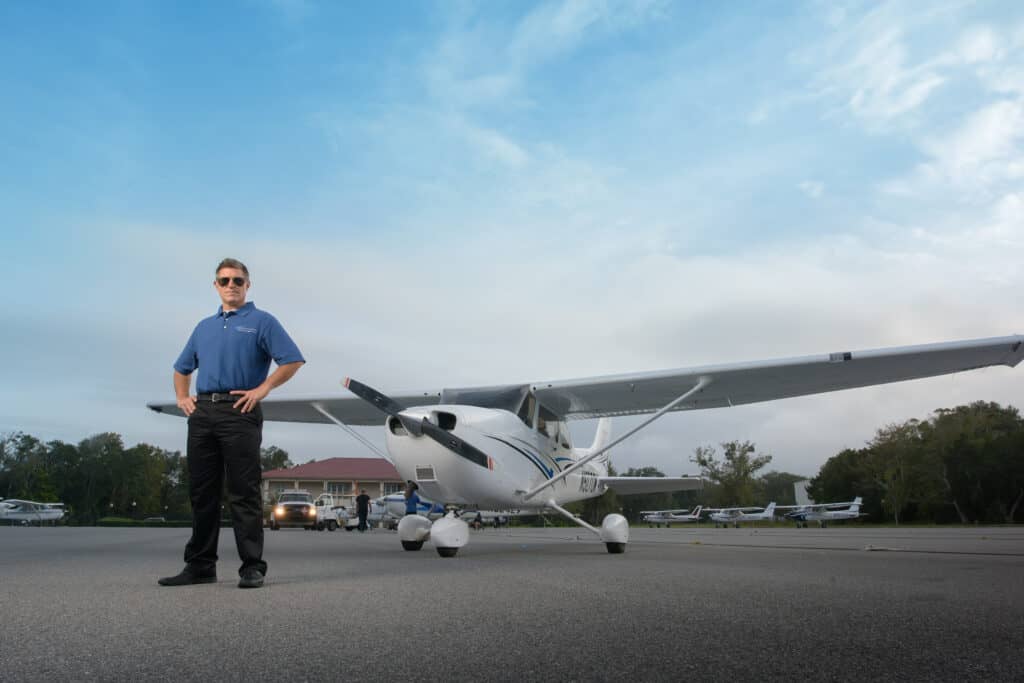
Becoming a pilot is an exciting journey, but it’s not just about learning to fly. Attending a respected flight school, like Florida Flyers Flight Academy, plays a crucial role in shaping a pilot’s career. At Florida Flyers, students work hard to achieve their dream of flying, and along the way, they build connections that will last a lifetime. But the big question many have is: What is the Commercial Pilot Pay?
For anyone thinking about a career as a commercial pilot, knowing the financial side is important. Flying might be a passion, but understanding how much pilots earn helps when deciding if this is the right path. In 2024, commercial pilot pay reflect the expertise required and the level of responsibility involved. While the pay can be rewarding, it’s important to know how factors like experience, the airline you work for, and how many hours you fly affect your total earnings.
Commercial pilot pay is one of the most discussed topics among aviation enthusiasts and professionals. In 2024, commercial pilot pay continue to reflect both the responsibility they shoulder and the high level of training they undergo. On average, a commercial pilot in the U.S. can expect to earn between $80,000 to $160,000 annually. However, this range varies based on the type of aircraft flown, the airline, and the pilot’s seniority.
For entry-level positions, commercial pilots might start at the lower end of the salary range, but with time and experience, the earnings potential rises substantially. Pilots who command larger aircraft and have more seniority can easily reach six-figure salaries. Despite the high starting pay, it’s important to note that pilot salaries are often complemented by benefits such as health care, travel perks, and retirement packages, which further enhance overall compensation.
In determining how much pilots make, we need to consider not only base salaries but also additional forms of compensation. Commercial pilot pay can vary significantly based on factors such as the type of aircraft flown, the airline’s policies, and the pilot’s flight hours.
As mentioned, salaries typically range between $80,000 and $160,000, but there are outliers on both ends of the spectrum. For example, pilots at regional airlines may earn less than those working for major airlines. However, the long-term earning potential for commercial pilots is high. Senior pilots, especially those flying international routes on wide-body aircraft like Boeing 777s or Airbus A350s, can earn upwards of $300,000 annually.
A key aspect of commercial pilot pay is that it is often calculated on an hourly basis rather than as a fixed annual salary. Airlines typically pay pilots based on the number of flight hours they complete, though there are minimum guarantees even during periods when a pilot may not be flying as frequently.
In the U.S., the average hourly pay for commercial pilots can range from $50 to $300 per flight hour, depending on their experience, rank, and the type of aircraft. This hourly rate often comes with guaranteed minimum hours, ensuring a stable income even during periods of reduced flight activity.
For example, a new first officer may earn around $80 per flight hour, while a senior captain flying long-haul international routes could be making closer to $250 per hour. These hourly wages are usually supplemented by per diem rates and bonuses for achieving certain milestones.
Another important factor in commercial pilot pay is the airline itself. Different airlines offer varied compensation packages, depending on their size, market, and operational focus. For instance, pilots flying for major international carriers such as Delta Air Lines or United Airlines tend to earn more than those flying for regional airlines like SkyWest or Republic Airways.
Major airlines typically have stronger financial resources and larger aircraft, which contribute to higher pay scales for their pilots. In contrast, regional airlines often operate smaller planes and shorter routes, resulting in slightly lower compensation. Nevertheless, many pilots start their careers at regional airlines and eventually transition to larger carriers where the earning potential is higher.
Commercial pilot pay stands out when compared to other professions, particularly when considering the combination of salary, benefits, and job satisfaction. While the training to become a commercial pilot can be extensive and costly, the financial rewards can be worth it for those passionate about aviation.
For example, the median annual wage for all occupations in the U.S. is around $56,000, according to the Bureau of Labor Statistics. In comparison, commercial pilots easily outpace this figure, with starting salaries typically in the $70,000 to $90,000 range. This makes piloting an attractive career for those looking for a financially rewarding profession. Senior pilots at major airlines can make three to four times more than the average U.S. worker, putting them in a high-earning bracket.
Commercial pilot pay isn’t just about the base salary; there are several additional components that contribute to a pilot’s total earnings. Beyond flight hours, pilots often receive per diem payments for meals and other travel-related expenses while away from home. These per diem rates can add a few hundred dollars to a pilot’s paycheck each month.
Furthermore, many airlines offer bonuses and profit-sharing opportunities, especially at larger, more financially stable carriers. These bonuses can vary widely but can significantly boost a pilot’s income, especially if the airline performs well financially. Additionally, pilots are eligible for overtime pay when they exceed a certain number of flight hours, further enhancing their annual compensation.
Several factors influence commercial pilot pay. Experience is one of the most significant determinants, as more experienced pilots, particularly those with thousands of flight hours, are generally paid more. The type of aircraft flown also plays a role; captains flying wide-body aircraft on long-haul international routes typically earn more than those flying narrow-body aircraft on domestic routes.
Location also matters. Pilots based in high-cost areas like New York or California may receive higher pay to offset living expenses, while those in smaller markets might see lower compensation packages. Union representation, which varies by airline, can also influence pilot pay, as union contracts often set wage scales and negotiate benefits for pilots.
In 2024, captains at major airlines enjoy some of the highest commercial pilot pay available. For example, a captain at Delta Air Lines flying a Boeing 777 can earn anywhere from $250,000 to $350,000 annually, depending on their seniority and flight hours. A comparable captain at American Airlines might earn between $240,000 and $320,000, while those at Southwest Airlines could see salaries ranging from $220,000 to $310,000.
These figures reflect the high demand for experienced pilots and the responsibilities they take on when commanding large, complex aircraft.
First officers, while still highly compensated, typically earn less than captains. In 2024, first officers at major airlines can expect to earn between $80,000 and $150,000 annually, depending on the airline and aircraft type. For example, a first officer at United Airlines flying a Boeing 787 might earn around $120,000, while their counterpart at Southwest Airlines flying a Boeing 737 could make closer to $100,000.
These salary ranges highlight the progression opportunities available to pilots as they gain experience and move up the ranks from first officer to captain.
Commercial pilot pay is calculated based on several factors. First, pilots are paid by the hour, with the hourly rate depending on their rank, experience, and the aircraft they fly. Airlines typically guarantee a minimum number of flight hours per month, ensuring a base level of income even if a pilot’s flight hours are lower in a given period.
In addition to hourly pay, pilots may receive per diem payments for meals and other expenses incurred while traveling. Bonuses and overtime pay can also play a role, particularly for pilots who fly more than their scheduled hours or for airlines offering profit-sharing programs.
One of the key differences between commercial pilot pay and traditional jobs is the way hours are calculated. While the average full-time worker in the U.S. works around 2,000 hours per year, commercial pilots typically fly fewer hours due to regulatory restrictions and the nature of their work. The Federal Aviation Administration (FAA) limits pilots to 1,000 flight hours per year for safety reasons, which means pilots generally work fewer total hours than their non-aviation counterparts.
However, those 1,000 hours don’t include time spent on pre-flight preparations, post-flight duties, and layovers, all of which contribute to a pilot’s workload. When these additional hours are factored in, a pilot’s total working time can be comparable to or even exceed that of a traditional office worker.
When comparing commercial pilot pay at Delta Air Lines and United Airlines, the differences are minimal but worth noting. Both airlines offer competitive compensation packages, with Delta slightly edging out United in terms of base salary for captains on long-haul international routes. However, United’s bonus and profit-sharing programs can make up for this difference, offering pilots additional earning potential based on the airline’s financial performance.
Both airlines are known for their excellent benefits, including comprehensive health care plans, retirement packages, and travel perks, making them attractive employers for commercial pilots.
The range in commercial pilot pay is important because it reflects the diversity of the aviation industry. Not all pilots have the same career trajectory, and salaries can vary widely depending on a pilot’s experience, the type of airline they work for, and the routes they fly. While some pilots may be content earning lower salaries at regional airlines, others may aspire to work for major international carriers where the pay is significantly higher.
Understanding the range of commercial pilot pay helps aspiring pilots set realistic career goals and expectations, allowing them to plan their progression through the ranks and maximize their earning potential.
Commercial pilot pay in 2024 continues to offer competitive salaries, particularly for those who advance to senior positions at major airlines. While the path to becoming a commercial pilot requires a significant investment of time and money, the long-term earning potential makes it a lucrative career choice. From hourly pay to bonuses and benefits, the total compensation package for commercial pilots reflects the high level of responsibility and expertise required in this profession.
For those interested in pursuing a career as a commercial pilot, it’s essential to start with a strong foundation in flight training. The Florida Flyers Flight Academy offers comprehensive programs designed to prepare aspiring pilots for success in the competitive aviation industry. Whether you’re just starting or looking to advance your career, Florida Flyers Flight Academy can help you achieve your goals and unlock the full potential of commercial pilot pay.
Contact the Florida Flyers Flight Academy Team today at (904) 209-3510 to learn more about how to pay for flight school.