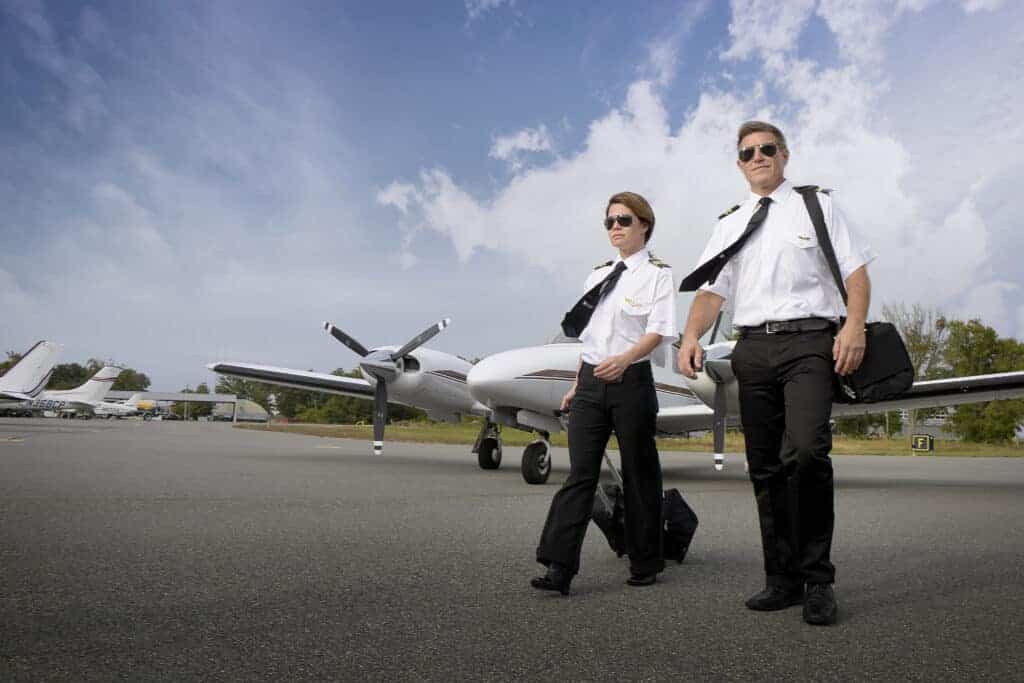
Pursuing a career as a major airline pilot comes with the promise of a rewarding and lucrative profession. Major airline pilot salary packages, particularly for pilots flying with well-known carriers such as Delta, United, and American Airlines, reflect the high level of responsibility, skill, and dedication required for the role. Understanding the various elements that contribute to a major airline pilot’s salary is essential for aspiring aviators and those looking to advance their careers in aviation.
The salary for major airline pilots can vary significantly based on several factors, including the airline they work for, their years of experience, the type of aircraft they fly, and the routes they operate. In addition to a competitive base salary, pilots often receive substantial benefits such as health insurance, retirement plans, and travel perks. This comprehensive overview aims to provide insights into the salary structures, factors influencing earnings, and additional benefits that major airline pilots can expect as part of their compensation package.
The major airline pilot salary is influenced by a multitude of factors, each playing a crucial role in determining the overall compensation package. These factors include:
Experience Level: As with most professions, the more experience a pilot accumulates, the higher their earning potential becomes. Pilots with extensive flight hours and years of service command higher salaries than their less experienced counterparts.
Airline: The airline industry is highly competitive, and different carriers offer varying compensation packages based on their financial performance, reputation, and market position. Major airlines, known for their extensive route networks and global reach, typically offer more lucrative salaries compared to regional or low-cost carriers.
Aircraft Type: The complexity and size of the aircraft a pilot operates can significantly impact their salary. Pilots flying larger, more technologically advanced aircraft, such as wide-body jets, tend to earn higher salaries than those operating smaller regional jets or turboprops.
Geographic Location: The cost of living and demand for pilots in certain regions can influence salary levels. For instance, pilots based in major metropolitan areas or high-demand markets may earn higher salaries to compensate for the higher cost of living.
Union Representation: Many major airlines have strong unions that negotiate collective bargaining agreements, which can significantly impact pilot salaries, benefits, and working conditions.
According to the latest industry reports, the average annual salary for a major airline pilot in the United States ranges from $120,000 to $200,000. However, it’s important to note that these figures can vary significantly based on the factors mentioned above.
The major airline pilot salary is closely tied to experience level, with more seasoned pilots commanding higher salaries. Here’s a breakdown of typical salaries by experience level:
Entry-Level (First Officer): Newly hired first officers (co-pilots) at major airlines can expect to earn between $50,000 and $90,000 annually.
Mid-Career (Captain): Captains with 5-10 years of experience at a major airline typically earn between $150,000 and $200,000 per year.
Senior-Level (Captain): Highly experienced captains with over 15 years of service can earn upwards of $250,000 annually, with some earning well over $300,000 at the top-tier airlines.
The airline industry is highly competitive, and different carriers offer varying compensation packages based on their financial performance, reputation, and market position. Here’s a breakdown of typical salaries at some major airlines:
| Airline | Entry-Level (First Officer) | Mid-Career (Captain) | Senior-Level (Captain) |
|---|---|---|---|
| American Airlines | $60,000 – $90,000 | $150,000 – $200,000 | $250,000 – $300,000 |
| Delta Air Lines | $65,000 – $95,000 | $160,000 – $210,000 | $260,000 – $320,000 |
| United Airlines | $55,000 – $85,000 | $145,000 – $195,000 | $240,000 – $290,000 |
| Southwest Airlines | $50,000 – $80,000 | $140,000 – $180,000 | $220,000 – $270,000 |
It’s important to note that these figures are approximate and can vary based on factors such as aircraft type, route assignments, and seniority within the airline.
The path to becoming a major airline pilot often begins at a flight school, where aspiring pilots receive their initial training and certifications. The quality and reputation of the flight school attended can have a significant impact on a pilot’s future earning potential.
Accredited Flight Schools: Attending an accredited flight school like Florida Flyers Flight Academy that meets industry standards and provides comprehensive training can increase a pilot’s chances of being hired by major airlines. These schools often have strong relationships with airlines and can provide valuable networking opportunities.
Cost of Training: Flight training can be expensive, with costs ranging from $50,000 to $100,000 or more. While the initial investment may be substantial, attending a reputable flight school can pay dividends in the long run by increasing a pilot’s marketability and earning potential.
Additional Ratings and Certifications: Some flight schools offer advanced training programs that allow pilots to obtain additional ratings and certifications, such as multi-engine or instrument ratings. These qualifications can make a pilot more attractive to major airlines and potentially lead to higher starting salaries.
By investing in a high-quality flight education, aspiring pilots can position themselves for success and increase their chances of securing a lucrative major airline pilot salary.
The Federal Aviation Administration (FAA) plays a crucial role in regulating the aviation industry and ensuring the safety of air travel. The FAA is responsible for issuing pilot certificates and ratings, which are essential for pilots to operate aircraft legally.
Certification Requirements: The FAA sets the standards and requirements for obtaining various pilot certificates, such as the Airline Transport Pilot (ATP) certificate, which is a prerequisite for flying for major airlines. Meeting these rigorous standards is essential for pilots to be eligible for employment with major carriers.
Regulatory Oversight: The FAA oversees the training and certification processes for pilots, ensuring that they meet the necessary qualifications and proficiency levels. This oversight helps maintain a high level of safety and professionalism in the aviation industry, which can indirectly impact pilot salaries.
Industry Influence: The FAA’s regulations and policies can influence the supply and demand of qualified pilots, which can, in turn, affect pilot salaries. For example, changes in flight time requirements or age limits can impact the availability of experienced pilots, potentially leading to higher salaries for those who meet the new standards.
While the FAA does not directly set pilot salaries, its role in ensuring safety and maintaining industry standards contributes to the overall value and compensation of major airline pilots.
In addition to competitive salaries, major airline pilots often enjoy a range of valuable benefits and perks that can significantly enhance their overall compensation package:
These additional benefits and perks can significantly enhance the overall value proposition of a major airline pilot’s compensation package, making the profession even more attractive and rewarding.
While the major airline pilot salary is already substantial, there are several pathways pilots can pursue to further increase their earning potential:
Seniority and Upgrades: As pilots gain more experience and seniority within an airline, they become eligible for upgrades to higher-paying positions, such as captain or instructor pilot roles. These upgrades often come with significant salary increases and additional responsibilities.
Pursuing Advanced Ratings and Certifications: Obtaining additional ratings and certifications, such as those for flying larger or more complex aircraft, can make a pilot more valuable to their employer and potentially lead to higher compensation.
Seeking Employment with Premium Airlines: Some airlines, particularly those with a strong global presence and premium service offerings, tend to offer higher salaries to attract and retain top talent. Pilots may consider seeking employment with these carriers to maximize their earning potential.
Negotiating Skills and Union Representation: Strong negotiation skills and effective union representation can play a crucial role in securing better compensation packages and favorable contract terms for pilots.
Exploring Management or Training Roles: Pilots with extensive experience and leadership skills may have opportunities to transition into management or training roles within their airline or the broader aviation industry, which can lead to higher salaries and additional responsibilities.
By actively pursuing these pathways and continuously developing their skills and experience, major airline pilots can position themselves for long-term career growth and maximize their earning potential.
The major airline pilot salary is a reflection of the immense responsibility, skill, and dedication required to navigate the skies safely and efficiently. While the journey to becoming a major airline pilot is challenging, the rewards are substantial, both in terms of financial compensation and the opportunity to pursue a truly remarkable career.
By understanding the factors that influence pilot salaries, the average earnings at different experience levels and airlines, and the pathways to maximize earning potential, aspiring pilots can make informed decisions and chart a course towards a fulfilling and lucrative aviation career.
Remember, the path to success in this field requires unwavering commitment, continuous learning, and a passion for aviation. With the right mindset, training, and perseverance, the skies are truly the limit for those seeking to become major airline pilots.
If you’re considering a career as a major airline pilot, or looking to take your aviation career to new heights, Florida Flyers Flight Academy can help you achieve your goals. Our team of experienced flight instructors and industry experts can guide you through the process of obtaining the necessary certifications and ratings, and provide valuable insights into the job market and career opportunities.
Contact the Florida Flyers Flight Academy Team today at (904) 209-3510 to learn more about the Private Pilot Ground School Course.