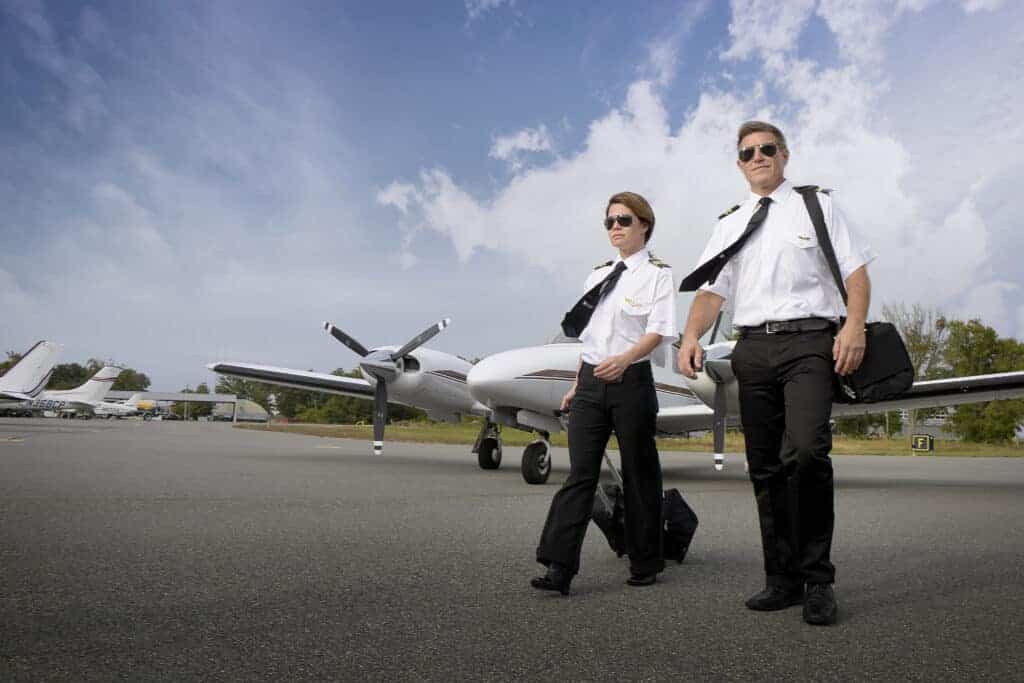
Being an airline pilot is widely regarded as one of the most exciting and prestigious careers. It offers a unique combination of adventure, responsibility, and technical expertise. As the primary operator of the aircraft, airline pilots are tasked with safely navigating passengers from one destination to another, ensuring not only their comfort but their safety throughout the flight. Their role extends far beyond the actual act of flying; pilots are responsible for everything from pre-flight checks and coordination with ground staff to post-flight reports and aircraft assessments.
Being an airline pilot also involves staying up to date with evolving technologies and regulations. Pilots must regularly update their knowledge on new protocols, emerging aviation technology, and industry standards. The responsibility attached to this profession is immense, as the lives of hundreds of passengers depend on their ability to perform their duties meticulously.
There are several misconceptions surrounding the life of an airline pilot. Many people imagine that pilots live glamorous lives, with endless travel opportunities and minimal work. While being an airline pilot does offer the chance to visit various destinations, pilots often have very limited time at each location. Layovers are usually short, leaving little room for sightseeing or relaxation.
Another common misconception is that pilots only work during the flight itself. In reality, much of their work happens before and after the flight, including pre-flight checks, route planning, and detailed post-flight reporting. Pilots also invest a lot of time into continuous learning and certifications to stay current with aviation standards and safety regulations.
To become an airline pilot, educational requirements play an essential role. At a minimum, aspiring pilots must possess a high school diploma or equivalent. However, many airlines prefer candidates with a college degree, especially in fields like aviation, engineering, or physics. Higher education equips aspiring pilots with the analytical skills and technical knowledge required to excel in the field.
While not always mandatory, obtaining a degree is advantageous as it gives candidates a competitive edge in the hiring process. Moreover, advanced education can help with understanding the intricate mechanics of aircraft, flight operations, and navigation, all critical for being an airline pilot.
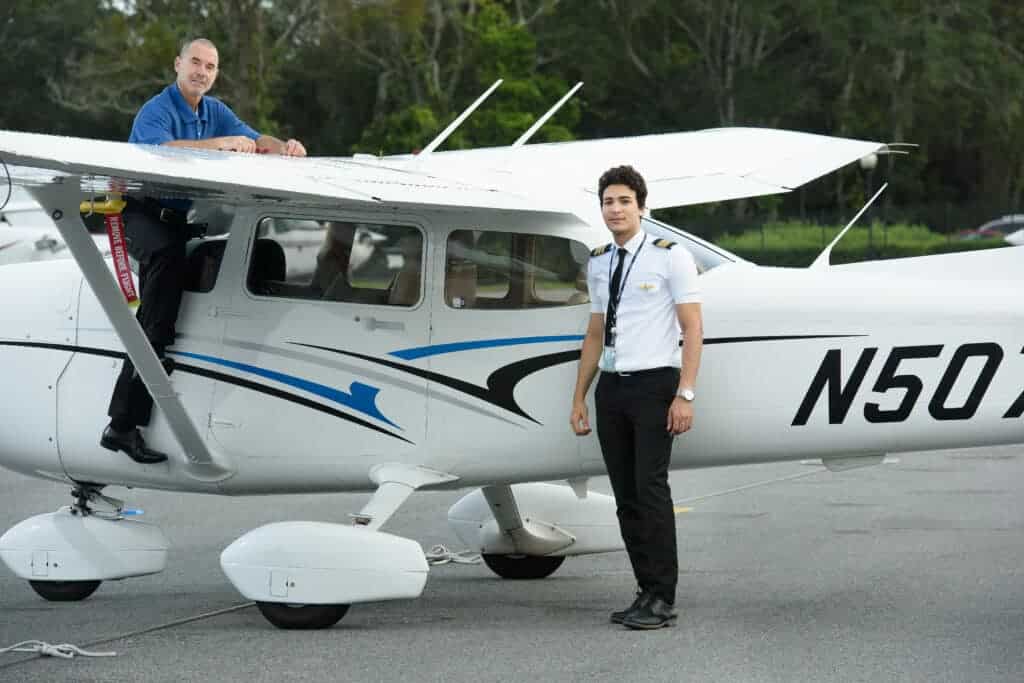
Flight school is a cornerstone of the training process, providing aspiring pilots with both theoretical knowledge and hands-on flying experience. Institutions like Florida Flyers Flight Academy offer comprehensive training programs that cover the essentials, including flight mechanics, navigation, and aerodynamics.
At flight school, students first undergo ground training, which involves learning about aviation regulations, aircraft systems, weather analysis, and emergency procedures. Once students have mastered the theoretical aspects, they proceed to in-flight training. This practical training helps students learn how to operate different aircraft, handle takeoffs and landings, and manage various in-flight situations.
FAA (Federal Aviation Administration) certification is a crucial milestone in the journey of becoming an airline pilot. The process begins with obtaining a private pilot license (PPL), which allows pilots to fly for personal use. Next, they pursue a commercial pilot license (CPL), enabling them to be compensated for their flying services.
The highest level of certification needed to be an airline pilot is the Airline Transport Pilot (ATP) certificate. To qualify for an ATP license, pilots must log a minimum of 1,500 flight hours, demonstrate advanced proficiency in flight operations, and pass a rigorous exam. Obtaining FAA certification is essential for securing a job in the airline industry and marks a significant achievement in an aspiring pilot’s career.
Being an airline pilot requires specific personal attributes that go beyond technical abilities. One of the most critical traits is strong decision-making skills. Pilots are regularly faced with situations where they must quickly assess conditions and make informed decisions to ensure passenger safety.
Another essential attribute is effective communication. Pilots must maintain clear and concise communication with air traffic control, crew members, and co-pilots. They also need the ability to lead and remain calm under pressure, particularly during emergencies or unexpected events. Confidence, paired with humility, is vital; pilots must trust their judgment while also knowing when to seek advice or assistance from others.
In addition to personal traits, being an airline pilot demands advanced technical skills. Pilots must be proficient in operating various aircraft systems and navigation tools. Mastery of cockpit instrumentation, automated flight systems, and monitoring equipment is crucial for safe operations.
Additionally, the ability to interpret complex data, such as weather conditions, engine performance, and fuel levels, is a significant part of being an airline pilot. Technical expertise also extends to problem-solving, as pilots must troubleshoot and address mechanical issues that arise mid-flight.
A typical day in the life of an airline pilot starts with thorough pre-flight preparations. This process involves reviewing the flight plan, assessing weather conditions, and calculating fuel requirements. Pilots must also conduct an inspection of the aircraft to ensure it is in good condition before departure.
In addition, pilots attend a pre-flight briefing with their co-pilots and cabin crew. This meeting covers important information about the route, potential turbulence, and any specific instructions for the flight.
Once the plane is airborne, the responsibilities of being an airline pilot shift to navigation and maintaining communication with air traffic controllers. Pilots monitor the aircraft’s systems, fuel consumption, and flight path to ensure everything operates smoothly. They must be prepared to make in-flight adjustments, such as changing altitude due to weather conditions or rerouting if there are delays at the destination airport.
Throughout the flight, pilots must remain vigilant, even during periods of autopilot. Pilots are also responsible for ensuring passenger safety and coordinating with the flight crew to manage any issues that may arise.
Once the flight is complete, pilots aren’t done with their day’s work. Post-flight duties include filling out flight reports, documenting any issues with the aircraft, and communicating with ground staff for maintenance. These reports are critical for maintaining aircraft safety and performance for future flights.
One of the most significant challenges of being an airline pilot is the irregular work schedule. Pilots frequently work odd hours, including early morning departures, late-night arrivals, and long-haul flights that cross multiple time zones. This irregularity can make maintaining a stable routine challenging, particularly when balancing family life.
Pilots must also manage stress and fatigue, which are inevitable in a profession that demands such high levels of responsibility. Long hours, jet lag, and constant decision-making can take a toll on physical and mental well-being. Pilots must adopt strategies for maintaining their health, such as proper rest, hydration, and exercise, to cope with these demands.
Ensuring safety and compliance is a paramount responsibility for airline pilots. The aviation industry operates under strict regulations, and pilots must adhere to safety protocols at all times. This includes staying updated on the latest regulations and maintaining certifications through continuous education. The pressure to maintain safety standards can be stressful, particularly during unexpected situations like severe weather or mechanical issues.
Despite the challenges, being an airline pilot comes with substantial rewards. The salary for airline pilots is competitive, with opportunities for bonuses and profit-sharing depending on the airline. Entry-level pilots may start with modest pay, but experienced pilots often earn six-figure salaries. In addition to salary, pilots enjoy comprehensive benefits, including health insurance, retirement plans, and travel perks.
Many pilots find immense satisfaction in their work, knowing they are responsible for safely transporting passengers across the globe. The dynamic nature of the job, combined with the sense of accomplishment from successfully completing each flight, contributes to high levels of job satisfaction.
One of the most well-known perks of being an airline pilot is the opportunity to travel. Pilots regularly visit new cities and countries, experiencing different cultures and landscapes. Many airlines offer pilots and their families discounted or free travel benefits, allowing them to explore the world during their downtime.
The salary structure for airline pilots is based on experience and rank. Entry-level pilots, such as first officers, typically start with lower pay, ranging from $40,000 to $80,000 per year. However, as pilots gain experience and log more flight hours, their salaries increase significantly. Captains at major airlines can earn upwards of $200,000 annually, especially on long-haul international flights.
Being an airline pilot offers numerous opportunities for career advancement. With experience, pilots can progress from first officers to captains, taking on more responsibilities and receiving higher compensation. Some pilots choose to transition into management roles within airlines, where they can oversee operations, training, or safety protocols. Others may become flight instructors, passing on their knowledge to the next generation of pilots.
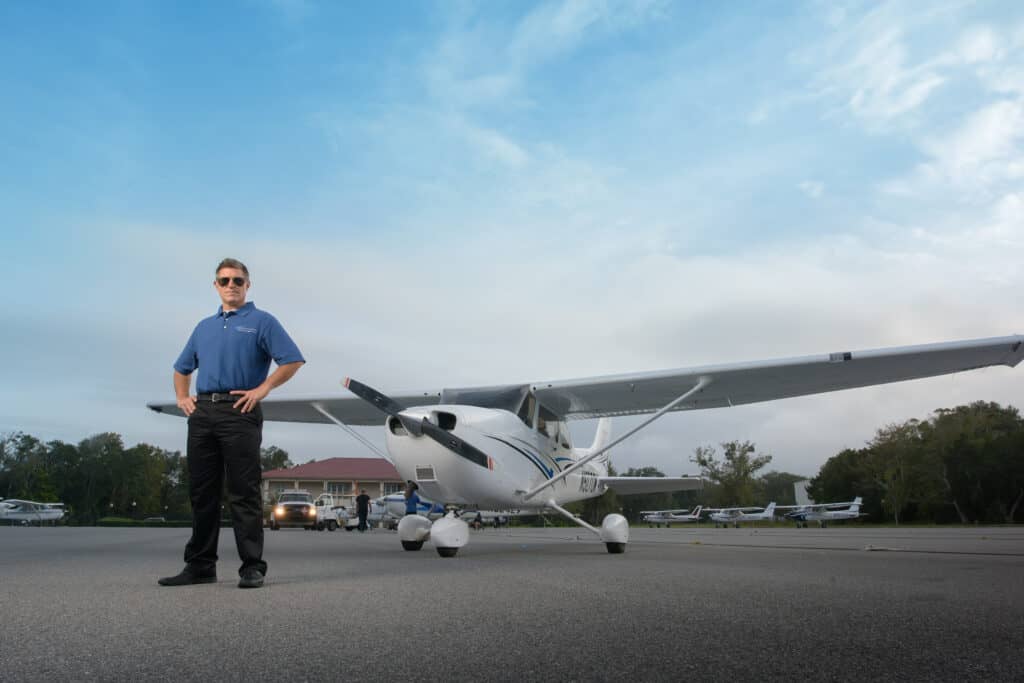
Choosing the right flight school is crucial for aspiring airline pilots. Schools like Florida Flyers Flight Academy provide top-tier training programs that cover both theoretical and practical aspects of flying. Researching flight schools to ensure they offer high-quality instruction and modern training facilities is essential for building a strong foundation in aviation.
Networking plays a significant role in advancing a career as an airline pilot. Building relationships with instructors, fellow pilots, and industry professionals can open doors to job opportunities. Attending aviation conferences, joining pilot associations, and participating in online forums are excellent ways to network within the aviation community.
Aviation is a rapidly evolving field, and pilots must commit to lifelong learning. Staying current with the latest technologies, regulations, and safety standards is essential for success. Pilots should seek additional certifications, such as type ratings for specific aircraft, to increase their employability and expertise.
Being an airline pilot is a challenging yet rewarding career that offers the opportunity to combine technical skill with adventure. From the extensive training process to the thrill of flying, the journey of becoming an airline pilot is one of dedication and passion. The profession requires continuous learning, strong decision-making abilities, and the ability to manage high levels of responsibility.
If you’re ready to embark on your journey to becoming an airline pilot, consider enrolling at Florida Flyers Flight Academy. Their comprehensive training programs provide the skills and knowledge needed to succeed in the world of aviation.
Contact the Florida Flyers Flight Academy Team today at (904) 209-3510 to learn more about how to pay for flight school.