
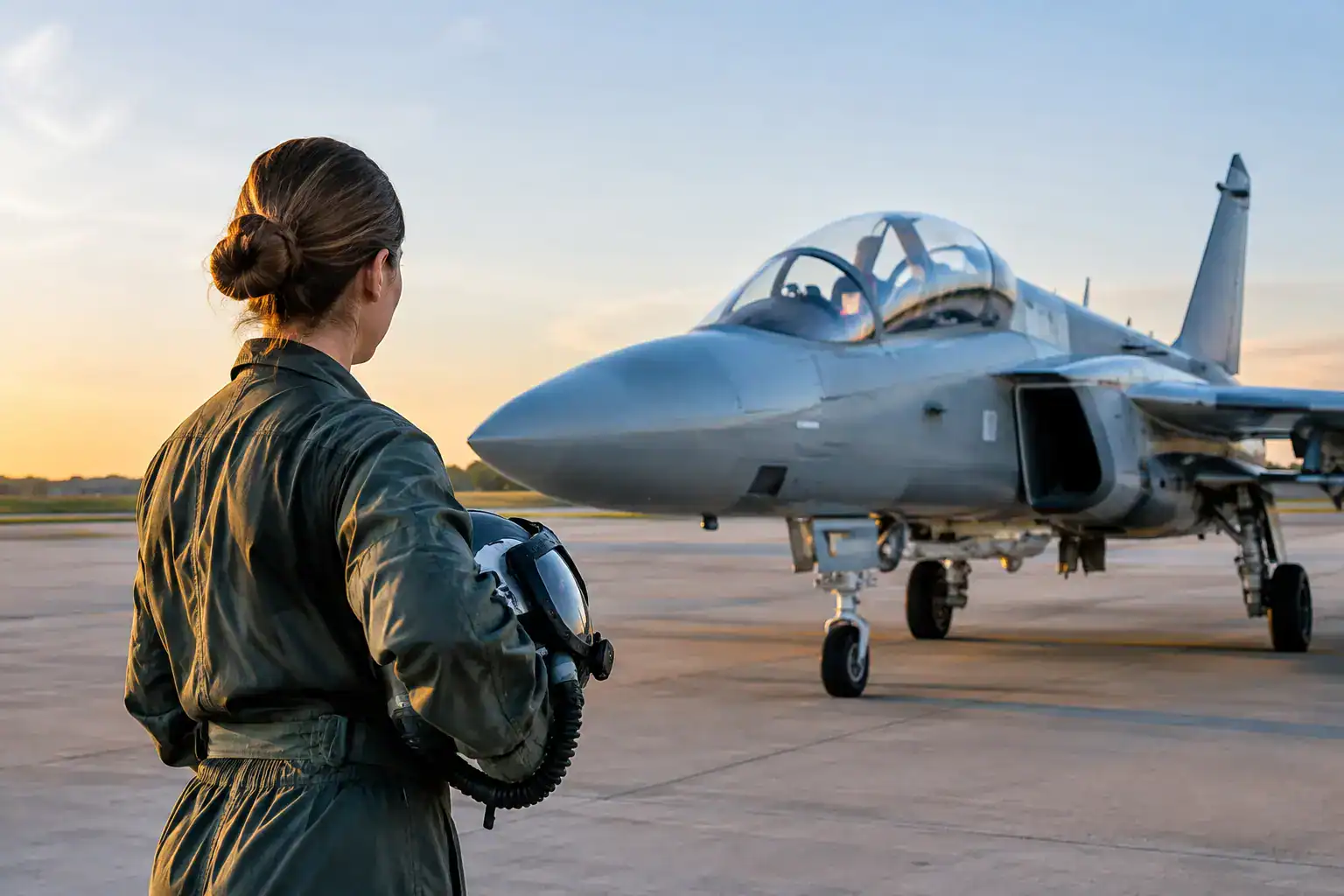
A pilot training schedule can look perfect on paper and still fall apart when the airplane is not available. Training aircraft availability is one of the most practical factors behind how quickly you earn a Private Pilot License, Instrument Rating, Commercial certificate, or CFI credentials. For career-focused students, it is not a minor convenience. It determines whether you maintain momentum toward the cockpit or spend weeks waiting for the next opening.
A serious flight school does more than own airplanes. It must organize aircraft, instructors, maintenance, weather planning, and checkride readiness into a training operation that moves students forward. If your goal is an airline career, ask how the school keeps aircraft flying, what happens when one is grounded, and whether its schedule is built for accelerated progress rather than occasional weekend lessons.
Flight training is cumulative. The lesson you fly this week builds on the maneuvers, procedures, radio work, and decision-making from the lesson before it. Long breaks can mean spending paid flight time reviewing material you had already learned instead of advancing toward the next stage check or certificate.
This is especially true after the Private Pilot stage. Instrument students need frequent repetition to build scan discipline and approach proficiency. Commercial students need consistent access to complete complex maneuvers, cross-country requirements, and time-building efficiently. Multi-engine and instructor candidates often work against tighter career timelines, airline pathway targets, or financing schedules.
Reliable access to aircraft helps students protect three valuable resources: time, training consistency, and money. More frequent lessons do not eliminate the work required to become a safe pilot, but they reduce unnecessary relearning caused by avoidable schedule gaps.
Availability also affects confidence. A student who knows that aircraft and instructors are scheduled predictably can prepare properly before each lesson, study ahead, and arrive ready to perform. That is how an organized Part 141 program can create a faster, more disciplined route to professional pilot qualifications.
A large fleet is helpful, but fleet size alone does not tell the full story. Ten aircraft may sound impressive, yet availability can still be limited if several airplanes are down for maintenance, assigned to introductory flights, reserved for other programs, or concentrated in one training category.
The real question is whether the school has the right aircraft available for your stage of training at the times you need them.
A beginning student needs dependable primary trainers. An instrument student needs appropriately equipped aircraft and access to instrument training resources. A commercial student may need a complex or technically advanced aircraft, while a multi-engine candidate needs an available twin. A school with a strong pipeline plans for these transitions instead of treating each rating as a separate scheduling problem.
Ask whether the aircraft you will need later in your program are regularly available now. It is easy to begin training in a single-engine trainer. The harder question is whether you can move into instrument, commercial, multi-engine, and instructor training without losing momentum.
Every aircraft requires maintenance. That is not a warning sign – it is a non-negotiable part of safe flight operations. The difference between a well-run school and a disorganized one is how it manages scheduled inspections, unexpected discrepancies, parts delays, and backup aircraft.
A professional operation grounds an aircraft when safety requires it. The student experience depends on whether the school can quickly place that student in another appropriate airplane or adjust the schedule without creating a long interruption. Safety must always come first, but operational planning determines how much a maintenance event disrupts your progress.
Aircraft availability is often most limited during high-demand periods: early mornings, evenings, weekends, and popular weather seasons. Students with full-time jobs may only be able to train outside standard business hours, while accelerated students may want several training blocks each week.
A school should be clear about its scheduling process. Can you reserve recurring flight slots? How far ahead are aircraft scheduled? Who handles conflicts? Is there a waitlist system when weather cancels a lesson? Direct answers reveal far more than a broad promise that aircraft are available.
An airplane without an instructor does not advance a pre-solo or rating student. Strong training aircraft availability must be matched by instructor capacity, consistent instructor assignments, and administrative support that keeps lessons moving.
Instructor turnover can affect continuity, particularly in career programs. There are times when a change is unavoidable, but students should not be left to restart their progress every time staffing shifts. The best programs maintain standardized training records, clear stage objectives, and instructor oversight so a new instructor can pick up where the previous one left off.
Do not rely only on a fleet number listed in marketing materials. Visit the campus if possible, tour the ramp, and ask questions that connect aircraft access to your own planned schedule. A prospective airline pilot should evaluate an academy like a professional training investment.
Ask how many aircraft are currently in service, not simply how many are owned. Ask how many students are actively scheduled against each aircraft type. Request a realistic explanation of how often full-time students fly each week and what happens if their assigned aircraft goes down for maintenance.
Four questions can quickly expose whether a school has an organized operation:
Also ask whether the school operates under FAA Part 141 or Part 61, and how its course structure supports your goal. Neither framework automatically guarantees better aircraft access. Part 141 can provide a highly structured syllabus and, for qualified students, reduced aeronautical experience requirements for certain certificates. Part 61 can offer flexibility. The right choice depends on your experience, schedule, visa status, financing plan, and desired training pace.
Fast training is not the same as rushing. Weather, aircraft maintenance, illness, and performance plateaus are real parts of aviation training. A school that promises perfect daily flying is not describing aviation honestly.
What students should expect is a system designed to recover quickly. If a cross-country is weathered out, the instructor should have a productive alternative lesson ready. If an aircraft is unavailable, dispatch should be able to locate another suitable aircraft when possible. If a student needs more work before advancing, the training plan should identify the gap and schedule the practice needed to close it.
That kind of operational discipline matters even more in Florida. The state offers strong year-round flying potential, but afternoon thunderstorms, seasonal weather patterns, and busy airspace still require flexible planning. The best Florida flight schools use favorable flying conditions aggressively while treating weather decisions with the seriousness they deserve.
For students pursuing commercial and airline careers, delays have a compounding cost. A slow Private Pilot timeline pushes back instrument training. Delayed instrument training can postpone commercial certification, CFI training, hour building, and airline eligibility. One missed lesson is rarely decisive. Repeated scheduling gaps can add months to a career plan.
Florida Flyers Flight Academy structures career training around FAA Part 141 programs, accelerated progression, and in-house FAA checkride capability through Self-Examining Authority. That combination matters because aircraft access and checkride timing must work together. Completing a course is only valuable when the next training milestone is organized and within reach.
Students should also consider the financial effect. Consistent flying can reduce the need for repeated review lessons and helps students use housing, financing, and relocation time more efficiently. It does not mean every student finishes at the same rate. Prior experience, study habits, weather, medical requirements, and individual performance all matter. Still, reliable aircraft access gives motivated students the opportunity to train at the pace they are prepared to sustain.
The right flight school will not sell aircraft availability as a vague promise. It will show how its fleet, dispatch process, maintenance standards, instructor scheduling, and course structure support real student progress. That is the standard to hold any career-focused academy to.
Before you enroll, look past the brochure and ask whether the operation can support your schedule from first lesson through commercial training and beyond. Your future airline career deserves more than an airplane that is available occasionally. Choose a program built to keep qualified, committed pilots moving forward.


You May Like
