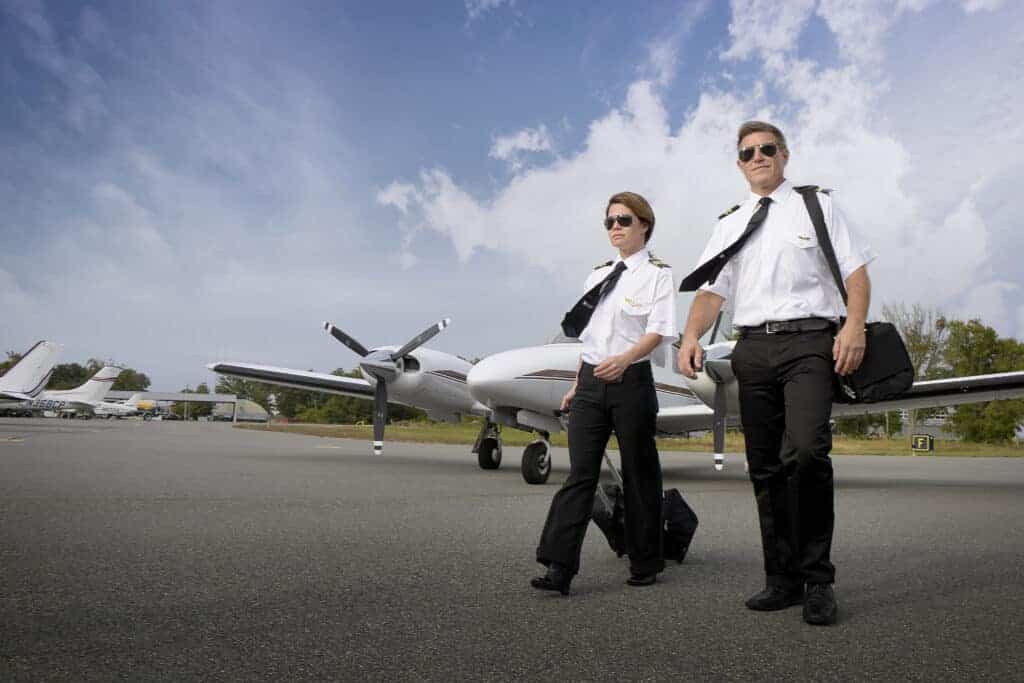
The life of a student pilot is a thrilling journey filled with learning and growth. It begins with enrolling in a Flight Training Academy, where aspiring aviators dive into both theoretical and practical aspects of flying. Ground school introduces them to key concepts such as navigation, meteorology, and aviation regulations, while flight training focuses on hands-on experience with an instructor.
As student pilots advance, they experience the challenges and rewards of solo flights and mastering complex maneuvers. Their journey is characterized by rigorous practice, ongoing assessments, and the gradual acquisition of skills necessary for earning their Private Pilot Certification. Ultimately, the life of a student pilot is a blend of dedication, perseverance, and the excitement of reaching new heights in aviation.
The life of a student pilot at Florida Flyers Flight Academy is both enriching and transformative. This esteemed flight school offers a comprehensive training experience that combines rigorous academic instruction with hands-on flying practice. At Florida Flyers Flight Academy, student pilots benefit from a well-structured curriculum that covers essential aspects of aviation, including navigation, meteorology, and regulations, while providing ample cockpit time to build practical skills.
Florida Flyers Flight Academy stands out for its personalized approach to flight training. Experienced instructors work closely with each student, ensuring tailored instruction that supports their individual learning needs and goals. The academy’s state-of-the-art facilities and modern fleet enhance the training environment, helping student pilots gain confidence and proficiency in various flying conditions.
Additionally, Florida Flyers Flight Academy provides valuable resources such as career guidance, networking opportunities, and support for financing or scholarships. This comprehensive approach ensures that students not only achieve their Private Pilot Certification but also are well-prepared for a successful aviation career. Choosing Florida Flyers Flight Academy means embarking on a journey where the life of a student pilot is marked by exceptional education, personalized support, and a clear path to future success in aviation.
The life of a student pilot is a whirlwind of activities, meticulously structured to ensure comprehensive training and skill development. A typical day begins with ground school, where students delve into the theoretical foundations of aviation, mastering subjects such as aerodynamics, meteorology, navigation, and regulations.
After the classroom sessions, it’s time to take to the skies. Flight training is the heart of a student pilot’s journey, where they put their knowledge into practice under the watchful guidance of experienced instructors. From pre-flight checks to takeoffs, maneuvers, and landings, every aspect of flying is meticulously practiced and perfected.
Throughout the day, students also engage in simulated flight scenarios, honing their decision-making skills and preparing for various situations they may encounter in the air. Debriefing sessions follow each flight, where instructors provide valuable feedback and guidance, ensuring continuous improvement.
Ground school is a critical component in the life of a student pilot, laying the groundwork for a successful aviation career. It is designed to build a solid theoretical foundation, ensuring that student pilots are well-prepared for the practical aspects of flying.
During ground school, students delve into essential topics such as navigation, meteorology, aerodynamics, and aviation regulations. This rigorous academic training equips them with the knowledge needed to make informed decisions and handle various flying scenarios with confidence. The comprehensive curriculum not only prepares student pilots for their written exams but also reinforces their understanding of how these concepts apply in real-world flight situations.
Ground school combines expert instruction with interactive learning tools, fostering a deep understanding of aviation principles. This strong theoretical base is crucial for mastering the complexities of flying and achieving the Private Pilot Certification. By emphasizing the importance of ground school, students ensure they are thoroughly prepared for the challenges and responsibilities of piloting an aircraft.
In the life of a student pilot, flight training is a pivotal phase that marks the transition from theory to practical application. This journey begins with the excitement of the first flight, where students experience the thrill of being in the cockpit and taking control of an aircraft for the first time. Under the guidance of a skilled instructor, they learn the basics of aircraft handling, maneuvering, and emergency procedures.
As students progress through their training, they gradually build their skills and confidence, working towards the milestone of their solo flight. This critical achievement represents a significant step in their development as pilots, demonstrating their ability to operate an aircraft independently and safely. The path from the first flight to solo is characterized by intensive practice, continuous evaluation, and personal growth.
Flight training not only enhances technical skills but also fosters a deep understanding of the responsibilities and challenges of flying. Achieving the solo flight milestone is a testament to the student pilot’s dedication and preparation, setting the stage for further advancement and ultimately earning their pilot’s license.
Navigating the life of a student pilot involves confronting various challenges that can shape their training experience. Mastering the intricate skills required for flying presents a significant hurdle. Student pilots must quickly adapt to complex aircraft operations, understand navigation, and manage emergency procedures while balancing the demands of both ground school and practical flying.
Another challenge is the pressure of performance evaluations. Achieving milestones such as solo flights requires students to demonstrate their ability to handle an aircraft independently, which can be stressful. They must also contend with varying weather conditions and maintain focus under pressure.
Integrating theoretical knowledge from ground school into practical flying is another challenge. This requires students to apply what they’ve learned in a real-world context, which can be demanding but essential for their development.
Overcoming these challenges is a crucial part of the life of a student pilot, contributing to their growth and preparing them for a successful career in aviation.
The life of a student pilot requires careful balancing between academic studies and practical flight training. Student pilots must manage their time effectively to excel both in ground school and in the cockpit.
Ground school involves in-depth study of aviation theory, including navigation, meteorology, and regulations, which demands significant focus and dedication. Concurrently, flight training requires hands-on practice and real-time application of these concepts. Managing this dual focus can be challenging, as students need to absorb complex information while honing their flying skills.
Effective time management and organizational skills are crucial in balancing these demands. Students often find themselves juggling study schedules with flight lessons, ensuring they are well-prepared for both classroom discussions and in-flight practices. The ability to integrate knowledge from ground school into practical scenarios is essential for their development.
Navigating the balance between studies and flying is a key aspect of the life of a student pilot, and mastering this balance is essential for success in their aviation journey.
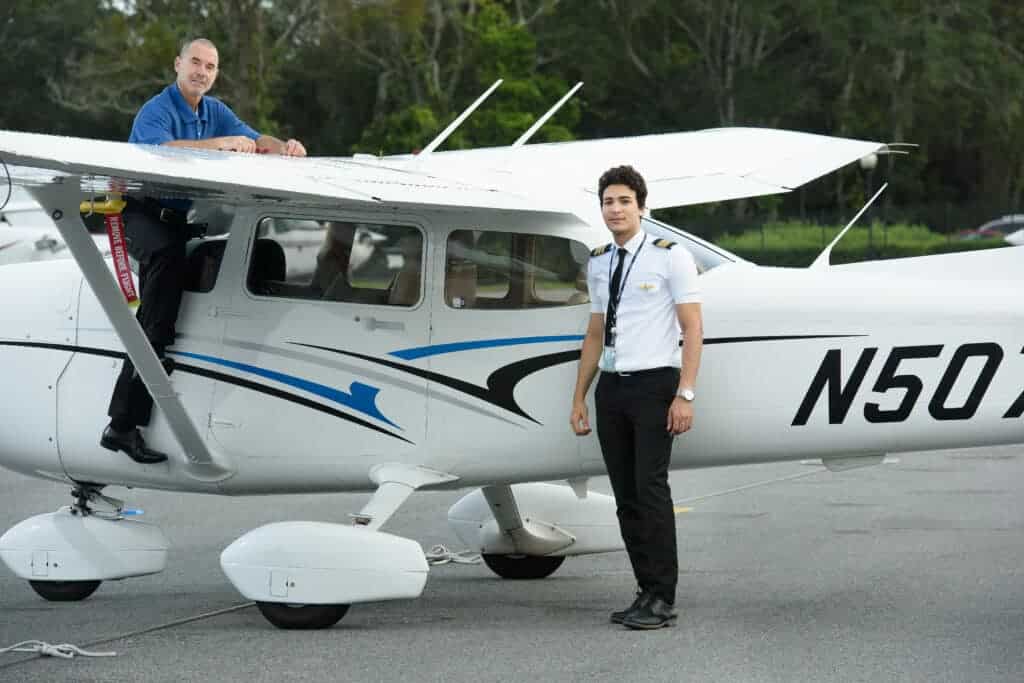
Instructors play a pivotal role in shaping the success of student pilots. At Florida Flyers Flight Academy, the instructors are not just teachers but mentors who guide and inspire their students throughout their journey.
These experienced aviators bring a wealth of knowledge and real-world experience to the classroom and the cockpit. They provide personalized instruction, tailoring their teaching methods to suit each student’s learning style and ensuring a comprehensive understanding of the material.
Beyond imparting technical skills, instructors also instill in their students the discipline, professionalism, and decision-making abilities essential for becoming safe and responsible pilots.
The aviation industry is a close-knit community, and building relationships is crucial for student pilots. At Florida Flyers Flight Academy, students have ample opportunities to connect with industry professionals, attending seminars, workshops, and networking events.
These interactions not only provide valuable insights into the aviation world but also open doors to potential job opportunities and mentorship relationships. By fostering connections with experienced pilots, aviation enthusiasts, and industry leaders, student pilots can gain a deeper understanding of the various career paths available and forge lasting professional relationships.
Becoming a successful pilot requires more than just technical skills and knowledge. Here are some tips to help student pilots navigate their training journey and achieve their goals:
Stay Organized: Keeping your flight training and study materials in order is essential. Use a dedicated notebook or digital planner to track your flight hours, schedule your lessons, and organize your study topics. Regularly update your progress to ensure you’re on track with your training milestones.
Prioritize Consistent Practice: Regular practice is key to mastering both flying skills and theoretical knowledge. Schedule frequent flying lessons and study sessions to reinforce what you’ve learned. Consistency helps build muscle memory and confidence, making it easier to handle complex situations.
Communicate with Your Instructor: Establish a strong rapport with your flight instructor. Don’t hesitate to ask questions about areas where you feel uncertain or need clarification. Regular feedback from your instructor will help you understand your strengths and areas for improvement, facilitating a more effective learning experience.
Embrace a Learning Mindset: Approach your training with an open and positive mindset. Understand that mistakes are part of the learning process. Reflect on feedback and use it constructively to improve your skills. A willingness to learn and adapt is crucial for overcoming challenges and advancing in your training.
Manage Stress: Flight training can be intense, and managing stress is crucial for performance. Develop techniques to stay calm and focused, such as deep breathing exercises or visualization techniques. Prioritize relaxation and stress management practices to maintain a clear mind during both study sessions and flight lessons.
Set Realistic Goals: Break down your training into achievable goals. For example, set specific targets for mastering certain maneuvers or passing exams. Celebrate your progress and milestones along the way to stay motivated. Clear goals help maintain focus and provide a sense of accomplishment as you advance through your training.
Stay Current with Knowledge: Aviation is a field that evolves, so it’s important to keep your knowledge up to date. Regularly review your study materials, and stay informed about changes in regulations and best practices. Continuous learning ensures that you are well-prepared for both practical flying and theoretical exams.
Take Care of Yourself: Physical and mental well-being significantly impacts your performance as a student pilot. Ensure you get adequate sleep, eat a balanced diet, and engage in regular physical exercise. Maintaining good health will help you stay alert, focused, and capable of handling the demands of flight training effectively.
Upon completing their flight training at Florida Flyers Flight Academy, student pilots open doors to a diverse array of exciting career opportunities. For many, the logical next step is to enter commercial aviation, where they can pursue roles with major airlines or cargo carriers. This path offers the chance to operate large aircraft, transport passengers or goods across the globe, and be part of the vibrant airline industry.
Alternatively, some pilots may choose to specialize in corporate or private aviation. This route involves flying executive jets or private planes for businesses and high-net-worth individuals, often providing a more personalized flying experience and a varied schedule.
In addition to these traditional roles, there are numerous specialized fields available for trained pilots. They might consider becoming flight instructors, sharing their expertise with the next generation of aviators. Aerial photography and survey work offer unique opportunities to work with cutting-edge technology while capturing stunning visuals from the sky. Air ambulance services present a chance to make a significant impact by providing emergency medical transport.
The comprehensive training received at Florida Flyers Flight Academy equips pilots with a robust skill set and deep industry knowledge, laying a strong foundation for success in any of these aviation career paths.
“Florida Flyers Flight Academy has been an incredible experience. The instructors are knowledgeable, patient, and truly invested in our success. The training program is comprehensive and challenging, but it has prepared me for a rewarding career in aviation.” – Emily, Commercial Pilot Student
“From the state-of-the-art facilities to the supportive community, Florida Flyers Flight Academy has exceeded my expectations. The hands-on flight training and personalized instruction have been invaluable in helping me develop the skills and confidence to become a proficient pilot.” – Javier, Private Pilot Student
The life of a student pilot at Florida Flyers Flight Academy is a unique and transformative journey. It’s a path that demands dedication, resilience, and a passion for aviation. Through comprehensive ground school instruction, rigorous flight training, and the guidance of experienced instructors, students acquire the skills and knowledge necessary to soar to new heights.
As they navigate the challenges and embrace the rewards of this journey, student pilots forge lasting connections within the aviation community and lay the foundation for rewarding careers in the skies. Whether pursuing commercial aviation, private flying, or specialized roles, the training at Florida Flyers Flight Academy equips them with the tools to excel in their chosen field.
Contact the Florida Flyers Flight Academy Team today at (904) 209-3510 to learn more about the Private Pilot Ground School Course.