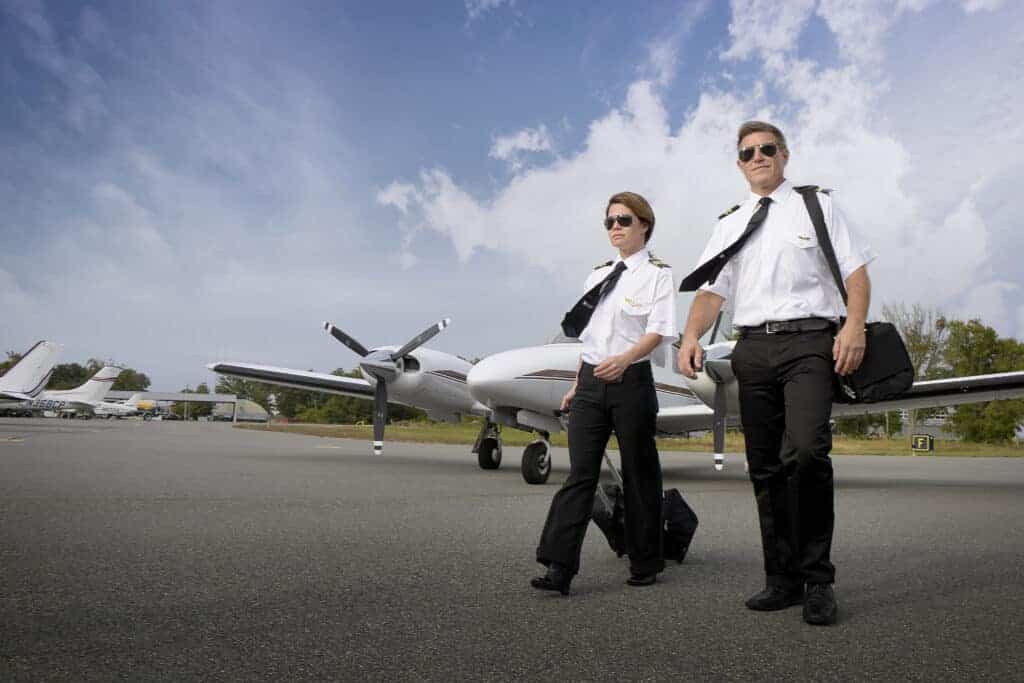
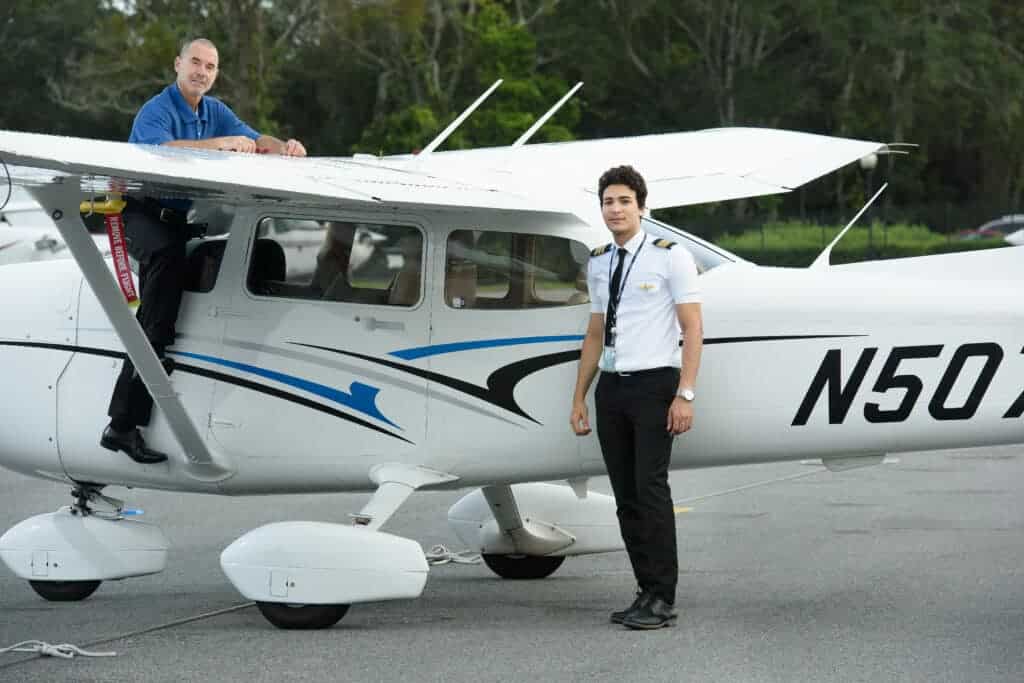
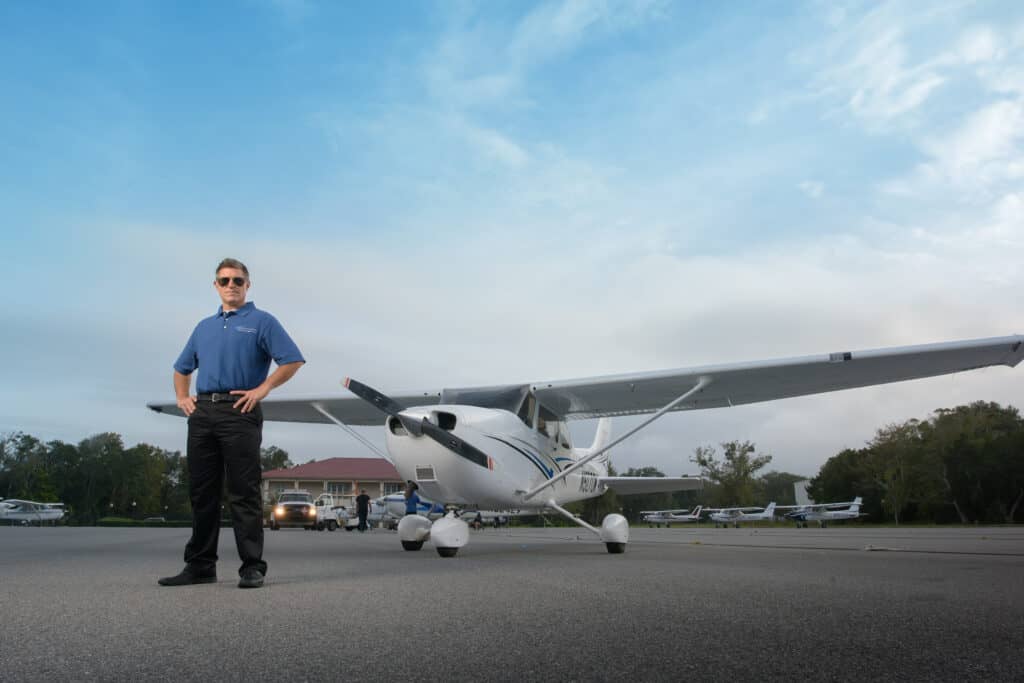
The journey to become a pilot is an exhilarating and challenging endeavor. With the ever-evolving landscape of aviation, aspiring pilots are seeking innovative and effective training methods that can equip them with the skills and knowledge necessary to soar through the skies with confidence. Enter Total Immersion Flight Training, a revolutionary approach that has garnered widespread acclaim for its comprehensive and immersive nature.
Total Immersion Flight Training is a cutting-edge training methodology that immerses students in a realistic and intensive learning environment, simulating the demands and complexities of real-world flying. This approach has proven to be a game-changer in the aviation industry, offering a unique blend of theoretical knowledge and practical experience that prepares pilots for the rigors of the skies.
Total Immersion Flight Training is a holistic and comprehensive approach to pilot training that goes beyond traditional classroom-based instruction. It combines theoretical knowledge with hands-on, practical experience in a simulated environment that closely mimics the challenges and scenarios pilots encounter during actual flight operations.
This training method is designed to provide aspiring pilots with an immersive learning experience, where they are exposed to a wide range of situations and scenarios that they would face in the real world. From pre-flight planning and aircraft systems familiarization to emergency procedures and decision-making under pressure, Total Immersion Flight Training equips students with the skills and knowledge necessary to navigate the skies with confidence and proficiency.
Total Immersion Flight Training offers a multitude of benefits that set it apart from traditional training methods. Here are some of the key advantages:
Accelerated Learning: By immersing students in a realistic and engaging learning environment, Total Immersion Flight Training facilitates faster knowledge acquisition and skill development, allowing students to progress more rapidly through the training program.
Realistic Scenario-Based Training: Students are exposed to a wide range of real-world scenarios, enabling them to develop critical thinking, decision-making, and problem-solving skills that are essential for safe and efficient flight operations.
Enhanced Muscle Memory: Through repetitive practice and hands-on experience, students develop muscle memory and instinctive responses, which are crucial for seamless and automatic execution of flight maneuvers and procedures.
Stress Inoculation: Total Immersion Flight Training exposes students to high-stress situations in a controlled environment, helping them develop the mental resilience and coping mechanisms necessary to handle the pressures of real-world flying.
Improved Situational Awareness: By simulating various scenarios and environments, students develop a heightened sense of situational awareness, enabling them to anticipate and respond effectively to changing conditions and potential hazards.
Total Immersion Flight Training employs a combination of advanced simulation technology, scenario-based training, and hands-on practical experience. The training process typically involves the following steps:
Theoretical Instruction: Students begin with comprehensive classroom-based instruction, covering topics such as aerodynamics, aircraft systems, navigation, meteorology, and regulations.
Simulation Training: Students then transition to state-of-the-art flight simulators, where they can practice and refine their skills in a safe and controlled environment. These simulators accurately replicate various aircraft types, weather conditions, and emergency situations.
Scenario-Based Training: Instructors create realistic scenarios that mimic actual flight operations, challenging students to apply their knowledge and skills in dynamic and unpredictable situations. These scenarios may include engine failures, adverse weather conditions, air traffic control communication challenges, and more.
Debriefing and Feedback: After each simulation session, instructors provide detailed feedback and guidance, allowing students to analyze their performance, identify areas for improvement, and develop strategies for future scenarios.
Practical Flight Training: Once students have gained proficiency in the simulators, they progress to hands-on flight training in actual aircraft, applying the skills and knowledge acquired during the simulation phases.
Selecting the right flight school is crucial for ensuring a successful and effective Total Immersion Flight Training experience. Here are some key factors to consider:
Accreditation and Reputation: Look for flight schools that are accredited by recognized aviation authorities and have a proven track record of producing highly skilled and competent pilots. Schools like Florida Flyers Flight Academy are known for their high standards and excellent training programs.
Experienced Instructors: Ensure that the flight school employs experienced and qualified instructors who are well-versed in Total Immersion Flight Training methodologies and have extensive real-world flying experience. The quality of instruction can significantly impact your learning curve and overall training experience.
State-of-the-Art Facilities: Investigate the quality and sophistication of the flight school’s training facilities, including simulators, aircraft fleet, and classroom resources. Florida Flyers Flight Academy, for instance, offers top-notch facilities that provide an immersive training experience. Modern and well-maintained equipment is essential for effective learning and skill development.
Curriculum and Training Structure: Evaluate the school’s curriculum and training structure to ensure that it aligns with your goals and learning preferences and that it incorporates the principles of Total Immersion Flight Training. A well-structured program that emphasizes hands-on experience and comprehensive theoretical knowledge is vital for thorough pilot training.
Student Support Services: Consider the availability of student support services, such as career counseling, job placement assistance, and ongoing professional development opportunities. These services can be invaluable in helping you transition from training to a professional flying career.
By considering these factors and choosing a reputable flight school like Florida Flyers Flight Academy, you can ensure that you receive high-quality training that prepares you for a successful career in aviation.
The Federal Aviation Administration (FAA) plays a pivotal role in regulating and overseeing flight training programs in the United States. The FAA establishes and enforces standards for pilot certification, aircraft maintenance, and flight operations, ensuring the highest levels of safety and professionalism in the aviation industry.
Flight schools offering Total Immersion Flight Training must adhere to FAA regulations and guidelines, including curriculum requirements, instructor qualifications, and training equipment specifications. The FAA conducts regular audits and inspections to ensure compliance and maintain the integrity of flight training programs.
Additionally, the FAA provides guidance and resources to flight schools and instructors, promoting best practices and encouraging the adoption of innovative training methodologies like Total Immersion Flight Training.
The path to becoming a pilot through Total Immersion Flight Training typically involves the following steps:
Research and Selection: Thoroughly research and select a reputable flight school that offers Total Immersion Flight Training programs aligned with your goals and aspirations.
Obtain Student Pilot Certificate: Apply for and obtain a Student Pilot Certificate from the FAA, which is a prerequisite for starting flight training.
Ground School: Attend comprehensive ground school classes, covering topics such as aerodynamics, aircraft systems, regulations, and meteorology.
Simulation Training: Participate in extensive simulation training sessions, practicing various flight scenarios and developing proficiency in aircraft handling and decision-making.
Flight Training: Progress to hands-on flight training in actual aircraft, applying the skills and knowledge acquired during the simulation phases.
Practical Exams and Checkrides: Successfully complete practical exams and checkrides administered by FAA-certified examiners to obtain the desired pilot certificates and ratings.
Continuing Education and Professional Development: Engage in ongoing training and professional development to maintain currency and proficiency, as well as to pursue advanced ratings or certifications.
A comprehensive Total Immersion Flight Training program typically includes the following key components:
Classroom Instruction: Theoretical knowledge is imparted through interactive classroom sessions, covering topics such as aerodynamics, aircraft systems, navigation, meteorology, and regulations.
Scenario-Based Simulation Training: Students participate in realistic simulations that mimic various flight scenarios, including emergencies, adverse weather conditions, and air traffic control challenges.
Crew Resource Management (CRM) Training: Emphasis is placed on developing effective communication, teamwork, and decision-making skills through CRM training, which is essential for safe and efficient flight operations.
Instrument and Advanced Procedures Training: Students receive specialized training in instrument flight rules (IFR), advanced aircraft systems, and complex procedures, preparing them for challenging operational environments.
Performance Evaluation and Feedback: Regular performance evaluations and constructive feedback from experienced instructors are provided to help students identify areas for improvement and develop strategies for success.
Continuous Learning and Professional Development: Total Immersion Flight Training programs encourage a culture of continuous learning and professional development, ensuring that pilots remain up-to-date with industry best practices and regulatory changes.
While traditional flight training methods have served the aviation industry well for decades, Total Immersion Flight Training offers a distinct advantage in preparing pilots for the modern and dynamic aviation environment. Here’s a comparison between the two approaches:
Traditional Flight Training:
Total Immersion Flight Training:
While traditional flight training provides a solid foundation, Total Immersion Flight Training takes pilot preparation to a higher level, equipping students with the adaptability, resilience, and real-world readiness required to excel in the ever-evolving aviation industry.
Total Immersion Flight Training has produced numerous success stories of pilots who have excelled in their careers and made significant contributions to the aviation industry. Here are a few inspiring examples:
Captain Emily Johnson: A former student of a renowned Total Immersion Flight Training program, Captain Johnson credits the immersive training for her seamless transition into commercial aviation. She now commands a major airline’s fleet, known for her exceptional decision-making skills and ability to handle high-pressure situations with poise.
First Officer Alex Rodriguez: After completing Total Immersion Flight Training, Rodriguez joined a regional airline and quickly progressed through the ranks. His instructors praised his situational awareness and ability to prioritize tasks effectively, skills he attributes to the scenario-based training he received.
Military Pilot Sarah Thompson: A graduate of a Total Immersion Flight Training program for military aviators, Thompson excelled in her role as a fighter pilot. She credits the immersive training for her ability to remain calm under pressure and make split-second decisions, essential qualities in high-risk combat operations.
These success stories highlight the effectiveness of Total Immersion Flight Training in producing highly skilled, adaptable, and confident pilots who are well-prepared to navigate the challenges of the aviation industry.
To ensure you get the most out of your Total Immersion Flight Training experience, consider the following tips:
Embrace the Immersive Experience: Fully immerse yourself in the training scenarios and simulations, treating them as real-life situations. This mindset will help you develop the necessary skills and reflexes for effective decision-making and problem-solving.
Stay Engaged and Proactive: Actively participate in classroom discussions, ask questions, and seek clarification when needed. Engage with your instructors and fellow students to maximize learning opportunities.
Prioritize Continuous Learning: Approach Total Immersion Flight Training with a growth mindset, recognizing that learning is an ongoing process. Seek feedback, reflect on your performance, and continuously strive for improvement.
Develop Stress Management Strategies: Total Immersion Flight Training can be mentally and emotionally demanding. Develop stress management techniques, such as relaxation exercises, mindfulness practices, or physical activity, to maintain focus and resilience.
Leverage Technology and Resources: Utilize the available technology and resources, such as flight simulators, online training materials, and aviation apps, to reinforce your learning and stay up-to-date with industry developments.
Network and Build Connections: Engage with your peers, instructors, and industry professionals to build a strong network. These connections can provide valuable insights, mentorship, and potential career opportunities.
By following these tips, you can maximize the benefits of Total Immersion Flight Training and position yourself for a successful and rewarding career in aviation.
Total Immersion Flight Training is a comprehensive and immersive approach to pilot training that offers numerous advantages over traditional methods. By combining theoretical knowledge with hands-on, scenario-based training, this methodology equips aspiring pilots with the skills, knowledge, and confidence necessary to navigate the complexities of modern aviation.
If you are dedicated to becoming a highly skilled and adaptable pilot, prepared to handle any situation with professionalism and expertise, Total Immersion Flight Training may be the ideal path for you. However, it’s important to carefully evaluate your goals, learning preferences, and resources before committing to a specific training program.
If you’re ready to embark on an immersive and transformative journey towards becoming a skilled pilot, consider enrolling in Florida Flyers Flight Academy’s Total Immersion Flight Training program today. Contact our team of aviation experts to learn more about our comprehensive and industry-leading training programs. With our state-of-the-art facilities, experienced instructors, and commitment to excellence, we can help you soar to new heights in your aviation career.
Remember, becoming a pilot is a challenging yet rewarding endeavor, and Total Immersion Flight Training can provide the foundation for a successful and fulfilling career in the skies.
Contact the Florida Flyers Flight Academy Team today at (904) 209-3510 to learn more about the Private Pilot Ground School Course.