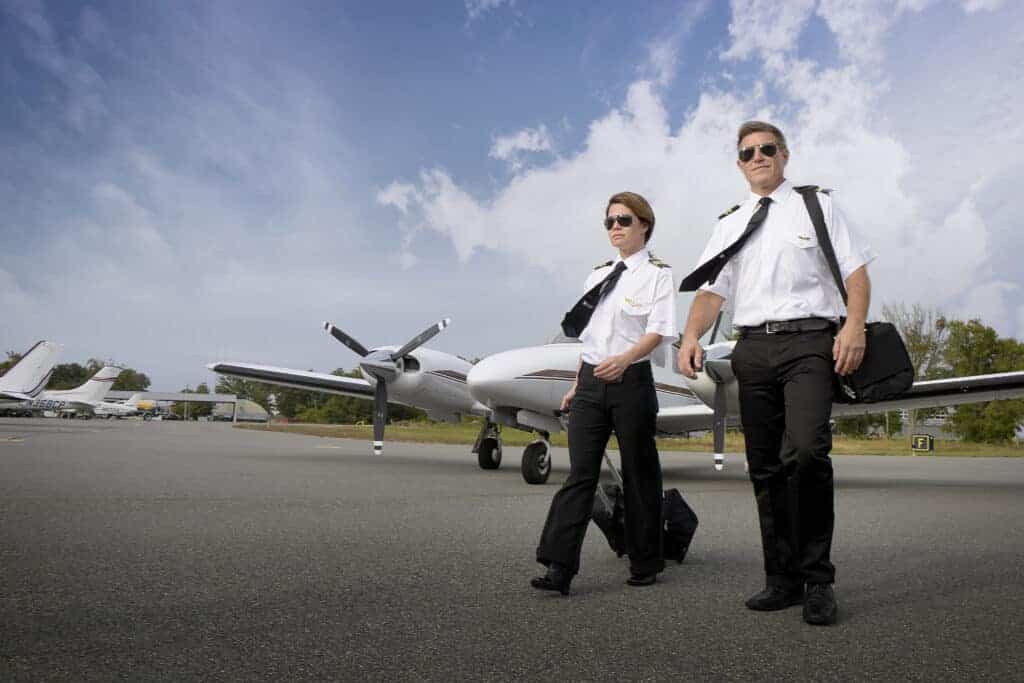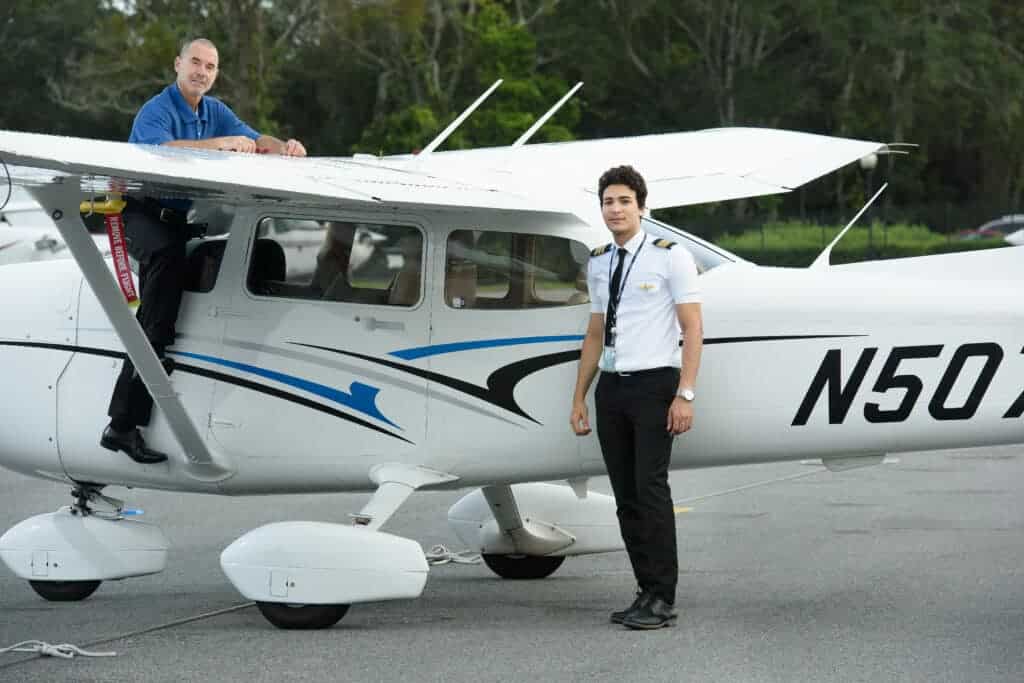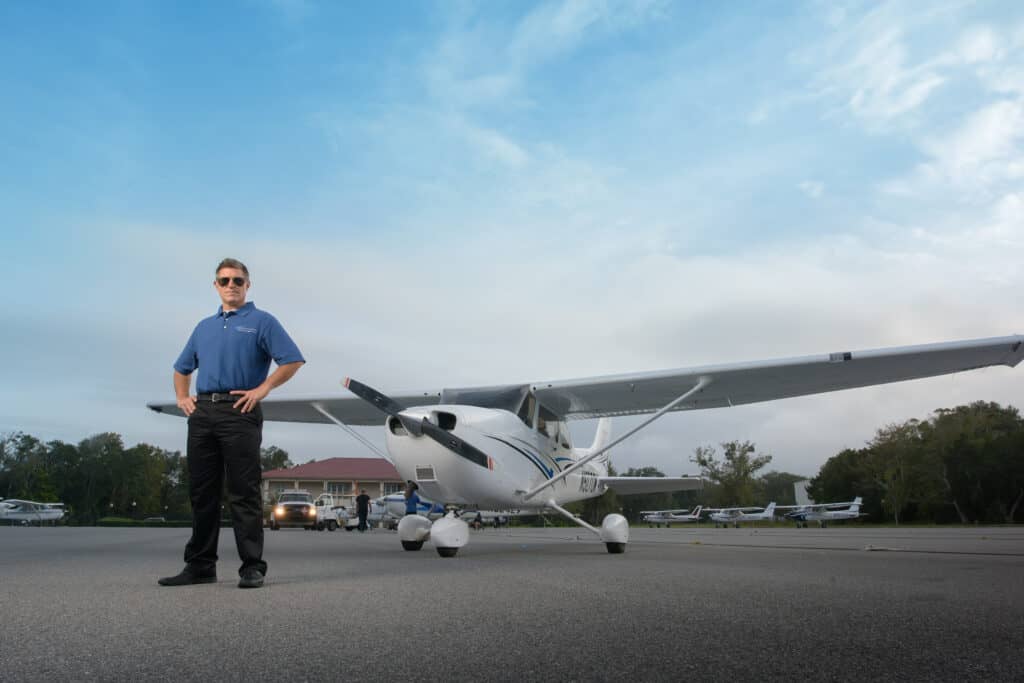

Germany, renowned for its robust aviation industry and stringent safety standards, stands as a premier destination for aspiring pilots worldwide. The comprehensive Pilot Training in Germany are designed to equip students with the skills and knowledge required to excel in various aviation sectors. Whether your ambition is to fly commercial airliners or private jets, pilot training in Germany offers a blend of theoretical knowledge and practical experience, ensuring a well-rounded education that meets international standards.
In addition to top-notch training facilities, Germany provides a supportive environment for pilots, with numerous opportunities for career advancement. The country’s aviation sector is continuously evolving, driven by innovation and a commitment to excellence. This article delves into the specific requirements, training pathways, and career prospects for those considering pilot training in Germany, highlighting why it remains a preferred choice for aviation education.
Pilot training in Germany is highly regarded due to the country’s stringent safety standards, advanced training facilities, and a long-standing tradition of excellence in aviation. Germany is home to some of the world’s leading flight schools like Florida Flyers Flight Academy, which offer state-of-the-art flight simulators, modern aircraft, and experienced instructors. These factors contribute to a comprehensive training experience that prepares pilots for a variety of aviation careers.
Furthermore, Germany’s strategic location in the heart of Europe provides unique advantages. Trainees have access to diverse airspace environments and can gain experience flying in different weather conditions and terrain types. The country’s aviation sector is also well-integrated with the global aviation industry, providing graduates with ample opportunities for international career advancement. Choosing pilot training in Germany means benefiting from a well-rounded, internationally recognized education that opens doors to a wide range of career possibilities.
The Luftfahrt-Bundesamt (LBA), Germany’s Federal Aviation Office, plays a crucial role in ensuring the quality and safety of pilot training in Germany. As the national aviation authority, the LBA is responsible for regulating and overseeing all aspects of civil aviation, including pilot training programs. It sets the standards for training curricula, certifies flight schools, and conducts regular inspections to ensure compliance with both national and international aviation regulations.
Pilot training in Germany is subject to stringent LBA requirements, which ensures that all training programs meet high safety and quality standards. The LBA’s oversight guarantees that aspiring pilots receive thorough and rigorous training, covering essential areas such as flight theory, practical flight training, and simulator sessions. By maintaining these high standards, the LBA ensures that pilots trained in Germany are well-prepared to handle the demands of modern aviation and are recognized globally for their expertise and professionalism.
Embarking on pilot training in Germany requires meeting several essential requirements, which ensure that candidates are well-prepared for the rigors of aviation training and subsequent careers. These requirements encompass educational qualifications, medical fitness, language proficiency, and other key criteria.
To pursue pilot training in Germany, candidates must typically hold at least a high school diploma or an equivalent qualification. Strong skills in mathematics and physics are advantageous, as these subjects form the foundation of many aspects of aviation theory and practice. Some advanced training programs may require higher educational qualifications or prior aviation-related experience.
A crucial requirement for pilot training in Germany is obtaining a Class 1 Medical Certificate, issued by an authorized aviation medical examiner. This certificate ensures that candidates meet the stringent health and fitness standards necessary for safe flying. The medical examination covers various aspects, including vision, hearing, cardiovascular health, and overall physical condition.
Proficiency in English is essential for pilot training in Germany, as it is the international language of aviation. Candidates must demonstrate a strong command of English, both written and spoken, to effectively communicate during training and in professional settings. Some flight schools may also require proficiency in German, depending on the specific program and location.
The minimum age for beginning pilot training in Germany is typically 17 or 18 years old, depending on the specific flight school and training program. However, candidates must be at least 21 years old to obtain a Commercial Pilot License (CPL) and 23 years old for an Airline Transport Pilot License (ATPL).
Candidates must complete a comprehensive training program that includes both theoretical and practical components. The theoretical training covers subjects such as navigation, meteorology, aviation law, and aircraft systems. Practical training involves flight instruction, simulator sessions, and solo flights. Upon completion of the training program, candidates must pass a series of written exams and practical flight tests administered by the Luftfahrt-Bundesamt (LBA).
Pilot training in Germany can be a significant financial investment. Prospective pilots should be prepared for the costs associated with training, which can include tuition fees, examination fees, medical examinations, and other related expenses. Many flight schools offer financing options or scholarships to help offset these costs.
Meeting these requirements is the first step toward a successful career in aviation. Pilot training in Germany, with its rigorous standards and comprehensive programs, ensures that candidates are well-equipped to meet the demands of the aviation industry and excel in their roles as professional pilots.
Choosing the right flight school is a critical decision when pursuing pilot training in Germany. With numerous institutions offering various programs, it’s essential to evaluate several key factors to ensure you receive the best possible education and training. Here’s a detailed guide to help you select the right flight school for your needs:
One of the first considerations is whether the flight school is accredited and certified by the Luftfahrt-Bundesamt (LBA). Certification ensures that the school meets the stringent regulatory standards required for pilot training in Germany. Accredited schools like the Florida Flyers Flight Academy provide high-quality training programs that adhere to both national and international aviation regulations.
Flight schools in Germany offer a range of training programs, including Private Pilot Licenses (PPL), Commercial Pilot Licenses (CPL), and Airline Transport Pilot Licenses (ATPL). Assess the school’s curriculum to ensure it aligns with your career goals. Look for programs that offer comprehensive theoretical instruction, practical flight training, and advanced simulator sessions.
The quality of instruction is crucial for effective pilot training. Research the qualifications and experience of the flight instructors at each school. Experienced instructors with extensive flying backgrounds and teaching expertise contribute significantly to a well-rounded training experience. Many top schools employ former airline pilots or aviation professionals with a wealth of knowledge.
Evaluate the facilities and equipment available at the flight school. Modern, well-maintained aircraft and state-of-the-art simulators enhance the training experience and ensure you are trained using the latest technology. Schools with a diverse fleet of aircraft and advanced simulation tools provide a more comprehensive learning environment.
Seek out reviews and testimonials from current and former students to gauge the school’s reputation and the quality of its training programs. High student satisfaction and successful career placements are indicators of a reliable flight school. Additionally, inquire about the school’s pass rates for written exams and practical flight tests.
Consider the location of the flight school and its accessibility. Schools located near major airports or aviation hubs may offer more varied flight experience and exposure to different airspace environments. Additionally, proximity to your residence can affect your convenience and overall training experience.
Pilot training in Germany can be a significant financial investment. Compare the costs of different flight schools, including tuition fees, equipment charges, and additional expenses. Many schools offer financing options, scholarships, or payment plans to help manage the costs. Make sure to review these options and choose a school that fits your budget and financial situation.
Look for flight schools that offer additional support services, such as career counseling, job placement assistance, and mentoring programs. These services can provide valuable guidance and enhance your prospects for securing a job after completing your training.
Selecting the right flight school is a pivotal step in your journey towards becoming a professional pilot. By thoroughly researching and evaluating these factors, you can ensure that your pilot training in Germany is both effective and rewarding, setting you up for a successful career in aviation.
Embarking on pilot training in Germany involves several important steps, each designed to ensure that aspiring pilots receive comprehensive and effective training. This step-by-step guide outlines the process from initial application to obtaining your pilot license.
The first step in pilot training in Germany is to research and select a reputable flight school. Evaluate schools based on accreditation, instructor experience, training facilities, and program offerings. Ensure the school is certified by the Luftfahrt-Bundesamt (LBA) and offers the specific training program you need, whether it’s for a Private Pilot License (PPL), Commercial Pilot License (CPL), or Airline Transport Pilot License (ATPL).
Before enrolling, confirm that you meet the eligibility requirements for pilot training in Germany. This includes holding a high school diploma or equivalent, obtaining a Class 1 Medical Certificate from an authorized aviation medical examiner, and demonstrating proficiency in English. Some programs may have additional prerequisites, so review the specific requirements of your chosen flight school.
Once you have selected a flight school, complete the enrollment process. This typically involves submitting an application, providing necessary documentation (such as medical certificates and educational transcripts), and paying any required fees. After acceptance, you will begin your formal training.
Pilot training in Germany includes a significant component of ground school, where you will study aviation theory. This includes subjects such as navigation, meteorology, aircraft systems, and aviation regulations. Ground school is crucial for passing written exams and understanding the theoretical aspects of flying.
Alongside ground school, you will start practical flight training. This involves hands-on instruction in an aircraft with a certified flight instructor. You will learn essential flying skills, including takeoff and landing, navigation, and emergency procedures. Training will include both dual instruction (with an instructor) and solo flights.
To progress through pilot training in Germany, you must pass a series of examinations. These include written tests covering aviation theory and practical flight tests with an examiner. The exams assess your knowledge and skills, ensuring you meet the standards required for each license.
Meeting the flight hour requirements is a crucial step in obtaining your pilot license. Different licenses require varying amounts of flight time, including both dual and solo hours. Your flight school will track your progress and ensure you meet these requirements as part of your training.
Upon successfully completing your training, passing all required exams, and accumulating the necessary flight hours, you will apply for your pilot license. The Luftfahrt-Bundesamt (LBA) will review your application and issue the appropriate license, whether it’s a PPL, CPL, or ATPL.
Depending on your career goals, you may need additional certifications or ratings. For example, if you aim to work as a commercial pilot or airline pilot, you may need to obtain type ratings for specific aircraft or additional endorsements for instrument or multi-engine operations.
With your pilot license in hand, you can begin your aviation career. Whether you pursue opportunities as a commercial pilot, flight instructor, or in another aviation role, your training in Germany will have prepared you for a successful and rewarding career in the skies.
Following this step-by-step guide ensures a structured and thorough approach to pilot training in Germany, helping you achieve your aviation goals with confidence and competence.
Pilot training can be a significant financial investment, and iPilot training in Germany is a significant financial commitment, and understanding the costs involved, as well as exploring funding options, is crucial for prospective students. Here’s a detailed look at the financial considerations and scholarship opportunities available for pilot training in Germany.
The cost of pilot training in Germany varies depending on the type of license and the flight school you choose. Generally, expenses include tuition fees, aircraft rental, instructor fees, medical examinations, and examination fees. For a Private Pilot License (PPL), costs typically range from €10,000 to €15,000, while obtaining a Commercial Pilot License (CPL) or an Airline Transport Pilot License (ATPL) can range from €50,000 to €100,000 or more.
Additional costs may include purchasing flight gear, such as uniforms, headsets, and textbooks. It’s important to budget for these expenses and plan accordingly to ensure a smooth training experience.
Several financing options can help manage the costs of pilot training in Germany:
Several scholarships and grants are available to help offset the costs of pilot training in Germany:
Effective budgeting and financial planning are crucial for managing the costs of pilot training in Germany. Create a detailed financial plan that includes all potential expenses and sources of funding. Monitor your budget throughout your training to ensure you stay on track and make adjustments as needed.
By understanding the financial considerations and exploring available scholarships and funding options, you can better prepare for the costs associated with pilot training in Germany and make informed decisions to support your aviation career aspirations.
Upon successful completion of pilot training in Germany, a wide range of career opportunities awaits. German-trained pilots are highly sought after due to the rigorous training standards and global recognition of their licenses. Some potential career paths include:
Commercial Airlines: Pilots can pursue careers with major commercial airlines, both within Germany and internationally, flying passenger and cargo aircraft on domestic and international routes.
Business Aviation: Corporate and private aviation companies often hire pilots to operate executive jets and corporate aircraft for business travel and charter operations.
Air Ambulance and Rescue Services: Pilots with specialized training can find employment in air ambulance services, search and rescue operations, or other emergency response roles.
Flight Instruction: Experienced pilots can become certified flight instructors, passing on their knowledge and expertise to the next generation of aviators.
Aviation Industry Roles: Pilots can also explore opportunities in related aviation fields, such as aircraft maintenance, air traffic control, or aviation management and administration.
In the ever-evolving aviation industry, continuous learning and professional development are essential for pilots to maintain their skills and stay abreast of the latest developments. Germany offers various opportunities for pilots to pursue advanced training and specialized certifications, including:
Type Ratings: Pilots can obtain type ratings for specific aircraft models, enabling them to operate those aircraft for commercial operations.
Instructor Certifications: Experienced pilots can pursue certifications to become certified flight instructors, ground instructors, or simulator instructors, enabling them to train and mentor aspiring pilots.
Specialized Training: Pilots can seek additional training in areas such as crew resource management, upset prevention and recovery training, and advanced navigation techniques.
Recurrent Training: Pilots must undergo periodic recurrent training to maintain their proficiency and stay up-to-date with regulatory changes and industry best practices.
Many airlines, flight schools, and aviation organizations in Germany offer continuing education programs and advanced training opportunities to support the professional growth and development of pilots.
Pursuing pilot training in Germany is an excellent choice for aspiring aviators seeking a comprehensive and globally recognized education. With its robust aviation infrastructure, stringent standards, and renowned flight schools, Germany provides a world-class training environment. By navigating the requirements, selecting the right flight school, and exploring financial aid opportunities, aspiring pilots can embark on a rewarding career in the skies.
If you’re passionate about aviation and ready to take the first step towards a career as a pilot, consider enrolling in Florida Flyers Flight Academy. Our experienced instructors and state-of-the-art facilities will provide you with a world-class education, paving the way for exciting career opportunities both within Germany and globally. Don’t hesitate; take the leap and start your journey towards becoming a skilled and licensed pilot today!
Contact the Florida Flyers Flight Academy Team today at (904) 209-3510 to learn more about the Private Pilot Ground School Course.