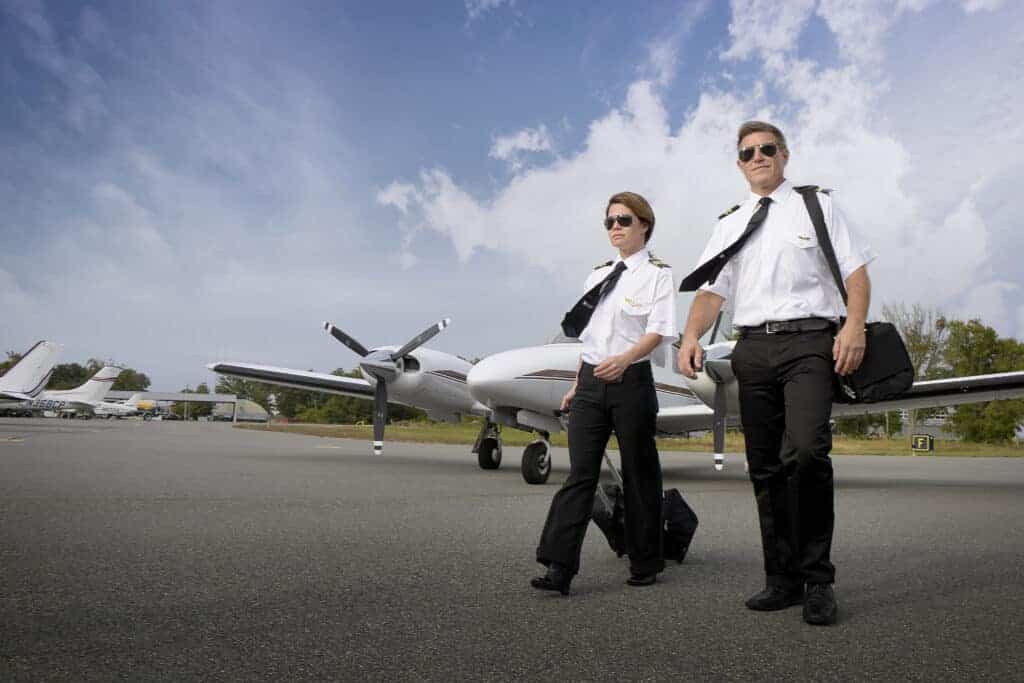
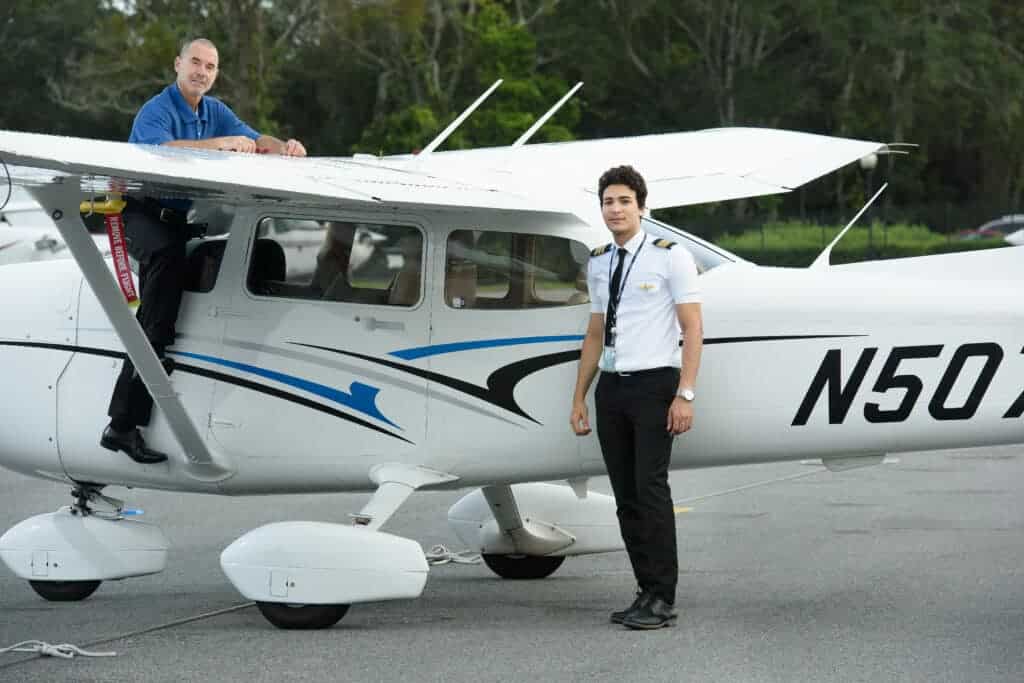
Austria, with its rich aviation history and cutting-edge training facilities, stands out as an ideal destination for aspiring pilots. The country’s strategic location in Europe, combined with its strong aviation infrastructure, makes it a hub for high-quality pilot education. Airline pilot training in Austria is renowned for its adherence to rigorous international standards, ensuring that graduates are well-prepared for careers with major airlines worldwide.
The Airline Pilot Training in Austria are designed to provide a comprehensive education, covering everything from theoretical knowledge to practical flight experience. With a focus on safety, innovation, and excellence, these programs attract students from around the globe. In this article, we will explore the key aspects of airline pilot training in Austria, including the top flight schools, the training process, and the career opportunities available to graduates.
Choosing Austria for pilot training offers numerous advantages that make it a top destination for aspiring airline pilots. One of the primary reasons is the country’s exceptional aviation infrastructure, which includes modern airports, advanced flight simulators, and well-equipped training facilities. The airline pilot training in Austria is known for its high standards and comprehensive curriculum, which covers both theoretical and practical aspects of flying, ensuring that students receive a well-rounded education.
Additionally, Austria’s central location in Europe provides access to a diverse range of flying conditions and airspace environments, allowing trainees to gain valuable experience in various scenarios. The country’s flight schools are also staffed by experienced instructors who bring a wealth of real-world knowledge to the classroom. With a strong emphasis on safety, innovation, and excellence, Austria has earned a reputation as a leading destination for pilot training, attracting students from around the world who seek to launch their aviation careers on a solid foundation.
Embarking on airline pilot training in Austria involves meeting specific requirements to ensure that candidates are well-prepared for the demands of the profession. Firstly, aspiring pilots must have a minimum educational background, typically a high school diploma or equivalent, with strong proficiency in mathematics and physics. English language proficiency is also crucial, as it is the standard language of aviation.
Candidates must then obtain a Class 1 Medical Certificate, which involves a thorough medical examination to confirm they meet the necessary health standards for commercial pilots. Following this, students can enroll in an approved flight training program, which includes both ground school and flight training components. Ground school covers essential theoretical knowledge such as aerodynamics, navigation, meteorology, and aviation regulations. Flight training provides hands-on experience under the supervision of certified instructors, gradually building up to solo flights and complex maneuvers.
Additionally, trainees must pass several exams throughout their training, including written tests and practical flight assessments. Upon successful completion of the training program and exams, candidates receive their Commercial Pilot License (CPL) with an Instrument Rating (IR), qualifying them to begin their careers as professional airline pilots. The rigorous requirements and high standards of airline pilot training in Austria ensure that graduates are exceptionally well-prepared for the responsibilities and challenges of flying commercial aircraft.
Austria is home to a diverse range of flight schools, each offering unique programs and specializations to cater to the varying needs and aspirations of aspiring pilots. Here are some of the prominent types of flight schools you’ll encounter:
Integrated Flight Training Organizations (FTOs): These comprehensive institutions provide ab-initio training, taking students from zero flight experience to obtaining their frozen Airline Transport Pilot License (ATPL). FTOs offer a structured curriculum that combines ground school, simulator training, and flight instruction.
Modular Flight Schools: For those seeking more flexibility, modular flight schools allow students to progress through their training at their own pace. Courses are offered individually, enabling pilots to build their qualifications step-by-step.
University-Affiliated Flight Schools: Several Austrian universities have established partnerships with flight schools, offering degree programs that combine academic studies with practical flight training.
Specialized Training Providers: Certain flight schools specialize in specific areas, such as multi-engine aircraft training, instrument rating courses, or type rating programs for specific aircraft models.
Private Flight Clubs: These member-based organizations provide a more intimate and community-driven approach to flight training, often with a focus on general aviation or recreational flying.
Austro Control plays a pivotal role in ensuring the quality and safety of airline pilot training in Austria. As the national civil aviation authority, Austro Control is responsible for regulating and overseeing all aspects of civil aviation, including pilot training programs. Their rigorous standards and strict regulations ensure that all flight schools and training organizations comply with both national and international aviation safety requirements.
One of Austro Control’s primary responsibilities is the certification and continuous oversight of flight training institutions. They conduct regular audits and inspections to verify that these institutions maintain the highest levels of training quality, safety, and operational efficiency. Additionally, Austro Control is involved in the licensing process for pilots, which includes setting the standards for training syllabi, examinations, and practical flight assessments.
Moreover, Austro Control’s air traffic management services provide a safe and controlled environment for flight training operations. This ensures that trainee pilots can gain experience in real-world flying conditions while adhering to strict safety protocols. By maintaining these high standards and offering robust oversight, Austro Control ensures that airline pilot training in Austria produces highly skilled and competent pilots ready to meet the demands of the aviation industry.
Embarking on your journey to become a professional pilot involves several key steps. This step-by-step guide will help you navigate the process of starting your airline pilot training in Austria.
Step 1: Research and Choose a Flight School
Begin by researching various flight schools in Austria that offer airline pilot training. Look for schools with a strong reputation, modern facilities, and experienced instructors. Ensure the school is certified by Austro Control and meets international training standards.
Step 2: Meet the Entry Requirements
Ensure you meet the basic entry requirements for airline pilot training in Austria. This typically includes having a high school diploma or equivalent, proficiency in English, and strong skills in mathematics and physics. You must also be at least 18 years old.
Step 3: Obtain a Class 1 Medical Certificate
Schedule a medical examination with an authorized aviation medical examiner to obtain a Class 1 Medical Certificate. This certificate is necessary to ensure you meet the health standards required for commercial pilots.
Step 4: Enroll in Ground School
Once you have chosen a flight school and obtained your medical certificate, enroll in the ground school portion of your training. This phase covers essential theoretical knowledge, including aerodynamics, navigation, meteorology, and aviation regulations.
Step 5: Begin Flight Training
After completing ground school, start your flight training. This involves hands-on flying experience under the supervision of certified flight instructors. You will gradually progress from basic maneuvers to more complex operations, including solo flights and instrument flying.
Step 6: Pass Written and Practical Exams
Throughout your training, you will need to pass several written exams to demonstrate your theoretical knowledge. Additionally, you must pass practical flight assessments to prove your flying skills.
Step 7: Obtain Your Commercial Pilot License (CPL) with Instrument Rating (IR)
Upon successfully completing your training and passing all required exams, you will receive your Commercial Pilot License (CPL) with an Instrument Rating (IR). This certification qualifies you to operate as a professional airline pilot.
Step 8: Pursue Additional Ratings and Certifications
Depending on your career goals, you may choose to pursue additional ratings and certifications, such as a Multi-Engine Rating or an Airline Transport Pilot License (ATPL). These additional qualifications can enhance your skills and expand your career opportunities.
By following these steps, you can successfully start your airline pilot training in Austria and work towards a rewarding career in the aviation industry.
Airline pilot training in Austria is meticulously structured to ensure that aspiring pilots receive comprehensive education and practical experience. The key components of this training encompass various aspects designed to produce well-rounded and competent pilots ready for the challenges of commercial aviation.
1. Ground School
Ground school forms the foundation of airline pilot training in Austria. It covers essential theoretical knowledge areas, including aerodynamics, aircraft systems, meteorology, navigation, flight planning, and aviation regulations. This phase ensures that students have a strong understanding of the principles that underpin safe and efficient flight operations.
2. Flight Training
Flight training is the practical aspect of the program, where students apply the knowledge gained in ground school. Conducted in modern training aircraft, this phase includes basic flight maneuvers, cross-country flights, night flying, and instrument flight rules (IFR) operations. Students progress from initial training flights to more complex scenarios, gradually building confidence and competence.
3. Simulator Training
Simulator training is a critical component of airline pilot training in Austria. Advanced flight simulators replicate various flight conditions and emergency situations, providing a safe environment for students to practice and refine their skills. This training is crucial for developing proficiency in handling complex aircraft systems and emergency procedures.
4. Instrument Rating (IR)
Achieving an Instrument Rating (IR) is a vital part of airline pilot training. It qualifies pilots to fly under instrument flight rules, enabling them to operate in various weather conditions and reduced visibility. This rating is essential for commercial pilots, as it enhances their operational capabilities and safety.
5. Multi-Crew Cooperation (MCC)
Multi-Crew Cooperation (MCC) training prepares pilots to work effectively as part of a cockpit crew. This component emphasizes teamwork, communication, and coordination, which are crucial for the safe and efficient operation of multi-crew aircraft. MCC training is often conducted in simulators, simulating real-world airline operations.
6. Licensing and Exams
Throughout the training program, students must pass several written exams and practical flight tests to demonstrate their knowledge and proficiency. These assessments are administered by Austro Control and other regulatory bodies to ensure that candidates meet the required standards for commercial pilots.
7. Ongoing Professional Development
Airline pilot training in Austria also emphasizes the importance of ongoing professional development. Pilots are encouraged to pursue additional ratings and endorsements, such as multi-engine and type ratings, to enhance their skills and career prospects. Continuous learning and training are integral to maintaining high standards of safety and competence in the aviation industry.
These key components ensure that airline pilot training in Austria produces highly skilled pilots equipped with the knowledge, experience, and professionalism required for successful careers in commercial aviation.
The cost of airline pilot training in Austria can vary significantly depending on the type of program, flight school, and additional factors. While the investment can be substantial, it is essential to consider the long-term benefits and potential earnings of a career as an airline pilot. Here’s an overview of the typical costs associated with pilot training in Austria:
Integrated Flight Training Programs: These comprehensive programs, which take students from zero experience to a frozen Airline Transport Pilot License (ATPL), can range from €60,000 to €100,000 or more, depending on the institution and duration.
Modular Training: For those pursuing a modular approach, the costs can be broken down as follows:
Additional Expenses:
It’s important to note that these costs are approximate and can vary based on factors such as the flight school’s location, aircraft fleet, and additional services offered. Many flight schools provide financing options, such as installment plans or student loans, to help manage the financial burden.
Recognizing the significant investment required for pilot training, several organizations and institutions in Austria offer scholarships and financial aid opportunities to support aspiring aviators. These programs aim to alleviate the financial burden and make pilot training more accessible to deserving individuals. Here are some notable scholarship and financial aid options:
Airline-Sponsored Scholarships: Major airlines in Austria, such as Austrian Airlines and Lufthansa, offer scholarships and cadet programs to promising candidates, covering a portion or the entirety of their training costs in exchange for a commitment to work for the airline upon completion.
Government Grants and Loans: The Austrian government provides various grants and low-interest loans to support students pursuing aviation-related studies, including pilot training programs.
University Scholarships: Several Austrian universities with aviation programs offer scholarships and financial aid packages to outstanding students based on academic merit, financial need, or other criteria.
Private Scholarships: Various private organizations, foundations, and aviation associations in Austria offer scholarships specifically for aspiring pilots, often based on factors such as academic performance, community involvement, or personal essays.
Flight School Financing Options: Many flight schools in Austria offer financing plans, such as installment payment options or student loan assistance, to help make pilot training more accessible.
It’s essential to research and apply for these opportunities early, as competition can be fierce and deadlines may vary. Additionally, maintaining excellent academic performance, demonstrating a strong commitment to aviation, and actively participating in extracurricular activities can enhance your chances of securing financial support.
Upon successfully completing your airline pilot training in Austria, a world of exciting career opportunities awaits. With the necessary licenses, ratings, and experience, you’ll be qualified for various roles within the aviation industry, both in Austria and internationally. Here are some potential job prospects to explore:
Commercial Airline Pilot: The ultimate goal for many aspiring aviators is to secure a position as a pilot with a major commercial airline. Austrian carriers such as Austrian Airlines, Lufthansa, and EasyJet, as well as international airlines, actively recruit pilots from Austrian flight schools.
Corporate and Business Aviation: Private companies and corporations often employ pilots to operate their corporate jets and business aircraft, offering competitive salaries and unique travel opportunities.
Air Cargo and Charter Operations: Air cargo carriers and charter flight operators provide additional employment opportunities, allowing pilots to gain valuable experience in specialized operations.
Flight Instructor: Aspiring pilots can share their knowledge and passion by becoming flight instructors at flight schools, helping to train the next generation of aviators while building valuable flight hours.
Aviation Consulting and Management: With the right qualifications and experience, pilots can transition into aviation consulting roles, providing expertise in areas such as safety management, operations, or regulatory compliance.
Military Aviation: The Austrian Armed Forces and other international military organizations offer exciting career paths for pilots, including roles in transport, combat, and search and rescue operations.
General Aviation: Private pilots can explore opportunities in general aviation, such as aerial photography, aerial surveying, or even starting their own flight school or aviation-related business.
The aviation industry in Austria and beyond offers a diverse range of career paths, each with its own unique challenges and rewards. By staying proactive, networking within the industry, and continuously developing your skills, you can position yourself for success in the dynamic and ever-evolving world of aviation.
Embarking on airline pilot training in Austria is an exciting and challenging journey. To maximize your success and make the most of your training, consider the following tips:
1. Stay Committed and Motivated
Airline pilot training in Austria is demanding, requiring dedication and perseverance. Stay committed to your goals and maintain a positive attitude. Remind yourself of the reasons you chose this career path and keep your long-term objectives in mind.
2. Develop Strong Study Habits
Theoretical knowledge is a critical part of your training. Develop effective study habits to master subjects like aerodynamics, navigation, and meteorology. Create a study schedule, use a variety of learning resources, and regularly review your notes to reinforce your understanding.
3. Seek Feedback and Learn from Mistakes
During your flight training, listen carefully to feedback from your instructors and use it to improve your skills. Don’t be discouraged by mistakes; instead, view them as learning opportunities. Continuous improvement is key to becoming a proficient pilot.
4. Prioritize Safety
Safety is the cornerstone of aviation. Always prioritize safety in every aspect of your training. Follow procedures meticulously, perform thorough pre-flight checks, and never hesitate to ask questions or seek clarification on safety-related matters.
5. Network with Peers and Professionals
Building a network within the aviation community can provide valuable support and opportunities. Connect with your fellow trainees, instructors, and industry professionals. Participate in aviation forums, attend seminars, and join pilot associations to expand your network.
6. Maintain Physical and Mental Health
A pilot’s job is physically and mentally demanding. Maintain a healthy lifestyle by eating well, exercising regularly, and getting adequate sleep. Additionally, practice stress management techniques to keep your mind sharp and focused.
7. Stay Adaptable and Open to Learning
The aviation industry is constantly evolving, with new technologies and regulations emerging regularly. Stay adaptable and open to continuous learning. Embrace new challenges and stay updated on industry trends and developments.
8. Utilize Flight Simulators
Make the most of flight simulators to enhance your training. Simulators allow you to practice various scenarios and emergency procedures in a controlled environment, helping you build confidence and competence without the risks associated with real flight.
9. Manage Your Time Effectively
Time management is crucial during your training. Balance your study time, flight hours, and personal life effectively. Prioritize tasks and set realistic goals to ensure steady progress throughout your training program.
10. Embrace a Professional Attitude
From day one, adopt a professional attitude in all aspects of your training. This includes punctuality, dress code, communication, and overall demeanor. Demonstrating professionalism will set a strong foundation for your future career as an airline pilot.
By following these tips, you can navigate the challenges of airline pilot training in Austria successfully and position yourself for a rewarding career in aviation.
Completing your airline pilot training in Austria opens the door to a rewarding and dynamic career in aviation. Austria’s high standards of training, excellent facilities, and strong regulatory oversight ensure that you receive top-quality education and hands-on experience. As you approach the completion of your training, it’s essential to consider your next steps to transition smoothly into the professional world.
Conclusion
Airline pilot training in Austria equips you with the necessary skills, knowledge, and certifications to excel in the aviation industry. From comprehensive ground school education to rigorous flight training and simulator practice, every aspect of your training is designed to prepare you for the challenges and responsibilities of being a professional pilot. The involvement of Austro Control ensures that the training standards remain high, fostering a culture of safety and excellence.
Next Steps
1. Job Applications
Begin applying for positions with airlines and aviation companies. Tailor your resume to highlight your training, certifications, and any additional skills or experiences that set you apart. Networking with industry professionals and attending job fairs can also help you discover job opportunities.
2. Additional Ratings and Certifications
Consider pursuing additional ratings and certifications, such as a Multi-Engine Rating or an Airline Transport Pilot License (ATPL). These qualifications can enhance your employability and open up more advanced career opportunities.
3. Continued Professional Development
Stay engaged with ongoing professional development. Attend workshops, seminars, and courses to keep up-to-date with the latest industry trends and advancements. Continuous learning is vital for maintaining your skills and staying competitive in the aviation job market.
4. Building Flight Hours
Gaining more flight hours is crucial for advancing your career. Look for opportunities to build your hours, whether through instructing, charter flying, or other aviation jobs. The more experience you accumulate, the more attractive you become to potential employers.
5. Stay Informed
Keep abreast of changes in aviation regulations, technology, and best practices. Being knowledgeable about the latest developments in the field will make you a more effective and adaptable pilot.
By following these next steps, you can transition smoothly from your training to a successful career as an airline pilot. The foundation you have built during your airline pilot training in Austria will serve you well as you embark on this exciting and fulfilling journey in the aviation industry.
Ready to take the first step towards an exciting career in aviation? Join Florida Flyers Flight Academy today and soar to new heights with our comprehensive pilot training programs. Apply now and start your journey to becoming a professional pilot!
Contact the Florida Flyers Flight Academy Team today at (904) 209-3510 to learn more about the Private Pilot Ground School Course.