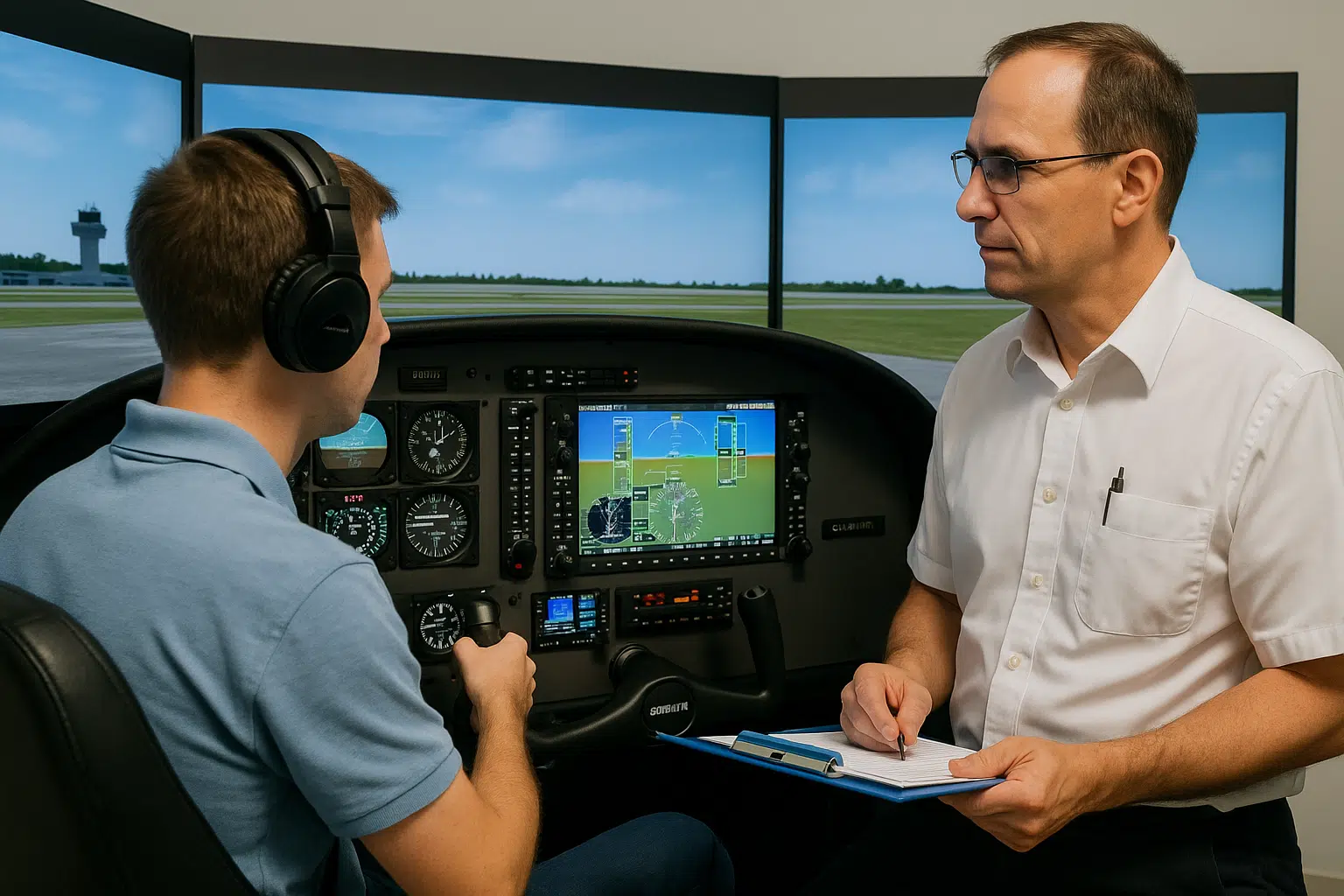
When you’re thousands of feet in the air, your physical fitness for aviation isn’t just about looking sharp in uniform—it’s about being mentally alert, physically capable, and medically cleared to make sound decisions in high-stakes environments.
Pilots face unique physical and psychological demands: long hours, changing altitudes, irregular sleep, and the constant need for precision. Whether you’re a student pilot preparing for your first solo or a commercial pilot flying cross-country, your body and mind are critical tools—just like your aircraft.
Staying fit isn’t optional; it directly affects your endurance, reaction time, and ability to pass FAA medical exams. And as aviation grows more competitive, a pilot’s health can often be the edge that keeps them sharp, safe, and airworthy.
In this guide, we’ll break down everything you need to know about physical fitness for aviation—from FAA medical standards and workout routines to nutrition, sleep, and mental health strategies that actually work for pilots.
Physical Fitness for Aviation: Why it Matters for Pilots
Physical fitness for aviation goes far beyond passing a medical exam. It’s the foundation for sharp performance, fast decision-making, and long-term safety in the cockpit.
When you’re flying, your body is under constant stress—even if you’re sitting still. G-forces, pressurization changes, fatigue, and long hours can all affect performance. A fit pilot is more likely to maintain mental clarity, respond quickly in emergencies, and manage stress effectively.
Here’s how fitness impacts pilot performance:
- Cardiovascular health supports endurance during long flights.
- Core strength and flexibility improve posture and reduce fatigue.
- Regular exercise increases oxygen efficiency, which helps combat hypoxia and G-force fatigue.
- Mental fitness (which stems from physical health) improves reaction time and decision-making.
If you’re aiming for a long-term aviation career, investing in your health now isn’t optional—it’s essential. Fit pilots tend to recover faster, fly more consistently, and perform better in checkrides and simulator evaluations.

FAA Medical Requirements Every Pilot Should Understand
Every pilot must meet FAA medical standards, and staying in good shape makes it easier to maintain your certification without surprises. Understanding what’s required—based on your training level or career goal—is key to managing your physical fitness for aviation proactively.
The 3 FAA Medical Classes:
- Class 1 – Required for airline transport pilots (ATP). It’s the most stringent, with vision, hearing, EKG (age 35+), and frequent renewal requirements (6 or 12 months).
- Class 2 – For commercial pilots. Similar to Class 1 but with longer validity periods and less frequent exams.
- Class 3 – For private pilots. Basic health check, valid up to 60 months if under age 40.
Health Conditions That Could Affect Your Medical Certification
When it comes to physical fitness for aviation, understanding what may disqualify you from holding an FAA medical certificate is crucial. Many future pilots are caught off guard by conditions that could’ve been managed or prevented early on.
Here’s a more practical breakdown:
| Category | What to Watch For |
|---|---|
| Cardiovascular Health | Hypertension, arrhythmia, history of heart attack, or stents may require further documentation, stress tests, or special issuance from the FAA. |
| Mental Health | Depression, anxiety, ADHD, or medication for any psychiatric condition must be disclosed. Some conditions are not automatic disqualifiers but require FAA evaluation. |
| Metabolic Conditions | Type 1 diabetes is often disqualifying, while Type 2 may be allowed under strict control with detailed medical history. Obesity can also lead to complications in blood pressure and sleep apnea. |
| Vision & Hearing | Poor vision must be correctable to 20/20. Color blindness and hearing issues may require further testing, but many pilots fly with special issuances. |
| Substance Use | Any history of alcohol or drug abuse is taken seriously. The FAA will request documentation, evaluations, and proof of recovery before considering certification. |
Tip: Many conditions can be managed with proactive lifestyle choices. Regular exercise, a heart-healthy diet, and routine checkups dramatically reduce your risk of medical surprises during an FAA exam.
Before applying, review your health history honestly. And when in doubt, consult an FAA Aviation Medical Examiner (AME) or use the FAA’s MedXPress system to pre-screen your case confidentially.
Recommended Exercise Routine for Physical Fitness for Aviation
Maintaining physical fitness for aviation doesn’t require a gym membership or a military-level workout plan. What matters is staying strong, flexible, and energized enough to handle the mental and physical demands of flight—especially long missions, irregular schedules, and high workloads.
Pilots need a well-rounded fitness plan focused on three key areas:
A. Cardiovascular Endurance
Cardiovascular endurance is a core component of physical fitness for aviation. It helps pilots maintain stamina during long flight hours and improves circulation, which is essential for oxygen delivery—especially at altitude. A strong cardiovascular system reduces fatigue, keeps your mind sharp under pressure, and supports safer, more responsive flying.

Regular aerobic activity also lowers the risk of hypertension and heart-related conditions, which are common medical concerns flagged during FAA exams. To maintain optimal physical fitness for aviation, aim for at least 30 minutes of moderate cardio 3–4 times a week—such as brisk walking, cycling, swimming, or using a treadmill.
B. Functional Strength Training
Functional strength training plays a crucial role in physical fitness for aviation, especially for pilots who spend extended hours seated in tight cockpit spaces. Strong core and back muscles help maintain proper posture, reducing fatigue and improving comfort during long flights. This kind of training also improves stability and control during high workload phases like takeoffs, landings, and emergency procedures.
By focusing on functional movements—like squats, planks, push-ups, and resistance band exercises—pilots can prevent common aviation-related issues such as lower back pain, joint stiffness, and muscle imbalances. A consistent strength routine, even just 2–3 times per week, helps future and active pilots maintain the physical readiness demanded by flight operations and supports long-term physical fitness for aviation.
C. Mobility & Flexibility
Mobility and flexibility are often overlooked but essential components of physical fitness for aviation. Daily stretching and mobility work help reduce muscle tightness, support faster recovery, and minimize stress—both physical and mental. For pilots, staying limber improves blood circulation during long flights and combats the stiffness caused by prolonged sitting.
A consistent mobility routine also supports smooth, quick movement in confined cockpit environments. Whether it’s reaching overhead during a pre-flight check or adjusting controls mid-flight, flexibility ensures safer, more efficient handling. Incorporating yoga, dynamic warm-ups, and targeted stretches into your daily or post-workout routine will elevate your overall physical fitness for aviation—keeping your body responsive and resilient in flight.
Pro Tip: For pilots on the move, 20–30-minute workouts using just a resistance band and bodyweight can be done in a hotel room or airport lounge. Staying fit in aviation is about consistency, not complexity.
Smart Nutrition for Student and Career Pilots
Good nutrition is the fuel that powers your brain, body, and performance. It’s also one of the most overlooked components of physical fitness for aviation.
Poor eating habits lead to sluggishness, poor concentration, and long-term medical risks that can affect your FAA certification. Whether you’re commuting, on a cross-country flight, or stuck in a ground school marathon, making smart food choices keeps your performance level steady.
A. Prioritize Nutrient-Dense Foods
A balanced, nutrient-dense diet is foundational to maintaining physical fitness for aviation. Pilots need consistent energy, mental clarity, and stable blood sugar levels to perform well in the cockpit. Incorporating lean proteins like chicken, fish, or beans helps with muscle recovery and stamina. Complex carbohydrates—such as brown rice, oats, and sweet potatoes—provide slow-burning fuel that keeps you sharp throughout long duty periods.
Healthy fats from sources like avocado, olive oil, and nuts support cognitive function and help regulate hormones under stress. And don’t overlook hydration: drinking at least two liters of water daily is crucial. Dehydration affects focus and decision-making faster than hunger—something no pilot can afford mid-flight.
Prioritizing quality food choices enhances both health and performance, reinforcing your overall physical fitness for aviation every time you step into the cockpit.
B. On-the-Go Meal Tips for Pilots
Busy schedules and long flying days can make healthy eating a challenge, but staying prepared is key to maintaining physical fitness for aviation. Pilots should plan ahead by meal-prepping simple, portable options like protein wraps, mixed nuts, trail mix, or energy bars.
These choices offer sustained energy without the crash associated with sugary snacks or processed foods. Packing meals in a compact lunch cooler also helps you avoid airport junk food or skipping meals altogether.
Choosing water over soda or sugary drinks is one of the simplest yet most effective changes you can make. Hydration supports brain function, reaction time, and alertness—critical for flight performance.
By keeping smart, nutrient-dense meals within reach, you’ll stay fueled, focused, and in control, even on tight schedules. These small habits build long-term consistency in your physical fitness for aviation routine.
C. Eating Schedule Matters
When it comes to physical fitness for aviation, what you eat is important—but when you eat can be just as critical. Skipping meals or eating too heavily right before a flight can lead to fatigue, low energy, or digestive discomfort mid-air.
Starting your day with a balanced breakfast ensures stable blood sugar and sustained mental focus—especially before a checkride, simulator session, or long cross-country flight.
Pilots should time meals and caffeine intake to maintain performance throughout the day. Avoid relying on heavy meals late at night, which can disrupt sleep and recovery. Instead, aim for lighter, more frequent meals and hydrate consistently between flights.
A stable eating routine not only fuels better concentration but also supports the endurance and focus needed to maintain strong physical fitness for aviation over time.
Pro Tip: Consider using a fitness or nutrition app (like MyFitnessPal or Cronometer) to track meals and hydration—especially during training phases when routines can fall apart.
Sleep, Fatigue, and Fitness in Flight Operations
Sleep and fatigue are two of the most critical yet underestimated factors in physical fitness for aviation. While pilots often focus on diet and exercise, the reality is that no fitness plan can compensate for chronic sleep deprivation. Sleep impacts everything from your reaction time and situational awareness to mood and cognitive processing—skills that are essential for safe and efficient flying.
Most adults need 7–9 hours of quality sleep per night, but pilots often struggle due to early departures, time zone changes, and demanding training schedules. Lack of sleep doesn’t just make you tired—it slows your reflexes, clouds your decision-making, and increases your risk of errors. That’s why aviation authorities monitor pilot fatigue closely in both training and commercial operations.
To reduce fatigue and improve sleep:
- Maintain a consistent sleep schedule, even on days off
- Avoid caffeine and heavy meals 3–4 hours before bed
- Create a quiet, dark, and cool sleep environment
- Exercise during the day to improve sleep quality at night
For student pilots, managing fatigue is just as important as logging flight hours. Short, poor-quality sleep over several days can impair performance just like alcohol or illness. Staying physically active, well-nourished, and well-rested isn’t just about personal wellness—it’s about ensuring your physical fitness for aviation meets the mental and physical demands of every flight.
Mental Fitness: Stress, Focus, and Emotional Endurance
True physical fitness for aviation isn’t just about strength and stamina—it also includes your mental sharpness, emotional control, and stress resilience. Pilots face high-pressure situations that demand calm thinking, split-second decisions, and the ability to stay focused through long hours and complex scenarios. That’s where mental fitness becomes a critical part of staying flight-ready.
Managing stress effectively starts with habits that support your mental clarity. Mindfulness, breathing exercises, and short meditation sessions can help you regulate emotions during checkrides or emergency simulations. Physical fitness directly supports mental health by reducing anxiety, boosting mood, and improving sleep—factors that all contribute to better performance in the cockpit.
Pilots who invest in their mental endurance often feel more confident, handle pressure more efficiently, and bounce back faster from setbacks. Whether you’re preparing for a solo flight, navigating airspace in busy conditions, or sitting for an exam, your mental edge matters. Maintaining both physical and emotional strength ensures you’re not only fit to fly—but ready to lead from the left seat.
Pilot Fitness Checklist: Are You Fit to Fly?
Use this quick self-check to evaluate your overall physical fitness for aviation before each flight or during your training routine:
| Category | Checklist Item |
|---|---|
| Physical Strength & Stamina | I engage in regular cardio and strength training (3–5x per week) |
| Nutrition & Hydration | I eat balanced meals and stay well-hydrated before and during flights |
| Sleep & Fatigue | I sleep at least 7–8 hours consistently and feel alert before flying |
| Flexibility & Recovery | I stretch or do mobility work daily to stay limber and reduce stiffness |
| Mental Clarity & Focus | I manage stress with breathing, mindfulness, or quiet time before flying |
| FAA Medical Readiness | My health is up-to-date, and I meet the standards for my medical certification |
Pro Tip: If you can’t check off all 6 areas, it’s time to adjust your routine. Staying fit on the ground keeps you safer and sharper in the air.
Conclusion: Stay Fit, Stay Flight-Ready
In aviation, your body and mind are just as important as your pilot logbook. Building consistent habits around exercise, sleep, nutrition, and mental clarity ensures that your performance in the cockpit is sharp, safe, and sustainable.
Physical fitness for aviation is not a side goal—it’s a flight requirement. Whether you’re a student pilot or preparing for a commercial career, staying fit is the best insurance for passing medicals, handling long flight days, and making sound decisions under pressure.
Looking for a flight school that prioritizes both performance and wellness? Florida Flyers Flight Academy helps pilots train efficiently, stay healthy, and meet FAA medical standards with confidence.
FAQ: Physical Fitness for Aviation
| Question | Answer |
|---|---|
| Why is physical fitness important for pilots? | Physical fitness for aviation improves stamina, mental clarity, reaction time, and long-term safety. A fit pilot is more alert, more resilient, and more likely to pass FAA medical exams. |
| How often should pilots exercise? | Ideally 3–5 times per week, including cardio, strength training, and mobility work. This helps support both physical and mental performance in the cockpit. |
| Can poor sleep affect my flight performance? | Yes. Fatigue impairs decision-making, slows reactions, and increases the risk of error. Managing rest is a vital part of maintaining physical fitness for aviation. |
| What should pilots eat to stay flight-ready? | A balanced diet of lean protein, complex carbs, healthy fats, and plenty of water supports energy, focus, and medical readiness. Avoid heavy or sugary meals before flying. |
| How do I stay fit while traveling or training? | Pack portable meals, use resistance bands, stretch daily, and stick to a basic workout schedule. Consistency is more important than complexity. |
| Can mental stress impact physical fitness for aviation? | Absolutely. Stress affects sleep, focus, and recovery. Managing mental health through mindfulness and rest is essential to overall pilot fitness. |
Contact the Florida Flyers Flight Academy Team today at (904) 209-3510 to learn more about how to transfer flight schools.