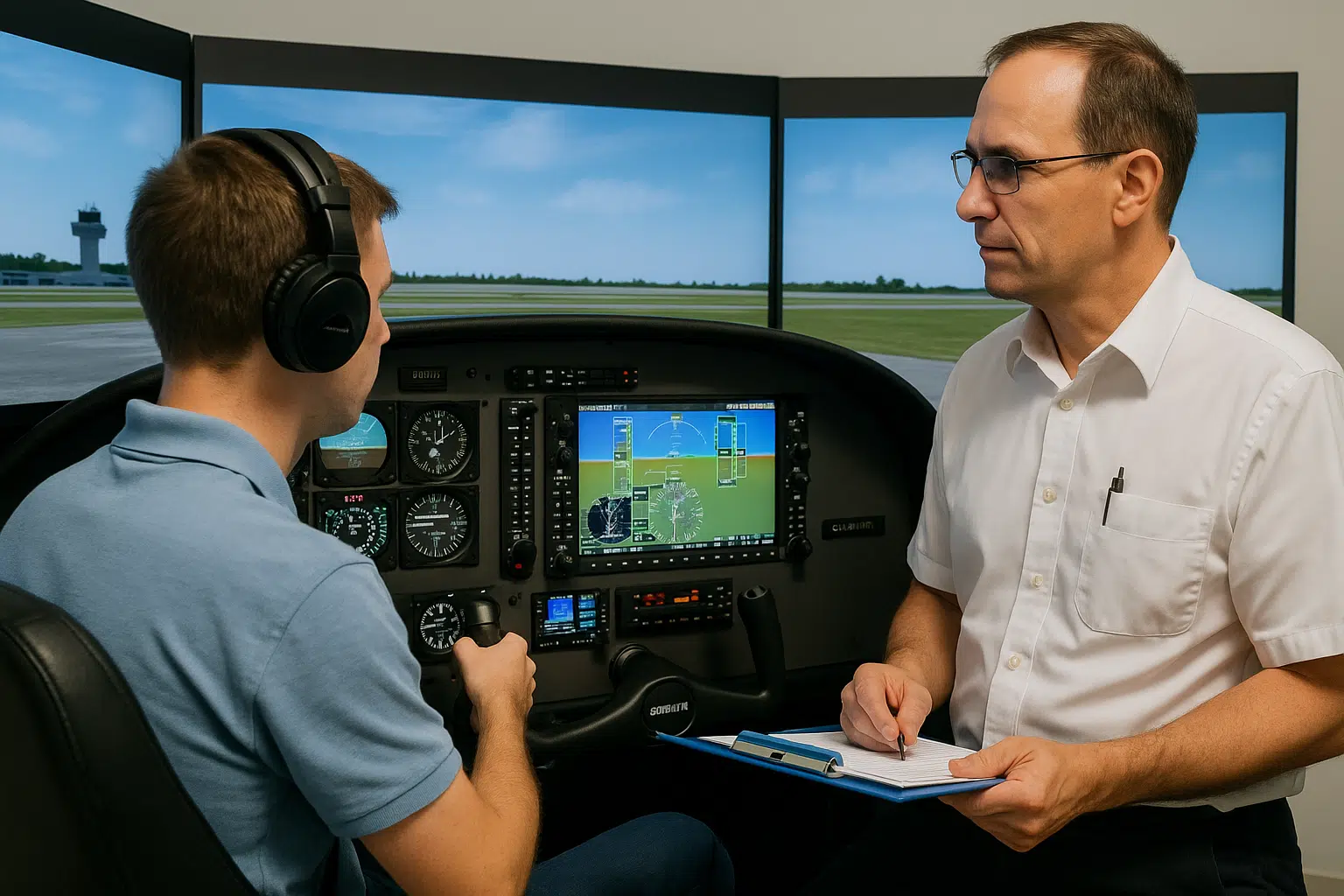
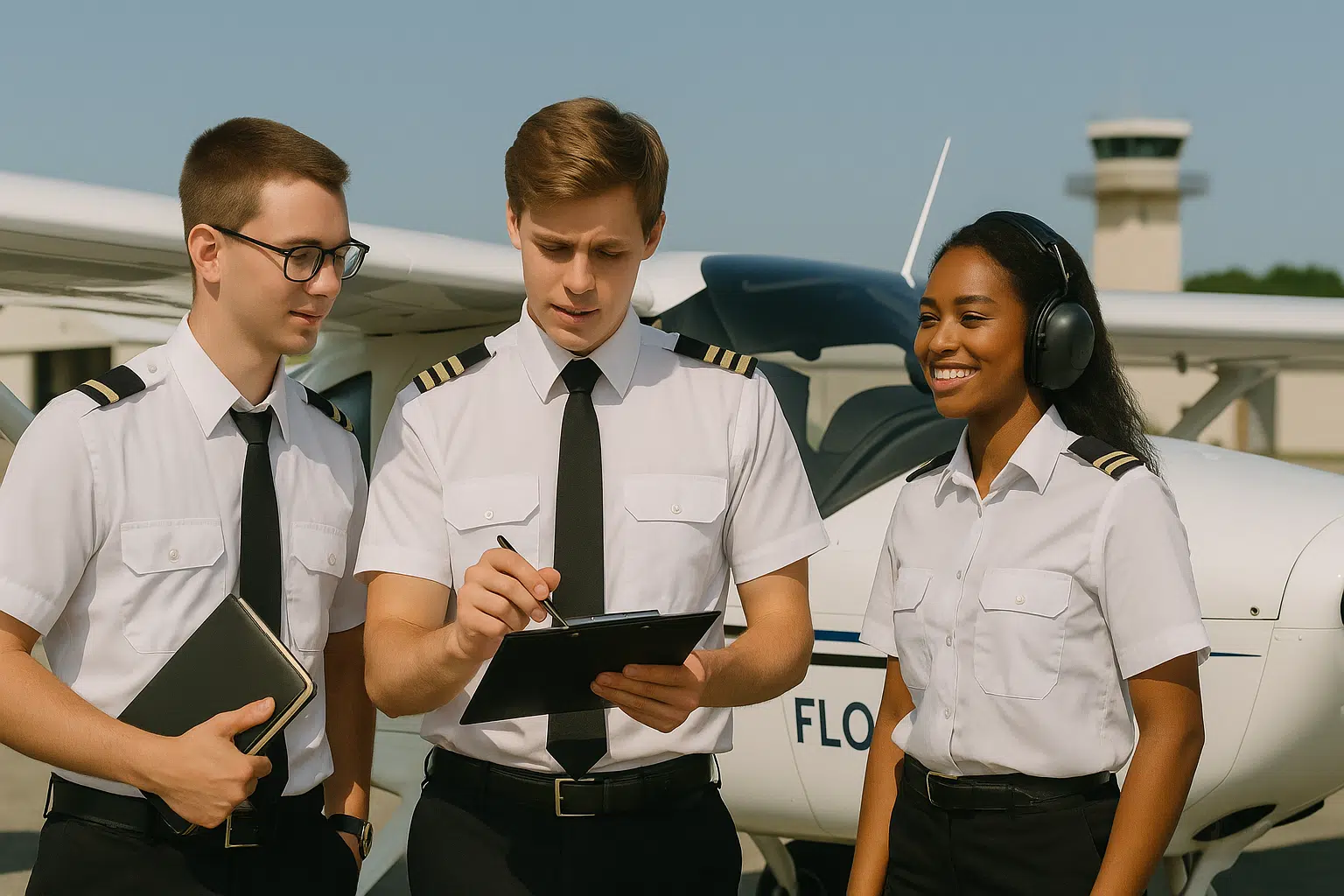
Become an EASA-Certified Pilot at an ATPL Flight School in the USA
Questions like this pop up time and time again: Can I get an EASA ATPL certification from a USA flight school? The answer is yes — and more and more students are choosing this path to build their aviation careers.
An EASA ATPL Flight School in USA offers the chance to train in world-class facilities while earning qualifications that meet European Aviation Safety Agency standards. In fact, thousands of international students every year head to the U.S. because training can be faster, more affordable, and comes with access to modern fleets and advanced simulators.
This guide will walk you through the EASA ATPL Flight School in USA requirements, training process, costs, and career opportunities — giving you everything you need to plan your path from student pilot to professional airline captain.
What Is an EASA ATPL Flight School in USA?
An EASA ATPL Flight School in USA is a training academy that prepares pilots to meet the standards of the European Aviation Safety Agency (EASA) while completing their flight hours in the United States. The ATPL, or Airline Transport Pilot License, is the highest level of pilot certification and is required to captain commercial airliners.
The main difference between an EASA program and a traditional FAA program is the certification standard. While FAA licenses allow you to fly in the United States, an EASA ATPL is recognized across Europe and by many international airlines. Training in the U.S. gives students access to excellent weather conditions, lower costs, and modern fleets — while still graduating with credentials valid in Europe.
For international students, an EASA ATPL Flight School in USA is an attractive option. It combines the benefits of affordable American training with the global career opportunities that come from holding a European-standard license.
Who Can Apply for EASA ATPL Training in the USA?
Not every student is immediately eligible to begin training at an EASA ATPL Flight School in USA. The FAA and EASA set minimum requirements to ensure pilots are ready for structured flight training and can meet international aviation standards.

Basic Eligibility Requirements
To apply for EASA ATPL training in the U.S., you must:
- Be at least 18 years old.
- Demonstrate proficiency in English, the international language of aviation.
- Hold a valid FAA Medical Certificate, typically a Class 1 or Class 2 depending on training stage.
- Begin with the necessary prerequisites such as a Private Pilot License (PPL) and, in most cases, an Instrument Rating (IR).
For international students, an EASA ATPL Flight School in USA is often the best option for cost and efficiency. However, students must also:
- Obtain a U.S. visa that permits flight training.
- Meet both FAA and EASA standards for training and certification.
- Ensure training hours can be logged toward EASA requirements.
Meeting these requirements ensures that students are not only accepted into the program but also able to progress seamlessly through the stages of flight training. Starting with a clear understanding of who can apply makes it easier to plan your journey toward a European-standard ATPL certification in the United States.
What Are the EASA ATPL Flight School Requirements in the USA?
Training at an EASA ATPL Flight School in USA involves meeting both FAA and EASA standards. While the FAA governs licensing in the United States, an EASA-approved program ensures that your training hours, exams, and ratings are recognized in Europe.
Before enrolling in an EASA ATPL program, you must already hold:
- A valid Private Pilot License (PPL).
- An Instrument Rating (IR) to fly under Instrument Flight Rules.
- A Commercial Pilot License (CPL), since the ATPL builds on advanced flight skills.
These certificates are the foundation of the Pilot License Types and Requirements recognized internationally.
Once prerequisites are complete, the EASA ATPL training in the U.S. includes:
- Ground School: Classroom and computer-based training covering advanced navigation, meteorology, aviation law, and airline operations.
- Simulator Training: Advanced flight simulators replicating real-world airline operations.
- Flight Hours: A total of 1,500 flight hours, including cross-country, night, and multi-engine time.
- Written Exams: A series of theoretical knowledge exams approved by EASA.
- Checkrides: Practical flight tests with FAA or EASA-designated examiners.
For students who already hold FAA certificates, additional steps may be required to convert hours and ratings into EASA recognition. This often involves sitting for EASA theory exams, additional simulator training, and specific checkrides under EASA rules.
Meeting the EASA ATPL Flight School in USA requirements ensures that your license is valid for professional airline employment in Europe and recognized by international carriers. With this certification, you’ll be ready to step into airline training programs and begin your career as a professional pilot.
How Much Does EASA ATPL Flight School in USA Cost?
Training at an EASA ATPL Flight School in USA requires a serious financial commitment, and understanding the costs upfront helps students plan better. While expenses vary between schools, most students should expect to invest between $55,000 and $90,000 USD. This covers everything from ground school and flight hours to exams and checkrides.
Typical Cost Breakdown for EASA ATPL Training in the USA
| Training Component | Estimated Cost (USD) |
|---|---|
| Private Pilot License (PPL) | $12,000 – $15,000 |
| Instrument Rating (IR) | $8,000 – $12,000 |
| Commercial Pilot License (CPL) | $20,000 – $25,000 |
| Multi-Engine Rating (CMEL) | $5,000 – $8,000 |
| Ground School & EASA Theory Exams | $6,000 – $10,000 |
| Simulator Training | $3,000 – $5,000 |
| FAA Checkrides & Fees | $1,500 – $3,000 |
| Total Estimated Cost | $55,000 – $90,000 |
Although the cost of attending an EASA ATPL Flight School in USA may seem high, it is an investment in a globally recognized qualification. With an ATPL, graduates can apply for airline positions across Europe and internationally, often with starting salaries that make it possible to recover the training costs within the first few years of employment.
How Long Does It Take to Complete EASA ATPL Training in the USA?
The timeline for training at an EASA ATPL Flight School in USA varies by student, but most complete their program within 18 to 24 months. Several factors can influence how quickly you progress.
Factors That Affect Training Duration
- Training pace
- Weather conditions
- Aircraft availability
- Student progress
Most students who train full-time at an EASA ATPL Flight School in USA are able to complete their program in under two years. This is because training is scheduled more intensively, flight hours are logged faster, and exams are taken at a steady pace. On the other hand, part-time students or those who pause training may need significantly longer.
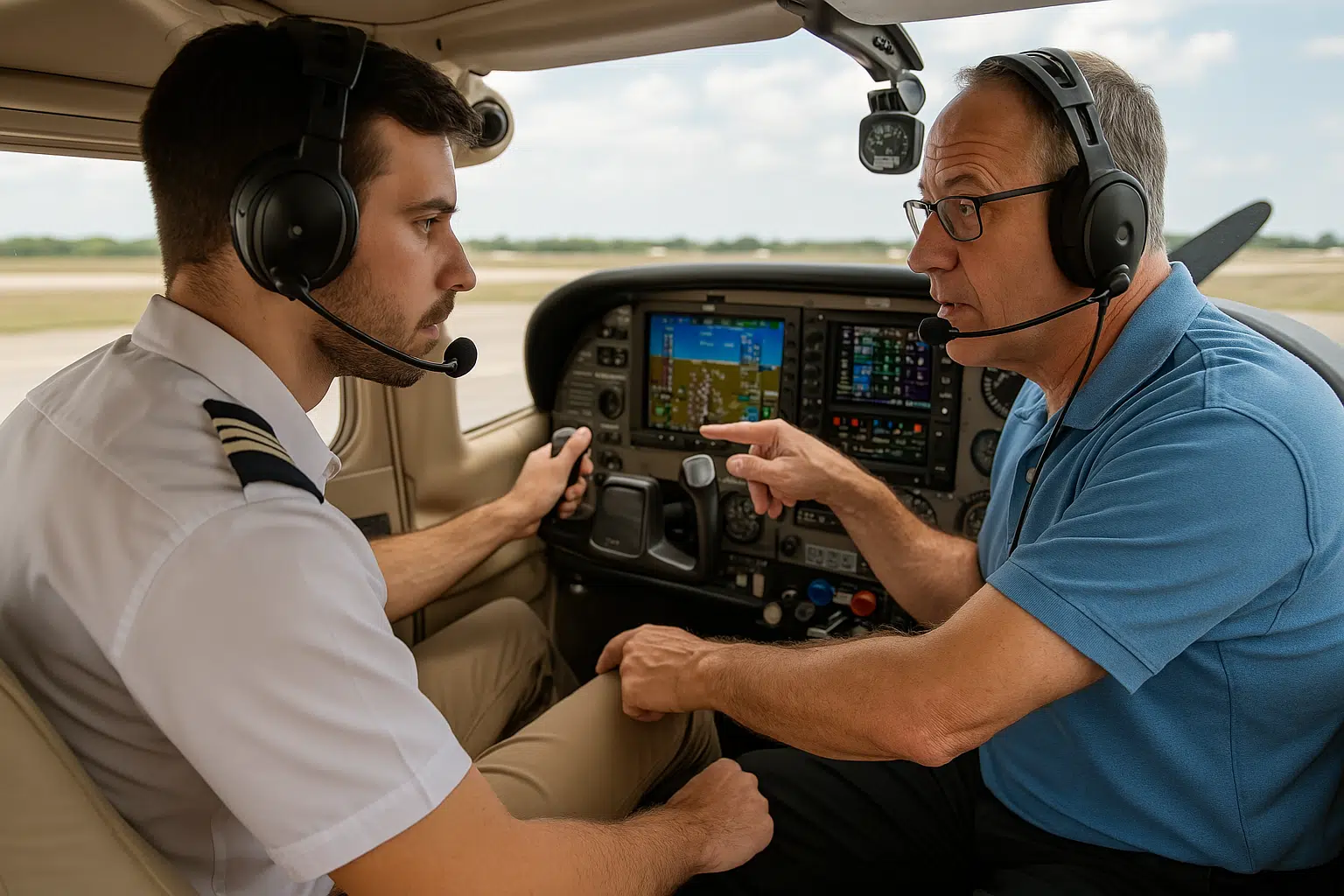
Weather also plays an important role. While the U.S. offers excellent flying conditions for much of the year, bad weather can still cause delays. Schools located in states with more stable climates tend to provide more consistent training schedules, which helps students progress without unnecessary breaks.
Finally, the student’s own learning speed matters. Passing exams, completing checkrides, and demonstrating proficiency all depend on how quickly you master the material. At an EASA ATPL Flight School in USA, instructors adjust training to match individual progress, but consistency and dedication remain the keys to finishing on time.
What Is the Difference Between EASA and FAA ATPL?
When choosing between training paths, many students wonder about the difference between EASA and FAA ATPL certifications. Both licenses allow pilots to fly professionally, but they are issued by different authorities and recognized in different regions.
Key Differences Between EASA and FAA ATPL
- Governing authority
- Training structure
- Flight hour requirements
- Geographic recognition
The FAA ATPL is issued by the Federal Aviation Administration and is primarily recognized in the United States. Training follows FAA rules and typically emphasizes flexibility, with a strong focus on building hours through various pilot jobs. By contrast, the EASA ATPL is regulated by the European Aviation Safety Agency and is designed for pilots who plan to work in Europe or with airlines that recognize EASA standards.
Another difference lies in the training structure. The FAA allows pilots to progress step by step, building experience gradually, while EASA programs are often more integrated, combining theory, simulator time, and flight hours in a streamlined pathway. This can make EASA training more rigid but also more standardized.
Finally, recognition plays a major role. A pilot with an FAA ATPL can work within the United States and convert their license if they wish to fly abroad. An EASA ATPL, however, is directly valid across Europe and accepted by many international carriers. Students at an EASA ATPL Flight School in USA often choose this path specifically to unlock career opportunities with European airlines.
What Jobs Can You Get After Completing EASA ATPL Flight School in USA?
Graduating from an EASA ATPL Flight School in USA opens the door to many career opportunities in aviation. The ATPL is the highest level of pilot certification and is required for airline positions, but it also qualifies you for a variety of professional flying roles.
Career Opportunities With an EASA ATPL
- First Officer with European airlines
- Captain after required experience
- Corporate or charter pilot
- Cargo and freight operations
Most graduates begin their careers as First Officers with European or international airlines. This role allows new pilots to gain professional experience in commercial aviation while working toward the hours required to qualify as a captain. The ATPL ensures that your license is recognized by European carriers, giving you an advantage in competitive hiring markets.
Over time, pilots with an EASA ATPL can advance to captain positions. This requires additional flight hours and operational experience, but it represents the peak of professional aviation careers. Captains not only lead flights but also take on greater responsibility for safety and decision-making.
Beyond airline positions, many ATPL holders pursue careers in corporate or cargo aviation. Charter flights, business aviation, and freight operations provide strong alternatives for pilots who want to expand their opportunities outside traditional airline routes. Completing training at an EASA ATPL Flight School in USA gives you the flexibility to pursue whichever career path fits your long-term goals.
Florida Flyers Flight Academy: #1 Top EASA ATPL Flight School in USA
Among the options available, Florida Flyers Flight Academy stands out as a trusted EASA ATPL Flight School in USA. With world-class training programs and a strong record of success, it has become a preferred

Why Choose Florida Flyers for EASA ATPL Training?
- Experienced, certified instructors
- Modern training aircraft and simulators
- Structured programs for international students
- Proven pathway to airline careers
Florida Flyers provides students with a highly structured curriculum that aligns with both FAA and EASA standards. This ensures that the flight hours, theory courses, and checkrides completed in the U.S. are valid for European licensing. The combination of advanced training resources and experienced instructors gives students confidence at every stage of their journey.
For international students, Florida Flyers offers tailored support to simplify the process of training in the U.S. From visa guidance to housing options, the academy helps students stay focused on their training while adapting to a new environment. This makes it one of the most accessible EASA ATPL Flight Schools in USA.
Finally, Florida Flyers has a proven track record of preparing graduates for airline careers. Many former students now fly for European and international carriers, demonstrating the academy’s commitment to turning training into real-world opportunities. For aspiring airline pilots, Florida Flyers represents the ideal launchpad for global aviation success.
Conclusion: Your Future With an EASA ATPL Flight School in USA
Completing your training at an EASA ATPL Flight School in USA is one of the most effective ways to launch a career as a professional airline pilot. The ATPL is the highest level of pilot certification, and with it, you gain access to global opportunities, especially across Europe where EASA standards are required.
From your first hours as a student pilot to advanced airline training, the process is demanding but rewarding. The combination of FAA training environments in the U.S. and EASA certification standards ensures you are fully prepared for the responsibilities of commercial aviation. With structured programs, international recognition, and access to modern aircraft, this pathway remains one of the most attractive for ambitious pilots.
At Florida Flyers Flight Academy, we guide students step by step through the EASA ATPL Flight School in USA requirements, helping them transition from training to real airline careers. Whether you are a U.S. student or coming from abroad, our experienced instructors and proven programs will prepare you for a future in the cockpit.
Frequently Asked Questions: EASA ATPL Flight School in USA
Q: Can I complete the EASA ATPL program in the U.S., and how long does it take?
A: Yes. Many U.S. academies offer integrated FAA–EASA programs that combine ground school, flight training, and theory conversion. Full-time students often complete the course in 12–15 months when including distance learning and flight modules.
Q: What does EASA conversion training include in U.S. schools?
A: Conversion training typically includes about 15 hours of flight training, covering instrument and aircraft-specific modules (such as IR training) followed by an EASA skill test.
Q: Do I have to complete all 14 EASA ATPL theory exams before flying?
A: Yes, you must pass all 14 ATPL theory modules before taking the EASA CPL and IR skill tests. However, many U.S.-based schools allow completing FAA CPL modules first while working through the theory exams.
Q: Is it cheaper to get EASA ATPL training in the USA compared to Europe?
A: Yes. Many U.S. schools offer integrated FAA–EASA training packages where students complete their FAA modules (PPL, IR, CPL) in the U.S. for around $60,000, then add approximately $20,000–30,000 for EASA conversion—resulting in a cost-effective dual-certification path that’s often cheaper than completing the full program in Europe.
Q: What visa do international students need to train for an EASA ATPL Flight School in the USA?
A: International students typically require a non-academic vocational visa, most commonly the M-1 visa, which is designed for vocational pilot training programs. Schools issue a Form I-20 and support the visa process. If the program qualifies as academic-level training, an F-1 visa may also be possible.
Contact the Florida Flyers Flight Academy Team today at (904) 209-3510 to learn more about how to transfer flight schools.