How Do You Decide Where to Learn to Fly a Plane in USA?
Flying is not a YouTube tutorial. You can watch videos all day, but you won’t learn to control an aircraft until you step into a cockpit with an instructor beside you. The reality of becoming a pilot starts with knowing where to learn to fly a plane in USA, because the flight school you choose sets the tone for your entire journey.
Pilot training options are not the same for everyone. Some students aim for a Private Pilot License to fly recreationally, while others plan to build hours toward an airline career. Your choice of school will depend on your goals, your budget, and even the location you train in — from the sunny skies of Florida to the wide-open airspace of Arizona.
This guide will help you explore the best options, from flight schools to university programs, while also covering costs, visa rules, and funding opportunities. By the end, you’ll know exactly where to learn to fly a plane in USA and how to start your path with confidence.
Flight Training Locations Across the USA
When exploring where to learn to fly a plane in USA, the location of your flight school matters almost as much as the school itself. Weather patterns, airspace traffic, and cost of living all affect how quickly and affordably you can complete your training. Some regions are especially popular with student pilots because they offer consistent flying conditions and strong aviation communities.
Florida: Year-Round Flying Weather
Florida is one of the most sought-after states for pilot training. With more than 300 flying days per year, flat terrain, and busy but manageable airspace, it provides an ideal environment for beginners and advanced students alike. Florida is also home to Florida Flyers Flight Academy, known for its strong international student programs.
Arizona: Clear Skies and Open Airspace
Arizona’s dry climate and low rainfall make it another top choice. Pilots benefit from predictable weather and wide-open airspace that allows for intensive flight schedules. It’s a popular region for accelerated programs where students want to log hours quickly without delays.
Texas: A Balance of Cost and Opportunity
Texas combines reasonable living costs with access to diverse airspace, from rural training zones to busy commercial airports. Students here experience a balance of affordability and exposure to real-world flying conditions, making it a versatile location for training.
California: Variety and Exposure to Complex Airspace
California offers a wide range of flight schools, from coastal academies to schools based near major international airports. Training in California often means dealing with complex airspace and varied weather — a challenge that gives pilots valuable experience, though at a higher cost compared to states like Florida or Texas.
Choosing the right location is more than convenience. It determines how fast you build hours, the type of conditions you train in, and how much you spend while living in the area. For students asking where to learn to fly a plane in USA, Florida, Arizona, Texas, and California remain the most reliable choices.
Types of Flying Schools and Programs in USA
Anyone wondering where to learn to fly a plane in USA will quickly discover that not all schools follow the same structure. The FAA recognizes two main categories of training — Part 61 and Part 141 — and students can also choose between independent academies or university-based aviation programs. Each pathway has its own strengths depending on your goals and timeline.
Part 61 Flight Schools
Part 61 schools are flexible, often smaller, and allow students to train at their own pace. They are a common choice for those balancing training with work or family commitments. The downside is that students may end up flying more hours before qualifying for licenses, which can increase overall costs.
Part 141 Flight Schools
Part 141 schools operate under a structured FAA-approved syllabus. This path is popular among international students because it is required for F1 visa approval. These schools are efficient, and students often need fewer hours to meet licensing requirements, which can save time and money.
University Aviation Programs
Some students prefer to earn a degree while completing their flight training. Universities like Embry-Riddle, Purdue, and the University of North Dakota offer aviation programs that combine academics with professional pilot certification. These programs are longer and more expensive but provide additional career pathways beyond flying.
Independent Academies
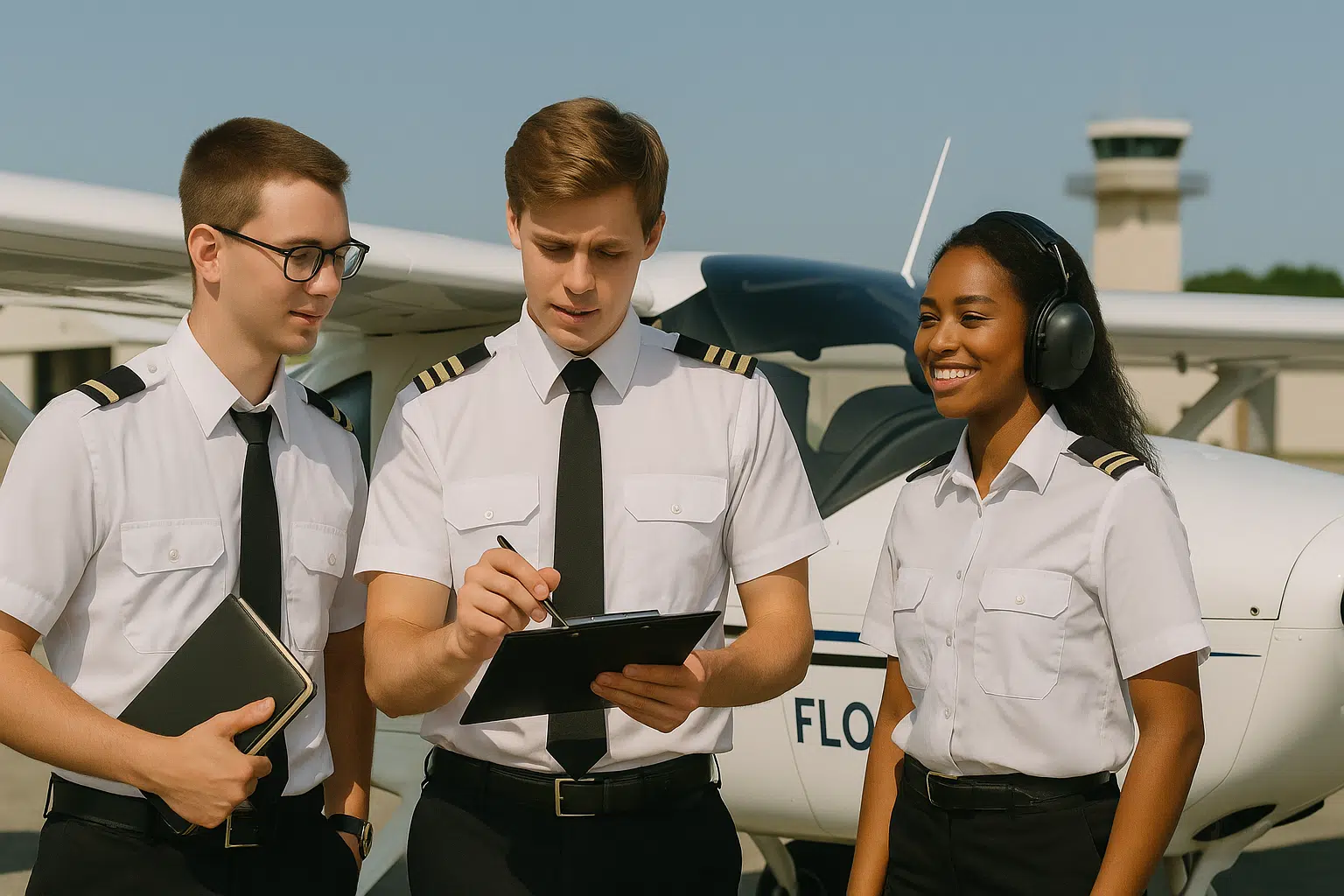
Schools such as Florida Flyers Flight Academy focus exclusively on flight training. They attract students who want an accelerated, aviation-only environment without the distractions of a broader university program. Independent academies often provide faster progression and closer instructor-student engagement.
When deciding where to learn to fly a plane in USA, understanding these school types is essential. The right choice depends on whether you want flexibility, structure, a degree alongside your licenses, or the focus of a dedicated flight academy.
What Beginners Can Expect in Their First Lessons
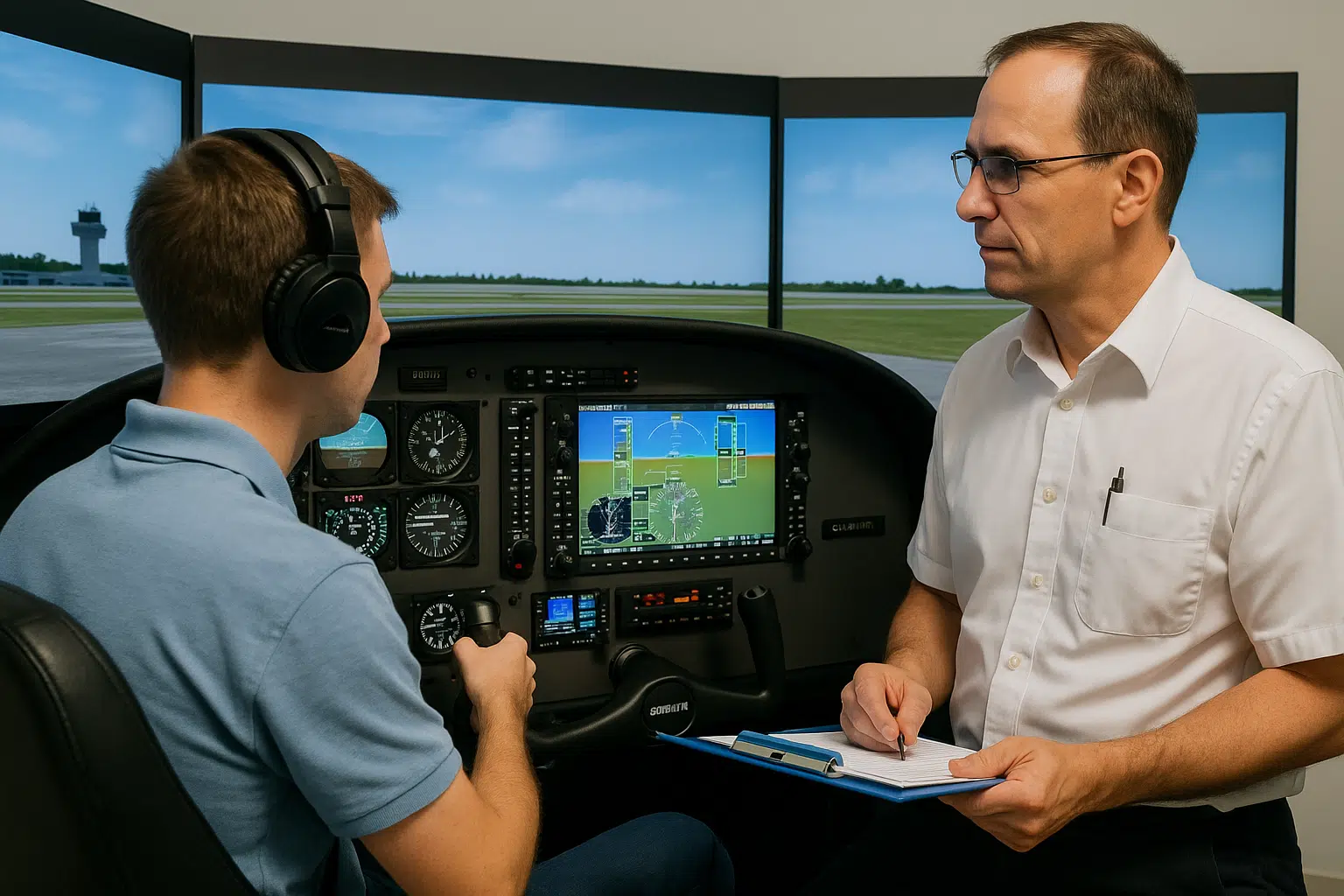
For students exploring where to learn to fly a plane in USA, the first few lessons are often the most exciting part of the journey. Training begins with a mix of ground instruction and time in the aircraft, giving you a solid foundation before your first solo flight.
Discovery Flight
Most schools start with a discovery flight, a short session where you sit in the pilot’s seat with an instructor beside you. You’ll get hands-on experience with basic controls, navigation, and the thrill of handling the aircraft for the first time.
Ground School Basics
Before spending too much time in the air, you’ll learn essential subjects on the ground. Topics include aerodynamics, FAA regulations, navigation, weather theory, and aircraft systems. Ground school ensures you understand the “why” behind every maneuver in the cockpit.
First Solo Flight
One of the biggest milestones for any pilot is the first solo flight. After demonstrating consistent control and good decision-making with your instructor, you’ll be cleared to fly an aircraft alone. For many students, this moment confirms they’ve made the right choice in where to learn to fly a plane in USA.
The first lessons are designed to build confidence, create structure, and set the pace for the rest of your training. Whether your goal is a private license or a career as an airline pilot, these early experiences lay the groundwork for everything that comes next.
Comparing Training Costs and Packages
When deciding where to learn to fly a plane in USA, cost is one of the biggest factors. Prices vary widely depending on the school type, aircraft, instructor fees, and whether you choose a university program or an independent academy. Understanding these differences helps you budget realistically.
| Training Program | Estimated Cost (USD) | Duration | Notes |
|---|---|---|---|
| Private Pilot License (PPL) | $8,000 – $15,000 | 3–6 months | Minimum 40–60 hours required |
| Instrument Rating (IR) | $8,000 – $12,000 | 2–4 months | Focus on flying in all weather |
| Commercial Pilot License (CPL) | $35,000 – $60,000 | 6–12 months | Includes 250 total flight hours |
| Flight Instructor Certificates | $5,000 – $10,000 | 2–3 months | Allows you to build hours while teaching |
| Full Path to Airline Transport | $70,000 – $120,000 | 18–24 months | Includes PPL, IR, CPL, Multi-Engine, CFI |
The final cost depends on training pace, aircraft type, and location. Schools in states with year-round flying weather, like Florida and Arizona, often help students finish faster and save money. University programs are usually more expensive but may include access to federal loans.
For anyone asking where to learn to fly a plane in USA, comparing packages side by side is the smartest way to balance cost, training quality, and career goals.
Visa and TSA Requirements for International Students
For students searching where to learn to fly a plane in USA, understanding visa categories and TSA requirements is just as important as choosing the right school. Without these approvals, international applicants cannot begin training legally.

Key Requirements for International Students
- F1 Student Visa
- M1 Vocational Visa
- TSA Security Clearance
The F1 visa is the most common pathway, issued by FAA Part 141 schools that are authorized to enroll international students. It supports full-time training, from Private Pilot License to advanced certifications, and is the standard option for long-term programs.
The M1 visa is typically used for shorter training courses, such as a single rating or certificate. While it offers fewer academic benefits than the F1, it remains an option for students who want limited training without a full degree path.
Alongside visas, the TSA clearance process applies to all foreign students. It must be completed before any flight training begins, and schools with strong administrative support help students navigate this step with confidence. These factors should always be considered when deciding where to learn to fly a plane in USA.
Scholarships, Sponsorships, and Alternative Pathways
Finances are one of the biggest factors for students exploring where to learn to fly a plane in USA. While loans are common, scholarships and sponsorship programs can reduce costs significantly, and in some cases, training may even be fully funded.
Options for Funding Flight Training
- Aviation Scholarships
- Airline Cadet Programs
- Military Training Pathways
Aviation scholarships are offered by organizations such as Women in Aviation International, NGPA, OBAP, and AOPA. These awards can help cover expenses like flight hours, ground school, or checkrides.

For students comparing where to learn to fly a plane in USA, securing a scholarship can make a top school more affordable.
Airline cadet programs are another valuable option. While competitive, these programs sponsor training in exchange for a work commitment after graduation. They provide a direct pathway into the cockpit and can influence a student’s choice of where to learn to fly a plane in USA.
Military pathways offer fully funded training, but they require service commitments. For U.S. citizens, this option provides advanced training and guaranteed flight hours. Although not suitable for everyone, it remains one of the most cost-effective routes when deciding where to learn to fly a plane in USA.
How to Decide Where to Learn to Fly a Plane in USA
With so many choices, it can be difficult to know where to learn to fly a plane in USA. The right decision depends on factors beyond cost — the quality of training, the type of aircraft, and the support you receive all play a role in shaping your aviation career.
Checklist for Choosing a Flight School
- FAA approval (Part 61 or Part 141)
- Fleet size and aircraft condition
- Instructor qualifications and experience
- Safety record and maintenance standards
- Location, airspace, and weather conditions
- Student-to-instructor ratio
- Financing, scholarships, and visa support
- Career placement opportunities
FAA approval ensures the program follows a recognized training syllabus. For international students, this also determines visa eligibility, which is central when deciding where to learn to fly a plane in USA.
Fleet and instructor quality directly impact how fast you progress. Schools with modern, well-maintained aircraft and instructors with airline backgrounds prepare students for real-world aviation challenges.
Finally, support services such as financing, housing, and career guidance add long-term value. Choosing wisely when evaluating where to learn to fly a plane in USA ensures you train efficiently, graduate on time, and step into your career with confidence.
Conclusion
Deciding where to learn to fly a plane in USA is the first real step from dream to reality. With thousands of options across the country, the right choice comes down to aligning your goals, budget, and location with a school that offers quality training and strong support.
From schools like Florida Flyers Flight Academy to university-based aviation programs, each pathway has unique strengths. Scholarships, visa assistance, and flexible financing all play a role in making training more accessible. What matters most is finding a school that matches your vision and helps you progress without unnecessary delays.
By researching carefully and considering every factor — from fleet quality to student support — you’ll not only know where to learn to fly a plane in USA but also how to build the foundation for a safe, efficient, and rewarding aviation career.
Frequently Asked Questions (FAQs)
How much does it cost to learn to fly a plane in USA?
The cost ranges from $8,000–$15,000 for a Private Pilot License to $70,000–$120,000 for a full commercial pathway.
What is the minimum age to learn to fly a plane in USA?
You must be at least 16 years old to solo and 17 to earn a Private Pilot License (PPL).
Can international students learn to fly a plane in USA?
Yes. International students can apply through schools authorized to issue F1 or M1 visas, but they must also complete TSA clearance.
What is a discovery flight?
A discovery flight is an introductory lesson where you sit in the pilot’s seat with an instructor, experience basic controls, and get a first taste of flying.
Which is the best state for flight training in USA?
Florida, Arizona, Texas, and California are the most popular due to year-round weather and strong aviation communities.
Do I need perfect eyesight to learn to fly?
No. Corrected vision (with glasses or contact lenses) is acceptable as long as you meet FAA medical standards.
How long does it take to learn to fly a plane in USA?
Most students complete their PPL in 3–6 months and a full commercial training path in 18–24 months, depending on training pace and location.
Contact the Florida Flyers Flight Academy Team today at (904) 209-3510 to learn more about how to transfer flight schools.