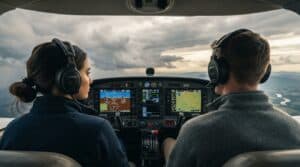
Soaring through the skies, navigating complex aircraft systems, and ensuring the safety of countless lives – these are just a few of the remarkable responsibilities that pilots undertake. To excel in this demanding profession, a unique combination of skills is required. From technical proficiency to exceptional decision-making abilities, pilots must possess a diverse set of competencies that set them apart from the ordinary.
In this comprehensive guide, we delve into the essential skills needed to be a pilot, exploring both the hard and soft skills that contribute to the making of a truly exceptional aviator. Whether you’re an aspiring pilot dreaming of taking to the skies or a seasoned professional seeking to enhance your abilities, this article will provide you with a deep understanding of what it takes to soar to new heights.
Operating an aircraft demands a multifaceted skill set that encompasses technical expertise, cognitive abilities, and interpersonal competencies. From mastering complex flight systems to maintaining composure under pressure, pilots must possess a unique blend of talents that enable them to navigate the skies with precision and confidence. These abilities are all part of the critical skills needed to be a pilot.
To provide a comprehensive overview, we will explore the following key areas:
Hard Skills Needed to Be a Pilot: These are the technical and operational skills that form the foundation of a pilot’s expertise, such as aircraft systems knowledge, flight planning, and navigation. Mastery of these hard skills is essential among the core skills needed to be a pilot.
Soft Skills Needed to Be a Pilot: While often overlooked, soft skills play a crucial role in a pilot’s success. These include communication, decision-making, and situational awareness, among others. These soft skills are integral to the overall skills needed to be a pilot.
Educational Pathways and Training Requirements: We will examine the various educational and training pathways available to aspiring pilots, including flight schools, university programs, and specialized certifications.
Specialized Skills for Aviation Careers: Depending on the specific aviation career path chosen, pilots may need to develop additional specialized skills, such as those required for commercial airline operations, military aviation, or private charter flights.
By delving into these areas, we aim to provide a comprehensive understanding of the skills needed to be a pilot, empowering you to make informed decisions about your aviation career journey.
Piloting an aircraft is a highly technical endeavor that demands a mastery of various hard skills. These skills form the foundation upon which a pilot’s expertise is built and are essential for safe and efficient flight operations.
Aircraft Systems Knowledge: Pilots must possess a comprehensive understanding of the various systems that make up an aircraft, including avionics, engines, flight controls, and navigation systems. This knowledge is crucial for troubleshooting issues, interpreting instrument readings, and ensuring the proper operation of the aircraft.
Flight Planning and Navigation: Effective flight planning and navigation are critical skills for pilots. This involves interpreting weather data, calculating fuel requirements, plotting flight routes, and utilizing navigation aids such as GPS and radio navigation systems.
Aerodynamics and Aircraft Performance: Understanding the principles of aerodynamics and aircraft performance is essential for pilots. This knowledge enables them to optimize flight operations, manage aircraft performance during various phases of flight, and respond effectively to changing conditions.
Instrument Flight Rules (IFR) and Visual Flight Rules (VFR) Operations: Pilots must be proficient in both instrument flight rules (IFR) and visual flight rules (VFR) operations. IFR skills involve flying solely by reference to instruments, while VFR skills involve maintaining visual contact with the ground and navigating using visual references.
Meteorology: Pilots must have a solid understanding of meteorology, including the ability to interpret weather reports, forecast weather patterns, and assess the impact of weather conditions on flight operations.
Regulatory Compliance: Aviation is a highly regulated industry, and pilots must be well-versed in the applicable regulations, protocols, and procedures set forth by aviation authorities such as the Federal Aviation Administration (FAA) or the International Civil Aviation Organization (ICAO).
These hard skills form the backbone of a pilot’s technical expertise and are essential for safe and efficient flight operations. However, it is important to note that these skills alone are not sufficient for success in the aviation industry. Pilots must also possess a range of soft skills that complement their technical proficiency.
While hard skills are undoubtedly crucial for pilots, the importance of soft skills cannot be overstated. These non-technical abilities play a vital role in ensuring effective communication, sound decision-making, and the ability to handle high-pressure situations with poise and professionalism.
Communication Skills Needed to Be a Pilot: Effective communication is paramount for pilots, both within the cockpit and with air traffic control. Clear and concise communication ensures that instructions are accurately conveyed and understood, reducing the risk of misinterpretation and potential errors.
Decision-Making and Problem-Solving: Pilots are often required to make critical decisions in dynamic and time-sensitive situations. Strong decision-making and problem-solving skills are essential for evaluating potential risks, weighing options, and taking appropriate actions to ensure the safety of the aircraft and its passengers.
Situational Awareness: Maintaining a comprehensive understanding of the current state of the aircraft, its surroundings, and potential hazards is crucial for pilots. Situational awareness involves continuously monitoring and interpreting various sources of information to anticipate and mitigate potential risks.
Stress Management and Emotional Intelligence: Flying can be a high-stress environment, and pilots must possess the ability to remain calm and focused under pressure. Effective stress management and emotional intelligence enable pilots to maintain composure, make sound decisions, and lead their crew effectively.
Teamwork and Leadership: Pilots often work in close collaboration with other crew members, such as co-pilots and flight attendants. Strong teamwork and leadership skills are essential for fostering a positive and productive working environment, delegating tasks effectively, and ensuring the smooth operation of the flight.
Attention to Detail: Aviation is a field where even the smallest oversight can have significant consequences. Pilots must possess an exceptional attention to detail, ensuring that all pre-flight checks, flight plans, and operational procedures are meticulously followed.
These soft skills complement a pilot’s technical expertise and contribute significantly to their overall effectiveness and success in the aviation industry. By developing and honing both hard and soft skills, pilots can navigate the skies with confidence, professionalism, and a commitment to safety.
Becoming a skilled pilot is a journey that requires dedication, perseverance, and a commitment to continuous learning. While some individuals may possess natural aptitudes for certain skills, developing the comprehensive skillset required for piloting often involves a combination of formal education, hands-on training, and ongoing professional development.
Educational Pathways: There are several educational pathways available for aspiring pilots, each offering a unique combination of theoretical knowledge and practical experience. These include:
Flight Schools: Flight schools offer specialized training programs that focus on developing the necessary skills for piloting. These programs typically include ground school instruction, flight training, and preparation for various certifications and ratings.
University Aviation Programs: Many universities and colleges offer aviation degree programs that combine academic coursework with flight training. These programs provide a well-rounded education, covering subjects such as aerodynamics, aviation law, and meteorology, in addition to hands-on flight experience.
Military Aviation Training: The military offers comprehensive aviation training programs for aspiring pilots. These programs often include rigorous academic and physical training, as well as extensive flight experience in various aircraft types.
Flight Training and Certifications: Regardless of the educational pathway chosen, aspiring pilots must complete a series of flight training and certification requirements. These include:
Private Pilot Certificate: This is the first step in becoming a licensed pilot, allowing individuals to fly for personal or recreational purposes.
Instrument Rating: An instrument rating is required for pilots to operate aircraft under Instrument Flight Rules (IFR), enabling them to fly in conditions where visual references are limited or unavailable.
Commercial Pilot Certificate: This certification is necessary for pilots seeking to fly for compensation or hire, such as in charter operations or as flight instructors.
Airline Transport Pilot Certificate (ATP): The ATP is the highest level of pilot certification and is required for individuals seeking employment as pilots with commercial airlines or in certain other advanced aviation roles.
Continuing Education and Professional Development: The aviation industry is constantly evolving, with new technologies, regulations, and best practices emerging regularly. To remain at the forefront of their profession, pilots must embrace a mindset of continuous learning and professional development. This may involve attending seminars, workshops, or specialized training programs to enhance the skills needed to be a pilot and stay up-to-date with industry advancements.
By pursuing a combination of formal education, hands-on training, and ongoing professional development, aspiring pilots can acquire and refine the skills needed to be a pilot, excelling in this demanding and rewarding career.
Embarking on a career as a pilot requires a commitment to rigorous education and training. While there are various pathways to becoming a pilot, each offers a unique combination of theoretical knowledge and practical experience. In this section, we will explore some of the most common educational pathways for aspiring pilots.
Flight Schools:
Flight schools offer specialized training programs designed to prepare students for a career in aviation. These programs typically include ground school instruction, covering topics such as aerodynamics, navigation, meteorology, and aviation regulations. Hands-on flight training is a crucial component, with students accumulating flight hours under the guidance of certified flight instructors.
Flight schools offer a structured curriculum tailored to help students obtain the necessary certifications and ratings, such as the Private Pilot Certificate, Instrument Rating, and Commercial Pilot Certificate. Many flight schools also offer additional specialized training, such as multi-engine or tailwheel endorsements, to enhance students’ skills needed to be a pilot and marketability.
University Aviation Programs:
Several universities and colleges offer aviation degree programs that combine academic coursework with flight training. These programs typically lead to a Bachelor’s degree in Aviation, Aviation Management, or a related field.
In addition to flight training and certification requirements, students receive a well-rounded education covering subjects such as aerodynamics, aviation law, air traffic control, and aviation safety. University aviation programs often have partnerships with local flight schools or operate their own flight training facilities, allowing students to gain practical experience while pursuing their academic studies.
Graduates of these programs are well-prepared for a variety of aviation careers, including commercial airline operations, corporate aviation, and aviation management roles, by mastering the essential skills needed to be a pilot.
Military Aviation Training:
The military offers comprehensive aviation training programs for aspiring pilots interested in serving their country. These programs typically involve rigorous academic and physical training, as well as extensive flight experience in various aircraft types. Military pilots receive training in areas such as navigation, instrument flight, formation flying, and combat tactics. Upon completion of their training, military pilots may have the opportunity to fly a wide range of aircraft, from fighter jets to transport planes, depending on their specialization. Military experience can be a valuable asset for pilots seeking employment in the civilian aviation industry after their service, as it demonstrates advanced skills needed to be a pilot.
Regardless of the educational pathway chosen, aspiring pilots must be prepared for a challenging and rewarding journey. Each path requires dedication, perseverance, and a commitment to continuous learning and skill development. By carefully evaluating their interests, goals, and the skills needed to be a pilot, they can make informed decisions about their aviation career.
While educational pathways provide the foundation for aspiring pilots, obtaining the necessary certifications and ratings is a critical step in their journey. Flight training and certification requirements are designed to ensure that pilots possess the skills needed to be a pilot and the knowledge required for safe and efficient flight operations.
Private Pilot Certificate:
The Private Pilot Certificate is the first step in becoming a licensed pilot. To obtain this certificate, students must complete a minimum of 40 hours of flight time, including at least 20 hours of dual instruction and 20 hours of solo flight time. Ground school instruction covers topics such as aerodynamics, aircraft systems, navigation, weather, and aviation regulations.
Successful completion of a written exam and a practical flight test is required to earn the Private Pilot Certificate. With this certificate, pilots are authorized to fly for personal or recreational purposes but cannot be compensated for their services. Mastery of these skills is essential for the skills needed to be a pilot.
Instrument Rating:
An Instrument Rating is a crucial certification that allows pilots to operate aircraft under Instrument Flight Rules (IFR), enabling them to fly in conditions where visual references are limited or unavailable. To obtain an Instrument Rating, pilots must complete additional ground and flight training, focusing on instrument procedures, navigation, and weather analysis.
This training typically involves a minimum of 50 hours of instrument flight time, including at least 40 hours of actual or simulated instrument time. Successful completion of a written exam and a practical flight test is required to earn the Instrument Rating. This certification further enhances the skills needed to be a pilot by enabling operations in more challenging conditions.
Commercial Pilot Certificate:
The Commercial Pilot Certificate is a prerequisite for pilots seeking to fly for compensation or hire, such as in charter operations or as flight instructors. To obtain this certificate, pilots must have a minimum of 250 hours of total flight time, including specific requirements for cross-country, night, and instrument flight time.
Ground school instruction covers advanced topics such as aerodynamics, aircraft performance, and commercial aviation regulations. Successful completion of a written exam and a practical flight test is required to earn the Commercial Pilot Certificate. Achieving this certificate is a significant milestone in developing the advanced skills needed to be a pilot.
Airline Transport Pilot Certificate (ATP):
The Airline Transport Pilot Certificate (ATP) is the highest level of pilot certification and is required for individuals seeking employment as pilots with commercial airlines or in certain other advanced aviation roles. To qualify for the ATP, pilots must meet specific age and flight hour requirements, typically ranging from 1,500 to 1,800 hours of total flight time, depending on their educational background and training.
Ground school instruction covers advanced topics such as crew resource management, high-altitude operations, and aircraft systems management. Successful completion of a written exam and a practical flight test is required to earn the ATP Certificate. This highest-level certification demonstrates the culmination of the skills needed to be a pilot and ensures readiness for the most demanding aviation roles.
Throughout the flight training and certification process, pilots must demonstrate proficiency in various skills, including aircraft operation, navigation, weather analysis, and decision-making. Continuous practice and dedication are essential for mastering these skills and ensuring a successful career in aviation.
While the core skills needed to be a pilot are universal, certain aviation careers demand specialized skills and expertise. Depending on the specific path chosen, pilots may need to develop additional competencies to excel in their chosen field.
Commercial Airline Pilots:
Commercial airline pilots must possess exceptional multi-crew coordination and communication skills, as they work closely with co-pilots, flight attendants, and air traffic controllers. Crew resource management (CRM) training is essential, focusing on effective teamwork, decision-making, and situational awareness in the cockpit.
Pilots must also be proficient in operating large, complex aircraft and navigating busy airspaces with precision. Familiarity with advanced avionics systems, flight management systems, and automated systems is crucial for commercial airline operations. These specialized skills are critical for the skills needed to be a pilot in the commercial aviation sector.
Corporate and Business Aviation Pilots:
Corporate and business aviation pilots often fly smaller, more agile aircraft and may be required to operate from shorter runways or remote locations. Strong customer service skills and a professional demeanor are essential, as these pilots frequently interact directly with high-profile clients or executives.
Flexibility and adaptability are key, as corporate pilots may need to adjust flight plans or schedules on short notice to accommodate their clients’ needs. Knowledge of international flight operations and customs regulations is valuable for pilots who frequently fly across borders. Developing these additional skills is part of mastering the skills needed to be a pilot in corporate aviation.
Military Pilots:
Military pilots must possess exceptional physical and mental stamina, as they often operate under high-stress conditions and demanding environments. Specialized training in areas such as aerial combat tactics, formation flying, and low-level operations is essential for various military aviation roles.
Pilots in the military may also need to develop skills in operating specialized aircraft, such as fighter jets, transport planes, or helicopters. Leadership and decision-making under pressure are critical competencies for military pilots, who may be required to make split-second decisions with significant consequences. These unique skills are integral to the skills needed to be a pilot in the military.
Agricultural and Aerial Application Pilots:
Agricultural and aerial application pilots must be skilled in low-level flight operations, as they often fly at altitudes below 500 feet to disperse materials such as pesticides or seed. Precision flying and aerial application techniques are essential, as these pilots must accurately and efficiently distribute materials over designated areas. Knowledge of environmental regulations, chemical handling, and safety protocols is crucial for ensuring the safe and responsible application of materials.
Pilots in this field must also be proficient in operating specialized aircraft equipped with dispersal systems and tanks. Mastering these specific skills contributes to the overall skills needed to be a pilot in agricultural aviation.
Regardless of the specific aviation career path chosen, pilots must continually strive to develop and refine their skills through ongoing training and experience to meet the evolving demands of their roles.
Throughout the aviation industry, there are countless examples of pilots who have achieved remarkable success by mastering the essential skills required for their profession. These individuals serve as inspiration and role models for aspiring pilots, demonstrating the heights that can be reached through dedication, skill, and a passion for aviation.
One such example is Captain Chesley “Sully” Sullenberger, who gained international acclaim for his remarkable display of piloting skills during the “Miracle on the Hudson” incident in 2009. When both engines of his Airbus A320 were disabled by a bird strike shortly after takeoff, Sullenberger relied on his extensive training, experience, and quick decision-making abilities to execute an emergency landing on the Hudson River. His calm demeanor, situational awareness, and expert piloting skills ensured the safe evacuation of all 155 passengers and crew members, solidifying his reputation as a true aviation hero.
Another inspiring figure is Captain Tammie Jo Shults, a former fighter pilot in the United States Navy who became one of the first female pilots hired by Southwest Airlines. During her naval career, Shults developed exceptional skills in operating high-performance aircraft and making split-second decisions under pressure.
These skills proved invaluable in 2018 when she successfully landed a Southwest Airlines flight after an engine failure and rapid decompression, saving the lives of 149 passengers and crew members. Shults’ composure, leadership, and adherence to emergency procedures exemplified the highest levels of professionalism and skill required of pilots.
In the realm of corporate and business aviation, Captain Denny Flanagan stands out as a true master of his craft. With over 30 years of experience flying private jets for high-profile clients, Flanagan has cultivated a reputation for exceptional customer service, attention to detail, and a deep understanding of the unique demands of corporate aviation. His ability to navigate complex airspaces, adapt to changing schedules, and maintain the highest standards of professionalism have made him a sought-after pilot among executives and industry leaders.
These real-life examples demonstrate the profound impact that skilled pilots can have on the safety and success of flight operations. By mastering the essential hard and soft skills required for their profession, these individuals have not only achieved remarkable accomplishments but have also inspired generations of aspiring pilots to strive for excellence.
Mastering the skills needed to be a pilot involves a multifaceted journey that combines formal education, hands-on training, and continuous professional development. Whether you’re pursuing a career as a commercial airline pilot, a corporate aviator, a military pilot, or an agricultural pilot, the core skills needed to be a pilot are crucial across all aviation disciplines. Each path offers unique challenges and demands specific competencies, highlighting the importance of tailored skill development in achieving success.
Aspiring pilots must focus on acquiring both technical and soft skills to meet the diverse demands of their chosen aviation careers. From advanced flight training and specialized certifications to ongoing learning and adaptation, the skills needed to be a pilot are critical to navigating the complexities of modern aviation.
By dedicating yourself to developing these essential skills and continuously refining them, you can build a rewarding career in aviation and excel in any pilot role you pursue. Remember, the journey to becoming a proficient pilot is ongoing, and embracing the continuous development of the skills needed to be a pilot will ensure you remain at the forefront of this dynamic field.
If you’re ready to embark on an exciting career as a pilot, consider enrolling in a reputable flight training program or aviation degree program. Many institutions offer comprehensive courses that cover both theoretical knowledge and practical flight experience, preparing you for the challenges and rewards of this dynamic profession.
Contact the Florida Flyers Flight Academy Team today at (904) 209-3510 to learn more about the Private Pilot Ground School Course.