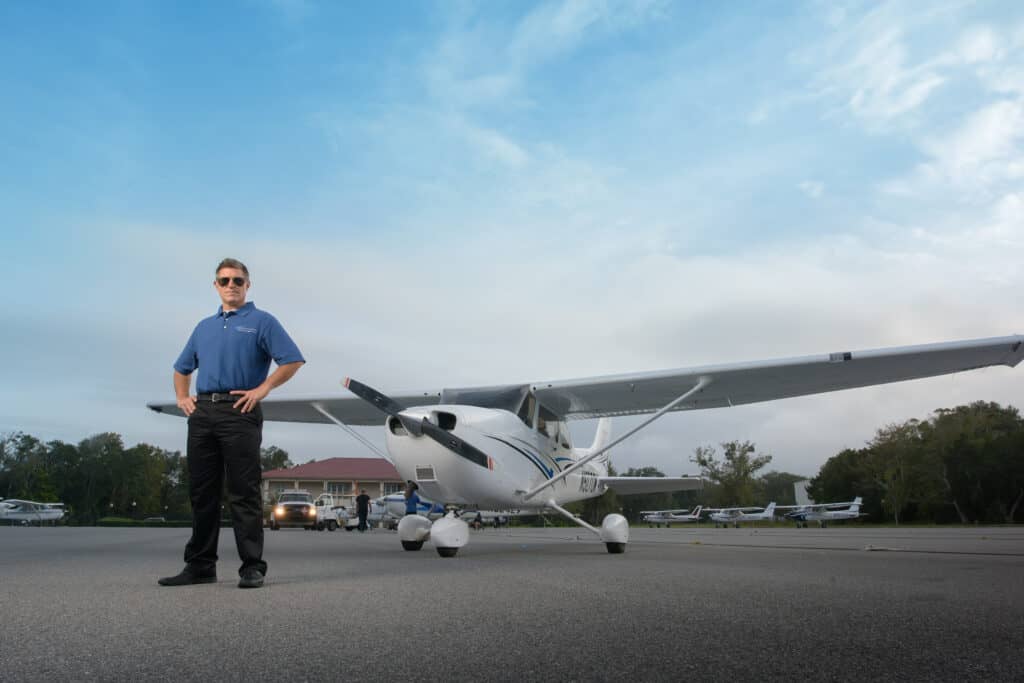
Dreaming of soaring through the skies and exploring new horizons? The Professional Pilot Pathway is your gateway to a thrilling and rewarding aviation career. This journey requires dedication, resilience, and a deep passion for flying. From your first training flight to earning your captain’s stripes, the path to becoming a professional pilot is filled with rigorous training and immense personal growth.
Embarking on this pathway will shape your life and unlock countless opportunities. Whether transporting passengers across continents, delivering critical cargo, or guiding new pilots as an instructor, the possibilities in aviation are vast and varied. However, achieving this dream demands a relentless pursuit of excellence, extensive knowledge, and unwavering commitment.
In this comprehensive guide, we will explore every step of the Professional Pilot Pathway, providing you with the knowledge and resources needed to turn your dream of flight into reality. Buckle up and get ready for an exhilarating journey to the skies!
Before diving into the specifics of the Professional Pilot Pathway, it’s essential to understand the fundamental requirements for becoming a professional pilot. These requirements vary depending on the type of pilot certification you seek, but they generally include:
Age: Most countries have a minimum age requirement, typically 18 years old for private pilot licenses and 21 years old for commercial pilot licenses.
Education: While a college degree is not always mandatory, many airlines and aviation companies prefer candidates with at least a two-year degree in aviation or a related field.
Medical Certification: Pilots must meet strict medical standards set by aviation authorities, such as the Federal Aviation Administration (FAA) in the United States, to ensure their fitness for flight.
Vision Requirements: Pilots must have excellent vision, with or without corrective lenses, and meet specific visual acuity and color vision standards.
English Language Proficiency: As aviation is an international industry, proficiency in the English language is essential for effective communication.
Background Check: Applicants must undergo a thorough background check to ensure they meet the necessary security and character requirements.
It’s crucial to research and understand the specific requirements for the type of pilot certification you seek in your desired country or region.
In the United States, the Federal Aviation Administration FAA is the governing body responsible for regulating and overseeing all aspects of civil aviation. The FAA plays a pivotal role in the Professional Pilot Pathway, setting the standards for pilot certification, aircraft maintenance, air traffic control, and aviation safety.
As an aspiring pilot, understanding the FAA’s regulations and requirements is crucial. The agency establishes the criteria for obtaining various pilot certificates and ratings, such as the Private Pilot License (PPL), Commercial Pilot License (CPL), Instrument Rating, and Multi-Engine Rating.
The FAA also oversees the training and certification of flight instructors, ensuring they meet the necessary qualifications to provide high-quality instruction to student pilots. Additionally, the agency regulates the operations of flight schools and approves their training programs, ensuring they adhere to the highest standards of safety and professionalism.
By understanding the FAA’s role and staying up-to-date with its regulations, aspiring pilots can navigate the Professional Pilot Pathway with confidence and ensure they meet all the necessary requirements for their desired pilot certification.
When embarking on the Professional Pilot Pathway, choosing the right flight academy is crucial for your success. Florida Flyers Flight Academy stands out as a premier institution dedicated to providing top-notch aviation training and preparing students for rewarding careers as professional pilots.
Here are a few reasons why Florida Flyers Flight Academy is an excellent choice for your pilot training:
Experienced and Dedicated Instructors: The academy boasts a team of highly experienced and dedicated flight instructors who are passionate about sharing their knowledge and expertise with students. Their commitment to excellence ensures that you receive comprehensive and personalized training, tailored to your individual needs and learning style.
State-of-the-Art Training Facilities: Florida Flyers Flight Academy is equipped with modern training facilities, including advanced flight simulators, cutting-edge classrooms, and a well-maintained fleet of aircraft. These resources provide a hands-on and immersive learning experience, enabling you to develop the necessary skills and confidence for a successful career in aviation.
Comprehensive Training Programs: The academy offers a wide range of training programs, including Private Pilot, Instrument Rating, Commercial Pilot, and Multi-Engine Rating courses. These programs are designed to meet the highest standards set by the FAA and equip you with the knowledge and skills required to excel in the aviation industry.
Flexible Scheduling: Understanding the unique needs of each student, Florida Flyers Flight Academy offers flexible scheduling options, allowing you to balance your training with other commitments and responsibilities.
Career Guidance and Placement Assistance: In addition to top-notch training, the academy provides valuable career guidance and assistance in securing job opportunities within the aviation industry. Their strong connections with airlines, corporate aviation companies, and other industry partners can help you take the next step in your Professional Pilot Pathway.
By choosing Florida Flyers Flight Academy, you’ll be investing in a world-class aviation education that sets you on the path to a rewarding and fulfilling career as a professional pilot.
The Private Pilot License (PPL) is the first step on the Professional Pilot Pathway. This license allows you to fly aircraft for personal and recreational purposes, laying the foundation for your future aviation career. Here are the steps to earning your PPL:
Ground School: Before taking to the skies, you’ll need to complete a comprehensive ground school course. This course covers topics such as aviation regulations, aerodynamics, weather theory, navigation, and flight planning. Ground school provides the theoretical knowledge necessary for safe and efficient flight operations.
Flight Training: Once you’ve completed ground school, it’s time to take to the air! During your flight training, you’ll work closely with a Certified Flight Instructor (CFI) to develop the practical skills required for piloting an aircraft. This hands-on training includes takeoffs, landings, navigation, and emergency procedures.
Solo Flight: After demonstrating proficiency in various maneuvers and meeting the necessary requirements, you’ll be cleared for your first solo flight. This milestone marks a significant achievement and represents your transition from a student pilot to a pilot in command.
Cross-Country Flights: As part of your training, you’ll need to complete several cross-country flights, which involve navigating to and landing at different airports. These flights help you develop your navigation skills, decision-making abilities, and confidence in handling various flight scenarios.
Written Exam: Before you can take your practical flight test, you’ll need to pass a comprehensive written exam administered by the FAA. This exam tests your knowledge of aviation regulations, meteorology, navigation, and aircraft systems.
Practical Flight Test: The final step in earning your PPL is the practical flight test, also known as the “checkride.” During this test, an FAA examiner will evaluate your flying skills, knowledge, and ability to safely operate an aircraft. Upon successful completion of the test, you’ll be awarded your Private Pilot License.
Earning your PPL is a significant achievement and opens the door to a world of possibilities in the aviation industry. It’s the first step on the Professional Pilot Pathway, and the skills and knowledge you acquire during this process will serve as the foundation for your future growth and advancement.
While the Private Pilot License (PPL) allows you to fly for personal and recreational purposes, the next step in the Professional Pilot Pathway is obtaining a Commercial Pilot License (CPL). This license enables you to pursue a career as a professional pilot, flying for compensation or hire.
To obtain a CPL, you’ll need to meet the following requirements:
Age: You must be at least 18 years old to apply for a CPL.
Flight Time: The requires a minimum of 250 hours of flight time, including specific requirements for cross-country flights, night flying, and instrument time.
Ground Instruction: You’ll need to complete additional ground instruction covering advanced topics such as aerodynamics, aircraft systems, and commercial flight operations.
Written Exam: Like the PPL, you’ll need to pass a comprehensive written exam administered by the FAA, covering subjects relevant to commercial aviation operations.
Practical Flight Test: The final step is a practical flight test, during which an examiner will evaluate your flying skills, knowledge, and ability to operate an aircraft in a commercial environment.
Obtaining a CPL opens up a wide range of career opportunities, including working as a flight instructor, corporate pilot, air taxi pilot, or even as a first officer with a commercial airline. It’s a significant milestone in the Professional Pilot Pathway and demonstrates your commitment to pursuing a career in aviation.
In addition to the Private Pilot License (PPL) and Commercial Pilot License (CPL), aspiring professional pilots must also obtain an Instrument Rating. This rating allows pilots to operate aircraft solely by reference to instruments, without relying on outside visual cues.
The Instrument Rating is crucial for several reasons:
Safety: Flying in instrument meteorological conditions (IMC), such as low visibility or cloud cover, requires specialized training and proficiency in instrument flight procedures. The Instrument Rating equips pilots with the skills necessary to navigate and operate an aircraft safely in these conditions.
Expanded Opportunities: Many aviation careers, including commercial airline operations, require pilots to hold an Instrument Rating. This rating opens up a broader range of job opportunities and allows for greater flexibility in flight operations.
Increased Proficiency: The training required for the Instrument Rating enhances pilots’ overall proficiency and decision-making abilities. It teaches them to rely on precise instrument interpretations, effective communication with air traffic control, and advanced navigation techniques.
To obtain an Instrument Rating, pilots must complete both ground and flight training, covering topics such as instrument flight rules, instrument approach procedures, weather analysis, and emergency operations. Additionally, they must pass a written exam and a practical flight test administered by an FAA examiner.
By obtaining an Instrument Rating, pilots demonstrate their commitment to safety, professionalism, and their ability to operate aircraft in a wide range of conditions. It’s an essential step in the Professional Pilot Pathway and a crucial component of a well-rounded aviation education.
As you progress along the Professional Pilot Pathway, obtaining a Multi-Engine Rating can significantly expand your horizons and open up new career opportunities. This rating allows pilots to operate aircraft with more than one engine, such as twin-engine or multi-engine airplanes.
The Multi-Engine Rating is particularly valuable for pilots seeking careers in commercial aviation, corporate aviation, or air cargo operations, where multi-engine aircraft are commonly used. Here are some key advantages of obtaining this rating:
Increased Versatility: With a Multi-Engine Rating, pilots can operate a wider range of aircraft, providing greater flexibility and adaptability in their careers.
Enhanced Safety: Multi-engine aircraft offer increased safety and redundancy, as the presence of multiple engines provides a backup in case of engine failure or other emergencies.
Career Advancement: Many airlines and aviation companies prefer or require pilots to hold a Multi-Engine Rating, as it demonstrates a higher level of proficiency and experience.
To obtain a Multi-Engine Rating, pilots must complete both ground and flight training specific to multi-engine aircraft operations. This training covers topics such as engine management, emergency procedures, and aircraft systems unique to multi-engine aircraft. Additionally, pilots must pass a written exam and a practical flight test administered by an FAA examiner.
Obtaining a Multi-Engine Rating is a significant achievement and demonstrates a pilot’s commitment to professional development and continuous learning. It’s an essential step for those seeking to advance their careers in the aviation industry and take on more challenging and rewarding roles.
While obtaining the necessary pilot certifications and ratings is crucial, building substantial flight experience is equally important in the Professional Pilot Pathway. Many aviation employers, particularly commercial airlines, have minimum flight hour requirements for their pilot positions.
Here are some strategies for building flight hours and gaining valuable experience:
Flight Instructing: Becoming a Certified Flight Instructor (CFI) is an excellent way to accumulate flight hours while sharing your knowledge and passion for aviation with aspiring pilots. As a CFI, you’ll have the opportunity to teach both ground and flight lessons, reinforcing your own skills while helping others achieve their goals.
Corporate or Charter Operations: Seek employment opportunities with corporate flight departments or charter operators. These positions can provide valuable experience in operating complex aircraft, adhering to strict safety protocols, and interacting with a diverse range of clients.
Aerial Work: Consider exploring aerial work opportunities, such as aerial photography, surveying, or pipeline patrol. These specialized roles can offer unique experiences and contribute to your overall flight time.
Networking: Attend aviation industry events, join professional pilot associations, and actively network with experienced pilots and industry professionals. Building connections can open doors to job opportunities, mentorship, and valuable insights into the aviation industry.
In addition to accumulating flight hours, these experiences can also help you develop essential soft skills, such as communication, decision-making, and problem-solving, which are highly valued in the aviation industry.
Remember, the journey to becoming a professional pilot is not just about obtaining licenses and ratings; it’s also about gaining practical experience and developing a well-rounded skill set that sets you apart in a competitive job market.
The Professional Pilot Pathway offers a diverse range of career opportunities, each with its own unique challenges and rewards. As you progress through your training and gain experience, you’ll have the opportunity to explore various career paths within the aviation industry.
Here are some of the most common job opportunities and career paths for professional pilots:
Commercial Airline Pilot: Arguably the most well-known career path, commercial airline pilots are responsible for transporting passengers and cargo on scheduled flights for major airlines, regional carriers, or cargo operators. This career path typically requires significant flight experience and advanced ratings, such as an Airline Transport Pilot (ATP) certificate.
Corporate Aviation Pilot: Corporate pilots fly for private companies, transporting executives, employees, and clients on business-related trips. This career path offers a more flexible schedule and the opportunity to operate sophisticated aircraft while providing a high level of customer service.
Flight Instructor: As a Certified Flight Instructor (CFI), you’ll have the opportunity to share your knowledge and passion for aviation with aspiring pilots. Flight instructors play a crucial role in training the next generation of pilots and can work for flight schools, universities, or aviation academies.
Air Ambulance Pilot: Air ambulance pilots transport patients and medical personnel in emergency situations, often operating under challenging conditions and time constraints. This career path requires exceptional piloting skills, decision-making abilities, and a commitment to saving lives.
Military Pilot: For those with a strong sense of duty and adventure, becoming a military pilot can be a rewarding career path. Military pilots operate a wide range of aircraft, from fighter jets to transport planes, and play a vital role in national defense and humanitarian missions.
Agricultural Pilot: Also known as crop dusters, agricultural pilots are responsible for aerial application of pesticides, fertilizers, and other materials to agricultural fields. This career path requires precision flying skills and the ability to operate in low-level environments.
Charter Pilot: Charter pilots fly private or corporate aircraft for hire, transporting passengers or cargo on non-scheduled flights. This career path offers flexibility and the opportunity to fly to diverse destinations while providing personalized service to clients.
Each of these career paths presents unique challenges and rewards, and the path you choose will depend on your interests, skills, and personal goals. Regardless of the path you pursue, becoming a professional pilot requires dedication, perseverance, and a commitment to continuous learning and self-improvement.
Pursuing the Professional Pilot Pathway requires a significant financial investment. The costs associated with flight training, certifications, and ratings can be substantial, but with proper planning and exploration of funding options, this investment can be manageable.
Here’s an overview of some of the common costs involved:
Flight Training: This is typically the largest expense, as it includes the cost of ground school, flight instruction, aircraft rental, and other associated fees. The cost of flight training can vary depending on the flight school, location, and the type of aircraft used.
Certifications and Ratings: In addition to flight training, you’ll need to factor in the costs of written exams, practical tests, and the associated fees for obtaining various pilot certifications and ratings, such as the Private Pilot License (PPL), Commercial Pilot License (CPL), Instrument Rating, and Multi-Engine Rating.
Aviation Medical Exams: Pilots must undergo periodic medical examinations to maintain their medical certification, which is required for holding a valid pilot’s license. These exams come with associated costs.
Study Materials and Resources: Throughout your training, you’ll need to invest in study materials, such as textbooks, flight manuals, and aviation software, to support your learning and preparation for exams.
Living Expenses: Depending on the duration and intensity of your training program, you may need to consider living expenses, such as housing, transportation, and other daily costs.
While the financial investment can be significant, there are various funding options available to help offset the costs:
Student Loans: Many students pursue student loans, both federal and private, to finance their flight training and education.
Scholarships and Grants: Several aviation organizations, airlines, and flight schools offer scholarships and grants to aspiring pilots based on academic achievement, financial need, or other criteria.
Military Programs: Joining the military can provide an opportunity to receive flight training and gain valuable experience while serving your country.
Airline Cadet Programs: Some airlines offer cadet programs that provide financial assistance and a structured path to employment as a commercial pilot upon successful completion of the program.
Personal Savings and Family Support: Many pilots rely on personal savings, family support, or a combination of both to fund their training and education.
It’s essential to carefully research and evaluate the costs associated with your desired Professional Pilot Pathway, as well as the available funding options. Proper financial planning and budgeting can help ensure that the investment you make in your aviation career is both manageable and worthwhile.
The aviation industry is constantly evolving, with new technologies, regulations, and best practices emerging regularly. As a professional pilot, it’s essential to embrace a mindset of continuous learning and stay up-to-date with the latest developments in the field.
The FAA plays a crucial role in ensuring that pilots maintain their knowledge and proficiency. Here are some of the ongoing requirements and opportunities for continuing education:
Flight Reviews: The FAA requires pilots to undergo a Flight Review every 24 calendar months. This review is conducted by a Certified Flight Instructor (CFI) and involves a ground and flight evaluation to ensure the pilot’s knowledge and skills remain current.
Recurrent Training: Many aviation employers, particularly commercial airlines and corporate flight departments, require their pilots to participate in recurrent training programs. These programs cover a wide range of topics, including aircraft systems, emergency procedures, and regulatory updates.
Proficiency Checks: Pilots may be required to undergo periodic proficiency checks to demonstrate their ability to perform specific maneuvers, procedures, and operations to the required standards.
Seminars and Workshops: Industry organizations, flight schools, and aviation companies often host seminars, workshops, and conferences focused on various aspects of aviation. These events provide valuable opportunities for pilots to learn from experts, network with peers, and stay informed about the latest industry developments.
Online Courses and Self-Study: With the advent of technology, numerous online courses and self-study resources are available to pilots. These resources cover a wide range of topics, from aviation meteorology to advanced aircraft systems, and can be accessed at the pilot’s convenience.
In addition to meeting regulatory requirements, continuing education is essential for personal and professional growth. By actively seeking out learning opportunities and staying current with industry developments, pilots can enhance their knowledge, skills, and competitiveness in the job market.
Embracing a lifelong learning mindset not only ensures compliance with regulations but also fosters a deeper understanding of the aviation industry and a commitment to safety and excellence.
As you progress along the Professional Pilot Pathway, it’s essential to connect with fellow pilots and industry professionals. Joining professional pilot associations and networks can provide numerous benefits and opportunities for personal and career growth.
Here are some of the advantages of becoming part of these organizations:
Networking Opportunities: Professional pilot associations and networks offer valuable networking opportunities, allowing you to connect with experienced pilots, industry leaders, and potential employers. These connections can lead to mentorship, job opportunities, and valuable insights into the aviation industry.
Continuing Education: Many associations and networks offer continuing education programs, seminars, and workshops designed to keep pilots up-to-date with the latest industry developments, regulations, and best practices.
Professional Development: These organizations often provide resources and guidance for professional development, such as career counseling, resume writing assistance, and interview preparation.
Advocacy and Representation: Professional pilot associations play a crucial role in advocating for the interests of pilots and representing their concerns to regulatory bodies, lawmakers, and industry stakeholders.
Access to Resources: Members of these organizations typically have access to exclusive resources, such as industry publications, online forums, and discounts on aviation-related products and services.
Some of the prominent professional pilot associations and networks include:
Actively participating in professional associations and networks can help you stay informed, connected, and engaged throughout your career as a professional pilot.
The Professional Pilot Pathway is a journey filled with challenges, dedication, and immense personal growth. From earning your Private Pilot License to advancing to a Commercial Pilot License, Instrument Rating, and Multi-Engine Rating, each step represents a significant milestone and a testament to your commitment to excellence.
Throughout this comprehensive guide, we’ve explored the requirements, training processes, and career opportunities available to aspiring professional pilots. We’ve highlighted the importance of understanding the FAA’s role in pilot certification and the value of choosing a reputable flight academy like Florida Flyers Flight Academy.
We’ve also discussed the financial investment required and the various funding options available, as well as the importance of continuing education and staying current with industry developments. Additionally, we’ve emphasized the benefits of joining professional pilot associations and networks, which can provide invaluable resources, networking opportunities, and a sense of community.
As you embark on this exciting journey, remember that becoming a professional pilot is not just a career choice; it’s a lifestyle that demands passion, resilience, and a commitment to safety and professionalism. Embrace the challenges, stay focused on your goals, and never stop learning and growing.
The skies await, and the Professional Pilot Pathway is yours to conquer. Take the first step today and soar towards a rewarding and fulfilling career as a professional pilot.
If you’re ready to take the first step towards a rewarding career as a professional pilot, consider enrolling at Florida Flyers Flight Academy. Our comprehensive training programs, experienced instructors, and state-of-the-art facilities will provide you with the knowledge and skills necessary to soar in the aviation industry.
Contact the Florida Flyers Flight Academy Team today at (904) 209-3510 to learn more about the Private Pilot Ground School Course.