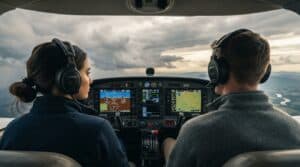
South Korea has emerged as a prominent hub for aviation training, attracting aspiring pilots from across the globe. With its state-of-the-art facilities, experienced flight instructors, and rigorous training programs, the country offers an exceptional opportunity for individuals seeking to embark on a career in the skies. This comprehensive guide delves into the realm of pilot training in South Korea, providing insights into the benefits, requirements, and steps to become a certified pilot.
South Korea’s aviation industry has witnessed remarkable growth in recent years, fueled by the increasing demand for air travel and the expansion of major airlines. This surge has created a need for highly skilled and qualified pilots, making pilot training in South Korea a sought-after pathway for those with a passion for aviation. The country’s commitment to excellence in training, coupled with its advanced infrastructure and cutting-edge technology, ensures that aspiring pilots receive top-notch education and hands-on experience.
Pursuing pilot training in South Korea offers numerous advantages that set it apart from other training destinations. Here are some of the key benefits:
World-Class Training Facilities: South Korea boasts state-of-the-art training facilities equipped with advanced flight simulators, aircraft fleets, and cutting-edge technology. These facilities provide aspiring pilots with a comprehensive and immersive learning experience, preparing them for real-world scenarios.
Experienced and Qualified Instructors: The flight schools in South Korea employ highly experienced and qualified instructors who have extensive knowledge and expertise in the field of aviation. These instructors not only impart theoretical knowledge but also provide practical training and guidance, ensuring that students develop the necessary skills and confidence to become competent pilots.
Internationally Recognized Certifications: The pilot training programs in South Korea are accredited by international aviation organizations, ensuring that the certifications obtained are globally recognized and respected. This enhances the employability of graduates and opens doors to career opportunities worldwide.
Exposure to Diverse Aviation Environments: South Korea’s strategic location and advanced aviation infrastructure provide aspiring pilots with exposure to various aviation environments, including international airports, air traffic control systems, and diverse weather conditions. This exposure prepares them for the challenges they may encounter in their future careers.
When considering pilot training in South Korea, it’s essential to understand the role of the Korea Office of Civil Aviation (KOCA). Operating under the Ministry of Land, Infrastructure, and Transport (MOLIT), KOCA is the primary authority responsible for overseeing and regulating all civil aviation activities within the country. This includes ensuring air safety, managing air traffic control, and certifying pilots and aircraft.
KOCA sets stringent standards for pilot training programs to ensure that aspiring pilots receive the highest quality education and training. These regulations cover various aspects of aviation training, from the curriculum and training facilities to the qualifications of flight instructors. By maintaining rigorous oversight, KOCA helps ensure that pilots trained in South Korea meet international standards, making them competitive in the global aviation industry. Understanding KOCA’s role and regulations is crucial for anyone looking to pursue pilot training in South Korea.
Embarking on pilot training in South Korea involves meeting a series of stringent requirements designed to ensure the safety and competency of future pilots. Aspiring pilots must fulfill both general and specific criteria set forth by the Korea Office of Civil Aviation (KOCA).
General Requirements:
Specific Requirements:
Meeting these requirements is a crucial step towards successfully completing pilot training in South Korea and pursuing a career in aviation.
Selecting the right flight school is a crucial decision that can significantly impact your training experience and future career prospects. South Korea is home to several reputable flight schools, each offering unique programs and specializations. When choosing a flight school, consider the following factors:
Accreditation and Reputation: Ensure that the flight school is accredited by KOCA and recognized by international aviation organizations. Additionally, research the school’s reputation, success rates, and alumni feedback.
Training Facilities and Equipment: Evaluate the quality and modernity of the training facilities, aircraft fleet, simulators, and other equipment used for training. Up-to-date and well-maintained facilities are essential for providing effective and realistic training.
Instructors and Staff: Inquire about the qualifications, experience, and teaching methodologies of the instructors. Experienced and knowledgeable instructors can greatly enhance the learning experience and prepare you for real-world scenarios.
Training Programs: Assess the various training programs offered by the flight school, including their curricula, duration, and specializations. Ensure that the program aligns with your career goals and desired pilot certification.
Cost and Financial Aid: Consider the overall cost of the training program, including tuition fees, accommodation, and additional expenses. Inquire about available financial aid options, scholarships, or payment plans to make the training more accessible.
Job Placement Assistance: Evaluate the flight school’s track record in assisting graduates with job placements and networking opportunities within the aviation industry.
Location and Accessibility: Consider the location of the flight school and its proximity to airports, accommodations, and transportation options, as these factors can impact your overall training experience.
By carefully evaluating these factors, you can make an informed decision and choose a flight school that best suits your needs, aspirations, and budget.
Once you have identified the flight school that aligns with your goals, follow these steps to enroll in the pilot training program:
Submit the Application: Obtain and complete the application form provided by the flight school. This typically includes personal information, educational background, and any additional documents required, such as transcripts, certificates, or letters of recommendation.
Attend an Interview or Assessment: Many flight schools conduct interviews or assessments to evaluate an applicant’s aptitude, motivation, and suitability for the pilot training program.
Provide Required Documentation: Prepare and submit the necessary documentation, such as proof of identity, educational certificates, medical records, and any other documents specified by the flight school.
Obtain Student Visa (if applicable): If you are an international student, you will need to apply for a student visa to study in South Korea. The flight school can provide guidance on the visa application process and required documents.
Secure Accommodation: Explore accommodation options near the flight school or in nearby areas. Some flight schools may offer on-campus housing or assistance in finding suitable accommodation.
Arrange Financing: Determine the total cost of the pilot training program, including tuition fees, accommodation, and living expenses. Explore available financial aid options, scholarships, or payment plans to manage the costs effectively.
Attend Orientation and Enroll: Once accepted into the program, attend the mandatory orientation sessions and complete the enrollment process. This may include signing contracts, paying fees, and obtaining necessary materials or equipment.
By following these steps and ensuring that you meet all the requirements, you can successfully enroll in a pilot training program in South Korea and embark on your journey to becoming a certified pilot.
Pilot training in South Korea typically follows a structured curriculum divided into multiple phases, designed to provide aspiring pilots with comprehensive theoretical and practical knowledge. The training curriculum is designed to meet the standards set by KOCA and international aviation organizations.
The training phases may vary slightly among different flight schools, but generally include the following:
Ground School: This initial phase focuses on theoretical instruction and covers subjects such as aviation regulations, meteorology, navigation, aerodynamics, aircraft systems, and flight planning. Students gain a solid foundation in the principles of aviation through classroom instruction and self-study.
Flight Simulator Training: After completing the ground school, students progress to flight simulator training. This phase allows them to practice various flight scenarios, emergency procedures, and instrument flying in a safe and controlled environment. Simulators provide a realistic representation of the cockpit and flight conditions, enabling students to develop essential skills before transitioning to actual aircraft.
Pre-Flight Training: During this phase, students receive hands-on instruction on aircraft familiarization, pre-flight inspections, and ground operations. They learn about aircraft systems, checklists, and safety procedures, preparing them for their first real flight.
Primary Flight Training: This phase marks the beginning of actual flight training. Students learn basic flight maneuvers, takeoffs and landings, and aircraft control under the supervision of experienced flight instructors. They gradually progress from dual instruction to solo flights, building confidence and proficiency in the air.
Cross-Country and Instrument Flight Training: As students advance, they receive training in cross-country navigation, instrument flying, and operating in various weather conditions. This phase prepares them for long-distance flights and equips them with the skills necessary for operating under instrument flight rules (IFR).
Commercial Pilot Training: For those pursuing a commercial pilot license, additional training is provided in advanced aircraft systems, crew resource management, and multi-engine aircraft operations. This phase also covers topics such as airline operations, flight planning, and decision-making skills required for commercial aviation.
Specialized Training: Depending on the desired career path, students may opt for specialized training in areas such as multi-crew cooperation, airline transport pilot certification, or specific aircraft type ratings.
Throughout the training process, students are evaluated through written exams, practical tests, and flight checks to ensure they meet the required standards and competencies. Upon successful completion of the training curriculum, graduates receive their pilot licenses and certifications from KOCA, enabling them to pursue various career opportunities in the aviation industry.
The cost of pilot training in South Korea can vary depending on several factors, such as the flight school, program duration, and the level of certification sought. Generally, the cost can range from several thousand dollars for basic private pilot licenses to tens of thousands of dollars for advanced commercial or airline transport pilot licenses.
Here’s a breakdown of the typical costs associated with pilot training in South Korea:
Tuition Fees: The tuition fees for pilot training programs can vary significantly among different flight schools. These fees typically cover the cost of ground school instruction, flight simulator time, aircraft rental, and instructor fees. Tuition fees can range from around $20,000 to $80,000 or more, depending on the program and level of certification.
Books and Study Materials: Students will need to purchase textbooks, manuals, charts, and other study materials required for their training. The cost of these materials can range from a few hundred to a thousand dollars.
Accommodation and Living Expenses: If the flight school does not provide on-campus housing, students will need to budget for accommodation and living expenses in the area. These costs can vary depending on the location and lifestyle preferences.
Additional Fees: Some flight schools may charge additional fees for services such as medical examinations, language proficiency tests, or administrative costs.
Travel and Transportation: For international students or those residing outside the flight school’s location, travel and transportation costs to and from the training facility should be considered.
It’s important to note that the cost of pilot training can be a significant investment, but it is essential for aspiring pilots to receive high-quality training from reputable institutions. Many flight schools offer payment plans, scholarships, or financial aid options to help make the training more accessible.
Pursuing pilot training can be a substantial financial commitment, but there are various scholarships and financial aid options available to help aspiring pilots in South Korea achieve their dreams. Here are some common sources of financial assistance:
Government Scholarships: The Korean government offers several scholarships and financial aid programs for international students pursuing higher education or vocational training in South Korea. These scholarships may cover tuition fees, living expenses, or both, depending on the program.
Airline Sponsored Scholarships: Major airlines in South Korea, such as Korean Air and Asiana Airlines, often provide scholarships or cadet programs for aspiring pilots. These programs offer financial support and potential employment opportunities upon successful completion of the training.
Flight School Scholarships: Many flight schools in South Korea offer their own scholarships or tuition assistance programs based on academic merit, financial need, or other criteria. These scholarships can help offset a portion of the training costs.
Private Scholarships and Grants: Various private organizations, foundations, and aviation associations may offer scholarships or grants specifically for aspiring pilots. These opportunities can be found through online searches or by contacting relevant organizations.
Student Loans: Students can explore student loan options from banks or financial institutions in South Korea or their home countries. These loans typically need to be repaid with interest after completing the training.
Employer Sponsorships: Some companies or organizations may sponsor their employees or prospective employees to pursue pilot training in South Korea. This option is often available for individuals already working in the aviation industry or related fields.
To access these financial aid opportunities, aspiring pilots should research and apply well in advance. It’s essential to meet the eligibility criteria, submit the required documents, and follow the application procedures carefully. Additionally, maintaining good academic standing and demonstrating a strong commitment to the aviation field can increase the chances of securing financial assistance.
Upon successful completion of pilot training in South Korea, graduates have a wide range of career opportunities available to them in the aviation industry, both within the country and internationally. The demand for skilled pilots continues to grow, driven by the expansion of the global aviation sector and the increasing need for air travel.
Here are some potential job prospects and career opportunities for pilots trained in South Korea:
Commercial Airlines: Major airlines in South Korea, such as Korean Air, Asiana Airlines, and low-cost carriers, actively recruit pilots from reputable flight schools. These airlines offer competitive salaries, benefits, and opportunities for career advancement.
Cargo and Charter Operations: South Korea’s thriving export industry and logistics sector create demand for pilots in cargo and charter operations. Companies involved in air freight, courier services, and specialized charter flights may hire pilots trained in South Korea.
Corporate Aviation: Large corporations and businesses often maintain their own corporate aviation departments, requiring pilots for executive travel, transportation of personnel, and other specialized operations.
Flight Instruction: Experienced pilots may find opportunities as flight instructors at flight schools or aviation academies in South Korea, passing on their knowledge and skills to the next generation of pilots.
Military Aviation: The Republic of Korea Air Force (ROKAF) and other military branches may recruit pilots trained in South Korea for various roles, including transport, combat, and reconnaissance operations.
International Job Opportunities: With globally recognized certifications and training, pilots from South Korea can explore job opportunities with airlines, aviation companies, and organizations around the world.
Aviation-Related Industries: Pilots with diverse skill sets may find employment in aviation-related industries, such as air traffic control, airport operations, aviation consulting, or aircraft manufacturing and maintenance.
To enhance their job prospects, pilots should actively network, participate in industry events, and seek internships or entry-level positions to gain valuable experience. Additionally, obtaining advanced certifications, type ratings, or specialized training can further increase their competitiveness in the job market.
Pursuing pilot training is a challenging yet rewarding journey that requires dedication, perseverance, and a passion for aviation. To help aspiring pilots navigate this path successfully, here are some valuable tips:
Develop a Strong Foundation: Before enrolling in a pilot training program, it’s essential to have a solid understanding of aviation fundamentals. Consider taking introductory courses, attending aviation camps, or gaining practical experience through flight simulations or introductory flights.
Stay Physically and Mentally Fit: Piloting an aircraft demands excellent physical and mental health. Maintain a healthy lifestyle, exercise regularly, and develop stress management techniques to ensure you meet the rigorous demands of the training and career.
Enhance Communication Skills: Effective communication is crucial in the aviation industry. Work on improving your English language proficiency, as it is the international language of aviation. Additionally, develop strong interpersonal and teamwork skills, as pilots often work in collaborative environments.
Seek Mentorship and Networking Opportunities: Connect with experienced pilots, aviation professionals, or alumni from flight schools. Their guidance, advice, and insights can be invaluable in navigating the training process and preparing for a successful career.
Stay Up-to-Date with Industry Trends and Regulations: The aviation industry is constantly evolving, with new technologies, regulations, and best practices emerging regularly. Stay informed by reading industry publications, attending seminars, and participating in professional organizations.
Develop a Positive Attitude and Resilience: Pilot training can be demanding and challenging, with setbacks and obstacles along the way. Cultivate a positive attitude, perseverance, and resilience to overcome these challenges and maintain motivation throughout the journey.
Manage Finances Effectively: Pilot training can be a significant financial investment. Plan and budget accordingly, explore financial aid options, and consider part-time employment or alternative sources of income to support your training expenses.
Embrace Continuous Learning: The aviation industry values continuous learning and professional development. Be prepared to engage in ongoing training, acquire additional certifications, and adapt to new technologies and procedures throughout your career.
By following these tips and maintaining a strong commitment to excellence, aspiring pilots can increase their chances of success in the pilot training programs in South Korea and lay the foundation for a rewarding and fulfilling career in aviation.
Pursuing pilot training in South Korea offers a unique and rewarding opportunity for aspiring pilots to embark on a career in the skies. With its state-of-the-art facilities, experienced instructors, and rigorous training programs, South Korea has established itself as a premier destination for aviation education.
Throughout this comprehensive guide, we have explored the benefits of pursuing pilot training in South Korea, the requirements and steps for enrollment, the training curriculum and phases, the associated costs and financial aid options, job prospects and career opportunities, and valuable tips for aspiring pilots.
By choosing a reputable flight school, adhering to KOCA regulations, and dedicating themselves to continuous learning and professional development, aspiring pilots can acquire the skills, knowledge, and certifications necessary to soar in the aviation industry.
South Korea’s commitment to excellence in pilot training, coupled with its advanced infrastructure and thriving aviation sector, creates an environment conducive to nurturing the next generation of skilled and competent pilots. With determination, passion, and the guidance provided in this article, aspiring pilots can turn their dreams of taking to the skies into reality.
Ready to take your aviation career to new heights? Join Florida Flyers Flight Academy and start your journey to becoming a professional pilot today! Apply now!
Contact the Florida Flyers Flight Academy Team today at (904) 209-3510 to learn more about the Private Pilot Ground School Course.