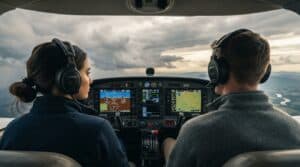
Egypt, a land steeped in ancient history and rich cultural heritage, has emerged as a prime destination for aspiring pilots seeking comprehensive training. With its strategic location at the crossroads of Africa and the Middle East, Egypt offers a unique opportunity to embark on a thrilling journey towards an aviation career. This ultimate guide will navigate you through the intricate realm of pilot training in Egypt, providing invaluable insights into the process of becoming a licensed pilot.
Egypt’s aviation industry has witnessed remarkable growth in recent years, fueled by the country’s commitment to developing its infrastructure and expanding its air travel capabilities. This surge has created a heightened demand for skilled pilots, making it an ideal time to pursue pilot training in this captivating nation.
The Egyptian Civil Aviation Authority (ECAA) is the governing body responsible for regulating and overseeing all aspects of civil aviation in Egypt. Established in 1964, the ECAA ensures adherence to international aviation standards and plays a pivotal role in setting the guidelines for pilot training in Egypt.
As an aspiring pilot in Egypt, it is crucial to familiarize yourself with the ECAA’s regulations and requirements. This authority oversees the certification process for flight schools, instructors, and pilots, ensuring that the highest safety standards are maintained throughout the training process.
To embark on the journey of becoming a licensed pilot in Egypt, you must meet specific requirements set forth by the ECAA. These requirements are designed to ensure that aspiring pilots possess the necessary qualifications and aptitude for the demanding field of aviation.
Age: Candidates must be at least 18 years old to enroll in a pilot training program.
Education: A minimum of a high school diploma or its equivalent is required. Proficiency in English, both written and spoken, is essential as it is the primary language of aviation.
Medical Certification: Applicants must obtain a Class 1 medical certificate from an approved aviation medical examiner. This certification ensures that the candidate is physically and mentally fit to handle the responsibilities of a pilot.
Flight Hours: To achieve a Private Pilot License (PPL), candidates must complete at least 40 flight hours, which include both dual instruction and solo flight time. For a Commercial Pilot License (CPL), a total of 200 flight hours is typically required.
Theoretical Knowledge: Students must pass theoretical exams covering various subjects such as air law, navigation, meteorology, aircraft systems, and human performance.
Background Check: A thorough background check is conducted to ensure that candidates do not have a criminal record or any issues that might compromise safety.
Meeting these requirements is the first step towards a rewarding career in aviation. Each pilot training academy in Egypt like the Florida Flyers Flight Academy may have additional specific criteria, so it’s essential to check with the chosen institution for detailed admission procedures.
Selecting the right flight school is a critical decision that can significantly impact pilot training in Egypt. Egypt boasts numerous reputable flight schools like the Florida Flyers Flight Academy, each offering diverse training programs and facilities. When choosing a flight school, consider the following factors:
Accreditation and Approval: Ensure that the flight school is approved and accredited by the ECAA, guaranteeing adherence to industry standards and regulations.
Facilities and Fleet: Evaluate the school’s facilities, including classrooms, simulators, and aircraft fleet. Modern and well-maintained equipment is essential for effective training.
Instructors’ Qualifications: Inquire about the qualifications and experience of the instructors, as they play a pivotal role in shaping your skills and knowledge.
Training Methodology: Assess the school’s training methodology, ensuring it aligns with your learning style and preferences.
Job Placement Assistance: Some flight schools offer job placement assistance or have partnerships with airlines, which can be advantageous for securing employment after graduation.
By carefully considering these factors, you can select a flight school that meets your specific needs and provides a comprehensive and rewarding pilot training experience.
Flight schools in Egypt offer a range of pilot training programs designed to cater to various career aspirations and skill levels. Here is an overview of some of the most common programs:
Private Pilot License (PPL) Program: This entry-level program equips students with the fundamental knowledge and skills required to operate aircraft for personal or recreational purposes.
Commercial Pilot License (CPL) Program: Building upon the PPL, this program prepares students for a career as a professional pilot, enabling them to fly aircraft for commercial purposes.
Airline Transport Pilot License (ATPL) Program: The ATPL is the highest level of pilot certification, qualifying individuals to operate as pilots-in-command on larger commercial aircraft.
Instrument Rating (IR) Program: This program focuses on training pilots to operate aircraft under instrument flight rules (IFR), allowing them to fly in various weather conditions and environments.
Multi-Engine Rating Program: This program equips pilots with the skills and knowledge required to operate multi-engine aircraft, expanding their career opportunities.
Flight schools in Egypt may offer additional specialized programs, such as helicopter pilot training or flight instructor courses, catering to diverse interests and career paths within the aviation industry.
Ground school is an essential component of pilot training, providing aspiring pilots with a comprehensive theoretical foundation in various aviation-related subjects. During ground school, students will delve into topics such as:
Ground school instruction is typically delivered through a combination of classroom lectures, self-study materials, and computer-based training modules. Regular assessments and examinations are conducted to evaluate students’ understanding and mastery of the theoretical concepts.
Successful completion of ground school and passing the required exams are prerequisites for advancing to the practical flight training phase.
Flight training is the hands-on component of pilot training, where students put their theoretical knowledge into practice. This phase involves extensive time in the air, under the guidance of experienced and certified flight instructors.
During flight training, students will learn and master various skills, including:
Flight training is conducted in a structured manner, with students gradually progressing from basic maneuvers to more advanced techniques. Flight hours are meticulously logged, as they are a crucial requirement for obtaining pilot licenses and ratings.
Throughout the flight training phase, instructors provide continuous feedback and guidance, ensuring that students develop the necessary proficiency and confidence to operate aircraft safely and efficiently.
The cost of pilot training in Egypt can vary depending on the type of program, flight school, and additional expenses. While the overall cost may be lower compared to some other countries, it is still a substantial investment. Here is an approximate breakdown of the costs:
Tuition Fees: The tuition fees for pilot training programs can range from $20,000 to $50,000 or more, depending on the level of certification and the flight school’s reputation.
Aircraft Rental and Fuel Costs: Flight training requires extensive time in the air, which incurs costs for aircraft rental and fuel. These expenses can add up quickly and may account for a significant portion of the overall training costs.
Accommodation and Living Expenses: If relocating for pilot training, students must factor in the costs of accommodation, meals, and other living expenses during their time in Egypt.
Textbooks and Study Materials: Flight schools typically require students to purchase textbooks, manuals, and other study materials, which can contribute to the overall costs.
Examination and Licensing Fees: Fees for various examinations, assessments, and licensing processes administered by the ECAA must be considered.
It is essential to carefully research and compare the costs of different flight schools and programs to find the best fit for your budget and financial situation.
Pursuing pilot training can be a significant financial commitment, but there are various scholarships and financial aid options available to help alleviate the burden. Here are some potential sources of funding for aspiring pilots in Egypt:
Government Scholarships: The Egyptian government, recognizing the importance of developing a skilled aviation workforce, may offer scholarships or financial assistance programs for aspiring pilots.
Airline Sponsorships: Major airlines in Egypt sometimes sponsor pilot training programs, providing financial support in exchange for a commitment to work for the airline upon graduation.
Private Scholarships and Grants: Various organizations, foundations, and private entities may offer scholarships or grants specifically designed for pilot training.
Student Loans: Exploring student loan options from banks or financial institutions can help finance pilot training costs. However, it is crucial to carefully consider the repayment terms and interest rates.
Aviation-Related Competitions and Awards: Participating in aviation-related competitions or contests may provide opportunities to win scholarships or financial awards.
It is advisable to research and apply for multiple scholarship and financial aid opportunities to increase your chances of securing funding for your pilot training in Egypt.
Upon successful completion of pilot training and obtaining the necessary licenses and ratings, a world of exciting career opportunities awaits in Egypt’s thriving aviation industry. Here are some potential career paths for licensed pilots:
Commercial Airline Pilots: Join one of Egypt’s major airlines, such as EgyptAir, Nile Air, or Air Cairo, and embark on a career flying domestic and international routes.
Corporate and Private Aviation: Explore opportunities as a pilot for private companies, corporations, or high-net-worth individuals, providing air transportation services.
Air Cargo and Charter Operations: Utilize your skills in the air cargo or charter aviation sectors, transporting goods and passengers on demand.
Aviation Instructors: Share your knowledge and experience by becoming a flight instructor at a reputable flight school, guiding the next generation of pilots.
Military Aviation: Consider pursuing a career in the Egyptian Air Force or other military branches, serving as a pilot for various operations and missions.
Additionally, with the global nature of the aviation industry, licensed pilots from Egypt may have opportunities to seek employment with international airlines or aviation companies worldwide.
Embarking on pilot training is a challenging yet rewarding journey. To increase your chances of success, consider the following tips:
Develop a Strong Passion: Cultivate a genuine passion for aviation and a commitment to excellence, as these qualities will fuel your motivation and drive throughout the training process.
Stay Focused and Disciplined: Pilot training demands unwavering focus and discipline. Maintain a dedicated study routine and consistently practice your skills to ensure steady progress.
Embrace Continuous Learning: Aviation is a constantly evolving field, and successful pilots must embrace a mindset of continuous learning and adaptation.
Build a Support Network: Surround yourself with a supportive network of family, friends, and fellow aviation enthusiasts who can provide encouragement and motivation during challenging times.
Maintain Physical and Mental Fitness: Pilot training can be physically and mentally demanding, so prioritize your health and well-being through regular exercise, proper nutrition, and stress management techniques.
Seek Mentorship: Connect with experienced pilots or instructors who can offer guidance, advice, and valuable insights into the aviation industry.
By following these tips and maintaining a positive and proactive attitude, you can navigate the challenges of pilot training and increase your chances of achieving your goal of becoming a licensed pilot in Egypt.
Pursuing pilot training in Egypt is an exciting and rewarding journey that opens doors to a dynamic and fulfilling career in the aviation industry. With its rich aviation heritage, state-of-the-art facilities, and commitment to excellence, Egypt offers aspiring pilots a comprehensive and immersive training experience.
By understanding the requirements, selecting the right flight school, and diligently dedicating yourself to both theoretical and practical training, you can unlock the skies and embark on a career that combines passion, skill, and adventure.
Remember, the path to becoming a licensed pilot requires perseverance, discipline, and an unwavering commitment to safety. Embrace the challenges and opportunities that lie ahead, and soar towards your dreams of becoming a skilled and respected pilot in Egypt’s thriving aviation sector.
If you’re ready to embark on the journey of becoming a licensed pilot, Enroll with Florida Flyers Flight Academy today. Our experienced instructors and state-of-the-art facilities provide the perfect environment for comprehensive pilot training in Egypt. Unlock your potential and take the first step towards a rewarding career in aviation by enrolling in our programs.
Contact the Florida Flyers Flight Academy Team today at (904) 209-3510 to learn more about the Private Pilot Ground School Course.