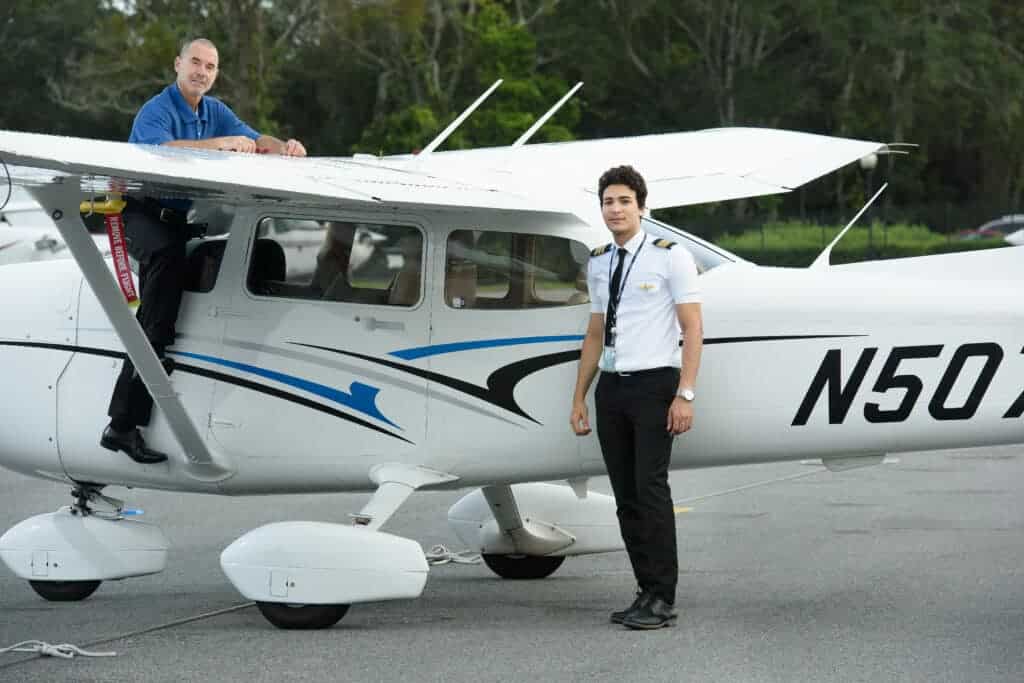
The pilot uniform is one of the most iconic symbols in aviation, instantly recognizable with its sharp lines and distinct features. Among these features, the stripes on a pilot’s epaulets stand out as a key element, each stripe carrying significant meaning. Whether you’re an aspiring pilot, an aviation enthusiast, or simply curious about the profession, understanding what these stripes represent is essential. This article delves into the significance of the Pilot 3 Stripes and explores the roles and responsibilities associated with each rank in the cockpit.
The Pilot 3 Stripes is not just a decorative element; it is a badge of authority and experience. These stripes, often seen on the sleeves and epaulets of a pilot’s uniform, indicate the rank of the individual and their role in ensuring the safety and efficiency of a flight. As you navigate through this guide, you will gain a deeper understanding of how these stripes are earned, what they signify in the context of a pilot’s career, and why they are an integral part of the aviation industry’s tradition and hierarchy.
In this comprehensive guide, we will explore the history behind the uniform stripes, the progression from one stripe to four, and the specific duties associated with each rank. By the end of this article, you’ll have a clear understanding of what the Pilot 3 Stripes mean and why they are a vital part of a pilot’s professional identity.
The tradition of using stripes to signify rank and authority in aviation dates back to the early days of commercial flight. Inspired by naval uniforms, early airline pilots adopted a similar system to distinguish between different levels of responsibility within the aircraft’s cockpit. The stripes, typically worn on the epaulets and sleeves of the uniform, were originally introduced by commercial airlines in the 1930s as a way to convey professionalism and trustworthiness to passengers.
Initially, the number of stripes varied depending on the airline and its policies. However, as aviation grew in importance and complexity, a more standardized system emerged. The number of stripes came to represent specific ranks within the flight crew, ranging from the First Officer, who typically wears two or three stripes, to the airplane Captain, who is distinguished by four stripes. This system helped to establish clear lines of command and responsibility, ensuring that everyone on board knew who was in charge, especially in critical situations.
The adoption of stripes was not just about hierarchy; it was also about building public confidence in air travel. During the early years, flying was a new and somewhat daunting experience for many passengers. The uniform, complete with its stripes, played a crucial role in reassuring travelers that they were in the hands of skilled and competent professionals. Today, the Pilot 3 Stripes continues to carry this legacy, symbolizing not only rank but also the trust and expertise that pilots bring to their role.
The Pilot 3 Stripes are a key indicator of a pilot’s rank and role within the cockpit. Typically, these three stripes are worn by a First Officer, also known as a co-pilot. The First Officer plays a crucial role in the flight operation, working closely with the Captain to ensure the safety and efficiency of the flight. While the Captain, who wears four stripes, holds the ultimate authority, the First Officer is a vital partner, sharing many responsibilities and often taking control of the aircraft during specific phases of the flight.
Having three stripes signifies that the pilot has achieved a significant level of experience and competency. To earn this rank, a pilot must undergo rigorous training and accumulate substantial flight hours. The journey to becoming a First Officer involves mastering a range of skills, from navigation and communication to decision-making under pressure. The Pilot 3 Stripes reflect this expertise and the trust placed in the First Officer to handle complex tasks, including flying the aircraft, monitoring systems, and managing any in-flight emergencies.
In addition to their operational duties, a First Officer with three stripes also plays a key role in passenger interaction. They often assist the Captain in communicating with passengers, providing updates on the flight status, and addressing any concerns. This combination of technical skill and passenger service makes the Pilot 3 Stripes a symbol of a well-rounded, capable pilot who is integral to the successful operation of a flight.
While the Pilot 3 Stripes holds a special significance, it is essential to understand the meaning behind each individual stripe, as they represent different milestones in a pilot’s career.
One Stripe: This stripe is typically worn by new pilots or first officers, indicating their entry into the aviation profession. It signifies their successful completion of initial training and their readiness to embark on their journey as professional aviators.
Two Stripes: As pilots gain experience and accumulate more flight hours, they are awarded a second stripe. This stripe symbolizes their increased proficiency, knowledge, and ability to handle more complex situations.
Three Stripes: The Pilot 3 Stripes designation is a testament to a pilot’s extensive experience, leadership skills, and mastery of their craft. These pilots have proven their ability to navigate through challenging situations and make critical decisions under pressure.
Four Stripes: While not as common as the three-stripe designation, some airlines reserve four stripes for pilots who have achieved the highest levels of seniority and experience. These pilots are often considered the most seasoned and respected members of the aviation community.
Pilots with three stripes on their sleeves shoulder immense responsibilities that extend far beyond simply flying an aircraft. They are entrusted with the lives of passengers, crew members, and the safety of the aircraft itself.
In addition to their exceptional flying skills, these pilots must possess strong leadership qualities, effective communication abilities, and the capacity to make sound decisions under pressure. They are responsible for overseeing flight operations, ensuring compliance with aviation regulations, and maintaining a safe and efficient flight environment.
Furthermore, pilots with three stripes serve as mentors and role models for less experienced pilots, imparting their knowledge and expertise to the next generation of aviators. Their guidance and leadership are invaluable in shaping the future of the aviation industry.
Earning the Pilot 3 Stripes is a significant achievement that requires dedication, extensive training, and a commitment to excellence in aviation. The journey begins with obtaining a Private Pilot License (PPL), which allows aspiring pilots to gain basic flight experience. This foundational step involves completing ground school courses, passing written exams, and accumulating a minimum number of flight hours under the supervision of a certified flight instructor.
Once a PPL is obtained, the next step is to pursue a Commercial Pilot License (CPL). This license is essential for those who wish to fly professionally and is a prerequisite for becoming a First Officer. To earn a CPL, pilots must undergo more advanced training, which includes mastering complex maneuvers, night flying, and instrument flight rules (IFR). This phase also requires a significant increase in logged flight hours, typically around 200 to 250, depending on the country’s regulations.
After earning a CPL, pilots often seek additional certifications, such as Multi-Engine Rating and Instrument Rating, to enhance their skills and marketability. These qualifications are crucial for operating larger, more complex aircraft in a commercial setting. With the necessary licenses and ratings in hand, aspiring First Officers must then gain practical experience by securing a position with an airline or flight operator.
Initially, pilots may start with regional carriers or smaller aircraft before progressing to larger jets. After accumulating enough flight hours and demonstrating proficiency, they can be promoted to the rank of First Officer, proudly wearing the Pilot 3 Stripes as a testament to their skill and responsibility in the cockpit.
The training and qualifications required to earn pilot stripes are rigorous and comprehensive, ensuring that only the most skilled and knowledgeable aviators are awarded these prestigious insignia.
Initial Training: Aspiring pilots must complete extensive initial training programs, which include ground school instruction, flight simulations, and practical flying experience. These programs cover a wide range of topics, including aerodynamics, navigation, meteorology, and aviation regulations.
Continuing Education: The aviation industry is constantly evolving, and pilots must stay up-to-date with the latest developments, regulations, and best practices. Continuing education programs, such as recurrent training and seminars, are mandatory for maintaining proficiency and earning additional stripes.
Flight Experience: Accumulating a significant number of flight hours is a crucial requirement for earning pilot stripes. This experience is gained through various roles, including first officer positions, flight instructor duties, and captaincy roles.
Leadership and Decision-Making Skills: As pilots progress in their careers, they must demonstrate exceptional leadership and decision-making abilities. These skills are essential for managing complex situations, ensuring the safety of passengers and crew, and maintaining operational efficiency.
Professionalism and Conduct: Pilots are held to the highest standards of professionalism and conduct, both on the ground and in the air. Their behavior, attitude, and adherence to aviation regulations play a crucial role in determining their eligibility for earning stripes.
While the Pilot 3 Stripes generally signify the rank of a First Officer, the specific use and meaning of these stripes can vary between airlines. Each airline has its own uniform policy and stripe system, which may differ slightly in terms of rank designation and appearance. Understanding these differences is important, especially for pilots who may transition between airlines or work in different regions of the world.
In most major airlines, three stripes on a pilot’s uniform are standard for a First Officer. However, some airlines may use variations in the stripe system to differentiate between junior and senior First Officers. For instance, a junior First Officer may wear two stripes, while a senior First Officer, who has accumulated more experience and flight hours, may be granted three stripes. In contrast, other airlines may reserve three stripes exclusively for First Officers, with two stripes indicating a Second Officer, a role that is less common but still used in some long-haul flight operations.
Additionally, the design and placement of the stripes can vary. While most airlines place the stripes on the epaulets, others may also include them on the sleeves or even on the hat, depending on their uniform design. These variations can also reflect the airline’s cultural and operational practices. For example, some European airlines may have stricter uniform codes compared to their counterparts in other regions, emphasizing the traditional role of the stripes as a symbol of authority and professionalism.
Despite these differences, the core meaning of the Pilot 3 Stripes remains consistent: they represent a pilot who is highly trained, experienced, and ready to take on significant responsibilities in the cockpit. Whether flying for a major international carrier or a regional airline, a pilot wearing three stripes is recognized as a key member of the flight crew, integral to the safe and efficient operation of the aircraft.
The significance of the Pilot 3 Stripes can vary significantly around the world, reflecting regional differences in aviation practices and uniform standards. While the three stripes generally denote the rank of a First Officer, the way they are implemented and perceived can differ based on local regulations, airline policies, and cultural influences.
In the United States and many other Western countries, three stripes on a pilot’s epaulet typically signify the position of a First Officer. This system is part of a broader uniform standard that includes various ranks, with one stripe often representing a Second Officer, and four stripes reserved for the Captain. This clear delineation helps establish a straightforward hierarchy and ensure that roles and responsibilities are easily identifiable both within the cockpit and to passengers.
In contrast, some regions have their own unique variations. For instance, in parts of Asia and the Middle East, the stripe system might include additional elements, such as color coding or different stripe patterns, to denote seniority or specific roles within the cockpit. These differences can reflect local airline traditions and regulatory requirements, which might affect how pilots are recognized and their roles are defined.
European airlines often maintain a more traditional approach to the stripe system, with three stripes commonly used for First Officers, and additional distinctions made for seniority within this rank. In some countries, there may be additional insignia or uniform details that further differentiate between levels of experience and responsibility among First Officers.
Understanding these global differences is important for pilots who may work internationally or collaborate with international flight crews. The Pilot 3 Stripes is a universal symbol of expertise and responsibility, but its specific application and meaning can vary, showcasing the diversity and richness of global aviation practices.
Despite the widespread recognition of pilot uniform stripes, there are several myths and misconceptions surrounding their meaning and significance. It is essential to dispel these misconceptions to ensure a proper understanding of the aviation industry and the individuals who make it thrive.
Myth: Stripes Indicate Seniority Alone: While seniority plays a role in earning stripes, it is not the sole determining factor. Pilots must demonstrate exceptional skills, knowledge, and leadership abilities to progress through the ranks.
Misconception: Stripes are Merely Decorative: Pilot uniform stripes are far more than just decorative elements. They represent years of dedication, training, and experience, and hold significant meaning within the aviation community.
Myth: Stripes are Universal Across All Airlines: While the general concept of stripes is universal, the specific stripe systems and insignia can vary between airlines, reflecting cultural traditions and company policies.
Misconception: Stripes Guarantee Competence: While stripes are awarded to pilots who have demonstrated exceptional skills and knowledge, they do not guarantee infallibility. Pilots must continually strive for excellence and adhere to rigorous safety standards, regardless of their rank.
By addressing these myths and misconceptions, we can foster a deeper appreciation for the dedication and expertise represented by pilot uniform stripes, and the individuals who have earned the right to wear them.
While the Pilot 3 Stripes designation is a significant achievement, it is not the pinnacle of a pilot’s career. Many aviators continue to progress, taking on leadership roles within airlines, aviation organizations, or pursuing opportunities in related fields.
Some pilots may transition into management positions, overseeing flight operations, training programs, or safety initiatives. Others may choose to become instructors, passing on their knowledge and experience to the next generation of pilots.
Additionally, pilots with extensive experience and expertise may find opportunities in aviation consulting, regulatory bodies, or aircraft manufacturing companies, where their insights and expertise are invaluable.
Regardless of the path chosen, pilots with three stripes have demonstrated a level of commitment and professionalism that opens doors to a wide range of career opportunities within the aviation industry and beyond.
The Pilot 3 Stripes serve as a crucial symbol within the aviation industry, representing the rank and responsibilities of a First Officer. Across the globe, while the core meaning of these stripes remains consistent—signifying a skilled and experienced pilot—there are notable variations in how they are used and interpreted in different regions and airlines.
From their historical roots to the modern-day practices, understanding the significance of the “Pilot 3 Stripes” provides valuable insight into the hierarchy and professionalism within the cockpit. Whether you are an aspiring pilot or an aviation enthusiast, recognizing the global perspective on pilot uniform stripes enhances your appreciation of the meticulous standards and traditions that define the aviation industry.
If you’re considering a career in aviation or simply want to learn more about the fascinating world of pilots, we invite you to explore Florida Flyers Flight Academy’s comprehensive resources. From detailed training programs to industry insights, we offer a wealth of information to help you embark on an exciting journey in the skies.
Contact the Florida Flyers Flight Academy Team today at (904) 209-3510 to learn more about the Private Pilot Ground School Course.