
Introduction to Indian Pilot Demand
The Indian aviation industry is soaring to new heights, driven by an unprecedented increase in air travel and the rapid expansion of both regional airlines and major airlines. As the sector continues to grow, the demand for skilled pilots is rising sharply, making Indian Pilot Demand a crucial aspect of the country’s aviation landscape. With India poised to become one of the world’s largest aviation markets, the opportunities for aspiring pilots are abundant and varied, offering a promising career path for those entering the field.
This guide will explore the numerous opportunities and growth prospects within the Indian aviation industry, focusing on the increasing demand for pilots. Whether you’re an aspiring aviator or a seasoned professional looking to understand the Indian Pilot Demand, this article will provide you with the insights needed to navigate the dynamic world of the Indian Pilot Demand.
Indian Pilot Demand: The Current State of the Aviation Industry
The current state of the Indian aviation industry is marked by rapid growth and expansion, positioning India as one of the fastest-growing aviation markets globally. This growth has led to a significant increase in Indian Pilot Demand, as airlines scramble to meet the needs of a booming passenger base. The domestic market, in particular, is seeing a surge in demand, with more regional routes opening up and new airlines entering the market. Additionally, the international sector is expanding, with Indian carriers increasing their global footprint, further fueling the need for qualified pilots.
As the industry evolves, the demand for pilots is not only about quantity but also quality. Airlines are seeking highly skilled pilots who can handle the complexities of modern aviation, from operating advanced aircraft to managing long-haul international flights. This growing Indian Pilot Demand presents a unique opportunity for those looking to pursue a career in aviation, offering a dynamic and rewarding professional path.
Factors Driving Indian Pilot Demand
Several key factors are driving the Indian Pilot Demand, creating a robust market for aspiring pilots. One of the primary drivers is the rapid expansion of the Indian aviation industry, fueled by the country’s growing economy and the increasing middle-class population. As more people can afford air travel, the demand for flights has surged, leading to a need for more aircraft and, consequently, more pilots to operate them.
Another significant factor contributing to the rise in Indian Pilot Demand is the government’s push for regional connectivity through the UDAN (Ude Desh ka Aam Naagrik) scheme. This initiative aims to make air travel affordable and widespread, especially in underserved and unserved regions. As new routes are developed and smaller cities gain access to air travel, the demand for pilots to service these routes has increased substantially.
The entry of low-cost carriers (LCCs) into the market has also played a crucial role. These airlines have democratized air travel in India, making it accessible to a broader population. The success of LCCs has led to fleet expansions and increased flight frequencies, further boosting the need for pilots. Additionally, the Indian government’s liberal policies on foreign direct investment (FDI) in the aviation sector have attracted global airlines to establish joint ventures and partnerships with Indian carriers, increasing the demand for skilled pilots to meet international standards.
Lastly, the growing importance of cargo and logistics in India’s economy has added another layer to Indian Pilot Demand. The rise of e-commerce and the need for efficient transportation of goods have led to an increased demand for cargo pilots. With dedicated freighter aircraft becoming more common, the opportunities for pilots in this sector are expanding, contributing to the overall demand for pilots in the country.
Indian Pilot Demand: Career Opportunities for Pilots
The rise in Indian Pilot Demand has opened up a wide array of career opportunities for aspiring and experienced pilots alike. With the aviation industry expanding at an unprecedented rate, pilots are finding themselves in a highly favorable job market, with opportunities spanning across various sectors of aviation.
One of the most prominent career paths in the current landscape is with commercial airlines. As Indian and international airlines continue to grow their fleets and expand routes, there is a constant need for pilots to operate short-haul and long-haul flights. Indian Pilot Demand in the commercial sector is particularly strong, with opportunities for first officers, captains, and specialized roles such as check pilots and training captains. This demand is not only limited to major airlines but also includes regional carriers, which are increasingly in need of pilots to service new routes under the government’s regional connectivity initiatives.
Beyond commercial airlines, there are significant opportunities in the corporate and private aviation sectors. With the growth of India’s economy, more businesses and high-net-worth individuals are investing in private jets and corporate aircraft. This has led to an increase in demand for pilots who are skilled in operating smaller, more sophisticated aircraft. Pilots in this sector often enjoy unique career benefits, including more flexible schedules and the opportunity to fly internationally.
The Indian military and paramilitary forces also contribute to Indian Pilot Demand, offering pilots the chance to serve in a variety of roles, from transport and reconnaissance to combat missions. Military aviation is not only a prestigious career path but also provides extensive training and experience that can be valuable in transitioning to civilian roles later on.
Additionally, the growing importance of cargo and logistics in the Indian economy has created a surge in demand for cargo pilots. The rise of e-commerce and the need for rapid transportation of goods have driven the growth of dedicated cargo airlines, creating more opportunities for pilots in this specialized field. With the expansion of air freight services, particularly during global supply chain disruptions, cargo pilots have become an integral part of the aviation industry.
Lastly, flight instruction is another area where Indian Pilot Demand is evident. With more students enrolling in flight schools across the country, there is a rising need for qualified flight instructors. Experienced pilots can transition into this role to train the next generation of aviators, contributing to the overall growth of the industry while enjoying a stable and rewarding career.
Indian Pilot Demand: Training and Education Requirements for Pilots
To meet the growing Indian Pilot Demand, aspiring pilots must undergo rigorous training and education that meet industry standards. The journey begins with completing higher secondary education (10+2) with a focus on physics, mathematics, and English, which are crucial for understanding the technical aspects of flying.
Next, candidates must enroll in a Directorate General of Civil Aviation (DGCA) approved flight training academy. Here, they will complete ground school, covering essential topics like air navigation, meteorology, and aviation regulations, along with practical flight training. To meet the Indian Pilot Demand, obtaining a Commercial Pilot License (CPL) is essential, requiring a minimum of 200 flying hours and passing several exams. Additionally, certifications like Instrument Rating (IR) and Multi-Engine Rating (MER) can enhance a pilot’s qualifications, making them more competitive in the job market.
Ongoing education and recurrent training are vital for pilots to maintain and upgrade their skills, ensuring they remain equipped to meet the evolving demands of the aviation industry. This continuous learning process is essential for fulfilling the requirements of Indian Pilot Demand and ensuring safe and efficient flight operations.
Indian Pilot Demand: Top Flight Schools in India
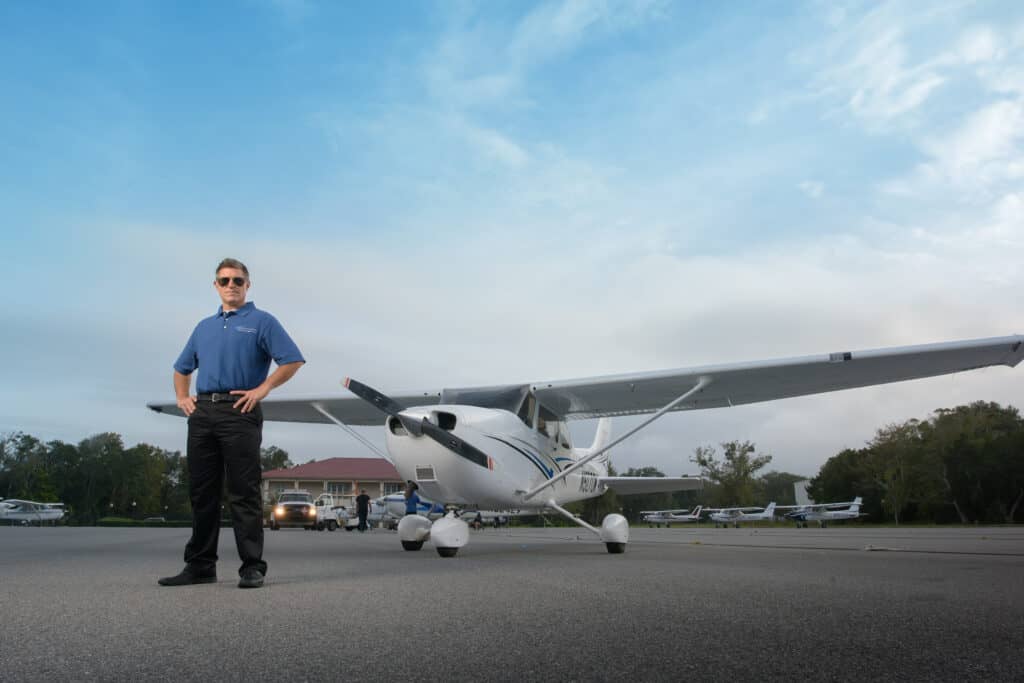
Florida Flyers Flight Academy: Although based in the United States, Florida Flyers Flight Academy is a popular choice for Indian students looking to meet the Indian Pilot Demand. The academy is renowned for its comprehensive training programs, modern fleet, and experienced instructors. Many Indian students choose Florida Flyers for its high standards and international recognition, making it a top option for those aiming to excel in the aviation industry.
- Indira Gandhi Institute of Aeronautics (IGIA): Located in Chandigarh, IGIA offers a solid foundation for aspiring pilots in India. While it may not have the international exposure of Florida Flyers, it provides comprehensive training programs and experienced instructors to help meet the Indian Pilot Demand.
- Bombay Flying Club: One of India’s oldest flight schools, the Bombay Flying Club in Mumbai offers well-established pilot training programs. While its historical significance is notable, it may not match the modern facilities and international reach of Florida Flyers, but it remains a respected institution in India.
- Madhya Pradesh Flying Club (MPFC): Situated in Indore, MPFC is a reputable flight training academy offering various courses to aspiring pilots. Though it’s a strong player in the Indian aviation training sector, it doesn’t offer the same level of international exposure as Florida Flyers, making it a solid but more localized option.
Indian Pilot Demand: The Role of Government and Regulatory Bodies
The Indian government and regulatory bodies play a pivotal role in shaping and sustaining Indian Pilot Demand. Their efforts are crucial in ensuring that the aviation industry continues to grow and that the demand for pilots is met with well-trained, competent professionals.
One of the primary government initiatives driving Indian Pilot Demand is the UDAN (Ude Desh ka Aam Naagrik) scheme. This regional connectivity initiative aims to make air travel more accessible across India, particularly in underserved and remote areas. By opening new routes and encouraging airlines to operate in these regions, the scheme has significantly increased the demand for pilots to service these flights.
The Directorate General of Civil Aviation (DGCA), India’s main regulatory body for civil aviation, also plays a crucial role in maintaining the standards of pilot training and ensuring the safety and efficiency of flight operations. The DGCA is responsible for licensing pilots, approving flight training academies, and setting the regulations that govern aviation practices in the country. By enforcing stringent standards and regularly updating regulations, the DGCA helps ensure that the growing Indian Pilot Demand is met with highly qualified and well-trained pilots.
Additionally, the government has been proactive in fostering partnerships between Indian flight schools and international aviation organizations. These collaborations aim to bring global best practices to India, further enhancing the quality of pilot training and helping to meet the increasing Indian Pilot Demand. Initiatives like these ensure that Indian pilots are well-equipped to compete in both domestic and international markets.
Furthermore, government policies on foreign direct investment (FDI) in the aviation sector have attracted global airlines to invest in India. This influx of investment has led to the expansion of airline fleets and the introduction of new routes, which in turn has boosted the demand for pilots. The government’s support for the aviation sector is a key factor in sustaining the current and future Indian Pilot Demand.
Salary and Benefits of Being a Pilot in India
The remuneration and benefits for pilots in India are highly competitive, reflecting the demanding nature of the profession and the global shortage of skilled aviators. While salaries vary based on factors such as experience, airline, and aircraft type, pilots in India can expect attractive compensation packages:
- Entry-Level Pilots: Fresh graduates or pilots with limited experience can expect starting salaries ranging from ₹2 lakh to ₹4 lakh per annum.
- Experienced Pilots: Pilots with 5-10 years of experience can earn between ₹8 lakh and ₹20 lakh per annum, depending on their qualifications and the airline they work for.
- Senior Pilots and Captains: Highly experienced pilots and captains can command salaries ranging from ₹25 lakh to ₹60 lakh or more per annum, especially with major airlines.
In addition to competitive salaries, pilots in India often enjoy benefits such as free or discounted air travel, accommodation allowances, medical insurance, and retirement plans.
Challenges Faced by Pilots in India
Despite the growing Indian Pilot Demand, pilots in India face several challenges that can impact their careers and overall job satisfaction. These challenges stem from various factors, including the rapid expansion of the aviation industry, regulatory hurdles, and the evolving dynamics of the global aviation market.
One of the primary challenges in meeting Indian Pilot Demand is the intense competition for job opportunities, especially within major airlines. While the demand for pilots is high, the number of aspiring pilots entering the job market is also significant. This has led to a highly competitive environment where securing a position with a reputable airline can be challenging, particularly for newly licensed pilots with limited experience.
Another significant challenge is the cost of pilot training in India. The expenses associated with obtaining a Commercial Pilot License (CPL) are substantial, often requiring a significant financial investment. For many aspiring pilots, the high cost of training can be a barrier to entry, despite the strong Indian Pilot Demand. Additionally, the return on investment can be uncertain, as entry-level salaries for pilots may not always match the expectations set by the high cost of training.
Regulatory complexities also pose challenges for pilots in India. The Directorate General of Civil Aviation (DGCA) sets stringent regulations for pilot licensing, training, and operations. While these regulations are essential for maintaining safety standards, navigating the bureaucratic processes can be time-consuming and frustrating for pilots. Furthermore, staying updated with frequent changes in regulations and ensuring compliance can add an additional layer of complexity to a pilot’s career.
Pilots in India also face challenges related to work-life balance. The demanding nature of the profession, with long hours, irregular schedules, and the need for frequent travel, can take a toll on pilots’ personal lives. This can lead to stress and burnout, which are common concerns in the industry. The pressure to meet the growing Indian Pilot Demand can exacerbate these issues, as pilots may be required to take on more flights to meet industry needs.
Lastly, the global nature of the aviation industry means that Indian pilots must be prepared to compete with their counterparts from around the world. As international airlines expand their operations in India, the competition for pilot positions becomes even more intense. This globalization can be both an opportunity and a challenge, as pilots must continuously upgrade their skills and qualifications to remain competitive in a global job market.
Future Growth Prospects for Pilots in the Indian Aviation Industry
The future of the Indian aviation industry holds immense potential for pilots, with projections indicating a continued surge in demand:
- Fleet Expansion: Indian airlines are expected to acquire hundreds of new aircraft in the coming years, creating a significant need for pilots to operate these aircraft.
- Regional Connectivity Initiatives: The government’s focus on enhancing regional connectivity will open up new routes and destinations, requiring more pilots to serve these areas.
- Growth of Low-Cost Carriers: The proliferation of low-cost carriers is expected to continue, driving the demand for pilots to support their expanding operations.
- International Opportunities: As Indian carriers expand their global footprint, opportunities for pilots to fly international routes and gain exposure to diverse aviation environments will increase.
Indian Pilot Demand: Tips for Aspiring Pilots
Pursuing a career as a pilot in India requires dedication, perseverance, and a passion for aviation. Here are some tips for aspiring pilots:
Start Early: Begin your journey towards becoming a pilot as early as possible, as the training process can be lengthy and competitive.
Seek Mentorship: Connect with experienced pilots or professionals in the aviation industry to gain insights and guidance on the best path to pursue.
Develop Strong Communication Skills: Effective communication is essential for pilots, both in the cockpit and when interacting with air traffic controllers and crew members.
Stay Physically and Mentally Fit: The demanding nature of the job requires pilots to maintain optimal physical and mental health, as well as excellent hand-eye coordination.
Embrace Continuous Learning: The aviation industry is constantly evolving, and pilots must be prepared to adapt to new technologies, regulations, and procedures through ongoing training and education.
Build Flight Experience: Seek opportunities to accumulate flight hours through internships, flight clubs, or by pursuing additional ratings and licenses.
Network and Attend Industry Events: Attend aviation events, conferences, and job fairs to network with industry professionals and stay informed about the latest trends and job opportunities.
Conclusion
The Indian aviation industry is experiencing unprecedented growth, fueled by increasing air travel demand, economic prosperity, and government initiatives. This surge has created a pressing need for skilled and qualified pilots, presenting a wealth of opportunities for aspiring aviators. By pursuing the necessary training, obtaining the required licenses and ratings, and embracing a passion for aviation, individuals can embark on a rewarding and lucrative career as a pilot in India.
As the industry continues to soar, the demand for pilots is expected to remain robust, offering long-term career prospects and growth opportunities. With the right mindset, dedication, and commitment, aspiring pilots can navigate the skies and contribute to the remarkable journey of the Indian aviation sector.
Ready to take your pilot career to new heights? Join Florida Flyers Flight Academy, where world-class training and a dedicated team of experts will help you achieve your dreams. Don’t miss the chance to excel in the global aviation industry—enroll today and start your journey towards becoming a highly skilled and sought-after pilot!
Contact the Florida Flyers Flight Academy Team today at (904) 209-3510 to learn more about the Private Pilot Ground School Course.