
How Much Does Flight Training Cost to Become a Pilot
No matter the career, money plays a crucial role in making it happen. It’s a give-and-take exchange where you invest in knowledge that transforms into a career. In aviation, How Much Does It Cost to Become a Pilot? is one of the first questions many aspiring pilots ask. Unfortunately, the answer often scares them off before they even get started.
The cost to become a pilot can seem overwhelming, especially when you hear about the high prices for flight hours, exams, and pilot training. But the truth is, many people give up on the dream of flying simply because of the hearsay around these costs, not realizing that there are ways to manage and plan for these expenses.
Understanding the cost breakdown is essential. Whether you’re pursuing a private pilot license or aiming for a career in commercial aviation, knowing what to expect can help you approach your goal with confidence.
Choosing the Right Pilot Training School
Before considering the cost to become a pilot, it’s crucial to understand what’s involved in selecting the right flight school. Your choice will lay the groundwork for your entire aviation career. The flight school you choose will determine the pace of your training, the quality of your instruction, and how prepared you’ll be when you take to the skies.
There are two primary types of flight schools: Part 61 and Part 141, both regulated by the FAA. Part 61 schools offer flexibility, allowing students to progress at their own pace, while Part 141 schools follow a structured syllabus, which can be more efficient in terms of flight hours.
Selecting a school with a strong reputation, experienced instructors, and a reliable fleet of aircraft will ensure you’re getting value for your money. A quality foundation in pilot training is key to succeeding in the field, making your school choice one of the most important decisions in your journey.
Breakdown of Costs in Pilot Training
Understanding the cost to become a pilot is crucial before embarking on your flight training journey. Below is a breakdown of where the money typically goes:

- Flight Hours
- Ground School
- Medical Exam and Certification
- Equipment (Headsets, Uniform, etc.)
The most significant portion of your investment will go toward flight hours. On average, a Private Pilot License (PPL) requires about 40 to 50 flight hours. This cost will depend on the school’s hourly rate and the type of aircraft used for training.
Ground school is another major expense. It covers the theoretical side of flight training, including aviation regulations, navigation, and weather patterns.
While some flight schools bundle ground school with flight hours, others may charge separately, adding to the overall cost.
You’ll also need to factor in medical exams and certification. The FAA requires pilots to pass a medical exam to ensure they are fit to fly. While the costs here are relatively small compared to flight hours, they are still essential and should be budgeted for.
Finally, there are additional costs for equipment, such as headsets, flight bags, and uniforms. While these expenses are often one-time purchases, they still contribute to the overall cost of becoming a pilot.
Other Costs to Consider
While flight hours, ground school, and equipment are the main costs, there are additional expenses that can add up during your flight training. These often overlooked costs are an essential part of the overall budget
- Flight Training Materials
- FAA Certification and Testing Fees
- Insurance for Flight School
- Post-Training Costs (Recurrent Training)
Flight training materials such as textbooks, charts, and software can cost between $200 and $500, depending on the program.
These materials are vital for preparing for both your written exams and practical flight training, making them an important part of your budget.
Another hidden cost is the FAA certification and testing fees.

As you progress through training, you’ll need to pay for exams like the FAA written test, checkride, and practical flight tests. These fees can add up to $500 to $1,000, so it’s crucial to account for them early in your planning.
Some flight schools may also require insurance for the aircraft used during training. While not always mandatory, it’s recommended to have insurance for the plane during solo flights. This could range from $100 to $200 per month depending on your school’s policies.
Once you’ve earned your license, there are still post-training costs to consider. Some pilots need recurrent training to maintain their skills, such as yearly flight checks or additional ratings. These ongoing costs can vary but should be factored into the long-term financial picture of being a pilot.
How to Save on the Cost to Become a Pilot
The cost to become a pilot can be a significant investment, but there are several strategies you can use to reduce expenses without sacrificing the quality of your training. By planning carefully and taking advantage of available resources, you can make flight training more affordable.
Choose the Right Flight School
One of the most important steps to reduce the cost to become a pilot is selecting the right flight school. Compare schools in your area, research reviews, and ask about discounts or bundled offers. Some schools provide group rates or package deals that can save you money in the long run.
Schedule Regular Flights
Staying consistent with your flight schedule is key to minimizing the cost to become a pilot. By flying regularly, you can build skills faster and reduce the number of hours you need to complete your training. Irregular training schedules can lead to wasted time and extra costs.
Take Advantage of Flight Simulators
Flight simulators are a great way to practice without adding to the cost to become a pilot. Many schools offer simulators where you can hone your skills, practice navigation, and review emergency procedures, all at a lower cost than actual flying hours.
Learn in Off-Peak Seasons
Flight training costs can fluctuate based on the season. By training during off-peak periods, such as winter, you may be able to take advantage of lower rates. Additionally, training during these times can offer more consistent weather conditions and more availability at the flight school, reducing delays.
Is Becoming a Pilot Worth the Cost?
The cost to become a pilot can seem high, but like any investment, it’s important to consider the long-term return. While flight training can be expensive, the financial and personal rewards that come with a career in aviation can make it worthwhile. Here’s why becoming a pilot can pay off in the long run.
High Earning Potential
The earning potential for pilots is significant. Once you’ve obtained your private or commercial pilot license, you can pursue a range of career opportunities, including becoming a commercial pilot, flight instructor, or working in aviation management. Depending on the industry and experience, pilots can earn anywhere from $50,000 to over $200,000 per year.
Job Stability
The aviation industry is growing, and the demand for qualified pilots continues to increase. According to the U.S. Bureau of Labor Statistics, the need for pilots, especially commercial pilots, is expected to grow by 5% from 2019 to 2029. This growth offers long-term job stability for those who invest in flight training.
Opportunities for Advancement
Once you’ve obtained your initial licenses, there are many opportunities for career advancement in aviation. With additional certifications and ratings, such as becoming an airline transport pilot, your earning potential and career options expand significantly. The cost to become a pilot is an investment in a career that offers multiple growth paths.
Personal Satisfaction
Beyond financial gains, the personal satisfaction of becoming a pilot is immeasurable. The freedom of flying, the skill development, and the unique experiences in aviation are valuable rewards that make the cost to become a pilot worthwhile. For many, the joy of flying is its own reward.
Financing Options for Flight Training
The cost to become a pilot can be overwhelming, but fortunately, there are several financing options to help you manage the expense. Whether through loans, scholarships, or payment plans, you have a range of ways to fund your training and make your dream of flying a reality.
Scholarships for Aspiring Pilots
Numerous organizations and flight schools offer scholarships to help reduce the cost to become a pilot. These scholarships are typically awarded based on merit, financial need, or a combination of both. Some notable organizations offering pilot scholarships include AOPA (Aircraft Owners and Pilots Association) and the EAA (Experimental Aircraft Association). Applying for multiple scholarships can help cover a significant portion of your training costs.
Personal Loans and Education Loans
If scholarships aren’t enough to cover the full cost of flight school, personal loans can provide the necessary funding. Many banks and credit unions offer personal loans with competitive rates for educational purposes, including flight training. Some lenders even specialize in loans for aspiring pilots. Be sure to shop around for the best terms to reduce the overall cost of borrowing.
FAA-Approved Flight Training Loans
The FAA offers specific loan programs to support flight training. These loans are available to U.S. citizens pursuing a career in aviation and are typically backed by the government. They often come with more flexible terms and lower interest rates compared to traditional personal loans, making them a great option for financing your cost to become a pilot.
Payment Plans Provided by Flight Schools
Many flight schools offer payment plans, which allow you to pay for your training in installments. These plans help make the cost to become a pilot more manageable by breaking down tuition and fees into smaller, more affordable payments. Ask flight schools about their payment options and whether they offer any discounts or financial assistance.
Final Thought
The cost to become a pilot is a significant investment, but it’s an investment in a rewarding career. Flight training can be expensive, but with careful planning, smart financial choices, and an understanding of your financing options, it becomes manageable.
Aviation offers unique career opportunities and personal fulfillment that make the cost worthwhile. Whether you’re pursuing a private license or aiming for a commercial career, the skills and experiences you gain will pay off in the long run.
If you’re committed to becoming a pilot, don’t let the financial aspect hold you back. Explore your options, plan ahead, and take the first step toward your flying career today.
FAQs About How Much Does It Cost to Become a Pilot?
How much does it cost to become a pilot?
The cost to become a pilot varies depending on the type of license and flight school. On average, a Private Pilot License (PPL) can cost between $8,000 to $15,000, while a Commercial Pilot License (CPL) can range from $20,000 to $50,000 or more.
How many hours do you need to become a pilot?
To obtain a Private Pilot License (PPL), you need a minimum of 40 hours of flight time, though most students need between 50 to 70 hours to be fully prepared. For a Commercial Pilot License (CPL), you need at least 250 hours of flight time
Are there any scholarships for flight training?
Yes, several organizations and flight schools offer scholarships. Notable examples include AOPA and EAA scholarships, which can help reduce the cost to become a pilot. These are often awarded based on merit or financial need.
Can I finance my flight training?
Yes, you can finance your flight training through personal loans, FAA-backed training loans, or payment plans offered by flight schools. These options can help break down the cost to become a pilot into more manageable payments.
What is the difference between Part 61 and Part 141 flight schools?
Part 61 flight schools offer flexibility, allowing students to progress at their own pace. Part 141 flight schools follow a more structured curriculum and may be more efficient for students aiming to complete their training faster. Part 141 schools may also qualify students for accelerated programs.
Contact the Florida Flyers Flight Academy Team today at (904) 209-3510 to learn more about how to transfer flight schools.

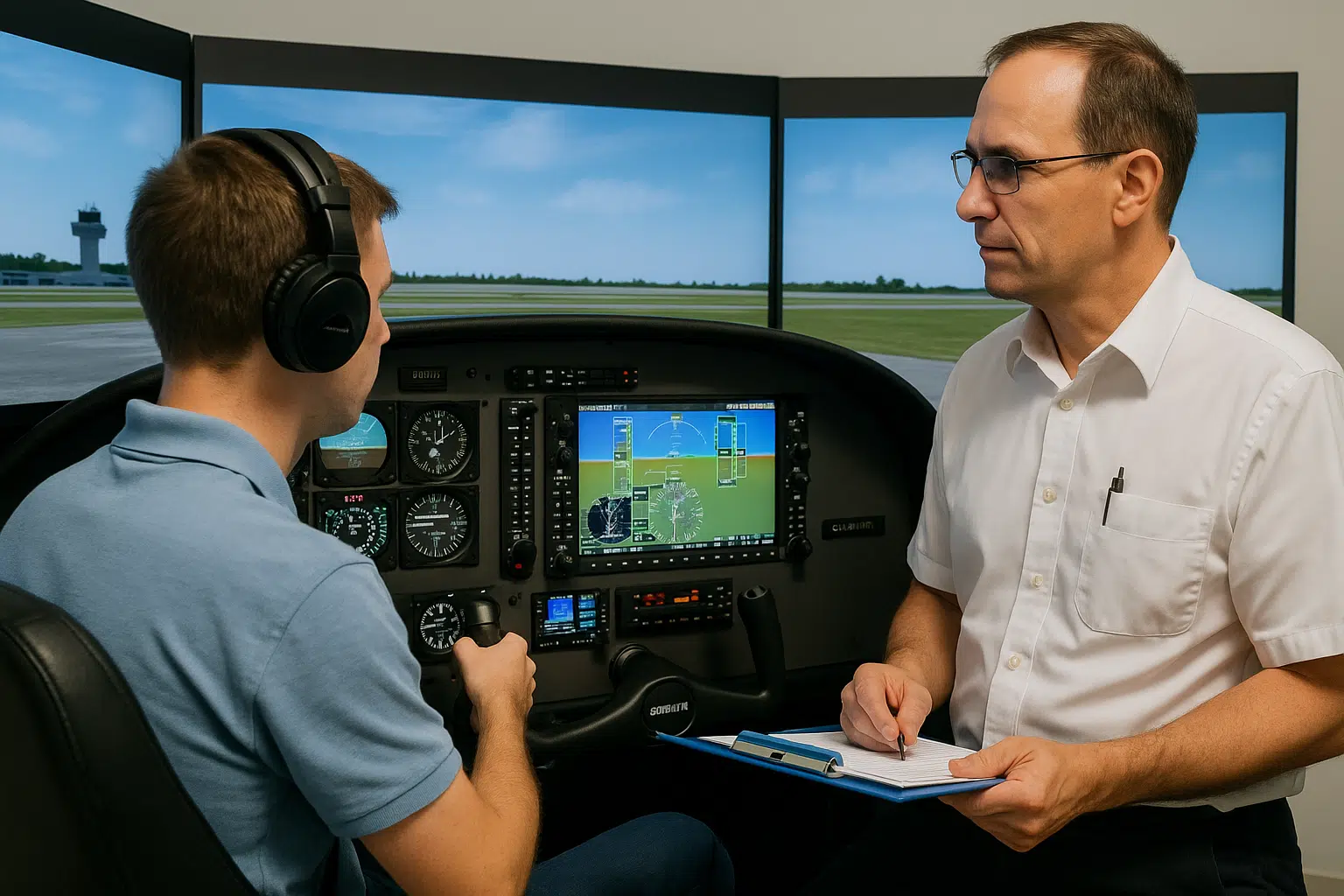
Table of Contents
Contact the Florida Flyers Flight Academy Team today at (904) 209-3510 to learn more about how the top pilot schools in usa can help you achieve your aviation dreams.
