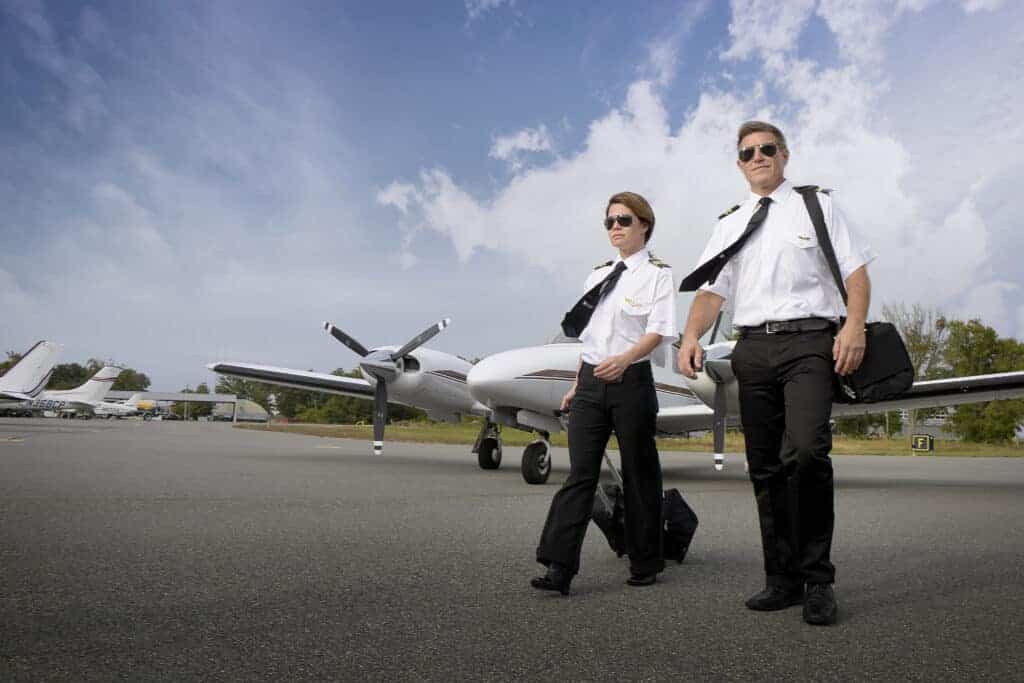
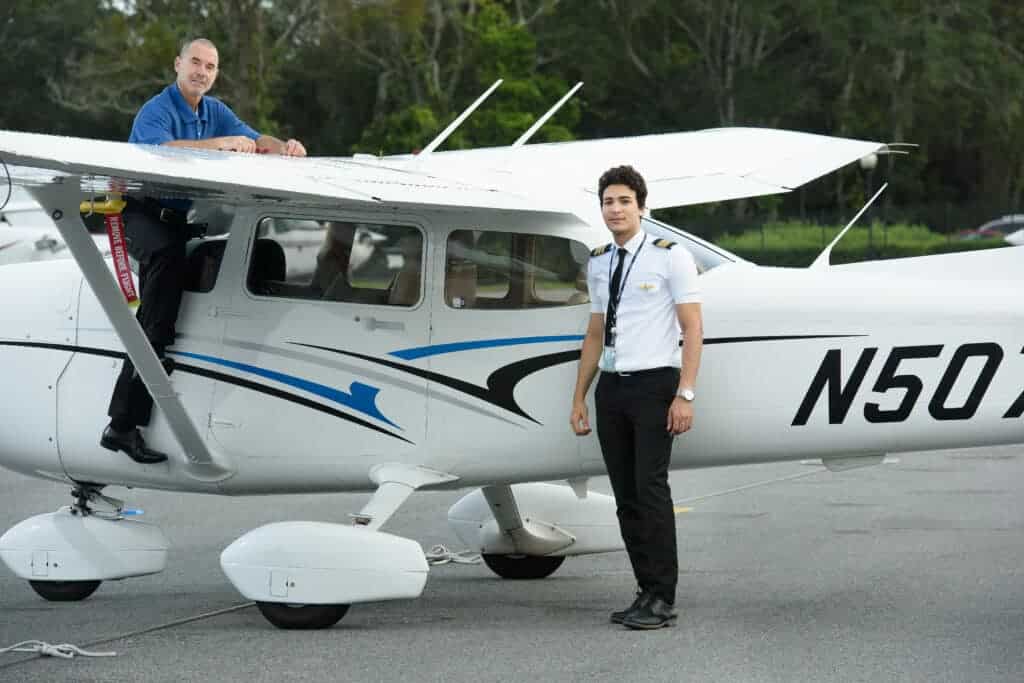
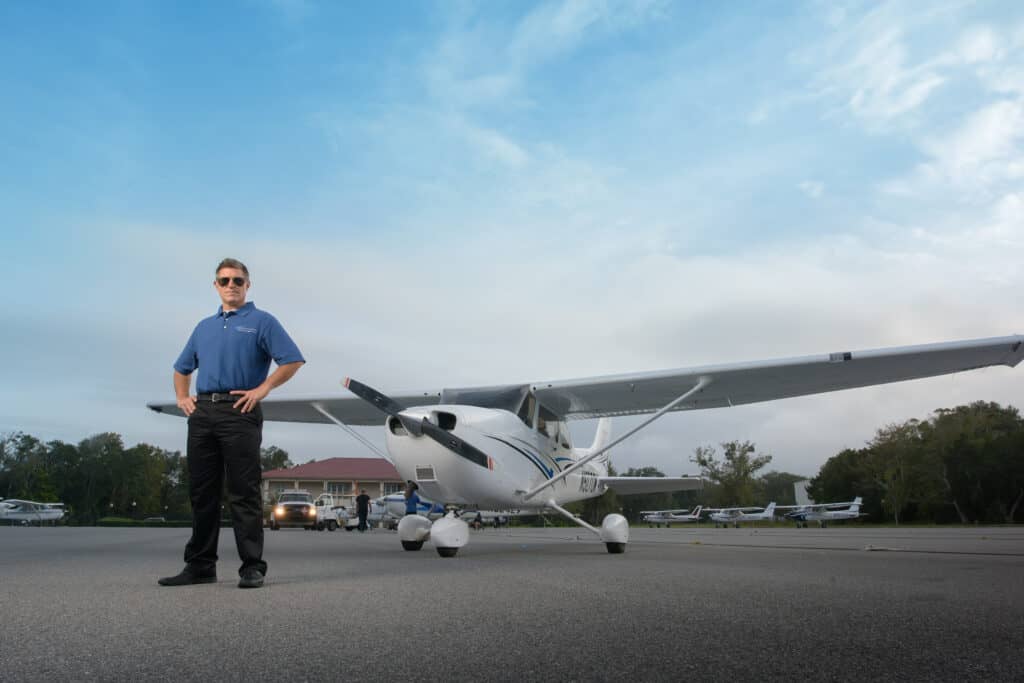
Starting a career as a pilot is an exciting journey, and Ireland offers many pilot job opportunities. With a strong aviation industry, Ireland provides plenty of chances for aspiring pilots to take flight in their aviation careers. This guide will walk you through the essential information you need to explore pilot job opportunities in Ireland and help you get started on this thrilling path.
Ireland’s aviation sector has witnessed remarkable growth in recent years, fueled by the country’s strategic location and its role as a hub for major airlines and aircraft leasing companies. With an increasing demand for skilled pilots, the Emerald Isle has become an attractive destination for those seeking to take to the skies. Whether you’re a fresh graduate or an experienced aviator, Ireland’s diverse aviation landscape holds promising prospects.
As you embark on this journey, it’s essential to understand the requirements, training pathways, and potential employers that shape the pilot job market in Ireland. This article will serve as your comprehensive guide, providing insights into the various facets of this exciting career, from the initial steps to the long-term prospects.
Ireland’s aviation industry offers a unique blend of opportunities and advantages that make it an attractive destination for aspiring pilots. Here are some compelling reasons to consider pursuing a pilot career in Ireland:
Thriving Aviation Industry: Ireland is home to a flourishing aviation sector, with major airlines, aircraft leasing companies, and maintenance facilities operating within its borders. This vibrant ecosystem provides a diverse range of job opportunities for pilots across various sectors.
Strategic Location: Ireland’s geographic position as an island nation in the North Atlantic Ocean makes it a strategic hub for transatlantic flights and international air travel. This strategic location enhances the demand for pilots and offers exposure to a global network of air routes.
Competitive Salaries: Ireland is known for offering competitive salaries and attractive compensation packages for pilots, particularly for those employed by major airlines and aviation companies.
Excellent Training Facilities: Ireland boasts world-class flight training facilities, ensuring that pilots receive comprehensive and high-quality training to meet the industry’s rigorous standards.
Supportive Regulatory Environment: The Irish Aviation Authority (IAA) is a respected and well-established regulatory body that promotes safety, efficiency, and compliance within the aviation industry, providing a supportive environment for pilots.
The Irish Aviation Authority (IAA) is the statutory body responsible for regulating and overseeing the aviation industry in Ireland. As an aspiring pilot, it’s crucial to understand the role and responsibilities of the IAA, as it plays a pivotal role in shaping the job opportunities and requirements within the country’s aviation sector.
The IAA’s primary functions include:
Licensing and Certification: The IAA is responsible for issuing licenses and certifications to pilots, aircraft maintenance personnel, air traffic controllers, and other aviation professionals. These licenses and certifications are essential for securing employment in the aviation industry.
Safety Oversight: The IAA ensures that all aviation activities in Ireland adhere to the highest safety standards. This includes conducting regular inspections, audits, and investigations to maintain a robust safety culture.
Air Navigation Services: The IAA provides air navigation services, including air traffic control, aeronautical information services, and meteorological services, to ensure the safe and efficient movement of aircraft in Irish airspace.
Regulation and Compliance: The IAA develops and enforces regulations and standards to ensure compliance with national and international aviation laws and guidelines.
By understanding the IAA’s role and responsibilities, you can navigate the regulatory landscape more effectively and stay informed about the latest developments and requirements within the Irish aviation industry.
To pursue a career as a pilot in Ireland, you must meet specific requirements set forth by the Irish Aviation Authority (IAA) and the aviation industry. These requirements are designed to ensure the highest levels of safety, competence, and professionalism among pilots operating in Irish airspace. Here are the key requirements you need to be aware of:
Age and Medical Requirements: To become a pilot in Ireland, you must meet the age and medical fitness requirements established by the IAA. These requirements vary depending on the type of pilot license you are pursuing and may include vision tests, physical examinations, and psychological evaluations.
Educational Qualifications: Most airlines and aviation companies in Ireland require pilots to have a minimum of a high school diploma or equivalent. However, many employers prefer candidates with a bachelor’s degree in aviation, aeronautical science, or a related field.
Pilot Licenses and Ratings: Depending on the type of aircraft you wish to fly and the specific role you are pursuing, you will need to obtain the appropriate pilot licenses and ratings from the IAA. These may include:
Flight Experience: Airlines and aviation companies typically require pilots to have a certain amount of flight experience, which can range from a few hundred hours for entry-level positions to thousands of hours for more advanced roles. This experience can be gained through flight training programs, instructing, or flying for smaller aviation operators.
Language Proficiency: As Ireland is an English-speaking country, pilots must demonstrate proficiency in the English language, both written and spoken. This is essential for effective communication with air traffic control and crew members.
Additional Training and Certifications: Depending on the specific job requirements, you may need to undergo additional training and obtain certifications related to areas such as crew resource management, safety management systems, and aviation security.
It’s essential to stay updated on the latest requirements and regulations set forth by the IAA and the aviation industry, as these may change over time. By meeting these requirements, you can increase your chances of securing a pilot job opportunity in Ireland.
Pursuing a career as a pilot in Ireland often begins with attending a reputable flight school. Flight schools play a crucial role in providing aspiring pilots with the necessary training, knowledge, and experience to navigate the skies safely and professionally.
In Ireland, there are several flight schools that offer comprehensive training programs tailored to meet the diverse needs of aspiring pilots. These schools typically provide a range of courses, including:
Private Pilot License (PPL) Training: This is the first step for many aspiring pilots, where they learn the fundamentals of flying, including aircraft operations, navigation, meteorology, and air traffic control procedures.
Commercial Pilot License (CPL) Training: Building upon the knowledge and skills acquired during PPL training, the CPL program equips students with the advanced skills and knowledge required for commercial aviation operations.
Airline Transport Pilot License (ATPL) Training: This is the highest level of pilot certification, and it is typically required for those seeking employment with major airlines or air cargo operators.
Instrument Rating Training: This training focuses on developing the skills necessary for flying solely by reference to instruments, enabling pilots to operate in all weather conditions.
Multi-Engine Rating Training: This training prepares pilots to operate aircraft with more than one engine, which is often a requirement for many commercial aviation roles.
Type Rating Training: This specialized training is specific to a particular aircraft type and is typically required by airlines or aviation companies before pilots can fly that particular aircraft.
When selecting a flight school in Ireland, it’s essential to consider factors such as the school’s reputation, quality of instruction, training facilities, and industry connections. Many reputable flight schools in Ireland are approved by the Irish Aviation Authority (IAA) and offer internationally recognized certifications.
Attending a flight school is not only a crucial step in obtaining the necessary licenses and ratings but also an opportunity to develop practical flying skills, gain valuable experience, and establish industry connections that can aid in securing future job opportunities as a pilot in Ireland.
Pilot training is an indispensable component of pursuing a career as a pilot in Ireland. The aviation industry places a strong emphasis on rigorous training to ensure the highest levels of safety, professionalism, and competence among pilots operating in Irish airspace.
Comprehensive pilot training is essential for several reasons:
Safety: The primary objective of pilot training is to equip aspiring pilots with the knowledge, skills, and experience necessary to operate aircraft safely in various conditions. Thorough training minimizes the risk of accidents and incidents, protecting the lives of passengers, crew, and those on the ground.
Regulatory Compliance: The Irish Aviation Authority (IAA) and international aviation organizations have established stringent regulations and standards for pilot training. Adhering to these regulations is crucial for obtaining the necessary licenses and certifications required to fly commercially in Ireland.
Proficiency and Competence: Pilot training programs are designed to develop proficiency in various aspects of aviation, including aircraft systems, navigation, meteorology, air traffic control procedures, and emergency procedures. This comprehensive training ensures that pilots are competent and capable of handling a wide range of situations encountered during flight operations.
Continuous Learning: The aviation industry is constantly evolving, with advancements in technology, regulations, and best practices. Pilot training instills a culture of continuous learning, enabling pilots to stay up-to-date with the latest developments and adapt to changing industry requirements.
Career Advancement: Comprehensive pilot training not only prepares individuals for entry-level positions but also lays the foundation for career advancement within the aviation industry. As pilots gain experience and additional training, they become eligible for more advanced roles, such as flying larger aircraft or assuming leadership positions within airlines or aviation companies.
In Ireland, there are numerous flight schools and training organizations that offer comprehensive pilot training programs. These institutions employ experienced instructors, utilize state-of-the-art training facilities, and adhere to the highest standards set by the IAA and international aviation organizations.
By investing in thorough pilot training, aspiring pilots in Ireland can develop the necessary skills, knowledge, and experience to excel in their chosen career, while also contributing to the overall safety and efficiency of the aviation industry.
The aviation industry in Ireland offers a diverse range of pilot job opportunities, catering to various interests and career aspirations. From commercial airline pilots to private charter operators and flight instructors, the Emerald Isle provides a multitude of exciting paths for those seeking to take to the skies. Here are some of the main types of pilot jobs available in Ireland:
Commercial Airline Pilots: This is perhaps the most well-known and sought-after pilot job in Ireland. Commercial airline pilots are employed by major airlines, regional carriers, and air cargo companies to transport passengers and cargo domestically and internationally. These pilots typically hold an Airline Transport Pilot License (ATPL) and possess extensive flight experience.
Corporate and Private Jet Pilots: Many businesses and high-net-worth individuals in Ireland rely on corporate and private jet pilots to facilitate their travel needs. These pilots operate smaller, luxurious aircraft and often have a more flexible schedule compared to commercial airline pilots.
Flight Instructors: Flight instructors play a vital role in training the next generation of pilots. They are responsible for providing ground and in-flight instruction to student pilots, ensuring they acquire the necessary knowledge and skills to obtain their pilot licenses and ratings.
Air Ambulance Pilots: Air ambulance pilots are responsible for transporting critically ill or injured patients to medical facilities. This demanding job requires exceptional flying skills, as well as the ability to remain calm and focused in emergency situations.
Aerial Survey and Mapping Pilots: These pilots operate specialized aircraft equipped with advanced imaging and mapping technologies. They are responsible for conducting aerial surveys and mapping projects for various industries, including construction, mining, and environmental monitoring.
Agricultural Pilots: Also known as crop dusters, agricultural pilots play a crucial role in the agricultural industry by applying pesticides, fertilizers, and other treatments to crops from the air. This job requires precision flying and a deep understanding of agricultural practices.
Search and Rescue Pilots: These pilots are employed by organizations like the Irish Coast Guard and are responsible for conducting search and rescue operations in challenging conditions, often in remote or coastal areas.
Helicopter Pilots: Helicopter pilots in Ireland find employment in various sectors, including emergency medical services, offshore oil and gas operations, law enforcement, and tourism. They are trained to operate rotary-wing aircraft in diverse environments and conditions.
Each type of pilot job in Ireland comes with its own set of requirements, responsibilities, and challenges. However, one common thread that runs through all these roles is the need for exceptional flying skills, a commitment to safety, and a passion for aviation.
Pursuing pilot job opportunities in Ireland offers promising prospects and opportunities for professional growth and advancement. The aviation industry in Ireland is thriving, and the demand for skilled pilots is expected to continue rising in the coming years. Here are some key insights into the career prospects for pilots in Ireland:
Growth in the Aviation Industry: The Irish aviation industry has experienced significant growth in recent years, driven by factors such as the country’s strategic location, the presence of major airlines and aircraft leasing companies, and the increasing demand for air travel. This growth translates into a greater pilot job opportunities in Ireland across various sectors, including commercial airlines, private aviation, and specialized aviation services.
Opportunities with Major Airlines: Ireland is home to several major airlines, including Ryanair, Aer Lingus, and CityJet, among others. These airlines offer excellent career opportunities for pilots, with competitive salaries, benefits, and opportunities for advancement. As these airlines continue to expand their routes and fleets, the demand for experienced pilots is expected to rise.
Diverse Career Paths: The aviation industry offers a diverse range of pilot job opportunities in Ireland, allowing them to explore various specializations and roles. From commercial airline pilots to corporate and private aviation, flight instructors, and specialized aviation services, pilots can choose career paths that align with their interests and goals.
International Exposure: As a pilot in Ireland, you may have the opportunity to fly internationally and gain exposure to diverse cultures and environments. Many Irish airlines operate routes across Europe and beyond, providing pilots with the chance to explore new destinations and expand their horizons.
Continuous Training and Professional Development: The aviation industry is constantly evolving, and pilots must stay up-to-date with the latest technologies, regulations, and best practices. In Ireland, pilots have access to world-class training facilities and opportunities for continuous professional development, ensuring they remain at the forefront of their field.
Career Advancement Opportunities: As pilots gain experience and accumulate flight hours, they become eligible for more advanced roles and positions within the aviation industry. This may include job opportunities in Ireland to fly larger aircraft, assume leadership roles within airlines or aviation companies, or pursue specialized job opportunities in Ireland such as flight instructors or aviation safety managers.
While the aviation industry is competitive, pilots in Ireland who possess the necessary qualifications, experience, and dedication can expect rewarding and fulfilling career prospects. By staying committed to safety, continuous learning, and professional development, pilots can position themselves for long-term success in this dynamic and exciting field.
Ireland’s aviation industry is home to a diverse range of employers seeking skilled and experienced pilots. From major international airlines to private aviation companies and specialized aviation services providers, the Emerald Isle offers a multitude of pilot job opportunities in Ireland to soar in their careers. Here are some of the key employers for pilots in Ireland:
Ryanair: As Europe’s largest low-cost airline, Ryanair is a major employer of pilots in Ireland. With a vast fleet and an extensive route network, Ryanair provides exciting pilot job opportunities in Ireland to fly domestically and internationally.
Aer Lingus: Ireland’s national airline, Aer Lingus, is another significant employer of pilots. With a focus on both short-haul and long-haul flights, Aer Lingus offers pilots the chance to fly to destinations across Europe, North America, and beyond.
CityJet: Based in Dublin, CityJet is a regional airline that operates scheduled and charter services throughout Europe. As a key player in the Irish aviation market, CityJet provides employment opportunities for pilots seeking to gain experience in regional aviation.
Private Aviation Companies: Ireland is home to numerous private aviation companies that cater to the needs of corporate clients, high-net-worth individuals, and specialized aviation services. These companies offer pilots the opportunity to fly state-of-the-art aircraft and experience a more personalized aviation environment.
Aircraft Leasing Companies: Ireland is a global hub for aircraft leasing, with many major leasing companies headquartered in the country. These companies often employ pilots for various roles, including ferry flights, aircraft delivery, and maintenance operations.
Flight Training Organizations: With a strong focus on aviation education and training, Ireland hosts several reputable flight training organizations. These organizations employ flight instructors and examiners to train the next generation of pilots.
Air Ambulance and Emergency Services: Organizations such as the Irish Air Corps and the Irish Coast Guard employ pilots for air ambulance, search and rescue, and other emergency services operations.
Aerial Survey and Mapping Companies: Ireland’s thriving construction, mining, and environmental sectors create demand for aerial survey and mapping services, which require specialized pilots to operate specialized aircraft equipped with advanced imaging and mapping technologies.
While these are some of the key job opportunities in Ireland, it’s important to note that the aviation industry is constantly evolving, and new opportunities may arise with emerging companies or specialized aviation services providers. Regardless of the specific employer, pilots in Ireland can expect competitive salaries and attractive compensation packages. The remuneration for pilots in the country is influenced by factors such as the type of aircraft flown, the pilot’s experience and qualifications, and the employer’s size and industry sector.
Commercial airline pilots, particularly those employed by major carriers like Ryanair and Aer Lingus, typically enjoy higher salaries compared to pilots in other sectors. Entry-level first officers (co-pilots) can expect salaries ranging from €35,000 to €50,000 per year, while experienced captains can earn upwards of €100,000 annually, depending on the airline and aircraft type.
Pilots employed in private aviation, corporate aviation, and specialized aviation services may also command competitive salaries, although the range can vary depending on the specific role and employer. Factors such as flight hours, aircraft type, and the complexity of operations can influence salary levels in these sectors.
It’s worth noting that in addition to base salaries, many employers in the Irish aviation industry offer attractive benefits packages to their pilots. These may include various allowances, such as flight pay, overnight allowances, and per diem expenses, as well as comprehensive health insurance, retirement plans, and opportunities for career development and training.
While salary expectations can vary based on factors such as experience, qualifications, and employer, the following table provides a general overview of the salary ranges for pilots in Ireland across different sectors and experience levels:
| Sector | Entry-Level | Experienced | Senior/Captain |
|---|---|---|---|
| Commercial Airlines | €35,000 – €50,000 | €60,000 – €90,000 | €90,000 – €150,000+ |
| Private/Corporate Aviation | €40,000 – €60,000 | €65,000 – €100,000 | €100,000 – €150,000+ |
| Flight Training | €30,000 – €45,000 | €45,000 – €70,000 | €70,000 – €100,000 |
| Aerial Survey/Mapping | €40,000 – €60,000 | €60,000 – €90,000 | €90,000 – €120,000 |
| Air Ambulance/Emergency Services | €40,000 – €60,000 | €60,000 – €80,000 | €80,000 – €110,000 |
It’s important to note that these figures are approximate and can vary significantly based on factors such as the specific employer, aircraft type, and the pilot’s level of experience and qualifications.
Additionally, many employers in the Irish aviation industry offer attractive benefits packages that can further enhance the overall compensation for pilots. These may include various allowances, such as flight pay, overnight allowances, and per diem expenses, as well as comprehensive health insurance, retirement plans, and opportunities for career development and training.
As the aviation industry in Ireland continues to grow and evolve, the demand for skilled and experienced pilots is expected to remain strong, potentially leading to even more competitive salary offerings and compensation packages in the future.
Pursuing a career as a pilot in Ireland can be both rewarding and challenging. With the right preparation and strategies, you can increase your chances of securing coveted pilot job opportunities in the Emerald Isle. Here are some valuable tips to guide you on your journey:
Obtain the Necessary Licenses and Certifications: Ensure that you meet all the licensing and certification requirements set forth by the Irish Aviation Authority (IAA) and the specific employer you’re targeting. This may include obtaining a Private Pilot License (PPL), Commercial Pilot License (CPL), Airline Transport Pilot License (ATPL), and any additional ratings or endorsements required for the role.
Gain Relevant Flight Experience: Employers in the aviation industry highly value practical flight experience. Consider participating in internships, flight instruction programs, or entry-level positions with smaller aviation companies to accumulate the required flight hours and gain exposure to various aircraft types and operational environments.
Develop a Strong Résumé and Cover Letter: Your résumé and cover letter are your first impressions to potential employers. Highlight your qualifications, licenses, flight experience, and any relevant achievements or certifications that demonstrate your competence and passion for aviation.
Network and Attend Industry Events: Attend aviation-related events, conferences, and job fairs to network with industry professionals, recruiters, and potential employers. Building connections and staying informed about industry trends and job openings can provide valuable insights and opportunities.
Consider Joining Professional Organizations: Membership in professional organizations such as the Irish Air Line Pilots’ Association (IALPA) or the European Cockpit Association (ECA) can provide access to valuable resources, networking opportunities, and industry news that can aid your job search.
Maintain a Positive Attitude and Professionalism: The aviation industry values professionalism, discipline, and a positive attitude. Demonstrate these qualities throughout the application and interview process, as they can significantly impact your chances of being hired.
Be Prepared for Interviews and Assessments: Many aviation employers conduct rigorous interviews and assessments to evaluate candidates’ technical knowledge, decision-making abilities, and aptitude for the role. Prepare thoroughly by practicing interview questions, familiarizing yourself with the employer’s operations, and brushing up on relevant aviation concepts and regulations.
Consider Relocation or Temporary Assignments: While there are many aviation employers in Ireland, being open to relocating or accepting temporary assignments can increase your job opportunities, especially when starting your career or seeking advancement.
Continuous Learning and Professional Development: The aviation industry is constantly evolving, and employers value pilots who are committed to continuous learning and professional development. Pursue additional training, attend seminars, and stay up-to-date with industry trends and best practices to demonstrate your dedication to personal and professional growth.
By following these tips and maintaining a proactive approach, you can increase your chances of securing exciting pilot job opportunities in Ireland and embarking on a rewarding and fulfilling career in the dynamic world of aviation.
Pursuing a career as a pilot in Ireland offers a wealth of opportunities and the chance to soar in a thriving and dynamic aviation industry. From major international airlines to private aviation companies and specialized aviation services providers, the Emerald Isle presents a diverse range of employers seeking skilled and experienced pilots.
Throughout this comprehensive guide, we’ve explored the various facets of pilot job opportunities in Ireland, including the role of the Irish Aviation Authority (IAA), the requirements for becoming a pilot, the importance of flight training, and the different types of pilot jobs available. We’ve also delved into career prospects, key employers, salary expectations, and valuable tips for securing coveted positions in this exciting field.
As the aviation industry continues to grow and evolve, the demand for qualified pilots in Ireland is expected to remain strong. With its strategic location, world-class training facilities, and supportive regulatory environment, Ireland offers an attractive destination for aspiring pilots to take their careers to new heights.
Remember, pursuing a career as a pilot requires dedication, perseverance, and a commitment to continuous learning and professional development. By obtaining the necessary licenses and certifications, gaining relevant flight experience, networking within the industry, and maintaining a positive attitude and professionalism, you can increase your chances of securing rewarding pilot job opportunities in Ireland.
If you’re passionate about aviation and ready to embark on an exhilarating career as a pilot, consider exploring the opportunities available in Ireland. Contact reputable flight schools like Florida Flyers Flight Academy, today to take the first step towards realizing your dreams of soaring through the skies. With determination and the right guidance, you can navigate the path to becoming a successful pilot in the dynamic aviation industry of Ireland.
The journey to becoming a pilot is challenging but immensely rewarding. Embrace the opportunities that Ireland has to offer, and let your passion for aviation guide you towards a fulfilling and exciting career in the skies.
Contact the Florida Flyers Flight Academy Team today at (904) 209-3510 to learn more about the Private Pilot Ground School Course.