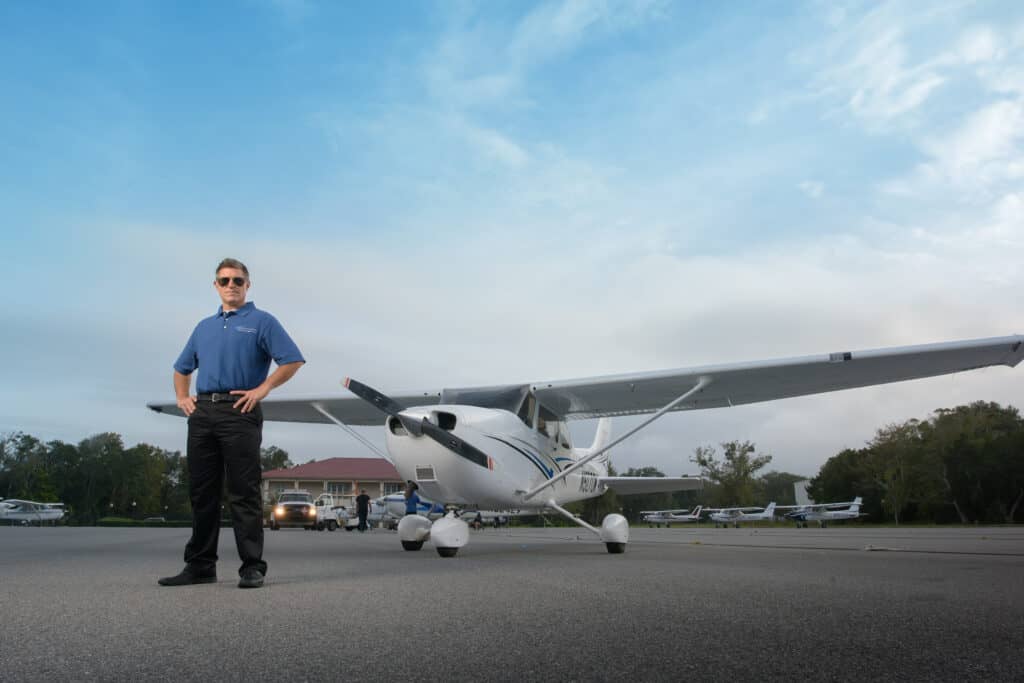
Becoming a pilot is often seen as both a prestigious and rewarding aviation career, offering not just the thrill of flying but also the potential for high earnings. The average salary of a pilot in America has remained a topic of interest for aspiring pilots, seasoned professionals, and aviation enthusiasts. Salaries can vary significantly depending on various factors, such as experience, type of airline, and the specific aircraft flown. Understanding the salary landscape is crucial for anyone considering a career in aviation or looking to advance in the field.
In America, pilot salaries are typically influenced by a combination of seniority, employer size, and geographic location. While there’s no fixed salary for all pilots, industry averages provide a clear picture of what a pilot can expect to earn. This guide aims to break down the average salary of a pilot in America by various criteria, offering an in-depth look at factors that affect pay and how pilots can maximize their earnings.
Several key factors influence the average salary of a pilot in America. First and foremost is experience. A pilot with a few years of flying under their belt will earn significantly less than a captain with decades of experience. The type of airline also plays a major role. Pilots flying for major airlines often have higher salaries than those working for regional carriers, and this discrepancy can be substantial.
Location is another important factor. Pilots based in high-demand hubs or regions with a greater need for aviation services often earn more. States like California, New York, and Texas tend to offer higher salaries compared to others due to their bustling airports and higher cost of living.
Finally, the type of aircraft a pilot operates can greatly influence earnings. Larger, more complex aircraft generally require more skill and training, and pilots who can operate these aircraft are compensated accordingly. For example, flying a wide-body jet for an international airline can result in higher pay compared to operating smaller regional planes.
Experience is one of the most significant factors in determining the average salary of a pilot in America. Entry-level pilots, often referred to as first officers or co-pilots, start their careers with relatively modest earnings. On average, new pilots working for regional airlines may expect to earn between $40,000 and $60,000 per year. However, this figure quickly rises as they gain more flying hours and move up in rank.
Mid-career pilots, typically those with five to ten years of experience, can expect to see their salaries increase significantly. At this stage, a pilot may earn between $80,000 and $150,000 annually, depending on the airline and the aircraft type. Captains, who have accumulated substantial experience, are at the pinnacle of their earning potential. They often command salaries in the range of $200,000 to $300,000 per year, especially if they are flying for major airlines on international routes.
The type of airline a pilot works for is another critical factor in determining the average salary of a pilot in America. Pilots employed by major airlines, such as Delta, American Airlines, or United, often earn considerably more than their counterparts flying for regional carriers. Major airlines typically have larger aircraft, more complex routes, and greater international operations, which justify the higher salaries.
Pilots working for regional airlines, which typically serve smaller, domestic markets, can expect lower salaries. On average, a pilot at a regional airline may earn between $50,000 and $90,000 annually. In contrast, pilots at major airlines frequently earn salaries that range from $120,000 to over $200,000 per year, depending on their experience and the routes they fly.
One of the most striking distinctions in the average salary of a pilot in America is the difference between regional and major airlines. Regional airlines are smaller carriers that typically operate within specific regions or states. Because of the limited scope and smaller aircraft, regional airline pilots generally earn less than those flying for major airlines.
For example, a first officer at a regional airline might start at $40,000 to $50,000 annually, whereas a first officer at a major airline could earn between $70,000 and $90,000. As pilots move up in rank to captain, the gap widens. A captain at a regional airline may earn $90,000 to $120,000, while a captain at a major airline could easily surpass $200,000, especially when flying long-haul international routes.
When discussing the average salary of a pilot in America, it’s important to consider the differences between cargo and commercial pilots. Cargo pilots fly freight and packages rather than passengers, and they are typically employed by companies like FedEx, UPS, or DHL. Although they may not have the glamour of commercial passenger pilots, cargo pilots often earn competitive salaries.
In many cases, cargo pilots earn salaries on par with or even higher than their commercial counterparts. A cargo pilot working for a large carrier such as FedEx could earn between $100,000 and $200,000 annually, depending on experience and the routes they fly. In comparison, commercial pilots with similar experience levels working for major airlines may have comparable earnings, but the benefits and work schedule might differ.
The type of aircraft a pilot operates is another determining factor in the average salary of a pilot in America. Pilots flying smaller, regional aircraft generally earn less than those flying large, international jets. For example, a pilot flying a smaller jet or turboprop for a regional airline might earn between $50,000 and $90,000 annually. In contrast, a pilot flying a wide-body aircraft, such as a Boeing 777 or Airbus A350 for an international airline, could earn upwards of $200,000 per year, particularly if they hold a senior position such as captain.
Moreover, flying larger, more complex aircraft often requires additional certifications and training, which can justify the higher salaries. Pilots with the skill and qualifications to fly these larger aircraft are in high demand, especially for international routes.
Looking ahead, the average salary of a pilot in America is expected to continue its upward trend. The aviation industry is rebounding after a turbulent period during the pandemic, and with increased demand for air travel, airlines are facing a growing need for pilots. This demand is likely to drive salaries higher, particularly for experienced pilots and those willing to work for major airlines or fly international routes.
In addition, the pilot shortage that has plagued the industry in recent years shows no signs of abating. Many pilots are reaching retirement age, and there is a limited pipeline of new pilots entering the industry. This shortage will likely put upward pressure on salaries as airlines compete to attract and retain talent.
In addition to competitive salaries, pilots in America enjoy a wide range of benefits and perks. Health insurance, retirement plans, and travel benefits are common across the industry. Pilots often receive free or heavily discounted flights for themselves and their families, which is a significant perk for those who love to travel. Furthermore, pilots usually have the opportunity to stay in different cities or countries during layovers, adding an element of adventure to the job.
Pilots also benefit from flexible work schedules. Although the hours can be long and irregular, many pilots enjoy several days off between flights, providing ample time for rest or personal activities. This flexibility, combined with the high salary potential, makes a career as a pilot appealing to many.
When negotiating the average salary of a pilot in America, preparation is key. Pilots should research industry standards, understand the salary ranges for their level of experience, and know the value they bring to their employer. Demonstrating a track record of safe, reliable flying and having additional certifications can give pilots leverage during salary negotiations.
Pilots should also consider negotiating for benefits beyond base salary, such as better health insurance, increased retirement contributions, or additional vacation time. Having a clear understanding of the full compensation package can lead to more fruitful negotiations.
When comparing the average salary of a pilot in America to other aviation careers, pilots generally earn higher salaries than most other professionals in the industry. For instance, air traffic controllers and aerospace engineers earn competitive salaries, but pilots, especially those working for major airlines or flying large international aircraft, tend to be at the top of the aviation pay scale.
While other careers in aviation, such as flight attendants, mechanics, or dispatchers, offer respectable salaries, they are generally lower than what pilots earn. This disparity in pay reflects the significant training, responsibility, and expertise required to be a pilot.
The average salary of a pilot in America is shaped by a variety of factors, including experience, airline type, aircraft type, and geographic location. Whether flying for a regional airline, a major carrier, or a cargo company, pilots can expect to earn competitive salaries with significant room for growth as they gain experience. Looking ahead, the aviation industry is poised for continued growth, with rising demand for pilots driving salaries even higher. For those considering a career in aviation, now is an excellent time to explore the possibilities and take advantage of the lucrative opportunities available to pilots.
If you’re ready to take the first step toward a rewarding career as a pilot, Florida Flyers Flight Academy can help you achieve your dreams. With world-class training and a focus on preparing pilots for success, our academy offers the skills and certifications you need to launch your career in aviation.
Contact the Florida Flyers Flight Academy Team today at (904) 209-3510 to learn more about how to pay for flight school.